Carnivorous plants have fascinated botanists and curious minds for centuries. These are not your typical garden plants; they have evolved unique methods to capture and digest prey to survive in nutrient-poor soils. While the Venus flytrap often steals the limelight, a variety of carnivorous plants put it to shame with their bizarre, often gruesome methods of survival. Some use specialized traps, others rely on mutualistic relationships with animals, and a few take an almost symbiotic approach to catching and digesting prey.
Heliamphora
arthdesign/123rf
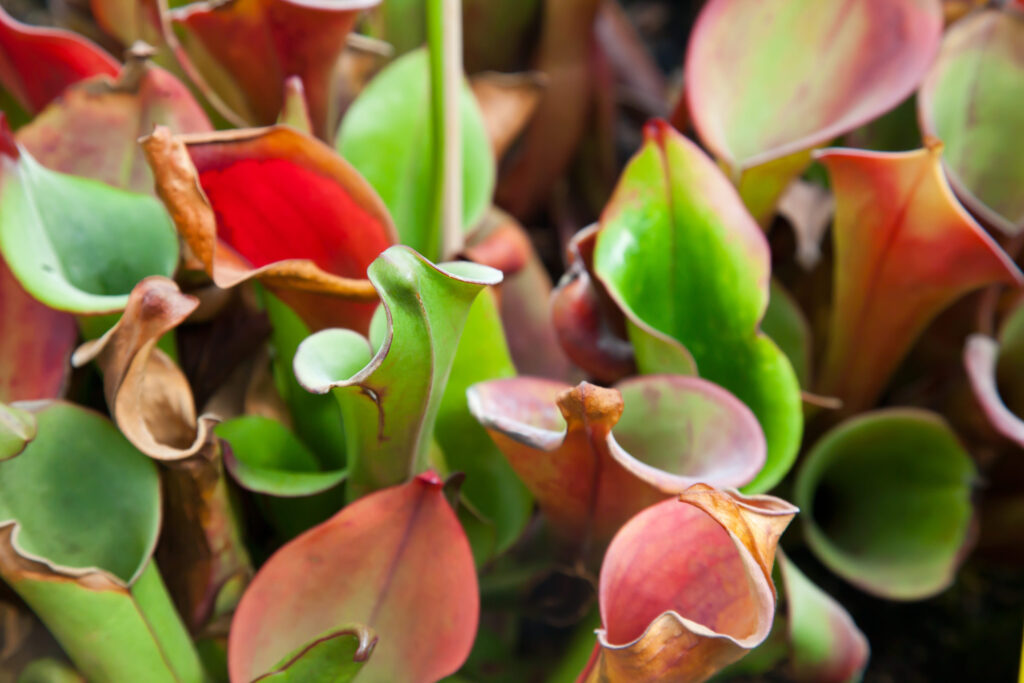
One of the lesser-known marvels of the carnivorous plant world is Heliamphora, commonly known as the sun pitcher. Found high in the cloud forests of northern South America, these plants are true masters of adaptation. Unlike other pitcher plants, Heliamphora employs a mechanism that causes insects to slip and fall into their digestive chambers when it rains.
These plants’ smooth, water-repellent surfaces make them especially deadly after a downpour, as the wet conditions increase their efficiency. Instead of snapping shut like a Venus flytrap, Heliamphora relies on its incredibly slippery surface to trap its prey. This rain-dependent mechanism allows the plant to trap ants and other insects through a natural “slip-n-slide” effect that leads to their demise, making it a unique adaptation among carnivorous plants.
Nepenthes Bicalcarata
One of the most fascinating relationships in the plant world is between Nepenthes bicalcarata and the ant Camponotus schmitzi. Nepenthes bicalcarata, a tropical pitcher plant from Borneo, provides a home for these ants in its hollow, nectar-filled traps. In return, the ants defend the plant, kill other insects that might interfere with its digestion, and even clear away decaying organic matter.
This mutualistic relationship makes Nepenthes bicalcarata one of the most complex carnivorous plants. While other pitcher plants trap prey with deadly precision, this species has learned to rely on a team of ants to help with its digestion. This cooperation is a remarkable example of how plants and insects can evolve together for mutual benefit.
Brocchinia Reducta
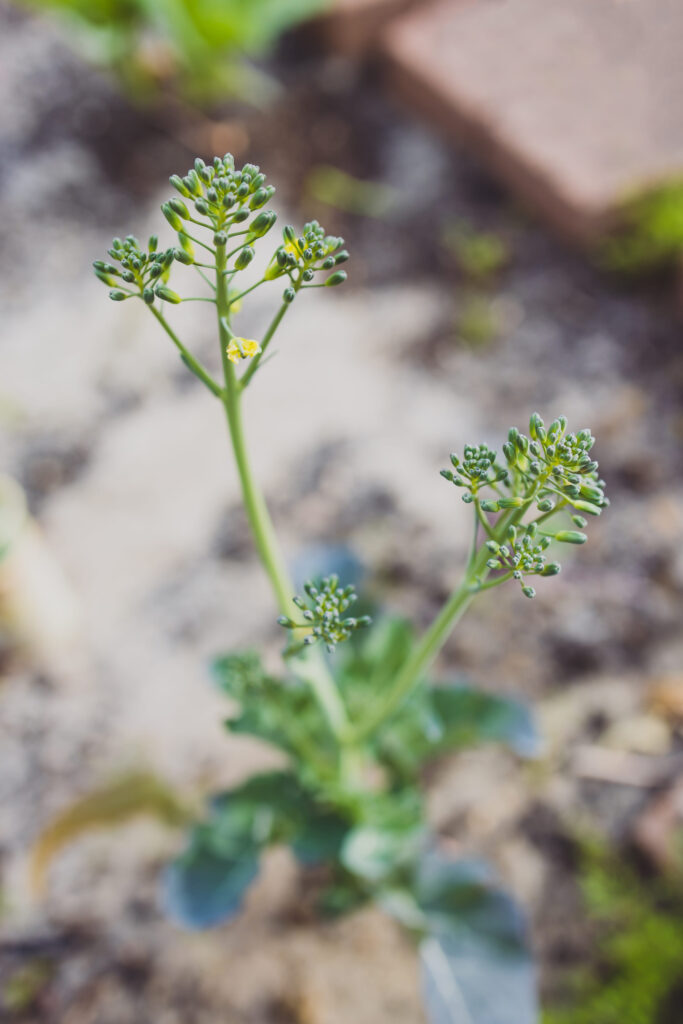
Bromeliads are usually associated with ornamental houseplants, but Brocchinia reducta breaks that stereotype by evolving into a carnivorous species. Unlike typical carnivorous plants that attract insects with nectar, Brocchinia reducta collects rainwater in its leaf rosettes, creating a small pool that becomes a natural trap for insect prey.
Interestingly, Brocchinia reducta does not digest its prey on its own. Instead, it relies on bacteria to break down its captured victims. This partnership allows the plant to indirectly extract nutrients from its prey. The plant’s adaptation makes it a fascinating example of how even the most unassuming species can turn carnivorous in their quest for survival.
Shepherd’s Purse Seeds

While Capsella bursa-pastoris, commonly known as Shepherd’s purse, isn’t a fully carnivorous plant, it exhibits behaviors that make it stand out in the plant kingdom. Research shows that the seeds of this plant can attract and trap nematodes, microscopic worms that play a vital role in soil fertility. By drawing these tiny creatures into its environment, the plant benefits from a nutrient boost that helps it thrive in nutrient-deficient soils.
What makes Shepherd’s purse so fascinating is that it represents one of the most subtle forms of carnivory in the plant world, a form of proto-carnivory, where the plant doesn’t directly digest its prey but uses it to fertilize its environment. This method of surviving in poor soil conditions highlights the versatility of plant species in adapting to harsh environments.
Nepenthes Lowii
If you thought Nepenthes bicalcarata was strange, wait until you hear about Nepenthes lowii. This unique pitcher plant has developed a fascinating strategy for obtaining nutrients by relying on tree shrews. It secretes sweet nectar that attracts these animals to its pitchers, where they feed on the nectar and, in return, leave behind droppings.
These droppings provide the plant with a significant source of nitrogen, essential for its survival in the poor soils of its tropical mountain home. In essence, Nepenthes lowii has evolved a clever method of “hunting” through the waste of another species, proving that sometimes survival involves less direct action and more reliance on others.
Nepenthes Hemsleyana
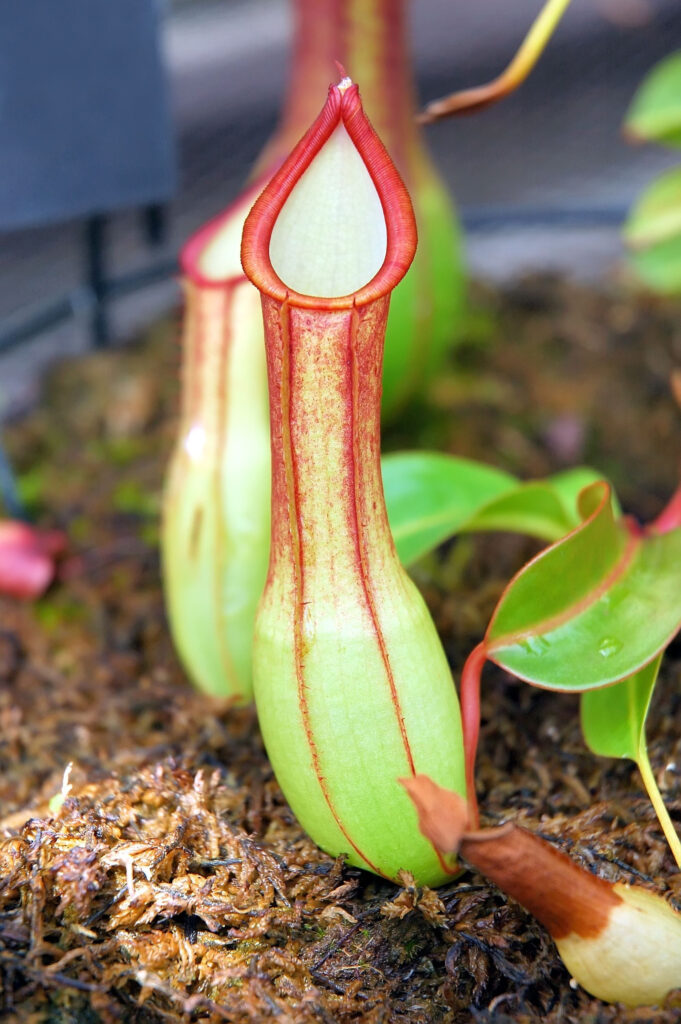
Another pitcher plant that relies on animal interactions is Nepenthes hemsleyana. Unlike most pitcher plants that attract and digest insects, Nepenthes hemsleyana harbors bats in its traps. These bats roost in the plant’s pitcher and, in doing so, provide a valuable source of nitrogen through their droppings.
This mutualistic relationship between Nepenthes hemsleyana and the bats is a fascinating example of how plants can form symbiotic partnerships to meet their nutritional needs. The plant benefits from a continuous supply of nutrients, while the bats get a safe resting place. It’s a perfect example of how carnivorous plants can adapt in creative ways to their environments.
Philcoxia
Perhaps one of the strangest and most obscure examples of carnivory in the plant kingdom is Philcoxia, a Brazilian plant that hunts underground. Unlike other carnivorous plants that capture prey above the soil, Philcoxia traps and digests nematodes in the soil using sticky underground leaves. This subterranean hunting technique is a rare form of carnivory that has only been discovered in recent years.
This unique adaptation shows how plants can evolve to capture nutrients from the soil in ways that other plants cannot. It is a prime example of the diversity of carnivorous plants and their ability to adapt to their environments in extraordinary ways.
Nepenthes Ampullaria
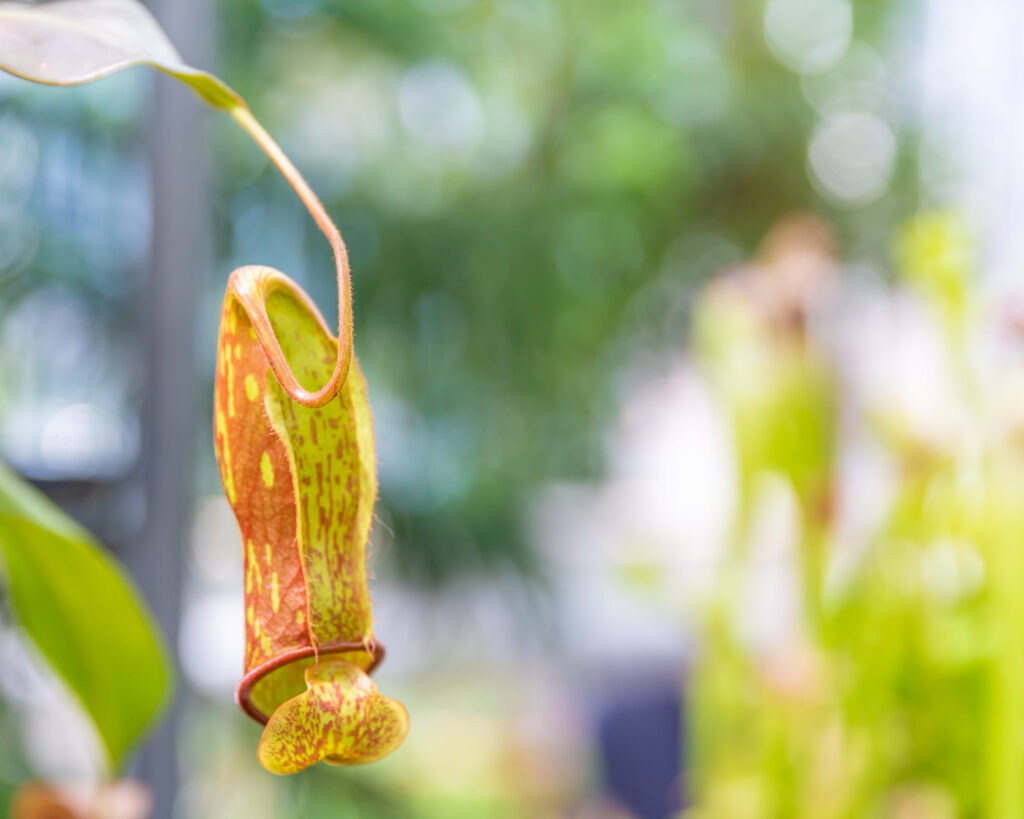
Nepenthes ampullaria represents a shift in how carnivorous plants capture nutrients. Rather than relying on insects, this pitcher plant has evolved to collect leaf litter and decaying organic matter from its surroundings. Its hollow traps fill with this organic matter, which decays and releases nutrients that the plant absorbs.
By relying on decaying material instead of live prey, Nepenthes ampullaria takes a more passive approach to carnivory. While it still belongs to the carnivorous plant family, it has moved away from traditional methods and adapted to its surroundings, allowing it to thrive.
Roridula
While most carnivorous plants catch and digest their prey on their own, Roridula takes a different approach. This plant traps insects on its sticky leaves but lacks the enzymes needed to break down the captured prey. Instead, it relies on a species of hemipteran bug to feed on the trapped insects. The plant then absorbs the nutrients from the waste left behind by these bugs.
This unique relationship between Roridula and its “middleman” bugs is a rare example of indirect carnivory. It shows how plants can develop creative ways of obtaining nutrients without having to do all the work themselves.
Drosera Glanduligera
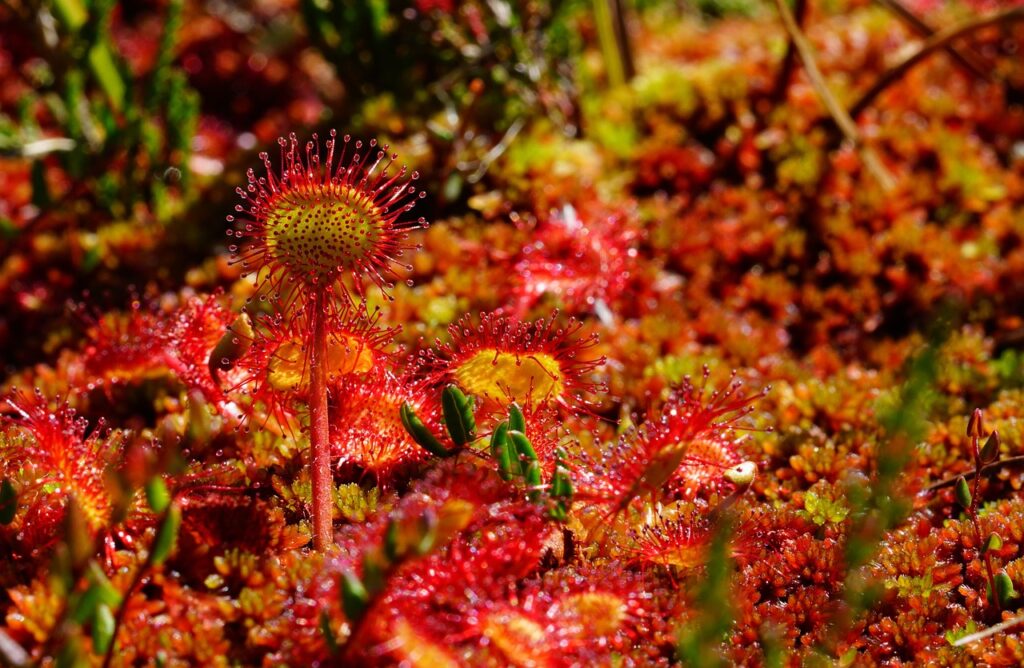
The Drosera glanduligera, or the Australian sundew, is one of the most innovative and deadly of all carnivorous plants. Unlike typical sundews, which use sticky tentacles to capture prey, this species has evolved a catapult mechanism. The plant’s tentacles are sensitive to touch, and when an insect lands, the tentacles spring into action, launching the prey into the center of the trap.
This “catapult” mechanism is both efficient and fascinating, ensuring the insect is quickly and effectively trapped. The rapid action of the tentacles makes Drosera glanduligera one of the most aggressive and fascinating members of the sundew family.
Conclusion
The world of carnivorous plants is filled with fascinating examples of nature’s ingenuity. These plants have adapted in extraordinary ways to obtain nutrients from the environment, often by capturing and digesting unsuspecting creatures. What makes these species so interesting is that they challenge our preconceived notions of what plants can do. Some have evolved to form symbiotic relationships with animals, while others rely on bacterial help or even hunt underground. Each of these plants has found a unique way to survive in the nutrient-poor environments they inhabit.
While we often think of plants as passive and stationary, these carnivorous species prove that they can be just as dynamic and aggressive as any predator. Their unusual methods of capturing and digesting prey are a testament to the incredible diversity of life on Earth.
From the slippery traps of Heliamphora to the underground hunting skills of Philcoxia, these plants remind us that the natural world is full of surprises. If you thought Venus flytraps were the pinnacle of plant evolution, think again. The true marvels lie in the obscure corners of the carnivorous plant kingdom, waiting to be discovered.