Imagine a dense jungle filled with remarkable plants that trap prey, emit strong odors, or grow in unexpected ways. These diverse forms challenge our understanding of life.
These plants are not only visually striking but have also developed remarkable adaptations to survive in extreme environments. This article highlights some of the most fascinating plants on Earth, each with a unique story.
Venus Flytrap
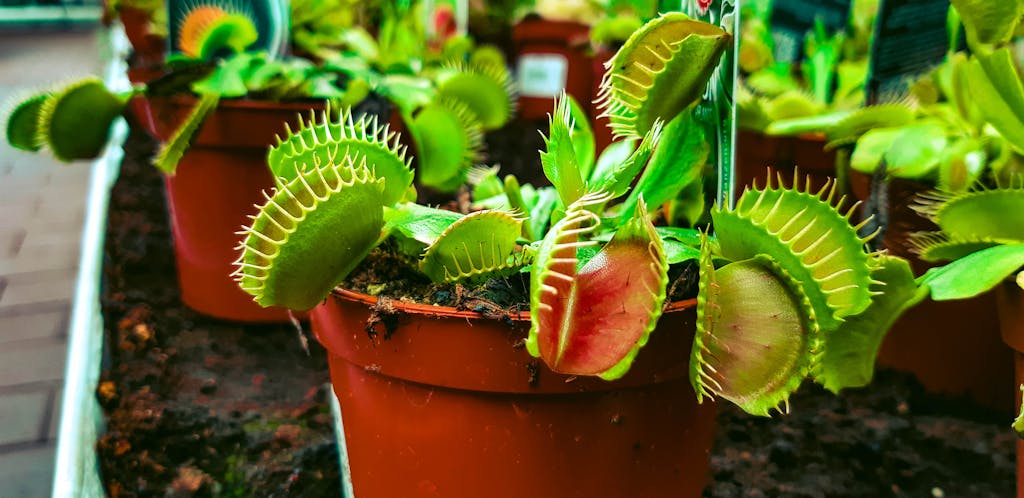
The Venus Flytrap (Dionaea muscipula) is one of the best-known carnivorous plants. It catches prey with special leaves that snap shut when they come into contact with prey.
The trap contains tiny hairs, and if an insect touches them twice, it closes in less than a second. The Venus Flytrap then releases enzymes to digest its prey, relying on these nutrients to compensate for poor soil conditions.
Rafflesia arnoldii

Rafflesia arnoldii, known as the corpse flower, is renowned for its strong odor resembling rotting meat. This scent attracts flies and beetles that assist in pollination.
Even though it is a plant, Rafflesia lacks leaves, stems, or roots and cannot make its own food. It lives as a parasite on other vines. Its flower can grow over three feet wide, making it the largest single flower in the world.
Hydnora africana
Hydnora africana is an unusual plant that spends most of its life underground. Its flower emerges above the soil, featuring thick, fleshy structures and multiple openings.
It is a parasite that feeds on the roots of nearby plants, especially those in the buckthorn family. Hydnora is interesting because it emits a foul odor like rotting meat, which attracts dung beetles to pollinate it. This plant is a hidden wonder, spending most of its time underground.
Welwitschia mirabilis
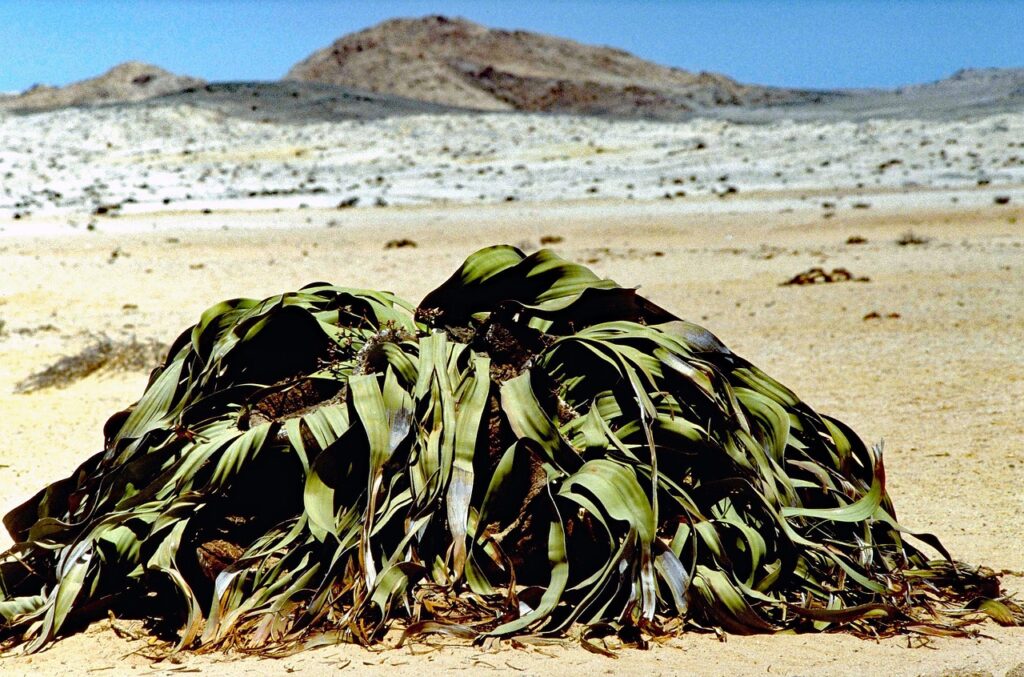
Welwitschia mirabilis is a unique desert plant that grows in the harsh conditions of Namibia and Angola. The plant consists of only two leaves that grow continuously throughout its lifespan, which can exceed 1,000 years.
These leathery leaves often appear torn and shredded due to harsh desert winds. The plant has a woody, hollow stem and a deep root system to access water. Despite its simple appearance, Welwitschia is a remarkable survivor in one of the Earth’s driest regions.
Sundew
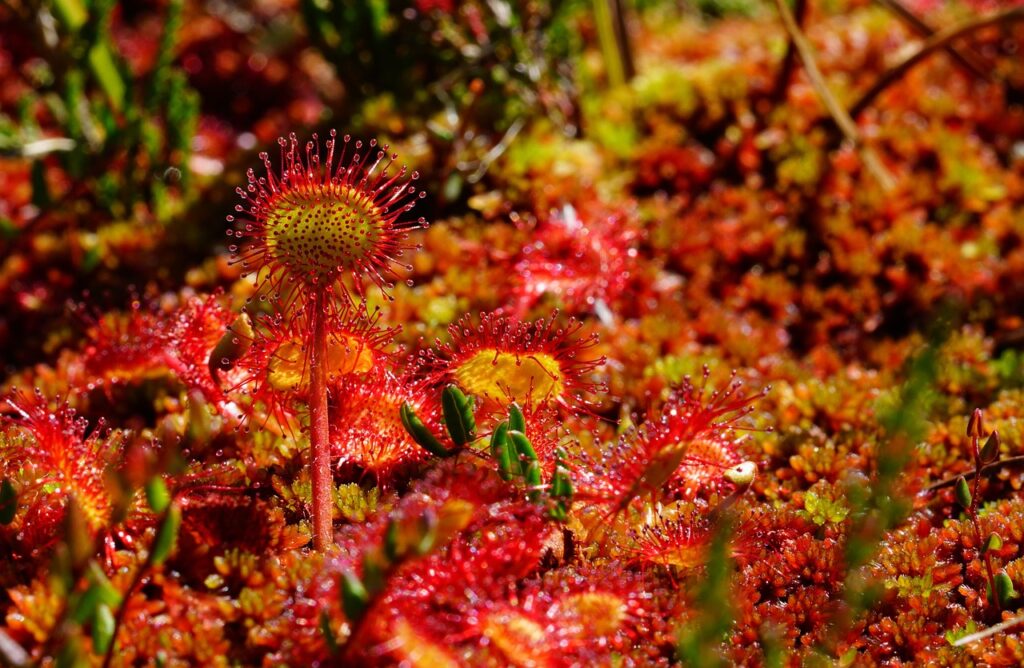
Sundews (Drosera) are carnivorous plants recognized for their glistening, sticky tentacles that trap and digest small insects. Found worldwide, they are especially effective at capturing flies, ants, and other insects that approach their tentacles.
The plant uses sweet nectar to attract prey. When an insect touches the tentacles, the plant wraps around it and secretes digestive enzymes. Sundews are both beautiful and deadly, making them popular among plant enthusiasts.
Conclusion
These five remarkable plants highlight the diversity of the plant kingdom, from unusual flowers with strong odors to carnivorous species that trap prey. Their unique appearances, behaviors, and survival strategies exemplify nature’s creativity. Continued exploration of the world’s flora reveals even more species that challenge our understanding of the natural world.