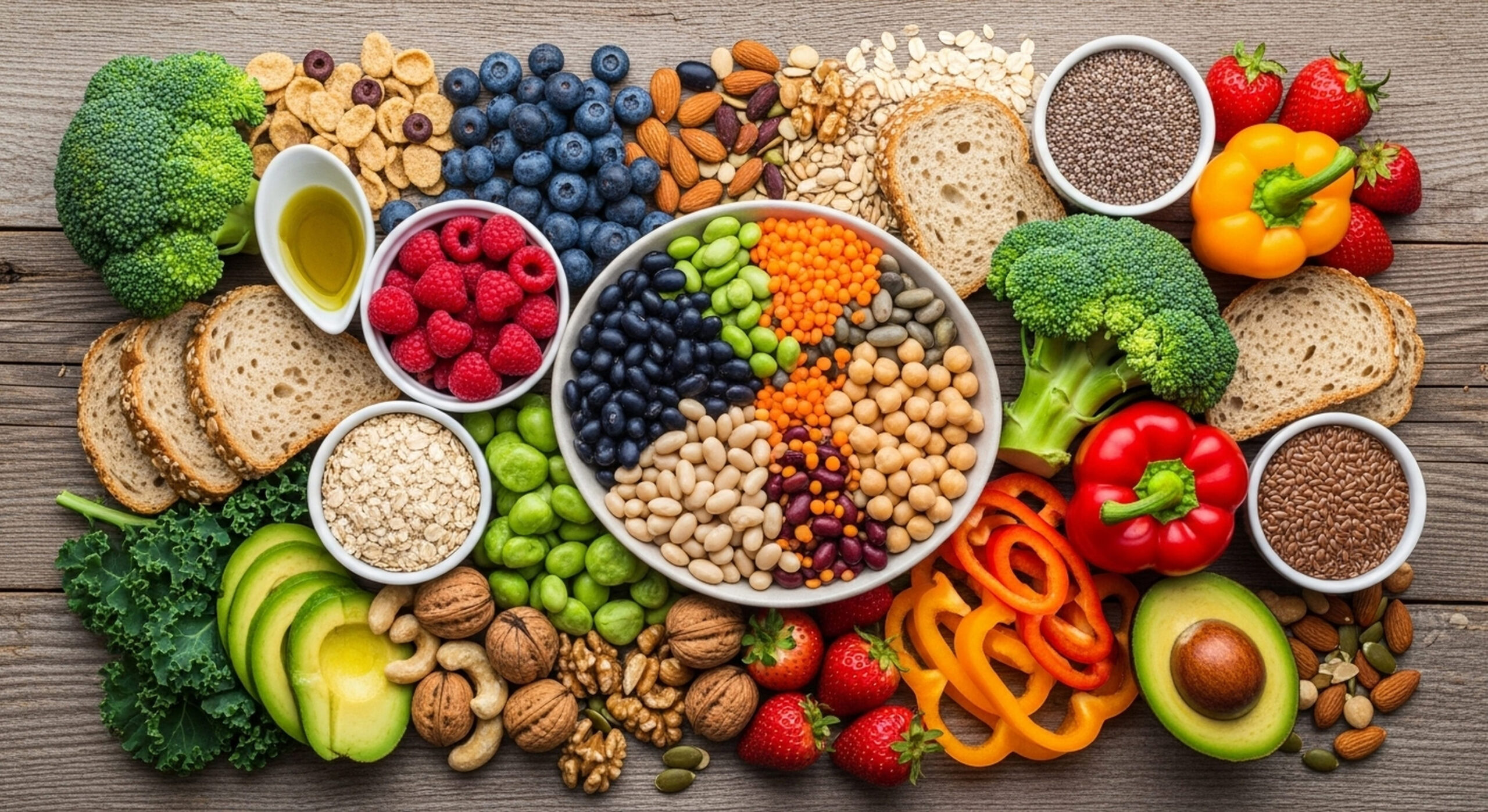
Organic food is often marketed as the healthier choice. Still, not every item on the market truly demands the organic label. For many foods, opting for conventional versions can save you a significant amount of money without sacrificing health, taste, or safety. In this article, we’ll explore the foods that don’t need to be organic and why you can confidently make the switch without any negative impact on your well-being.
Avocados

Avocados are often placed on the Clean Fifteen list, meaning they contain minimal pesticide residues. The thick, inedible skin of avocados is the main barrier between the flesh and potential pesticides, making organic less essential. You can feel confident choosing conventional avocados, which are just as nutritious and safe to eat, all while saving yourself the cost of the organic version.
Furthermore, the environmental impact of conventionally grown avocados is relatively low, and studies have shown that they contain only trace amounts of pesticides. So, why pay the premium for organic when conventional avocados are just as healthy? Save your money for more pesticide-prone produce, like berries, where organic really makes a difference.
Sweet Corn
Sweet corn, like avocados, benefits from its thick husk, which offers a natural barrier against pesticides. The husk shields the kernels from harmful chemicals, meaning there’s less need to purchase organic varieties. In fact, corn is often ranked low in pesticide residues, making it a safe option even when grown conventionally.
With conventional sweet corn, you’re getting the same sweet, tender kernels without the added cost of organic certification. Plus, the environmental impact of conventional corn is generally lower than that of organic alternatives, which makes it a smart choice for budget-conscious shoppers.
Eggs
Eggs are an essential part of many diets. Still, organic eggs don’t offer significant nutritional or safety benefits over conventional ones. While the organic label ensures that the hens were fed organic feed, it doesn’t guarantee better welfare standards or improved nutritional content. Given the price difference, choosing conventional eggs allows you to get the same benefits at a fraction of the cost.
In terms of health, both organic and conventional eggs are a good source of protein, healthy fats, and essential nutrients. Unless you’re specifically looking to support organic farming practices, sticking with conventional eggs can help you keep your grocery bill in check without compromising your diet.
Seafood

Seafood is a tricky category when it comes to organic labels. There is no universally accepted organic standard for seafood, so organic seafood is not much different from conventionally farmed or wild-caught options. Without specific guidelines in place, the “organic” label on seafood can be misleading and isn’t necessarily an indicator of better quality or sustainability.
Instead of focusing on organic certification, choose sustainably sourced seafood from trusted brands. Wild-caught options, or those with sustainability certifications, are a better way to ensure you’re getting the highest quality without paying extra for organic labeling that doesn’t offer substantial benefits.
Quinoa
Quinoa is known for its natural pest-resistant properties, which means it requires little to no pesticide use. As a result, conventional quinoa generally contains minimal pesticide residues, making organic certification less necessary. With quinoa, you’re getting the same nutritional benefits from the conventional version without paying a higher price for organic certification.
Furthermore, quinoa’s natural resistance to pests reduces the need for pesticides, making it just as safe and nutritious as organic quinoa. Choosing the conventional option allows you to enjoy all the benefits of this superfood without the organic price tag.
Asparagus

Asparagus is another vegetable that doesn’t require an organic label to be safe to consume. It tends to have low pesticide residue levels even when grown conventionally, making organic certification unnecessary. Conventional asparagus is just as healthy, with the added bonus of being more affordable than its organic counterpart.
Additionally, asparagus has natural resistance to many pests, further reducing the need for pesticides in its cultivation. So, next time you’re at the store, you can confidently choose conventional asparagus and save money while still enjoying its many health benefits.
Spices
Spices are essential in most kitchens, but opting for organic versions may not offer significant advantages. In fact, studies have shown that organic spices don’t necessarily have lower contamination rates than conventional ones. Some organic spices have even been found to contain harmful substances, such as salmonella, making them no safer than their non-organic counterparts.
Since organic spices are often much more expensive, it’s wise to stick with the conventional options. You’ll get the same flavors and benefits without the extra cost, making conventional spices a smart and affordable choice for your kitchen.
Cabbage
Cabbage, like other cruciferous vegetables, naturally resists pests, making it a low-risk crop for pesticide residues. Whether you choose organic or conventional cabbage, the nutritional benefits are essentially the same. Since conventionally grown cabbage is usually just as healthy, buying the organic version may not be worth the extra money.
In addition to its nutritional value, cabbage is versatile and can be used in many dishes, from coleslaw to soups. Opting for the conventional variety allows you to enjoy cabbage’s health benefits without breaking the bank.
Bell Peppers

Bell peppers, with their thick skin, are another vegetable that doesn’t require the organic label. The skin acts as a protective barrier against pesticides, meaning the risk of pesticide absorption into the edible part of the pepper is minimal. Conventional bell peppers are a safe, budget-friendly option that doesn’t compromise on quality or flavor.
Since bell peppers are often grown with fewer pesticides, the benefits of buying organic are minimal. Stick with the conventional version to save money while still enjoying the same health benefits, from vitamins to antioxidants.