In the wild world of nature, there are few feats more mind-boggling than the ability to change biological sex. Imagine being born one gender, only to later transform into the other. This unusual and fascinating ability, known as sequential hermaphroditism, is a strategy many species have evolved to ensure survival and reproductive success.
Whether it’s the lack of mates or the social structure of the species, some animals have found clever ways to adapt to their environment by switching sexes. Let’s dive into 10 incredible creatures that can change their sex, revealing how this trait allows them to thrive in the wild.
Clownfish
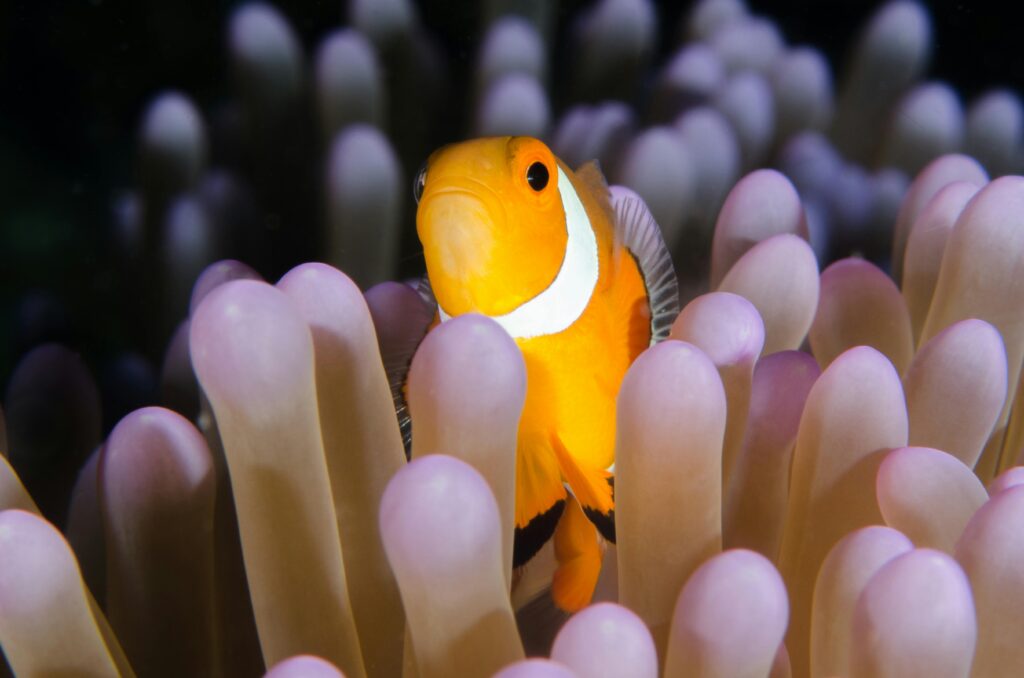
If you’ve ever watched the beloved movie Finding Nemo, you’re already familiar with the clownfish. But did you know these little orange fish are born male and can become female if needed? In their social structures, the largest fish in the group becomes the dominant female, and the next-largest is the breeding male.
When the female dies, the dominant male transforms into the new female, ensuring the breeding pair stays intact. This is nature’s way of making sure reproduction can continue in tight-knit communities like those of clownfish. It’s a perfect example of adaptive reproduction that ensures survival.
In clownfish groups, the role reversal isn’t just about reproduction; it’s essential for maintaining a functional social structure. The male-to-female sex change ensures that mating pairs are always in place, preventing the collapse of the social order and guaranteeing the survival of the group.
Wrasse Fish
In the world of wrasse fish, the social hierarchy controls sex change. These fish are born as females, but when the dominant male disappears, the largest female switches sex and becomes the new male. Imagine being the queen bee of a hive, but suddenly becoming the king!
This transformation not only ensures that mating can continue, but it also helps maintain the social structure of the group. Wrasses demonstrate a sophisticated balance of sex and hierarchy, adapting quickly to the absence of a breeding partner.
Wrasses can switch sexes multiple times during their lifetimes, ensuring the ecosystem never lacks a functioning male. This feature allows them to maintain a balanced population and adapt to social changes rapidly. It’s a survival mechanism that gives these fish flexibility in a competitive, ever-changing underwater world.
Hawkfish
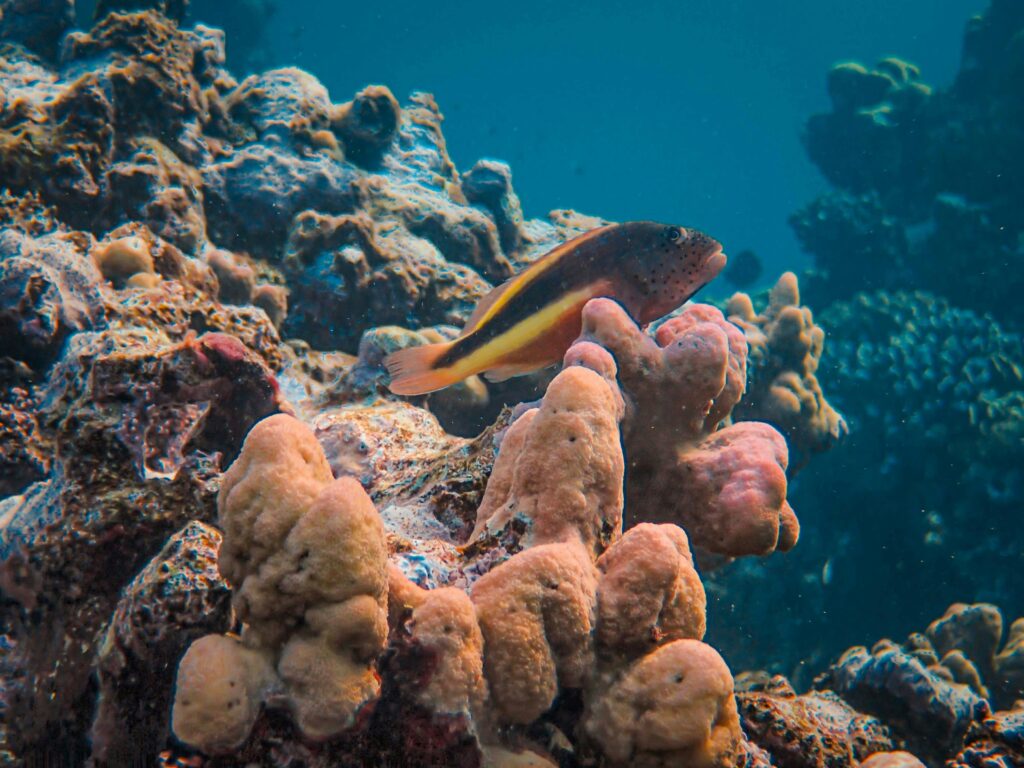
Hawkfish take the idea of sex-switching to another level. Unlike other animals, hawkfish can change sex both ways, from female to male and back again. This rare ability gives them immense flexibility, ensuring that if their social group changes, they can adjust to maintain a balanced breeding system. Imagine switching your role from the primary caregiver to the dominant mate and back when needed. Hawkfish are living examples of the complexities of nature’s social structures.
This dual switching ability is particularly useful in reef environments where competition for mates can be fierce, and the availability of partners can fluctuate. It gives hawkfish an edge in maintaining their population’s stability, even if environmental or social pressures change.
Black Sea Bass
When it comes to the black sea bass, if there aren’t enough males in the population, females can change into males, allowing the breeding cycle to continue. This remarkable adaptation is vital in ecosystems where male fish are scarce or over-hunted. The change happens gradually, with hormonal changes triggering the physical transformation from female to male. This isn’t just a survival tactic; it’s a calculated move that ensures the future of the species.
In these environments, the ability of black sea bass to transform is crucial. By becoming male, a transformed individual immediately becomes the dominant breeder, maintaining a sustainable population size. This reproductive flexibility is a direct response to both the social structure and the pressures of the sea, allowing these fish to survive even when conditions aren’t ideal.
Bearded Dragons
Unlike the previous examples, bearded dragons don’t change sex once born. Instead, temperature during egg incubation determines whether they are male or female. Higher temperatures tend to produce females, while cooler temperatures produce males. Some genetically male embryos, however, can become females if incubated at certain temperatures. This temperature-dependent sex determination enables the species to adapt to environmental changes and ensures the population remains viable.
This form of sex determination is a fascinating example of how environmental factors can influence gender roles. In extreme climates or with fluctuating temperatures, the ability to alter sex development helps ensure that there are enough males and females to maintain the population’s balance.
Humpy Shrimp
For the humpy shrimp, the sex change is a one-way street. These shrimp are born male and, as they grow, they become females. The shift occurs at a certain age, making it beneficial for them to transition into a female role for reproduction. This change allows the species to adapt to its environment, ensuring a healthy reproductive system, especially in the absence of females.
By transitioning to females as they grow, humpy shrimp ensure that their populations continue to thrive, even when environmental factors might limit the number of females. This allows them to maintain stable breeding pairs and optimize the group’s reproductive output.
Green Frogs
Green frogs, like many amphibians, are capable of changing sex under certain environmental conditions. This process isn’t as common as it is in fish, but it does happen, particularly when environmental factors like pollution, stress, or hormonal imbalances come into play. Green frogs represent another example of how environmental pressures can directly influence sex determination.
This adaptability illustrates how external stressors can influence reproductive strategies. When facing challenges such as limited resources or habitat changes, green frogs can change sex to maximize their chances of successful reproduction. This flexibility ensures that the species continues to thrive, even under harsh conditions.
Pacific Oysters
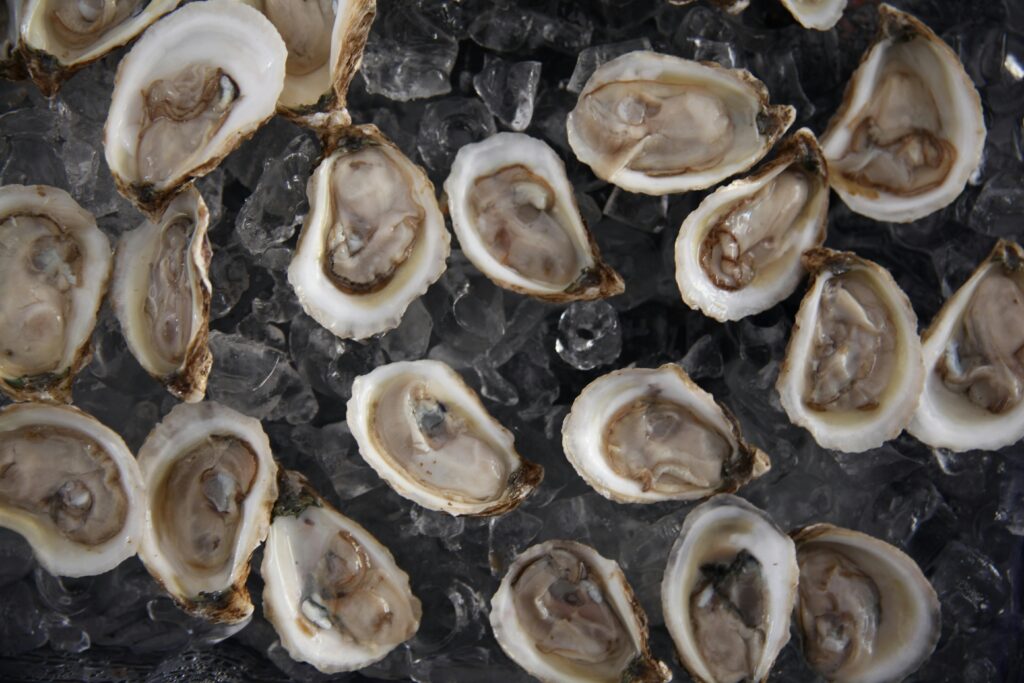
Pacific oysters are perhaps the most versatile sex-changers of the bunch. These creatures have a fascinating reproductive strategy: they can change sex at will. Some oysters are born male, then become female as they grow, while others do the opposite.
They can even switch between being male and female depending on environmental factors and the needs of the population. Their adaptability makes them incredibly resilient in the wild, and it’s an example of nature’s flexibility.
This ability to switch sex in response to population needs is an excellent example of nature’s adaptability. By ensuring that there are always enough males and females, Pacific oysters can adjust to environmental changes, ensuring their species’ survival in diverse conditions.
Swamp Eels
Swamp eels have a strategy where all individuals begin as females, but as they mature, some undergo a sex change to become males. This shift ensures the population maintains an adequate male-to-female ratio. Without this adaptive mechanism, the swamp eel population could face reproductive challenges, particularly in isolated environments where mating opportunities are limited.
This ensures that swamp eels always have a balanced breeding population. Whether there are too few males or too many females, these eels can adjust accordingly, ensuring that the species can always find a mate and reproduce successfully.
Starfish
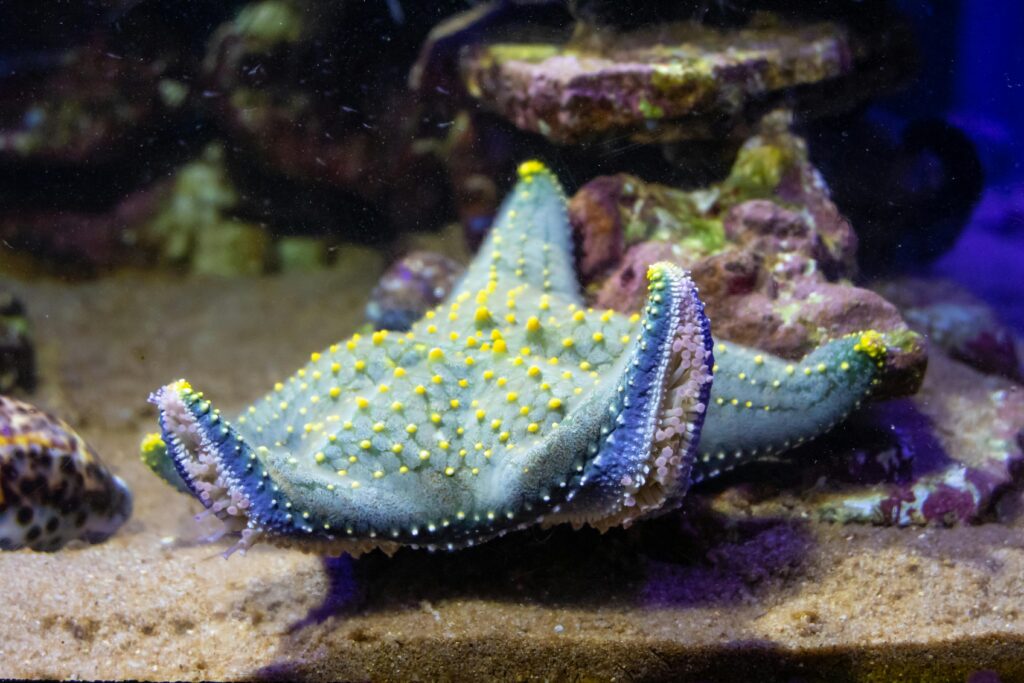
Starfish also follow a similar pattern. Many species start life as males but transition into females as they grow and mature. The change occurs as part of the organism’s natural life cycle and is triggered by factors like body size and age. This ability ensures that the population remains balanced, with enough females to mate with the available males.
For starfish, switching from male to female based on growth is crucial for maintaining an effective mating system. As they grow larger, their sex change ensures that there are always enough females to continue the reproductive cycle, maximizing their chances of passing on genes.