Imagine a world where the rules of biology don’t apply. A world where an animal can flip between genders, all to ensure its species’ survival. It sounds like science fiction, but for these 9 animals, it’s their reality. From fish to reptiles, these creatures have evolved the extraordinary ability to change their sex in response to their environment, social dynamics, or even their size.
Why does it happen, and what does it mean for the future of these species? This article dives deep into the fascinating world of sex-changing animals, animals that defy the natural order, making us question everything we thought we knew about biology.
Starfish
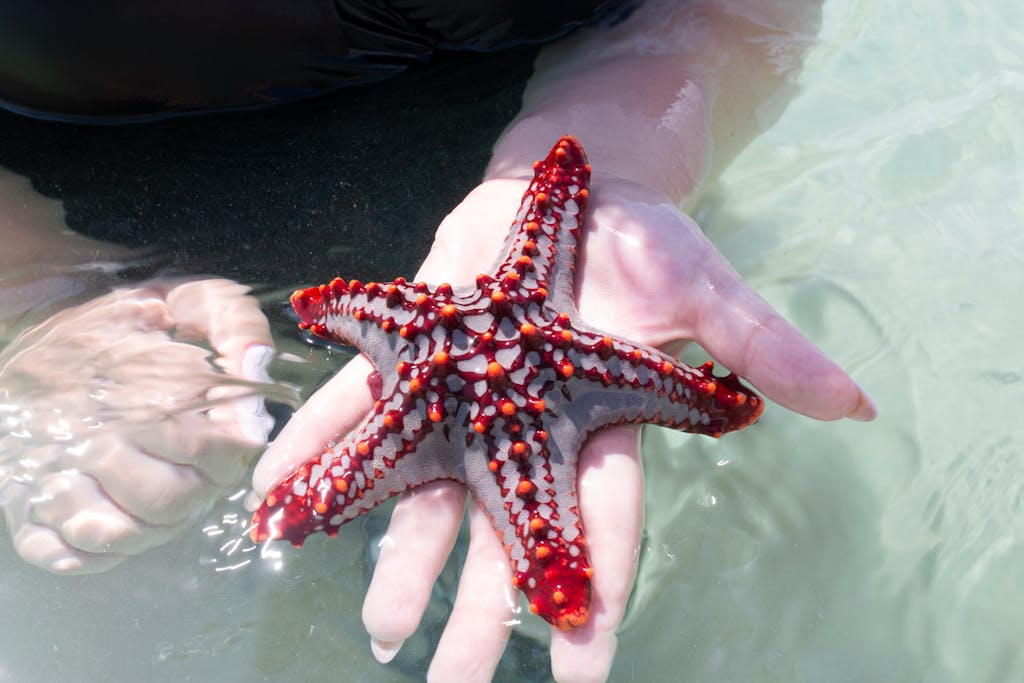
Starfish, particularly the starlet cushion star (Asterina gibbosa), are a fascinating example of sex change in the invertebrate world. These echinoderms begin life as males but can transition to females once they reach a certain size. This change occurs with remarkable precision, and scientists can predict when a starfish will change sex simply by measuring its diameter. This size-based sex allocation ensures that smaller starfish contribute sperm, while larger ones maximize their reproductive potential by producing eggs.
Wrasse Fish
Wrasse fish, especially the bluehead wrasse, take the concept of sex change to an entirely new level. These fish are protogynous hermaphrodites, meaning they begin life as females and can quickly transform into males when necessary. This change is triggered by the absence of the dominant male in the group. Within just 8 to 10 days, the largest female transforms her ovaries into testes, becomes more colorful, and starts displaying male behaviors. This ability enables the species to maintain social order and reproductive opportunities in a dynamic, rapidly changing environment.
Clownfish

Clownfish, famously featured in the movie Finding Nemo, are among the most well-known animals capable of changing sex. These fish are protandrous hermaphrodites, meaning they begin life as males but can transform into females. In their tight-knit social structure, there is always a dominant female paired with a male. If the female dies, the largest male undergoes a sex change and assumes her role, ensuring the anemone colony maintains a breeding pair. This quick transition allows the colony to maintain reproductive success even in the face of loss.
Black Sea Bass
Black sea bass is another species in which sex change is triggered by environmental factors. These fish typically begin life as females; when they encounter a shortage of males, they transition into males. This transformation is slower than that seen in other species, as it involves the development of intersex characteristics before fully becoming male. This adaptation is thought to be a survival mechanism, allowing the species to maintain a balanced sex ratio and continue reproducing, even in challenging conditions.
Humpy Shrimp
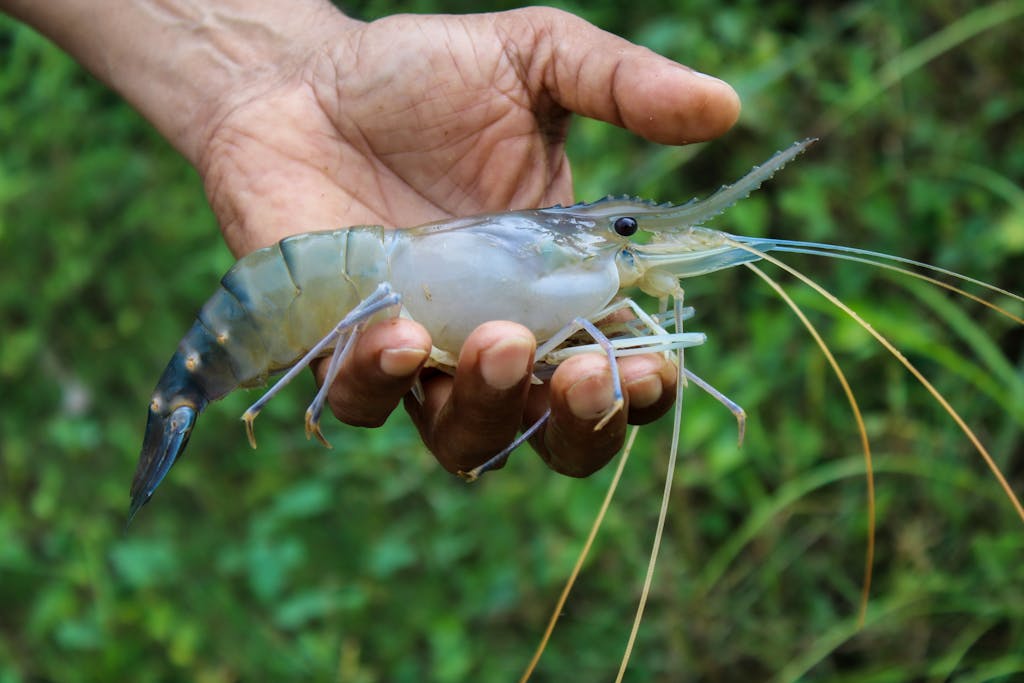
Humpy shrimp, a species of crustacean, change sex based on their size. Initially, they are males, but as they grow larger, they switch to females. This change aligns with their reproductive strategy, as smaller males can produce sperm with minimal energy expenditure, while larger females have the physical capacity to produce more eggs. This size-based sex change strategy ensures that humpy shrimp optimize their reproductive potential at each growth stage.
Hawkfish
Hawkfish are another remarkable species that can flip their biological sex, but what sets them apart is their ability to do so multiple times throughout their lives. Starting life as females, they can change to males when social structures shift, especially in a harem with an overburdened male.
However, if the male loses his status, the newly formed male may revert to female, displaying extraordinary sexual plasticity. This unique ability to switch both ways ensures that hawkfish can continuously adapt to their social and environmental surroundings, maintaining a balance within their group.
Green Frogs
Green frogs are amphibians capable of altering their sex in response to environmental cues. Although initial studies suggested that pollution may be influencing these changes, further research has shown that these sex changes occur naturally in healthy environments as well. Temperature shifts and changes in population dynamics appear to be key drivers of these alterations. This adaptability in green frogs is an evolutionary trait that allows them to adjust their reproductive strategies to optimize survival across different conditions.
Bearded Dragons
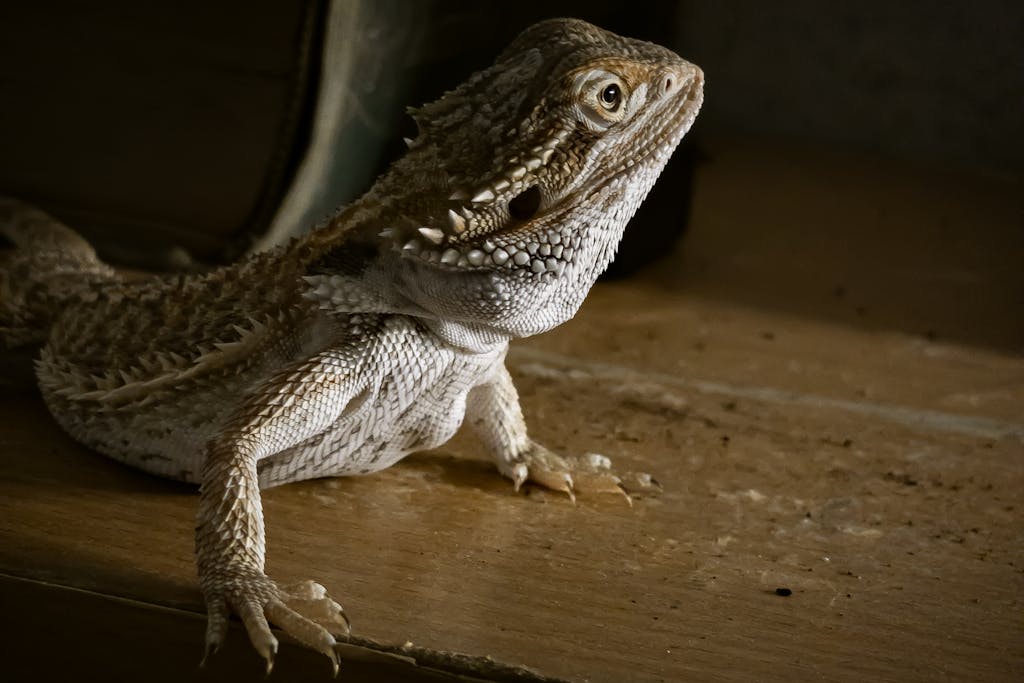
In the world of reptiles, bearded dragons are a prime example of how environmental conditions, such as temperature, can influence sex determination. These lizards start out with a genetic male makeup, but when incubated at higher temperatures, their embryos develop as females. This phenomenon is unique because temperature-induced sex determination allows populations to adapt to fluctuating environmental conditions. Interestingly, these temperature-converted females often have a higher reproductive output than their genetic counterparts, contributing to the species’ resilience.
Pacific Oysters
Pacific oysters are true reproductive opportunists. These marine creatures can switch sexes multiple times throughout their lives, often becoming male when young and transitioning to female as they grow larger. Some oysters even function as simultaneous hermaphrodites, producing both eggs and sperm at the same time. Their sex-changing abilities are influenced by environmental factors like food availability, crowding, and age, making them one of the most flexible species in terms of sexual reproduction.
Conclusion
The ability of certain animals to change sex is a testament to nature’s remarkable adaptability. From clownfish to starfish, these species demonstrate how environmental, social, and biological factors can influence reproductive strategies in unexpected ways.
Whether it’s for maintaining social structures, responding to environmental pressures, or optimizing reproductive success, the ability to switch sex offers these animals a powerful tool for survival. As we continue to study these creatures, we uncover more about the intricate ways in which life on Earth has evolved to thrive under ever-changing conditions.