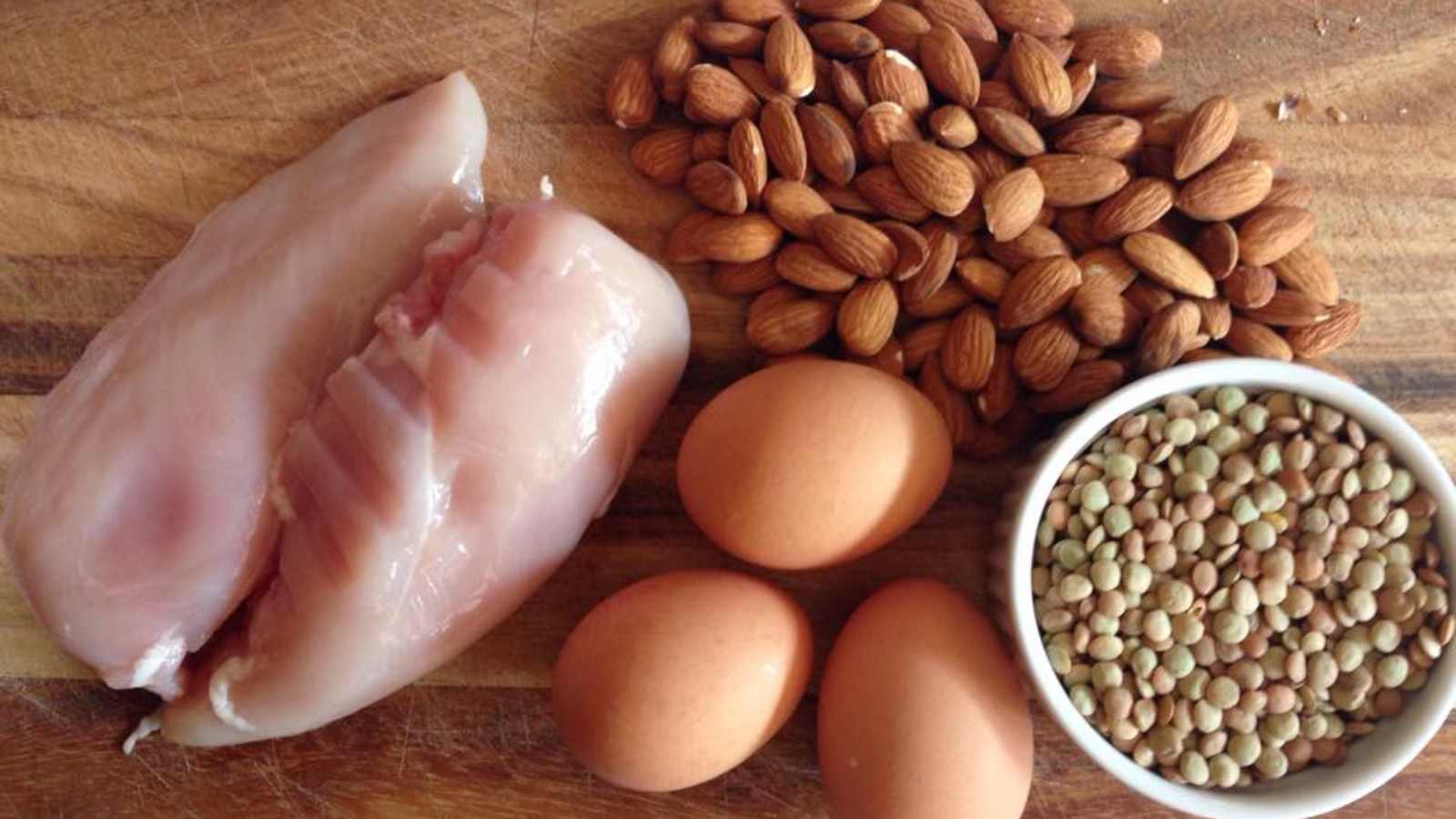
We all love to eat, but understanding that some foods carry hidden dangers can empower you to make safer choices. Recognizing toxins, bacteria, or parasites helps prevent health emergencies and promotes confidence in your food decisions.
Raw Shellfish
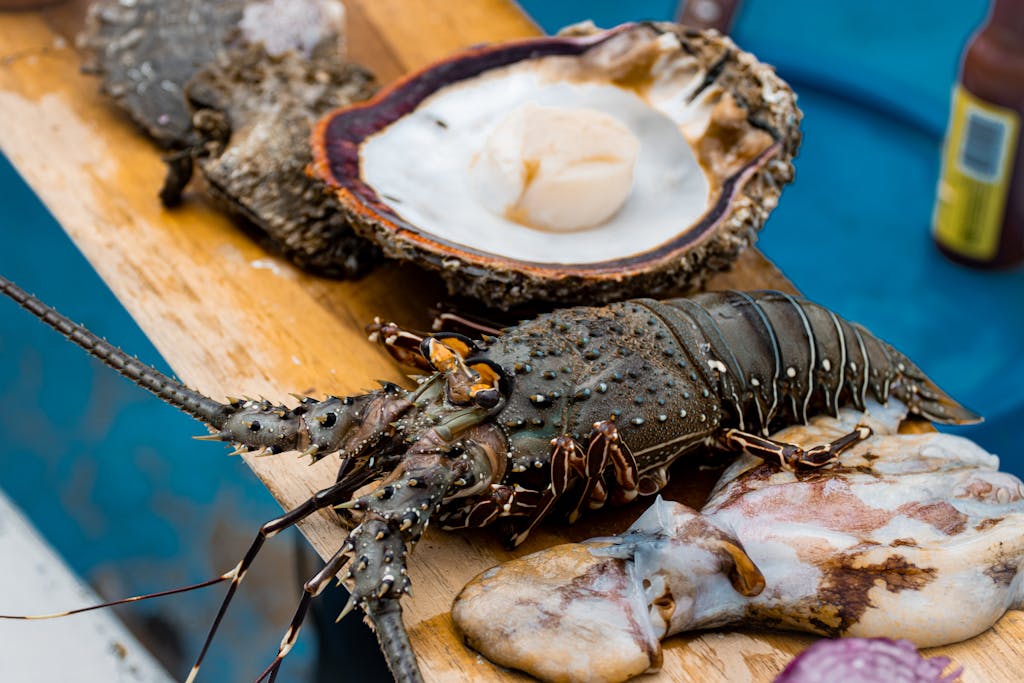
Oysters, clams, and mussels might seem like the ultimate fresh treat, but they can hide invisible dangers. Shellfish filter water as they feed, which can concentrate harmful toxins from algae blooms or harbor dangerous bacteria.
Eating them raw can trigger nausea, paralysis, or even life-threatening illness, depending on the toxins present. What looks like a luxury snack could quickly turn into an afternoon spent battling stomach pain.
Tropical Fruits With Hidden Toxins
Some tropical fruits look sweet, colorful, and inviting, but contain dangerous compounds in seeds or skins. A single bite can trigger nausea, dizziness, or neurological symptoms.
The danger is often invisible until it’s too late, turning what seems like a harmless, refreshing snack into a toxic surprise. Nature’s vibrant produce sometimes carries a hidden bite you’ll wish you’d avoided.
Undercooked Kidney Beans
Beans are everyday staples, but raw or undercooked kidney beans are surprisingly dangerous. They contain lectins, compounds that attack the gut lining and can cause severe vomiting and cramps.
A single bite of improperly boiled beans can ruin your day in a matter of hours. Patience in the kitchen is essential here; rushing preparation isn’t just risky, it’s potentially painful.
Raw Meat

Eating raw meat like steak tartare or carpaccio may feel daring and sophisticated, but the risks are real. Bacteria such as E. coli and Salmonella can lurk within, ready to wreak havoc on your digestive system.
Improper handling, storage, and preparation of raw meat can quickly turn a gourmet experiment into a prolonged battle with illness. What starts as a culinary adventure can end in days of regret, stomach pain, and hospital visits.
Pufferfish
Fugu, the infamous pufferfish, is considered a delicacy in Japan, but it comes with a literal risk of death. Its organs contain tetrodotoxin, a neurotoxin that can paralyze your breathing and stop your heart.
Only chefs with years of specialized training are allowed to prepare it, yet even a tiny slip can be fatal. Eating pufferfish isn’t just adventurous it’s high-stakes survival disguised as dinner, and the thrill might not be worth the gamble.
Raw Eggs
Raw eggs are common in shakes, sauces, and homemade desserts, but consuming them poses a risk of Salmonella. Even a single contaminated egg can cause fever, cramps, and dehydration.
Eating raw in bulk amplifies the danger, making it far more than a culinary thrill it becomes a gamble with your stomach and immune system.
Live Seafood

Eating live crabs, shrimp, or shellfish might sound like the ultimate freshness, but it comes with serious health risks. Parasites, bacteria, and toxins lurk in every wriggling bite, and what looks like adventure can quickly become a hospital visit.
It’s thrilling, but also a vivid reminder that freshness isn’t always safe and sometimes the rawest foods are the riskiest.
Venomous Fish
Some exotic fish carry venom in their spines or skin, which can cause extreme pain, swelling, and even systemic shock. Eating these fish without proper preparation or knowledge can transform a rare culinary experience into a medical emergency.
Their beauty and rarity disguise a lethal defense mechanism, making them a dangerous thrill for adventurous diners.
Wild Mushrooms
Foraging for mushrooms feels like a communion with nature, but the stakes are high. Some species are nearly identical to edible ones but contain deadly toxins capable of destroying your liver.
A single misidentification can turn a peaceful hike into a medical emergency. Beauty and familiarity aren’t guarantees of safety in the fungal world; the wrong cap can be fatal.
Cassava
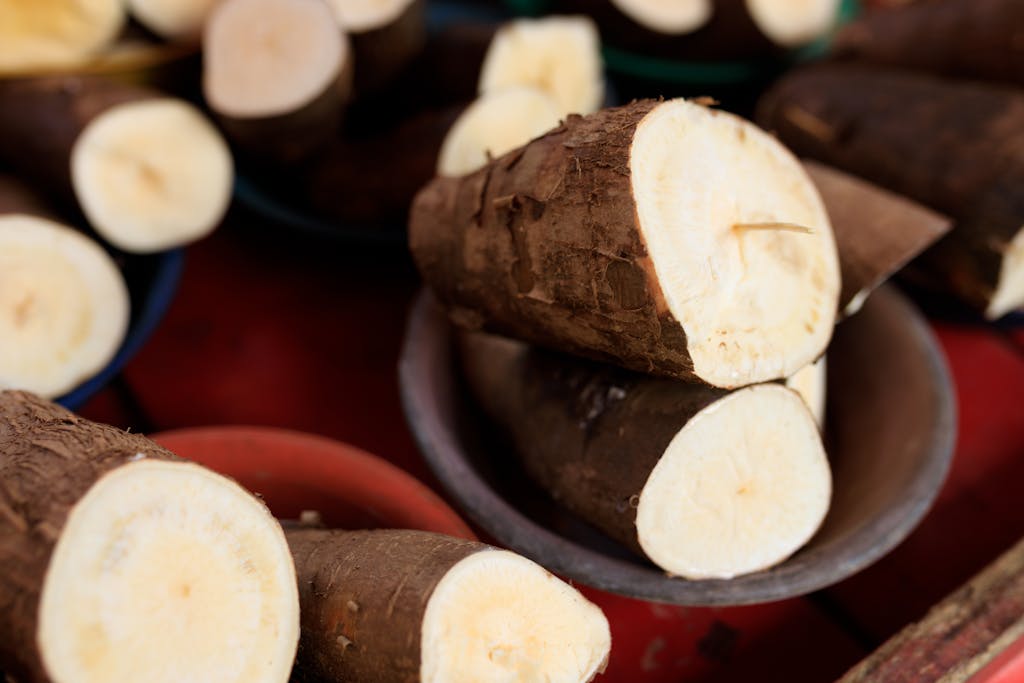
Cassava is a staple in many parts of the world, but it carries hidden cyanide if not prepared correctly. Certain varieties require careful soaking, fermenting, or cooking to neutralize the toxic compounds.
Shortcutting these steps can turn a humble root into a deadly trap. This is survival food, but only if you prepare it properly; otherwise, it could lead to serious illness.
Conclusion
Food is supposed to nourish and delight, but these examples prove that not everything edible is safe. Some meals carry invisible risks, toxins, or extreme preparation requirements that turn pleasure into peril.
Awareness, preparation, and caution are essential if you want your dining adventures to thrill rather than harm. The takeaway is simple: excitement is fine, but don’t let risk disguise itself as flavor. Some bites are better admired from afar than risked on your plate.