Love rarely disappears with a loud crash. More often, it leaves tiny footsteps in shorter replies, colder hugs, distracted eyes, and conversations that start to feel like hard work. We may feel it before we can explain it, because the heart often notices distance long before the mind accepts it.
When someone is quietly losing interest, they may not announce it clearly. They may still answer, still smile, still say they are busy, and still act close enough to keep us hoping. That is what makes it painful, because we are left reading the space between their words and wondering when warmth became something we had to chase.
They Stop Reaching Out Like They Used To
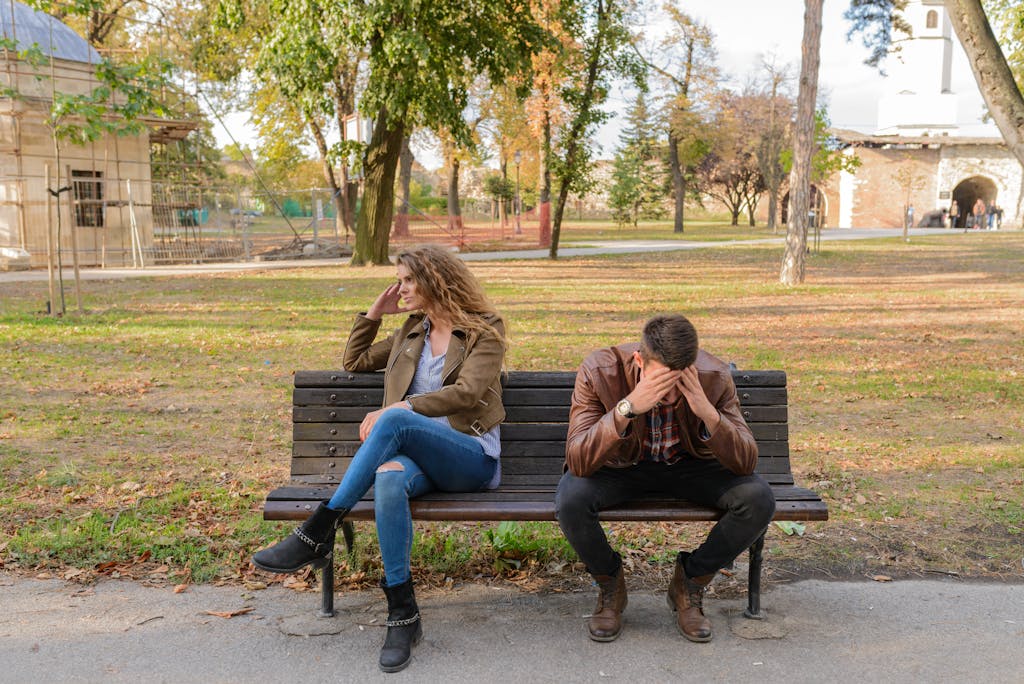
One of the clearest signs someone is quietly losing interest is the sudden drop in effort. We may notice that we are now the ones starting most conversations, sending good-morning texts, asking about their day, and trying to keep the connection alive. The relationship begins to feel less like a shared space and more like a room we keep entering alone.
At first, it is easy to excuse the change. We tell ourselves they are tired, stressed, distracted, or going through something private. Sometimes that may be true, but when the pattern continues, the silence starts speaking for them. Interest usually creates movement, so when someone stops moving toward us, we can notice the shift.
The painful part is not just that they text less or call less. It is that we can feel the emotional door closing slowly. A person who once looked for reasons to talk now seems comfortable letting hours, days, or even longer periods pass without contact.
Their Replies Become Short, Dry, and Emotionless
When someone still cares deeply, their replies usually carry some kind of life. They ask questions, react to what we say, add details, or show that they are emotionally present. When interest begins to fade, the conversation may shrink into short answers like “okay,” “nice,” “cool,” or “I see.”
These replies may look harmless on the surface, but they can feel cold when they replace the warmth that used to be there. We may send a thoughtful message and receive a response that feels as if it were written with one hand and half a heart. Over time, the conversation stops flowing and starts limping.
This can become emotionally exhausting because we begin performing for a reaction. We try to be funnier, softer, more interesting, or more understanding, hoping to bring back the version of them that once responded with excitement. But forced conversation is often a sign that the connection is no longer being fed from both sides.
They No Longer Ask Meaningful Questions About Your Life

Interest is not just about affection. It is also about curiosity. When someone is emotionally invested, they want to know what is happening in our world, how we feel, what we are thinking about, what hurts us, what excites us, and what we are hoping for next.
When that curiosity disappears, the relationship can begin to feel strangely lonely. We may share something important and realize they don’t follow up at all. We may mention a stressful situation, a personal win, or a fear we are carrying, and they respond as though we are giving them background noise instead of pieces of our heart.
A person who has lost interest may still listen, but they stop leaning in. They stop remembering the details. They stop asking the kinds of questions that make us feel seen. That absence can hurt deeply because being loved is not only about being wanted but also about being known.
They Spend More Energy Elsewhere
When someone is quietly losing interest, we may see their energy return everywhere except in the relationship. They may be active with friends, lively online, excited about other plans, and full of personality around others, but dull, tired, or distracted with us. That contrast can be especially painful.
The issue is not that they have a life outside the relationship. Healthy love does not require constant attention. The issue is that we become the place where their effort dies, while everyone else receives the version of them we miss.
This can make us question our worth, but we should be careful not to blame ourselves too quickly. Their fading effort says more about their emotional availability than our value. We can love someone deeply and still recognize when we are no longer being met with the care we deserve.
They Seem Irritated by Things They Once Found Sweet

One painful sign of fading interest is when our normal habits suddenly become annoying to them. The jokes they once laughed at now get a flat look. The little messages they once called cute now seem to bother them. The affection they once welcomed now feels like something they tolerate.
This shift can leave us confused because we may not have changed much. What changed is their emotional lens. When someone is interested, they often see our quirks with softness, but when interest fades, those same quirks may start to feel like interruptions, demands, or flaws.
We should pay attention when warmth turns into impatience. Everyone gets irritated sometimes, especially during stress, but repeated irritation can reveal emotional distance. When someone is quietly pulling away, they may not say “I am losing interest,” but their tone may start saying it every day.
They Avoid Making Future Plans
A person who still sees us in their life usually makes room for the future. It does not always have to be dramatic or serious, but there is usually a sense of “we.” We hear it in small plans, casual ideas, future dates, shared goals, or simple comments about doing something together later.
When someone is losing interest, the future becomes blurry. They may avoid committing to plans, change the subject when we bring up something in advance, or keep everything vague. Words like “maybe,” “we’ll see,” and “I’m not sure yet” may begin to appear more often than actual effort.
This hurts because planning is one way people show emotional investment. We do not need someone to map out an entire life with us overnight, but we do need to feel that they are not treating us like a temporary option. When the future disappears from their language, we may need to ask ourselves why.
Physical Affection Starts Feeling Forced or Rare

Physical affection often reflects emotional closeness. A hug can say, “I missed you.” A touch on the arm can say, “I am here.” Sitting close can say, “I feel safe with you.” When those gestures begin to fade, the relationship may start to feel colder, even if nothing has officially ended.
Someone losing interest may pull away from touch, avoid closeness, or seem less comfortable with affection. They may still be physically present, but their body feels distant. We may sit beside them and still feel an invisible wall between us.
This does not always mean the relationship is doomed, because stress, sadness, health issues, or personal struggles can affect affection. Still, when emotional and physical distance coexist, the message becomes harder to ignore. A loving connection needs tenderness, and when tenderness disappears, the heart notices.
Your Gut Keeps Telling You Something Has Changed
Sometimes the strongest sign is the one we keep trying to silence. We may not have a single piece of definitive proof, but we feel the difference. The energy has changed, the warmth has thinned, and the connection feels like something we are holding together with both hands.
Our gut is not always perfect, but it often collects details before we can name them. It notices delayed replies, distracted eyes, missing affection, weaker effort, and the quiet grief of feeling less important than before. When we keep feeling anxious, unwanted, or emotionally confused, those feelings deserve attention.
We should not build a whole conclusion from fear alone, but we also should not ignore a repeated emotional pattern. If something feels off for a long time, it is worth having an honest conversation. Love should not require us to live in constant uncertainty.
Conclusion
Losing someone slowly can hurt more than a clean goodbye because it keeps hope alive just long enough to bruise us. We keep waiting for the old versions of them to return, replaying the sweet moments, and wondering what we did wrong. But love should not feel like standing outside a locked door, trying to convince someone to let us back into a place we once belonged.
We deserve a connection where effort does not feel one-sided, affection does not feel scarce, and communication does not feel like a test. If someone is quietly losing interest, we can face the truth with courage, even when it hurts. Sometimes the most loving thing we can do for ourselves is stop chasing fading warmth and make room for a love that reaches back.