Food fuels life, but some ingredients have powers that extend far beyond the plate. From home repairs to beauty hacks, certain foods transform into practical tools in unexpected ways. We explore ten inventive uses for common foods that prove their versatility stretches well past the kitchen.
Ramen Noodles for Emergency Sink Repairs
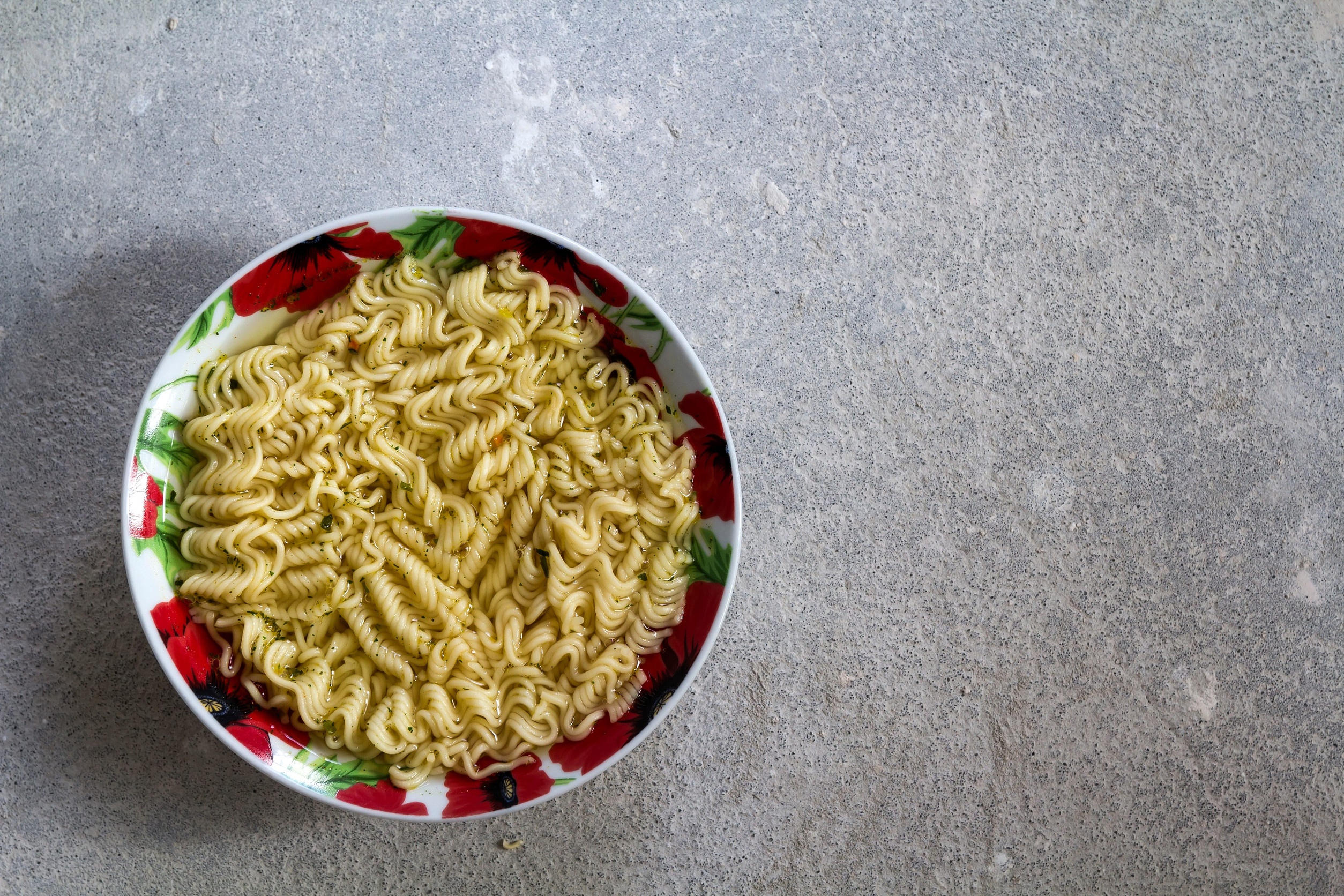
Accidental chips in bathroom sinks can ruin the aesthetic, but surprisingly, ramen noodles offer a quick fix. By crushing dry ramen and adding water to soften, the noodles can be molded into the damaged area. After drying, sanding, and painting, the repair blends seamlessly, making a makeshift yet effective porcelain patch.
The starch in the noodles acts as a binding agent, providing structure that holds until the paint seals the finish. While unconventional, this hack demonstrates that even inexpensive pantry staples can creatively solve household emergencies.
Egg Yolks as Natural Hair Conditioner
Eggs are a nutritional powerhouse, but egg yolks also excel as a deep hair treatment. Whisked with olive or baby oil and diluted with lukewarm water, the mixture nourishes and strengthens strands. Applied post-shampoo and left for a few minutes, it restores shine, softness, and manageability.
Proteins and fats in yolks penetrate hair shafts, replenishing moisture and repairing minor damage. This natural approach avoids harsh chemicals while providing salon-quality results with minimal effort.
Flour to Polish and Shine Steel Surfaces
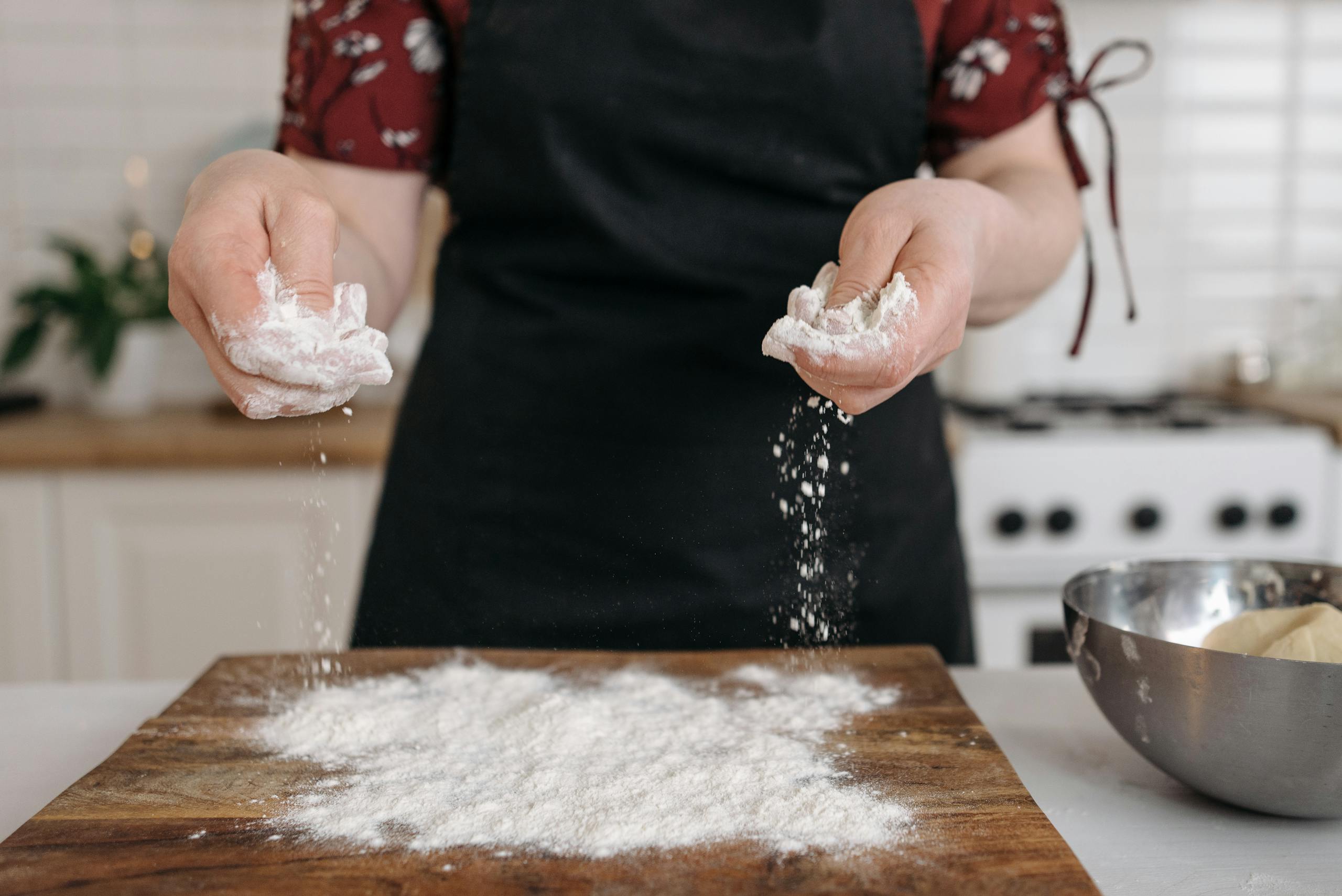
Flour isn’t just for baking; it can revive dull steel appliances. By rubbing a clean, dry rag coated with flour over stainless steel surfaces, then scrubbing, a noticeable shine emerges. Wiping away the excess flour reveals polished metal that gleams like new.
The technique uses mild abrasion to remove grime and restore luster without harsh chemicals. From sinks to utensils, flour provides an accessible and safe way to maintain steel in kitchens and workshops.
Sugar and Baking Soda to Create Black Snake Fireworks
For backyard fun, sugar and baking soda can produce Black Snake-style fireworks. Layering sand, sugar, and baking soda, then igniting with a controlled flame, triggers a chemical reaction.
Carbon dioxide released from the baking soda, combined with burning sugar, creates a twisting, expanding black residue resembling a crawling snake.
This hands-on experiment demonstrates simple chemical principles and offers entertainment without traditional fireworks. Safety precautions, such as using metal containers and maintaining distance, are critical to enjoying this chemical display responsibly.
Milk for Repairing Cracked China
A hairline crack in fine china can be mended using milk’s proteins. Submerging the broken piece in heated milk for about an hour allows proteins to seep into the crack and bond as it cools. The result is a repaired surface that blends with the original ceramic.
This method utilizes natural bonding agents without adhesives or synthetic fillers. It provides a gentle solution for restoring heirloom dishes while demonstrating milk’s versatility beyond its nutritional value.
Green Apples to Relieve Headaches

The aroma of green apples, particularly Granny Smiths, can reduce headache severity. Studies indicate that the fresh, tangy scent alleviates migraine discomfort in a subset of sufferers. Keeping an apple nearby or inhaling its fragrance can act as a natural, calming remedy.
This technique emphasizes olfactory influence on wellness, showing that the sensory qualities of food can have direct therapeutic effects. It also offers a simple, accessible approach to mitigating headaches without pharmaceuticals.
Moonshine as Alternative Fuel
High-proof moonshine functions similarly to ethanol-blended gasoline. Ethanol content allows certain vehicles to operate on distilled corn liquor, providing an emergency or cost-effective fuel source. Proper distillation and proofing are essential to maintain engine safety and performance.
While legal and safety considerations are paramount, this unconventional use highlights how fermentation and chemical properties of food-based liquids can substitute for industrial fuels.
Banana Peel for Polishing Silver
Tarnished silver jewelry regains its shine with banana peel. By blending the peel into a paste with water and applying it to silver, oxidized layers lift away. Rinsing and drying restore luster, offering a non-toxic alternative to commercial polishes.
Potassium and natural oils in the peel act as gentle abrasives and cleaning agents. This method exemplifies how discarded food parts can serve practical household functions.
Lemon Juice as a Natural Insect Repellent
Lemon juice deters common household insects thanks to its high citric acid content. Spritzing juice around entry points repels ants, roaches, and spiders. Beyond pest control, the citrus scent naturally freshens spaces.
The acidity overwhelms insect olfactory senses, creating an effective barrier without chemicals. Using lemons in this way illustrates a sustainable approach to home protection with everyday fruits.
Animal Bones in Divination and Rituals

Animal bones are incorporated into cultural and mystical practices, serving in divination and ritual contexts. Casting or burning bones allows practitioners to interpret cracks and positions as symbolic guidance. This centuries-old use underscores the spiritual and interpretive roles food remains can hold beyond consumption.
Bones, when cleaned and prepared, function as tools for insight, storytelling, or ceremonial purposes. Their continued presence in rituals demonstrates how food byproducts can intersect with human culture and belief systems.
Conclusion
From household fixes to beauty treatments and natural remedies, food items possess unexpected utility. Ramen repairs sinks, eggs revitalize hair, and lemons protect homes, showcasing the broad spectrum of non-food applications.
Exploring these alternative uses reveals practical, sustainable solutions hidden in plain sight, emphasizing creativity and resourcefulness in everyday life.