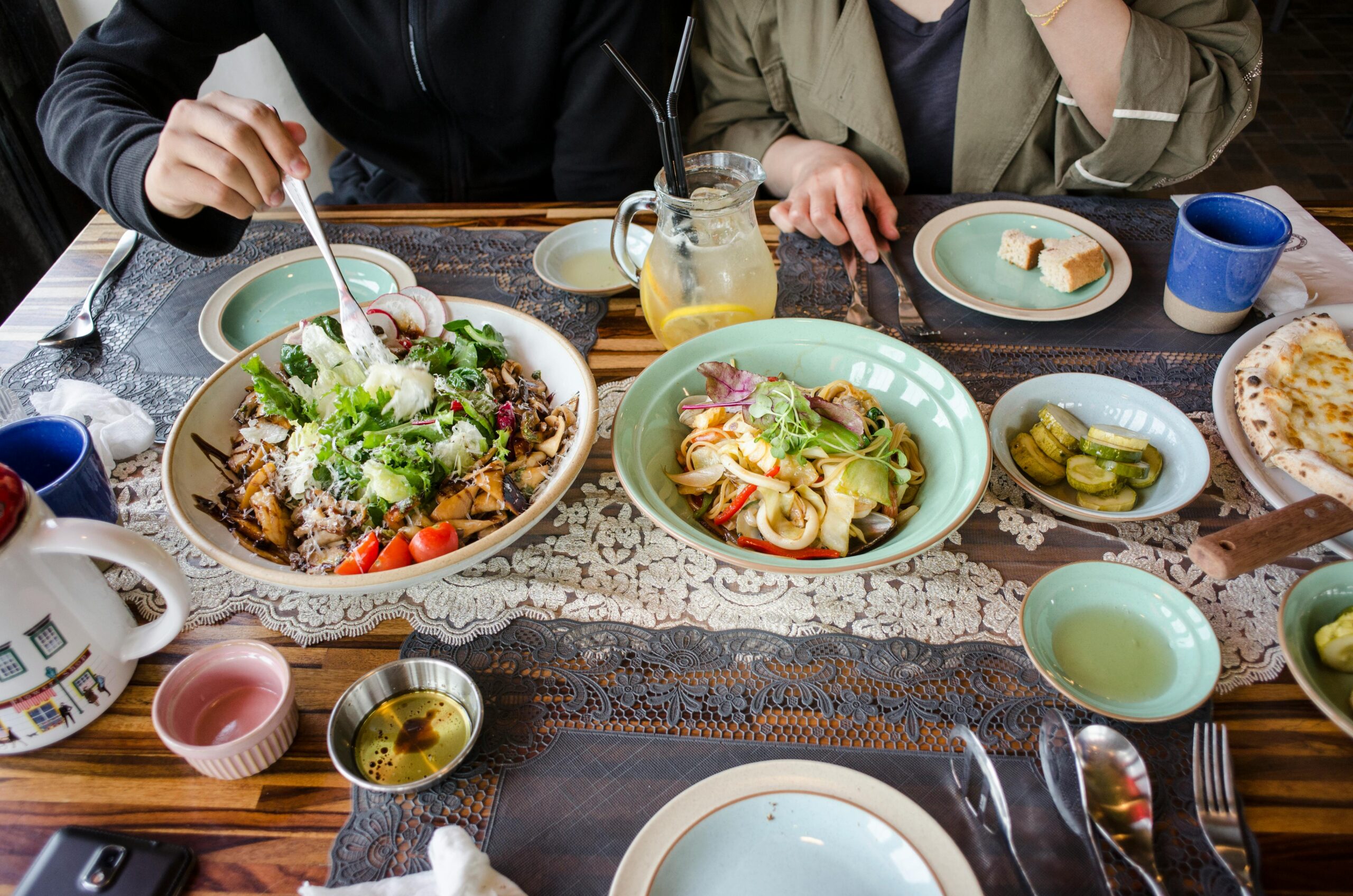
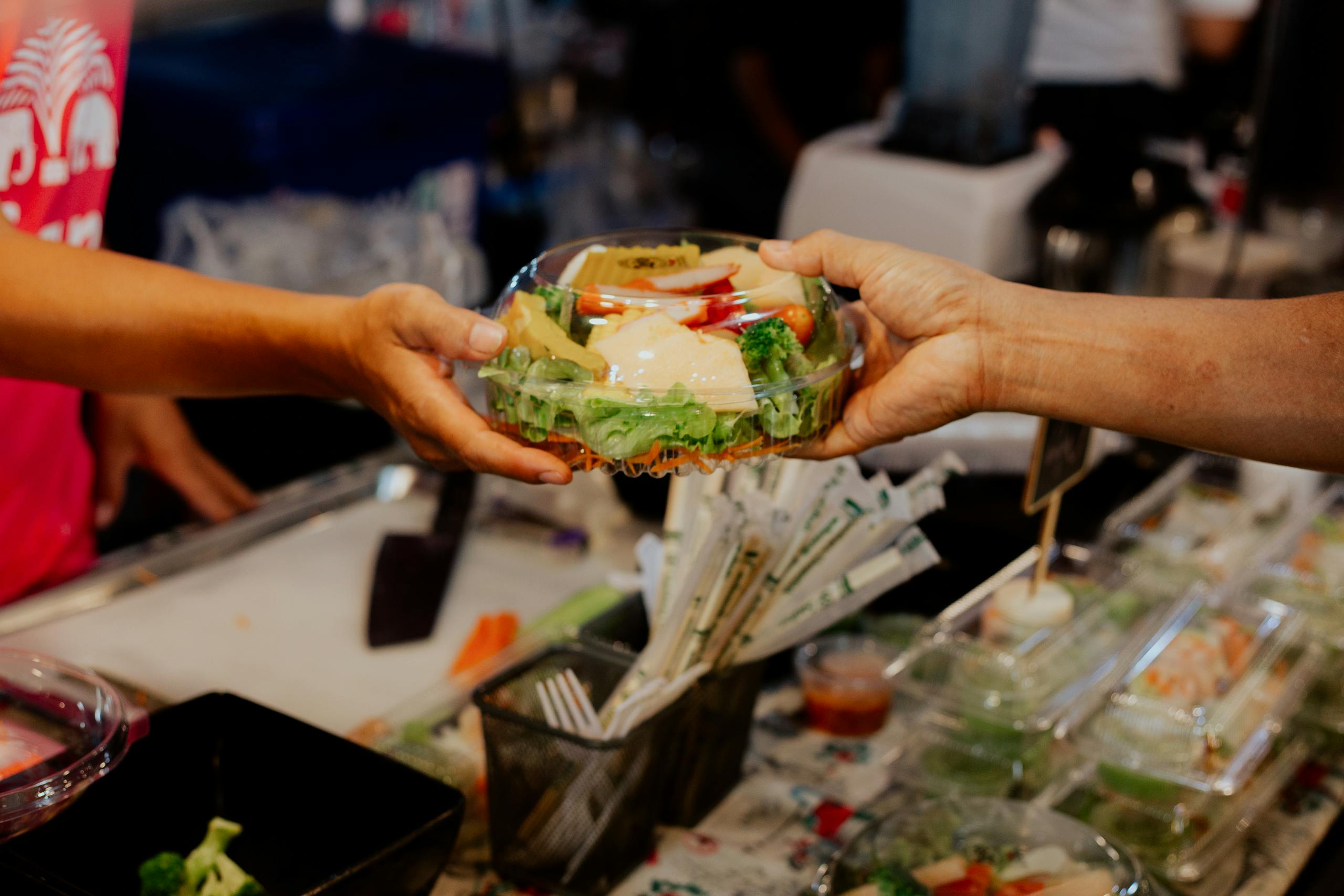
Vegetables have excellent public relations. They sit on wellness posters, glow in farmers’ market baskets, and make everyone feel morally superior for buying them. Then dinner comes, and suddenly half the plate becomes a negotiation.
A Ranker community poll asked voters to rank the vegetables they really dislike, and the results are wonderfully brutal. The list had more than 17,800 voters and over 249,000 votes, with kale, okra, celery, Brussels sprouts, eggplant, beets, cauliflower, cabbage, radishes, and turnips sitting among the most disliked choices. The voting rules were simple: vote up the worst-tasting vegetables. That means this is less about nutrition and more about flavor, texture, smell, childhood trauma, and the kind of dinner table memories people do not forgive easily.
Below are 10 Vegetables People Secretly Hate.
Eggplant
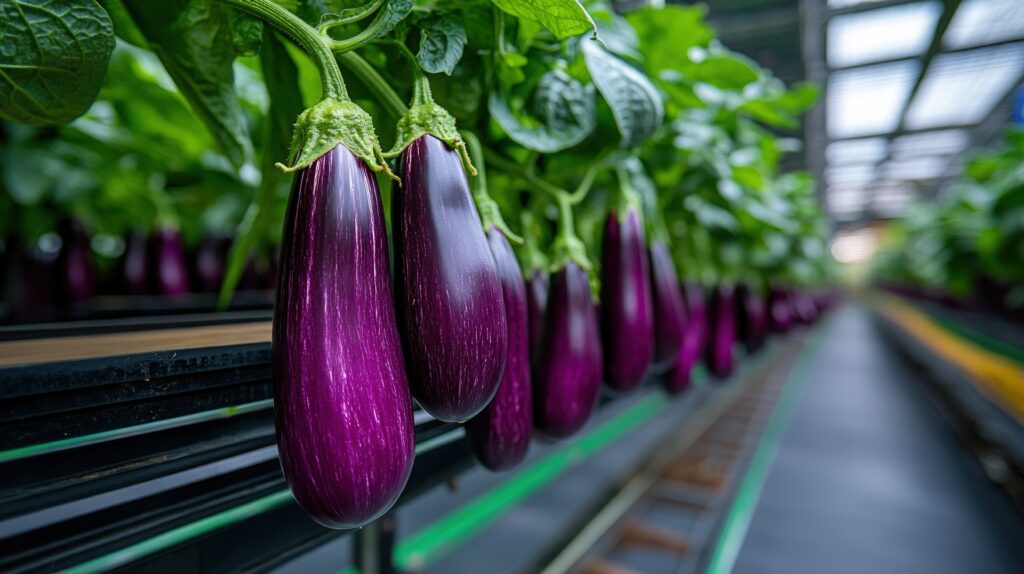
Eggplant looks elegant. It has that deep purple skin, soft shape, and Mediterranean restaurant energy. Then you cook it wrong once, and it collapses into a spongy, bitter, oily mess that makes people question every recipe that promised sophistication.
Texture is the main problem. Eggplant can be creamy and rich when properly grilled, roasted, salted, or fried. But when undercooked, it feels rubbery. When overcooked, it gets mushy. When it absorbs too much oil, it becomes a sponge wearing a piece of vegetable clothing. Eggplant demands skill, and that is exactly why so many people distrust it.
Kale
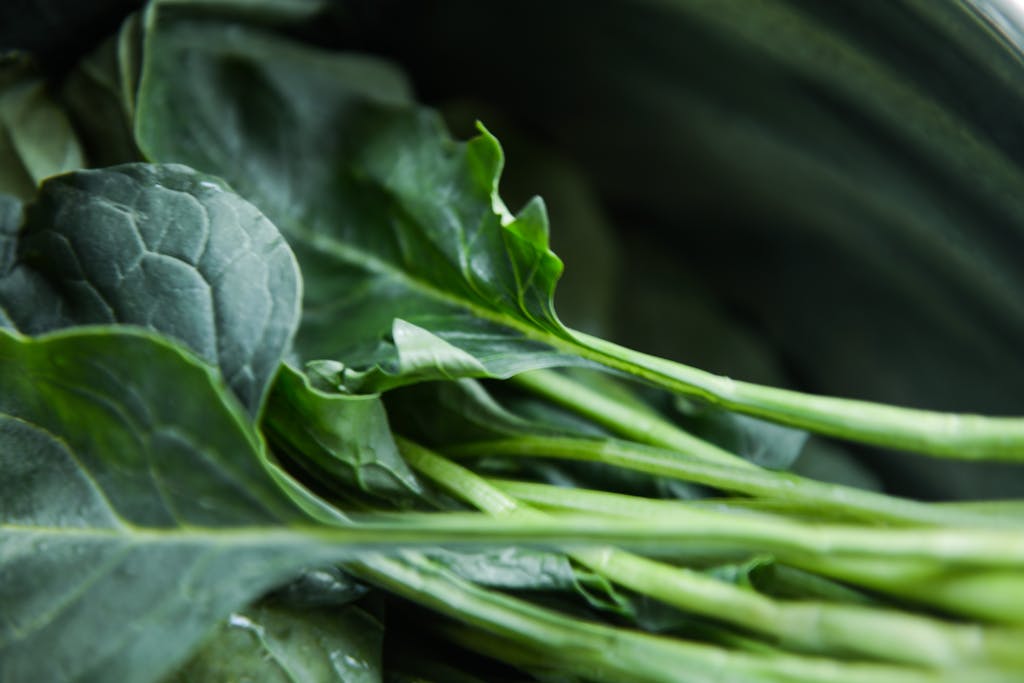
Kale is the vegetable that walked into the room wearing a wellness influencer’s sunglasses and never left. For years, it was shoved into smoothies, salads, chips, soups, bowls, wraps, and anything else that needed to look healthier on Instagram. The problem is that many people still think it tastes like a green leaf that went through a personal crisis.
Its bitterness can be sharp, especially when eaten raw. The texture does not help either. Unless it is massaged, dressed properly, roasted into chips, or blended with enough fruit to hide its personality, kale can feel like chewing a stubborn houseplant. That is why its place near the top of the list of disliked vegetables feels painfully earned.
Okra
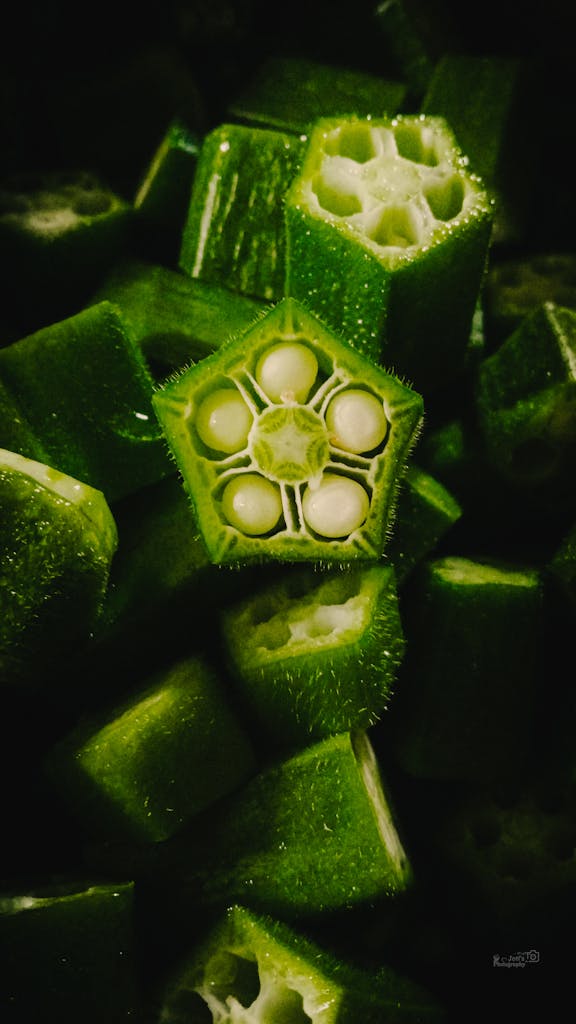
Okra has one fatal public relations problem: slime. People can forgive bitterness. They can forgive crunch. They can even forgive the cabbage smell. But the slippery texture of okra turns some diners into courtroom witnesses describing a crime scene.
To be fair, okra has loyal fans, especially in gumbo, stews, and fried Southern dishes. Cooked the right way, it can be earthy, soft, and deeply comforting. Cooked badly, though, it becomes a green pod full of gluey regret. That texture is exactly why many people refuse to give it a second chance.
Celery
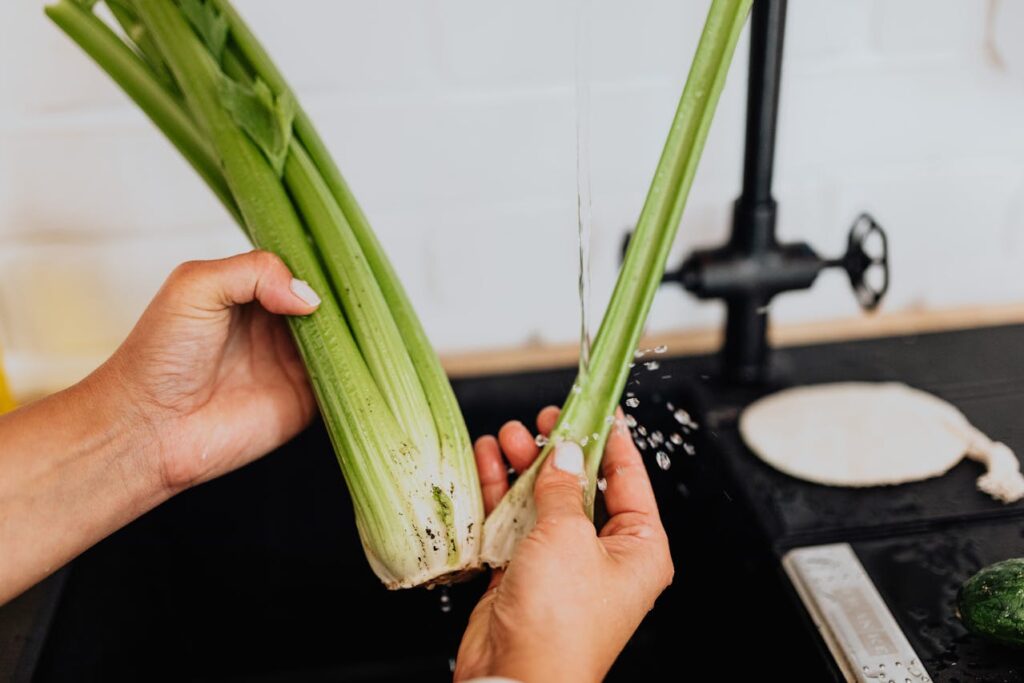
Celery is strange because it barely tastes like much, yet people still manage to hate it with passion. It is watery, stringy, loud, and somehow both bland and annoying. Every bite sounds like someone stepping on dry sticks in a quiet library.
Its defenders will say it adds crunch to tuna salad, soups, stuffing, and snack plates. That may be true, but celery rarely feels like the star. It feels like the vegetable that sneaks into food and pretends it was invited. For celery haters, the flavor is grassy, the strings are rude, and the crunch is simply too aggressive.
Brussels Sprouts

Brussels sprouts have spent years trying to repair their reputation. Restaurants roast them until crispy, toss them with bacon, glaze them with balsamic, and sprinkle them with cheese, as if they’re trying to cover up a scandal. Sometimes it works. Sometimes the old boiled-cabbage smell still wins.
The biggest issue is memory. Many people first met Brussels sprouts as sad, overcooked green balls on a plate, and that introduction left scars. When cooked badly, they smell sulfurous and taste bitter. When cooked well, they can be nutty, caramelized, and delicious. Unfortunately, one childhood dinner can ruin a vegetable for life.
Beets
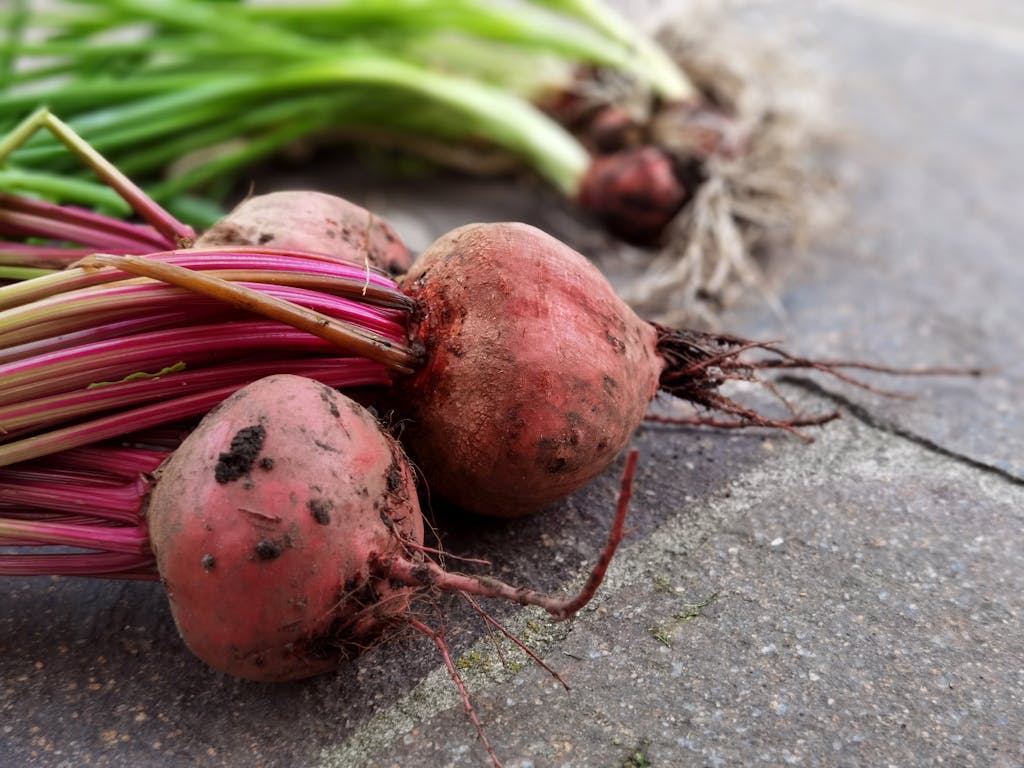
Beets are not subtle. They arrive with a deep red stain, an earthy smell, and a flavor some people describe as sweet and beautiful. Others confidently describe it as dirt. There is very little middle ground here.
The texture can be tender and pleasant when roasted, but the flavor remains divisive. Beets taste like the ground they came from, and for some diners, that earthiness feels nourishing. For others, it tastes like someone turned a garden into dessert. Add the way they stain cutting boards, hands, salads, and sometimes your whole sense of dignity, and their ranking makes sense.
Cauliflower
Cauliflower has tried very hard to become everything except cauliflower. It has been turned into rice, pizza crust, mashed “potatoes,” wings, steaks, and fake comfort food. That level of reinvention tells us something important: many people like the idea of cauliflower more than cauliflower itself.
On its own, cauliflower can taste bland, cabbagey, and slightly sulfurous. Its texture also changes dramatically depending on how it’s cooked. Raw cauliflower can feel dry and squeaky. Boiled cauliflower can become watery and sad. Roasted cauliflower has a much better chance, especially with seasoning, olive oil, garlic, or cheese, but the vegetable still carries a reputation for being the bland cousin at the produce reunion.
Cabbage

Cabbage is the vegetable that divides kitchens, families, and entire apartment buildings. Raw cabbage can be crisp and refreshing in slaw. Fermented cabbage can become sauerkraut or kimchi. Cooked cabbage, however, can turn the whole house into a warning sign.
The smell is the biggest obstacle. Once cabbage is heated for too long, it can release a strong odor that lingers like gossip. For people who grew up with overboiled cabbage, the dislike is almost emotional. The flavor itself can be peppery, sweet, or mild, but one bad cooking method can make cabbage feel like punishment served in a bowl.
Radishes
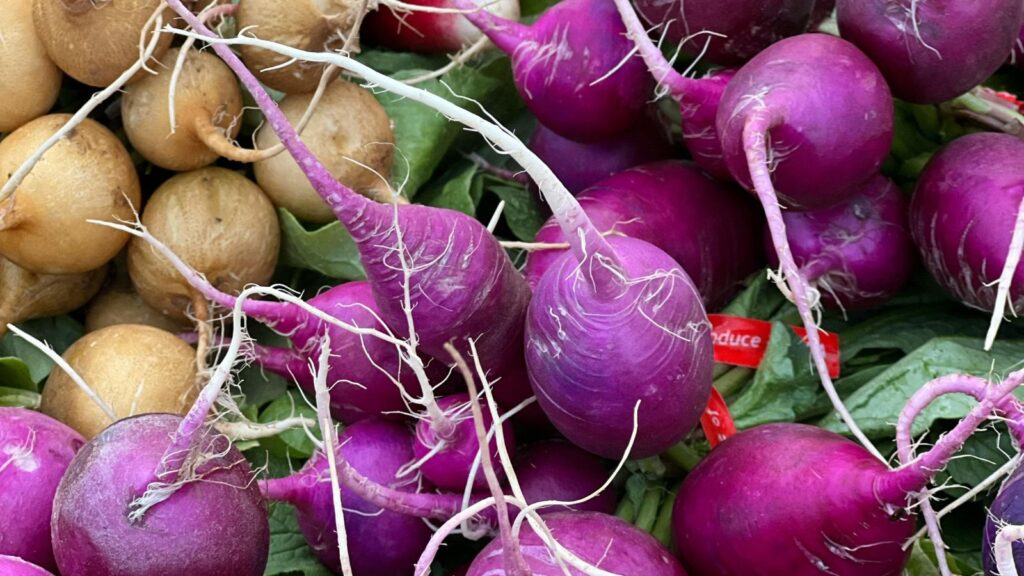
Radishes look cute. They are small, colorful, crisp, and cheerful. Then you bite into one and get hit with a peppery snap that feels far more intense than its size suggests. That surprise is exactly why some people never trust them again.
The problem is expectation. Radishes look like they should taste mild and refreshing, but they often bring a sharp, spicy bite. In salads, that bite can add balance. On their own, it can feel harsh. Pickling, roasting, or slicing them thin can calm them down, but many people only know radishes as the angry little circles hiding in a salad.
Turnips
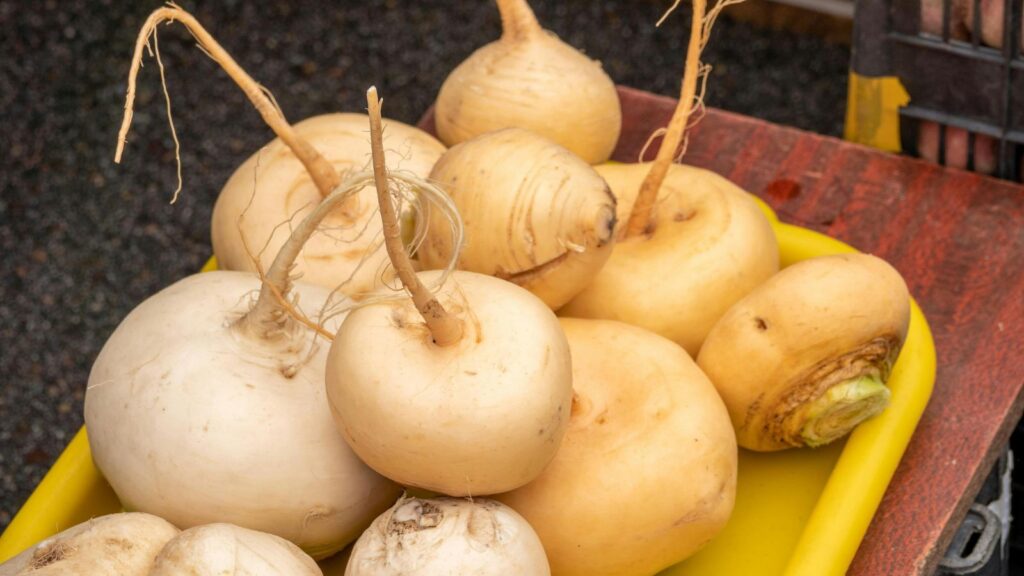
Turnips feel like the vegetable version of an old family recipe nobody wants to admit they dislike. They are humble, sturdy, and practical, but they rarely inspire excitement. Their flavor can be peppery, bitter, earthy, and slightly sweet, which sounds interesting until it lands badly on the tongue.
The texture depends heavily on preparation. Roasted turnips can become soft and mellow. Mashed turnips can work when mixed with potatoes or butter. But plain boiled turnips often taste like the kitchen gave up halfway through dinner. That old-fashioned reputation makes turnips one of those vegetables people avoid before they even give them a real chance.
Conclusion
The most disliked vegetables are not necessarily the worst. They are often the most misunderstood, most poorly cooked, or most aggressively textured. A vegetable can be packed with nutrients and still taste like a punishment if it lands on the plate without care.
Kale, okra, celery, Brussels sprouts, eggplant, beets, cauliflower, cabbage, radishes, and turnips all have their defenders, but the Ranker crowd made one thing clear: people remember bad vegetables. They remember the smell, the slime, the bitterness, the crunch, and the childhood plate they were forced to finish. Healthy food may be good for the body, but flavor still gets the final vote