Hummus has earned a reputation as a “healthy” snack, frequently featured in diet blogs, grocery aisles, and Instagram posts. Its creamy texture, plant-based protein, and heart-healthy fats make it seem like an ideal choice for anyone looking to eat smarter. But beneath the hype, there are hidden drawbacks that many people overlook. If you assume hummus is always the better choice, you might be underestimating its impact on your calories, sodium intake, and digestion. Here’s a closer look at why hummus might not be the health hero it’s made out to be.
Calories can pile up quickly.

Even though hummus is plant-based and made from wholesome ingredients, it is surprisingly calorie-dense. A standard serving of just two tablespoons already contains a notable amount of calories due to the olive oil and tahini. Most people eat far more than the suggested serving, scooping it onto chips, bread, or crackers, which quickly turns a “light snack” into a heavy calorie load. Over time, these hidden calories can undermine weight management efforts without you even realizing it.
Sodium content is often underestimated.
Many store-bought hummus varieties are loaded with salt to enhance flavor. A single serving can contribute significantly to your daily sodium intake, which may affect blood pressure and heart health over time. Even when choosing brands labeled “low sodium,” it’s easy to surpass recommended limits if you eat them frequently or pair them with other salty snacks. Homemade versions allow for better control, but packaged hummus should not be assumed to be naturally low in sodium.
Portion control is trickier than it seems.
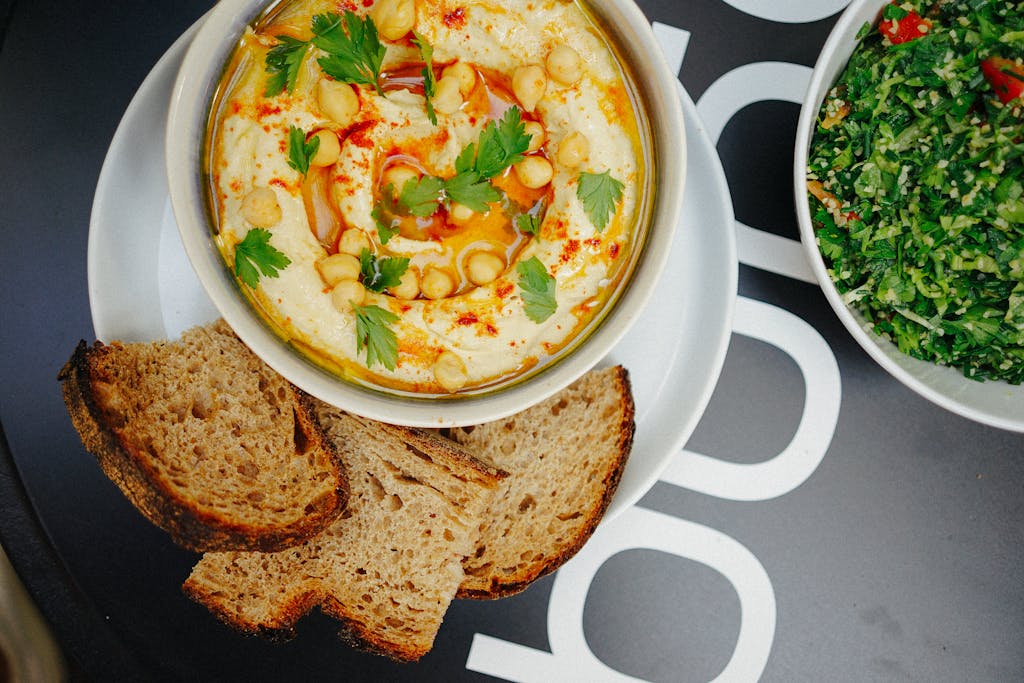
The “official” serving size of hummus is small, but few people stick to just two tablespoons. At social gatherings, lunch, or snack time, it’s common to eat double or triple that amount in one sitting. With calories, fat, and sodium scaling up quickly, a generous scoop can negate the nutritional benefits you expect. Mindful eating is essential, or the dip can become a silent contributor to excess calorie and fat intake.
Digestive issues can appear unexpectedly.
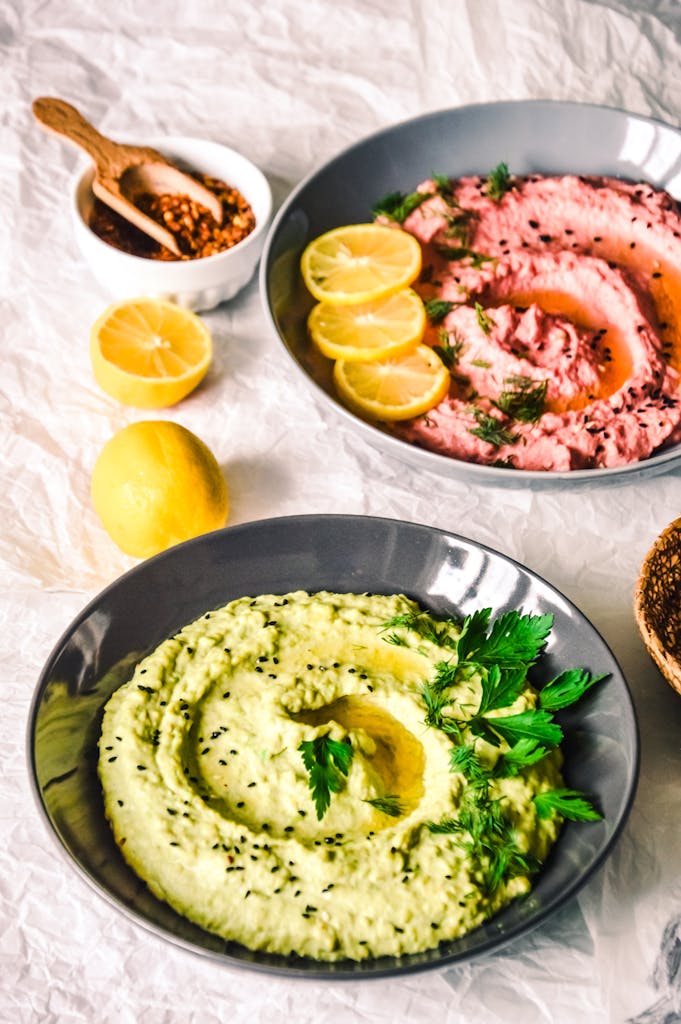
Chickpeas, the main ingredient in hummus, contain oligosaccharides, a type of carbohydrate that can be difficult to digest for some people. For those with sensitive stomachs or digestive conditions, eating hummus can lead to bloating, gas, or discomfort. While not everyone experiences these effects, it’s important to understand that hummus is not universally gentle on digestion, especially when consumed in larger amounts.
Protein and fiber aren’t as high as advertised.

Hummus provides some protein and fiber, but the quantities in a typical serving are modest. A couple of tablespoons won’t replace whole beans, lentils, or high-fiber vegetables in your diet. Relying solely on hummus to meet protein or fiber needs can leave gaps in your nutrition, so pair it with other nutrient-rich foods to get a balanced meal or snack.
Conclusion
Hummus can still be part of a healthy diet, but it isn’t an automatic health boost just because it’s trendy. Its calorie density, sodium content, potential digestive issues, and modest protein and fiber levels mean you have to be strategic about how much you eat and what you pair it with. Enjoying it with fresh vegetables, whole grains, or as part of a balanced plate maximizes benefits while minimizing drawbacks. Thoughtful portion control and attention to ingredients are essential if you want hummus to truly support your health goals.