Buying a house can feel like falling in love with a very expensive stranger. The fresh paint smiles at you. The kitchen lights glow like a movie scene. The backyard starts whispering about barbecues, birthdays, and quiet Sunday mornings. Then the papers get signed, the keys land in your hand, and the house slowly begins telling the truth.
Some sellers disclose every issue clearly. Others keep quiet, answer carefully, or hide problems behind staged furniture and fresh vanilla candles. That does not always mean fraud, because disclosure rules vary by location, and some problems are hard to prove. Still, buyers need sharp eyes, good inspectors, and the courage to ask uncomfortable questions before a dream home becomes a financial trap.
Flooding and Drainage Issues
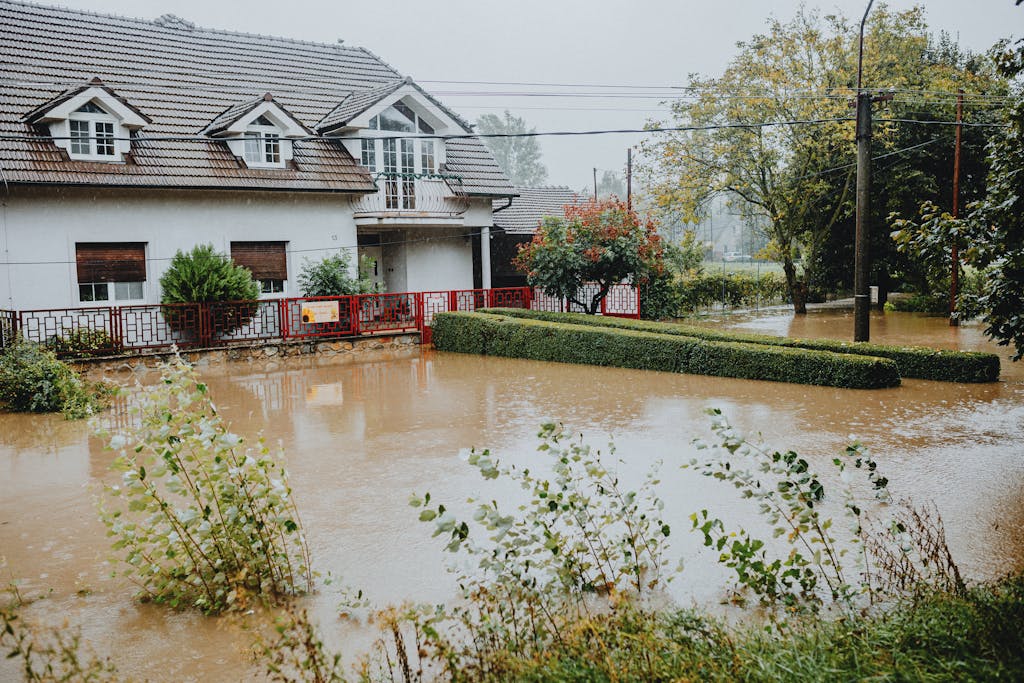
A dry basement during a showing does not prove the home stays dry during heavy rain. Sellers may avoid mentioning that the yard floods, the driveway turns into a pond, or water creeps into the basement during storm season.
Drainage problems can damage foundations, ruin flooring, cause mold, and render outdoor spaces unusable. Buyers should ask direct questions about flooding, check the grading around the home, inspect the gutters, and look for watermarks. A house can look calm in sunshine and behave very differently in a storm.
Strange Smells That Return Later
Open house smells can be suspiciously perfect. Candles, plug-in fresheners, baked cookies, coffee, and heavy cleaning products can hide odors from pets, smoke, mold, sewage, damp carpets, or old cooking grease.
A bad smell is not always cosmetic. It can point to deeper issues such as moisture, drainage problems, animal damage, or ventilation issues. Buyers should return when the home is not heavily staged, if possible. If the smell changes dramatically from one visit to the next, something may be hiding beneath the fragrance.
Foundation Trouble
Foundation problems are the kind of issue that can turn a good deal into a nightmare. Cracks in walls, uneven floors, sticking doors, gaps in the basement, and sloping rooms may seem small at first. They can point to movement beneath the home.
Sellers may not always understand the seriousness of the signs, or they may hope buyers overlook them. Foundation repairs can be expensive, stressful, and disruptive. Any hint of structural trouble deserves expert attention before closing, not after the moving truck has already arrived.
A Death in the House

Some buyers want to know if someone died in the home. Others do not care, as long as the plumbing works and the roof is solid. The problem is that sellers are not always required to reveal deaths, especially if the death happened years ago or did not affect the physical condition of the property.
This can become a serious emotional issue after the sale. Imagine moving in, meeting a neighbor, and learning your peaceful bedroom has a history nobody mentioned. Even if the house is perfectly livable, that kind of surprise can change a buyer’s feelings about the place overnight.
Bad Neighbors

A beautiful home can become miserable if the neighbors are loud, hostile, messy, or constantly fighting. Sellers rarely advertise that the person next door throws late-night parties, leaves dogs barking for hours, or starts arguments over parking spaces.
This is why buyers should visit the street at different times of day. A neighborhood can look peaceful at noon and become chaotic after dark. Talk to people nearby, watch the traffic, listen for noise, and trust what the area feels like when nobody is trying to sell it to you.
Water Damage Behind Fresh Paint
Fresh paint can mean care. It can also mean cover up. Water stains, leaks, mold patches, and ceiling damage can disappear quickly with a fresh coat of paint, but the underlying problem may still be lurking inside the walls.
Water is one of the most dangerous enemies in a home because it moves quietly. It can weaken wood, damage insulation, invite mold, and lead to expensive repairs that may not be apparent during a quick walkthrough. A strong inspection is essential, especially around basements, bathrooms, roofs, windows, and ceilings.
Pest Problems
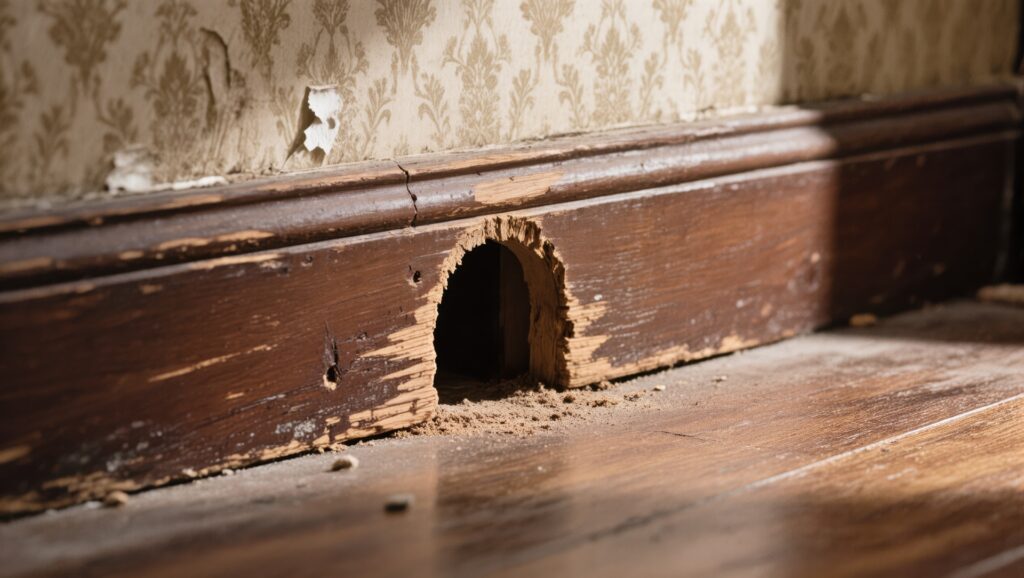
Few things ruin the joy of homeownership faster than discovering the house already has six-legged tenants. Termites, roaches, mice, rats, ants, and bedbugs can hide behind walls, under floors, and inside cabinets long before a buyer notices anything strange.
Sellers may treat the problem lightly or avoid mentioning it if they believe it was handled. Buyers should look for droppings, traps, chewed materials, soft wood, strange odors, and tiny wings near windowsills. A pest inspection can feel like an extra cost, but it is much cheaper than repairing a house that has been silently infested with insects.
Unpermitted Renovations
That gorgeous finished basement may look like a bonus. The new deck may seem like a gift. The converted garage may feel like extra living space. But if the work was done without permits, the buyer may inherit a problem hidden beneath the pretty flooring.
Unpermitted work can create safety issues, insurance headaches, resale trouble, and code violations. Electrical, plumbing, structural, and major remodeling work should be handled properly. Buyers should ask for records and check with local authorities when something appears newly renovated but is oddly undocumented.
Crime or Safety Concerns Nearby

A seller may describe the neighborhood as quiet, convenient, or up-and-coming, but that does not mean buyers are getting the full picture. Crime concerns, car break-ins, vandalism, drug activity, or unsafe nearby properties may not show up during a short visit.
Buyers should research the area themselves, visit at night, and pay attention to lighting, foot traffic, vacant homes, and how secure people seem. A house is not just walls and rooms. It is also the street, the block, and the daily life around it.
Future Development Plans
That peaceful view behind the house may not stay peaceful. Empty land can become apartments, warehouses, highways, shopping centers, or construction zones. Sellers may know rumors or local plans, but avoid bringing them up unless asked directly.
Future development can affect privacy, traffic, noise, property values, and the overall feel of the home. Buyers should check zoning information, local planning notices, and city or county development records. The best time to discover a major project nearby is before buying, not when bulldozers appear behind the fence.
Why Buyers Must Ask Hard Questions
A home showing is designed to make the property look its best. That is normal. Sellers want strong offers, agents want momentum, and buyers want to believe they have finally found the one. But emotion can make people ignore warning signs.
The smartest buyers slow down. They ask about repairs, leaks, pests, insurance claims, disputes, permits, flooding, noise, and neighborhood problems. They read disclosure forms carefully. They hire experienced inspectors. They do not let fresh paint, staged furniture, or pressure from a hot market rush them into silence.
Final Thoughts
A house can be beautiful and still have secrets. Some secrets are harmless. Others can drain savings, disturb sleep, and turn a dream purchase into a regret that follows a family for years.
The goal is not to become suspicious of every seller. The goal is to become a careful buyer. Ask direct questions, bring in professionals, visit more than once, and pay attention to anything that feels too polished, too quiet, or too quickly explained. A home should surprise you with joy after closing, not with problems someone forgot to mention.