Household budgets are under more pressure than ever. The average U.S. household spent $78,535 in 2024, with essentials like housing and transportation accounting for over half of that total. Cutting expenses is no longer about skipping a coffee; it’s about spotting hidden leaks, unnecessary fees, and convenience traps that silently drain your account. Strategic cuts can free hundreds, even thousands, annually, without sacrificing your quality of life or day-to-day comfort.
We’ve distilled the most impactful and surprising expenses into twelve categories that reveal how everyday habits, subscriptions, and minor bills quietly add up. Each section explains practical steps to reduce spending, reclaim control, and redirect money toward savings, debt payoff, or investments. This approach keeps life intact while giving your wallet a meaningful boost.
Bank Fees That Drain Your Account
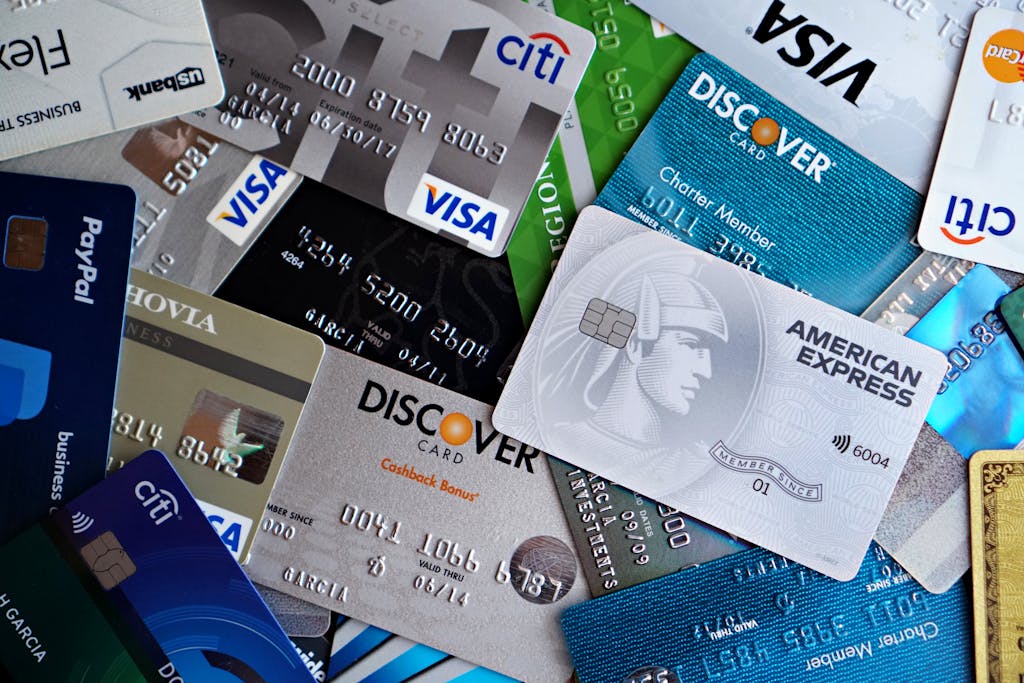
Monthly maintenance charges, overdraft penalties, and out-of-network ATM fees quietly erode your balance, often without you noticing. Out-of-network ATM fees alone averaged $4.86 in 2025, and they can multiply quickly if you’re withdrawing cash several times a month. Overdraft fees, often exceeding $30 per incident, can turn minor oversights into major expenses.
The solution is straightforward: move to a free checking account, join a credit union with lower fees, set up low-balance alerts, and stick to in-network ATMs. Even small changes, like disabling overdraft coverage and monitoring account balances daily, can save hundreds a year. Taking control of these silent expenses gives immediate breathing room in your monthly budget.
Subscriptions You Don’t Really Use
Streaming services, apps, cloud storage, and premium memberships often accumulate unnoticed. Many households are paying for services they barely touch, with the total easily surpassing the cost of a weekly dinner out. Over time, these recurring charges quietly erode savings, especially when multiple subscriptions stack up.
Conducting a monthly audit of every subscription is crucial. Cancel dormant services, downgrade minimally used accounts, and rotate entertainment options. By making deliberate choices, you can maintain access to the content and tools you actually use while eliminating unnecessary cash outflows.
Cable TV That Costs Too Much
Traditional cable packages bundle dozens of channels that most people never watch, along with equipment and hidden fees. Sports add-ons, premium channels, DVR rentals, and broadcast surcharges can turn a $70 bill into $150 or more each month without adding meaningful value to your daily life.
Replacing cable with a mix of free streaming services, a single paid platform, and a digital antenna for local channels can cut costs dramatically while preserving entertainment options. The key is to resist the temptation to stack multiple streaming services that end up recreating the same expensive cable bill. Smart cuts here create immediate, tangible savings.
Food Delivery and Fast-Food Habits

Ordering in or hitting the drive-thru feels convenient, but service fees, delivery charges, tips, and menu markups often make these meals 2 to 3 times as expensive as preparing similar dishes at home. Fast-food costs have increased steadily and can rival those of casual dining when family meals are involved.
Batch cooking, freezer-ready meals, and homemade versions of favorite fast-food items save money and generally improve nutritional quality. Preparing even a few meals in advance each week reduces the urge to order in, giving you both financial relief and healthier options for your family.
Impulse Purchases Triggered by Convenience

One-click checkouts, saved payment information, targeted ads, and buy now, pay later schemes make spontaneous purchases effortless. Small items that feel insignificant at the moment can accumulate into substantial monthly losses without you realizing it.
Removing saved cards from devices, unsubscribing from promotional emails, and applying a 48-hour rule for nonessential purchases allows time for reflection. Often, the urge to buy fades, preventing unnecessary spending while keeping your financial priorities intact.
Brand Names That Don’t Add Value
Designer or well-known brands often command higher prices with no corresponding increase in quality. Household staples, groceries, cleaning supplies, and personal care items frequently perform just as well in store-brand versions.
Testing generic alternatives for pantry staples, toiletries, and household products can uncover substantial savings without affecting satisfaction or quality. Often, you’ll find that the cheaper options perform identically, making brand loyalty an unnecessary drain on your budget.
Bottled Water That’s Pure Waste
Tap water costs a fraction of bottled water, yet many Americans still spend hundreds of dollars a year on plastic bottles. Beyond the financial impact, bottled water contributes to environmental waste and adds clutter in kitchens and workspaces.
Investing in a simple water filter and a durable, reusable bottle can eliminate the need for bottled water entirely. This small lifestyle adjustment saves money and reduces environmental impact while keeping you hydrated throughout the day.
Gym Memberships and Home Exercise Equipment

Unused gym memberships and home exercise gadgets are surprisingly expensive. Treadmills, smart mirrors, and weight benches often sit idle after an initial burst of motivation, turning an intended health investment into a storage problem and financial drain.
Start with home workouts or outdoor exercise routines to establish consistency before investing in equipment. Simple bodyweight routines, running, or community classes can provide the same benefits without recurring fees. Only invest in fitness equipment once a sustainable routine is established, ensuring every dollar contributes to results rather than clutter.
Utilities Lost to Standby Power and Waste
Electronics in standby mode, lights left on, running water unnecessarily, and inefficient heating or cooling quietly inflate utility bills. Individually small, these habits compound across multiple devices and rooms, adding up to hundreds of dollars in excess spending annually.
Using smart power strips, unplugging idle electronics, adjusting thermostats, and adopting small conservation habits can lower utility bills without affecting comfort. Awareness and small behavioral shifts here yield noticeable financial returns over time.
Precut and Convenience Foods
Convenience foods, including precut fruits, pre-shredded cheese, and meal kits, save time but often carry significant markups. The labor cost for prep is built into the price, creating a subtle but persistent drain on grocery spending.
Buying whole produce and blocks of cheese, and preparing meals at home, saves money, reduces waste, and increases meal-planning flexibility. Investing a few extra minutes in prep each week provides savings that grow steadily while improving meal freshness.
Extended Warranties and Phone Insurance
Extended warranties and phone insurance often fail to provide true financial protection. Appliances rarely fail during the warranty period, and phone insurance carries deductibles and coverage limitations that diminish its value.
Review manufacturer warranties, credit card purchase protections, and repair histories before buying additional coverage. Spending selectively on insurance ensures protection without paying premiums for low-probability events, putting your money where it matters most.
Storage Units and Unused Clutter
Paying to store items you rarely use is one of the most overlooked household drains. A small $75 monthly unit amounts to $900 annually, often for belongings worth far less than the rent.
Decluttering, selling, donating, or bringing items home immediately reduces unnecessary expenses. Evaluating storage needs against actual usage creates a strong incentive to streamline possessions and reclaim cash flow.