The progress we’ve made over the last century has been remarkable, but let’s take a step back and reflect on the significant injustices that plagued women in the past.
Specifically, the 19th century was an era of extreme gender inequality, where men systematically suppressed the rights and autonomy of women.
Though we may take certain freedoms for granted today, many of these same injustices were the norm just a few generations ago.
Here are ten powerful ways our great-grandparents’ time directly harmed women, revealing how far we’ve come, and yet, how much further we need to go.
The Medical Neglect that Costs Women’s Lives

The Victorian era, particularly in the medical field, was rife with horrifying neglect that endangered women’s lives. Childbirth was a dangerous affair, with unqualified male midwives often tasked with delivering babies.
These “accoucheurs” lacked proper hygiene practices, leading to deadly infections like puerperal fever, which killed up to one in ten women giving birth.
Many medical professionals rejected the importance of handwashing, even as they witnessed alarming rates of death and illness. This medical malpractice, compounded by the failure to provide proper care, resulted in unimaginable suffering.
The Insanity Defense
One of the most chilling aspects of the 19th century was how easily a woman could be declared insane. A woman’s mental health could be used against her, and often for the most trivial reasons.
A man could accuse his wife, sister, or daughter of insanity with just the signatures of two doctors, no need for any evaluation of her actual mental state.
This could be done to challenge societal norms, such as advocating for women’s rights or speaking out against injustice. Once institutionalized, women were subjected to cruel and degrading treatments, without any hope of reprieve.
Property Rights
Before the 1870 Married Women’s Property Act, women had no legal claim to property, money, or even their wages. Any income they earned, whether through their own work or gifts, automatically became their husband’s property.
A married woman couldn’t buy or sell property in her name, nor could she keep the assets she might inherit.
This institutionalized inequality meant that women were entirely dependent on their husbands or fathers for financial stability, often leaving them vulnerable to financial ruin or exploitation.
The Inequitable Inheritance Laws
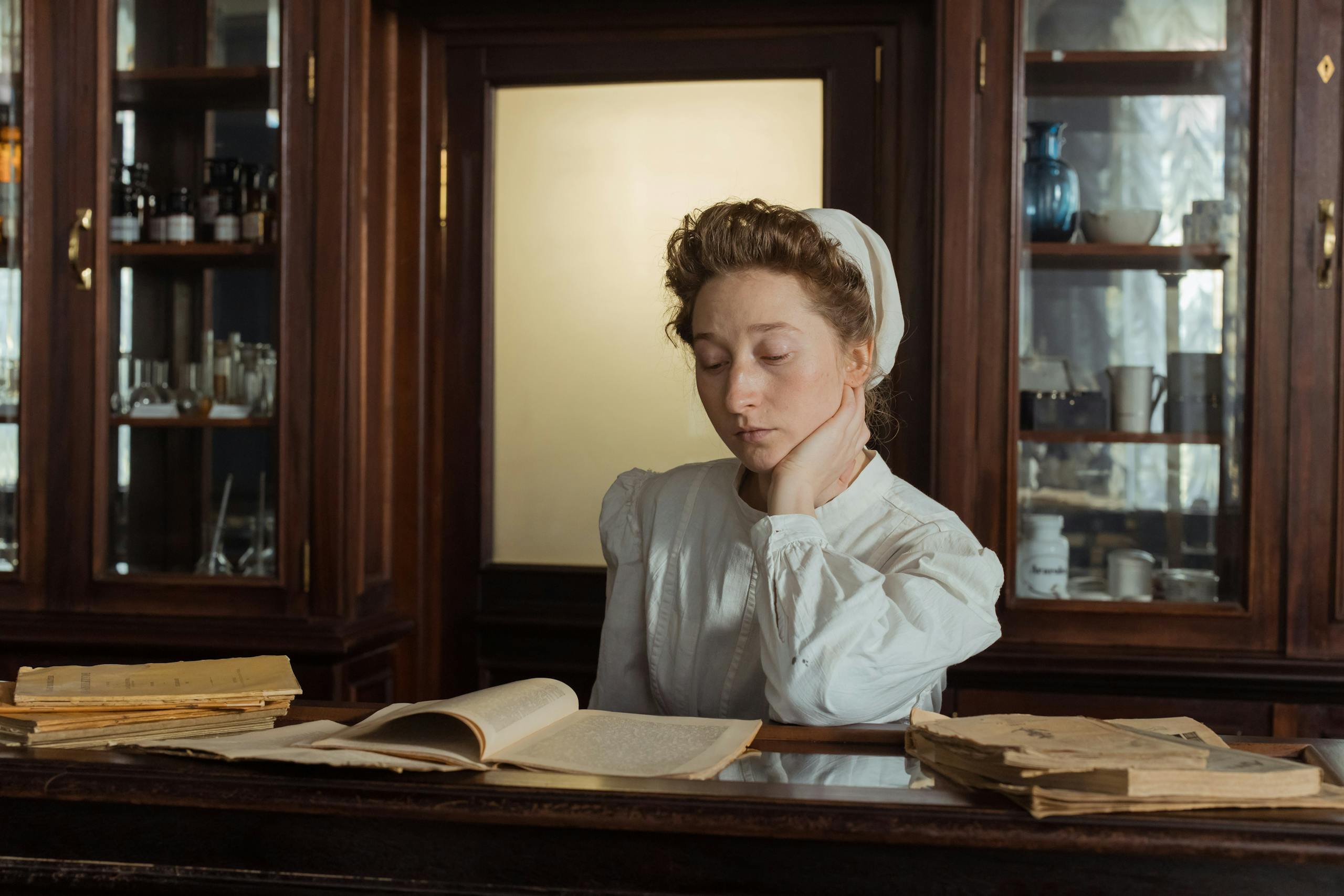
Even when women did inherit property, their access to it was often severely limited. In cases where a male heir existed, a female heir had no right to inherit land or real estate.
Inheritance laws, particularly in Britain, ensured that property passed only through the male line, even if the woman was a direct descendant of the owner.
Furthermore, if a woman did inherit something valuable, such as an estate, a male trustee controlled how and when she could access her inheritance, if at all; this paternalistic control further deprived women of any real financial autonomy.
Divorce
Divorce in the 19th century was overwhelmingly skewed in favor of men. While men could easily divorce their wives on the grounds of infidelity, women faced an uphill battle.
Even when a wife suffered abuse or mistreatment, it was difficult for her to secure a divorce. The law often prioritized the husband’s interests, leaving the wife destitute and with few legal remedies.
Worse still, until the late 19th century, courts frequently awarded custody of children to fathers, even in cases of abuse, further diminishing a woman’s role in her children’s lives.
The Contagious Diseases Prevention Acts
In the 1860s, the British government passed the Contagious Diseases Prevention Acts, which specifically targeted women.
These laws allowed police to force women suspected of prostitution to undergo humiliating and invasive physical examinations without any evidence of wrongdoing.
Young girls and older women alike were at risk of being detained and subjected to this degrading treatment based purely on the suspicion of a man.
This legal abuse was not just a violation of women’s bodies; it reflected the systemic disregard for their dignity and autonomy.
Employment Opportunities

For most women in the Victorian era, employment options were both limited and exploitative. Middle and upper-class women were expected to remain within the domestic sphere, while lower-class women had to resort to factory work or domestic service.
Many working-class women endured long hours and hazardous conditions for very little pay. With few opportunities for social mobility, many women faced a life of economic dependency or were driven to prostitution as a means of survival.
The Denial of Women’s Right to Vote
The suffrage movement faced immense opposition in the 19th century, with countless arguments made against women’s right to vote. A
Anti-suffrage propaganda painted women as too emotional, irrational, and unsuited for political engagement. Women were expected to remain in the home, focused on family and domestic duties, rather than on public affairs.
When suffragettes were arrested for protesting, they were subjected to force-feeding during hunger strikes, a brutal form of punishment that shocked the nation.
It would take decades of struggle before women gained the right to vote in many parts of the world.
Child Trafficking and Sexual Exploitation
During the late 19th century, stories of child sexual exploitation shocked society. Wealthy men could buy young girls for sexual purposes, often from impoverished families.
In London, it was reported that one in nine women was involved in prostitution, many of them underage. The scandal broke when investigative journalist W.T. Stead exposed how easily young girls could be purchased for a few pounds.
This led to public outrage, yet the systematic abuse of vulnerable women continued unchecked by authorities.
The Reluctance to Educate Women
The 19th century was an era where women were denied access to meaningful education, particularly in the fields of science, politics, and law.
Women were expected to focus on homemaking and child-rearing, with few avenues for intellectual or professional development. Even the most educated women faced societal obstacles and gender-based discrimination in the workforce.
The fight for women’s education would continue well into the 20th century, with women’s access to higher learning expanding only slowly.
Conclusion
The road to gender equality has been long and fraught with setbacks. The struggles women faced in the past remind us of how much work remains to be done.
While we’ve made significant strides, the legacy of these injustices lingers in many areas of society today.
We must continue to challenge the systems that perpetuate gender-based oppression and work toward creating a future where women’s rights are universally recognized and upheld.