Female demons have been a part of folklore, mythology, and religious texts across various cultures worldwide.
These terrifying figures often symbolize the destructive powers of jealousy, lust, anger, and revenge, and their stories have been passed down through generations.
From Asia to Europe and beyond, these demons are not just symbolic but serve as warnings and cultural markers. Here are ten chilling tales of female demons that have captivated people throughout history.
Hannya
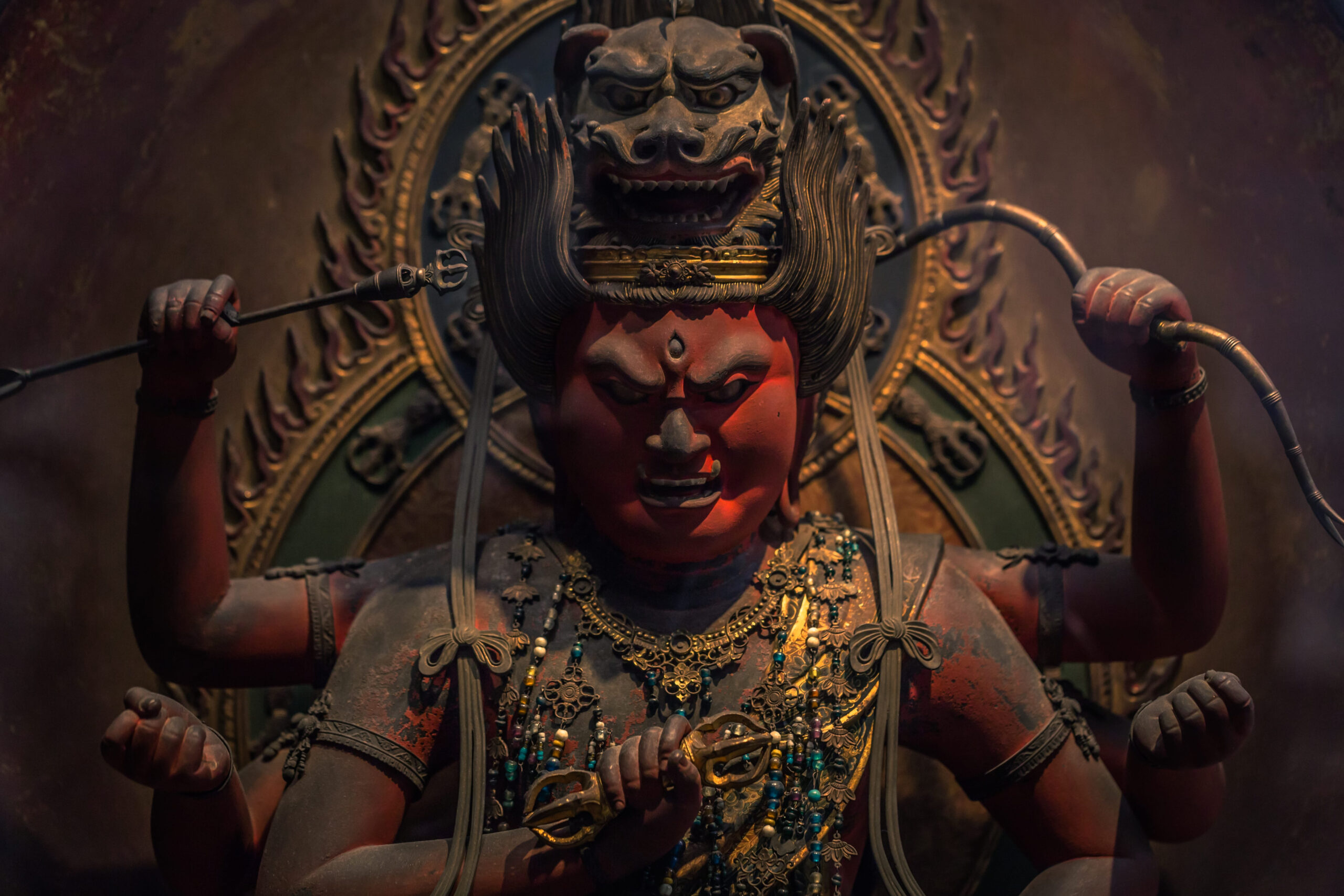
In Japanese folklore, Hannya is a demoness consumed by jealousy and rage. These female demons, known as oni (or kijo in the context of female demons), were once human women who, in their final moments, succumbed to intense emotions. The Hannya comes in three different forms:
- Namanari: These demons are more human-like, possessing small horns and using dark magic. They are not inherently evil and can return to humanity if they repent.
- Chūnari: More vicious, with tusk-like fangs and larger, sharper horns, these demons use magic more aggressively.
- Honnari: The most terrifying of the three, with serpentine bodies and fiery breath, these demons are completely consumed by their rage.
Hannya’s significance in Japanese culture is profound, especially in Noh theater, where the demon’s mask symbolizes the depths of jealousy and heartbreak.
Echidna
In Greek mythology, Echidna was known as the “mother of monsters,” a terrifying creature with a woman’s upper body and a serpent’s lower half.
She bore numerous children… err… monsters, including the three-headed dog Cerberus, the multi-headed Hydra, the Nemean Lion, and the Chimera.
Though she didn’t directly terrorize humanity, her monstrous offspring wreaked havoc, making her an essential figure in Greek mythology.
Her reign ended when she was killed in her sleep by the hundred-eyed giant Argus, following an order from the goddess Hera.
However, her legacy lived on amid the chaos caused by her children, who were hunted down by heroes such as Heracles.
Jahi
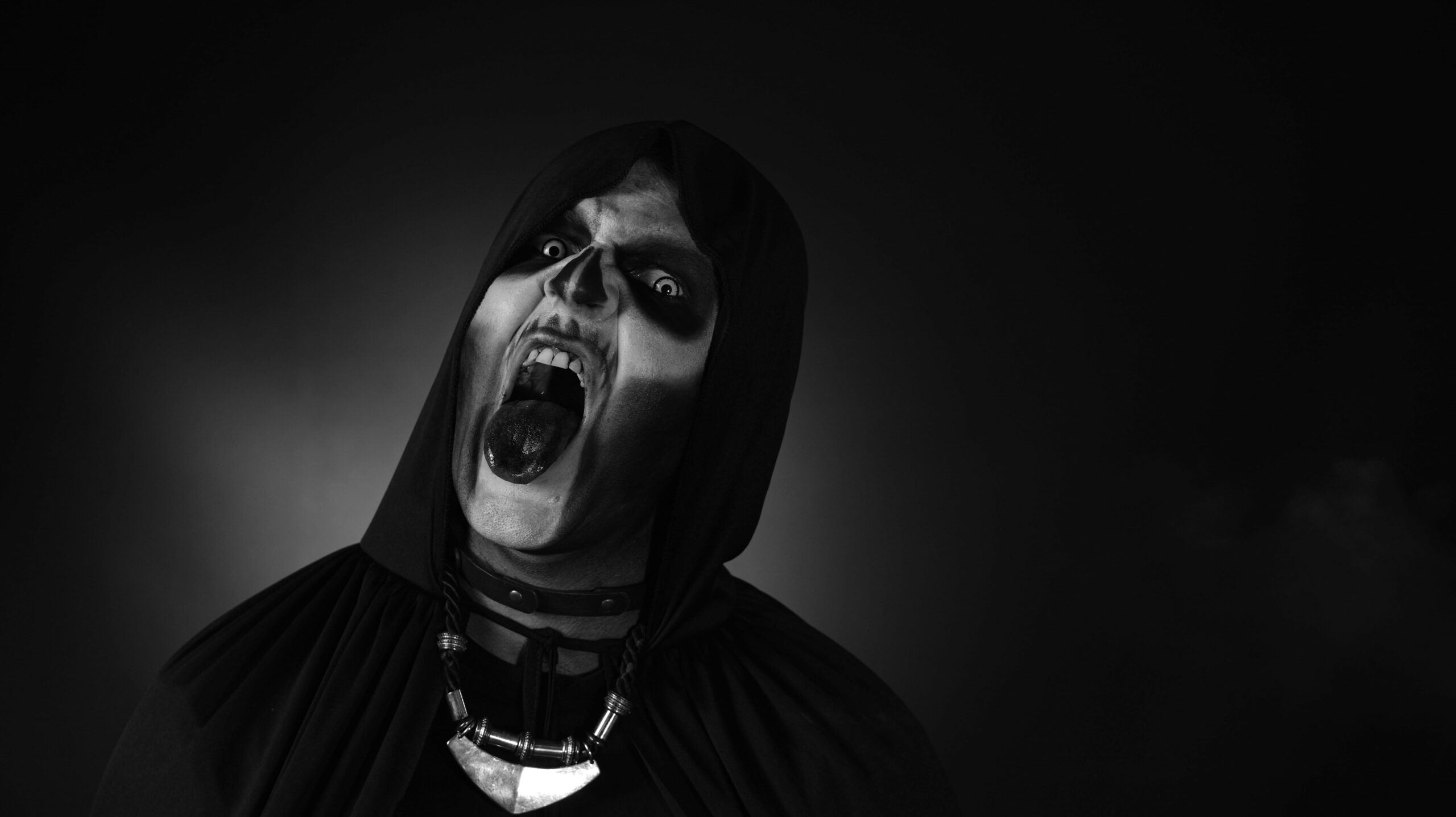
In Persian mythology, Jahi embodies lasciviousness and is a demon associated with the Zoroastrian faith.
Often described as the consort of the evil god Ahriman, Jahi’s primary role was to tempt men and lead them to destruction. Her lethal charm could kill with a single glance, leading men to their doom through lustful temptation.
Jahi also had a dark connection to the origin of menstruation, as she supposedly caused its spread among women to defile humanity permanently.
The demon’s power came not just from her ability to seduce but from the dire consequences of giving in to her temptations.
Baba Yaga
Baba Yaga is one of the most iconic figures in Eastern European folklore, particularly in Slavic cultures. Sometimes depicted as a solitary older woman, other versions portray her as a trio of powerful female demons.
In many tales, she lives in a house that stands on chicken legs, a symbol of her connection to the forest’s mysterious and dangerous forces.
Her role as a boogeyman is crucial in Slavic cultures, with parents warning children about her ability to control animals and even people.
However, in other stories, she can be a helpful figure, aiding those who are lost or in need of guidance. Despite the dual nature of her character, Baba Yaga is best known for her terrifying abilities, including her use of a mortar and pestle to fly.
Jorogumo
Jorogumo, also known as the “spider woman,” is a shapeshifting demon in Japanese folklore. Initially appearing as a beautiful woman, Jorogumo seduces men and leads them into her lair, where she reveals her true form as a giant, man-eating spider.
Once her prey is entranced, she kills them by ensnaring them in her webs.
In some versions of the story, Jorogumo commands an army of smaller spiders, all of whom can breathe fire and assist in her deadly endeavors.
Buddhist monks were believed to be able to ward off these demons with prayers, but the seductive danger remained ever-present.
Ammit

In Egyptian mythology, Ammit is a terrifying demon with the head of a crocodile, the body of a lion, and the hindquarters of a hippopotamus.
While she did not roam the earth causing chaos, her role was integral to the Judgment of the Dead, a ritual that determined whether souls could enter the afterlife.
If a deceased person’s heart were heavier than the Feather of Truth, it would be devoured by Ammit, condemning the soul to eternal damnation.
Despite her fearsome appearance, Ammit was seen as a force of divine justice rather than pure evil. She was a necessary part of ensuring that only the worthy could enter the afterlife.
Ajatar
Ajatar, a demoness from Finnish folklore, was believed to live in the dark forests of the Pohjola Mountains. Her appearance was horrifying, with some stories describing her as a forest spirit or a witch with the power to curse men.
In Finnish myths, she was often associated with the wild, untamed forces of nature and was considered a bringer of illness and misfortune.
Ajatar’s legend speaks to the ancient fears of the unknown wilderness and the dangers that lurk within it. Her story highlights how people once used folklore to explain the forces of nature and the challenges they faced.
Lilith
Lilith, a demon from Jewish folklore, is often depicted as Adam’s first wife, cast out of Eden for refusing to submit to him
. She is associated with night and is often portrayed as a night demon who preys on newborns and women during childbirth.
Her power comes from her ability to seduce and harm men, often through dreams or her presence in the dark.
Lilith is a complex figure, sometimes seen as a symbol of independence and rebellion, but also a warning of the dangers of defying social norms. Her role as a demoness has made her an iconic figure in both religious and feminist discussions.
Lamia
Lamia is another Greek mythological demon, known for her monstrous hunger and her ability to steal children. According to legend, Lamia was a beautiful queen transformed into a demon by Hera, who was jealous of her relationship with Zeus.
Lamia’s monstrous form was cursed to devour her own children, and she would roam the night, stealing others.
Lamia’s story serves as a cautionary tale of jealousy and revenge, with her transformation into a terrifying demon symbolizing the destructive power of these emotions.
Over time, she became a figure of fear in Greek culture, especially as a demon who preyed upon the most vulnerable.
La Llorona
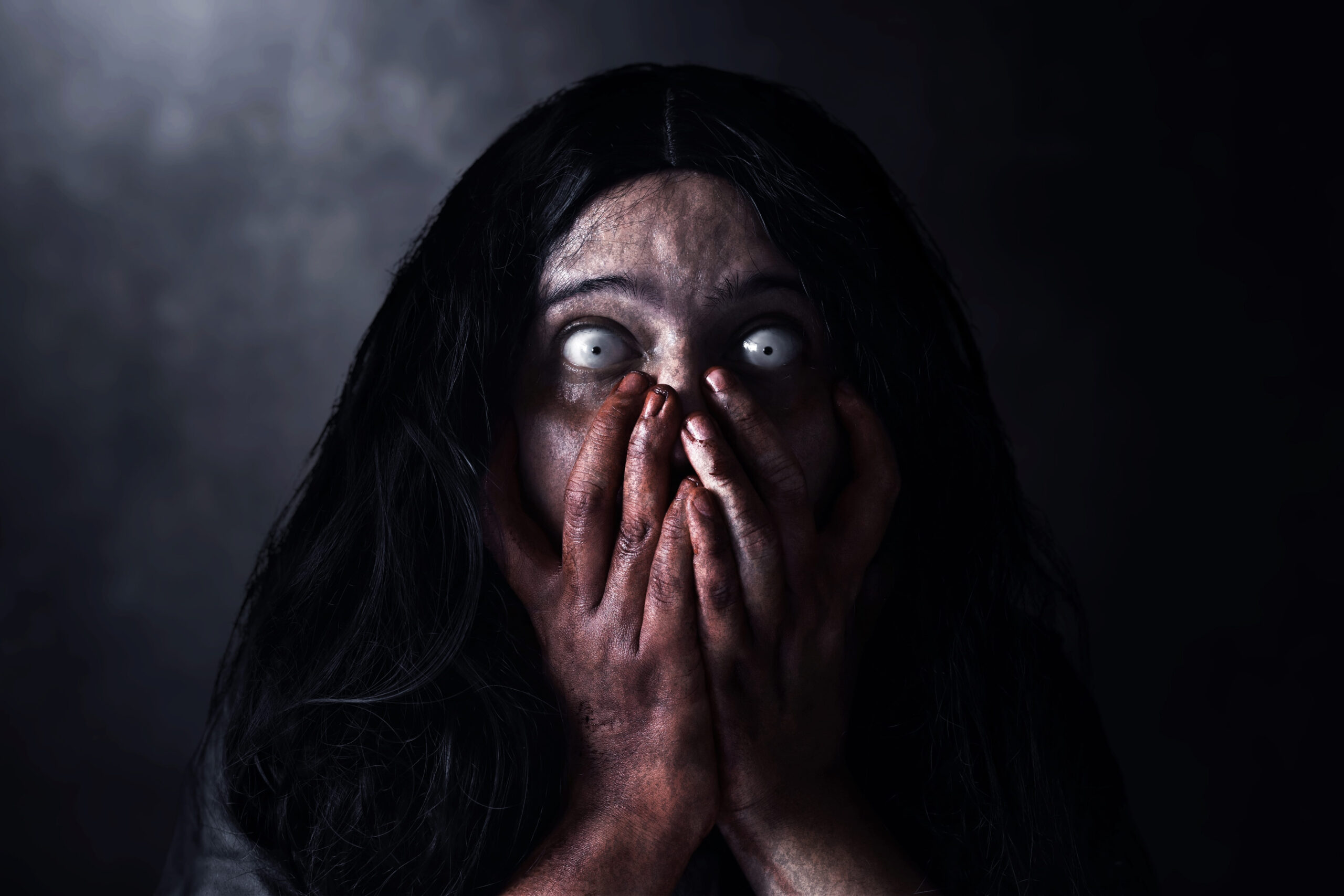
In Latin American folklore, La Llorona is a ghostly figure who mourns the loss of her children, whom she drowned in a fit of rage and gri
ef. According to the myth, La Llorona wanders the riversides at night, crying for her lost children and searching for others to replace them. Her story is deeply tragic, and she is feared and pitied across many cultures in Mexico and beyond.
La Llorona is a warning against the dangers of uncontrolled emotions and the consequences of grief and loss. Her tale has been told for centuries, haunting generations with the image of a woman forever searching for the children she can never reclaim.
Conclusion
The female demons across various cultures share a common theme: their terrifying powers often come from emotions such as jealousy, anger, or grief.
Whether they are shapeshifting seductresses, vengeful spirits, or monstrous mothers, these demons serve as cautionary tales, warning humanity of the darker aspects of human nature.
Their stories have been passed down for centuries, continuing to captivate and frighten audiences to this day.