When it comes to creating a home that’s both stylish and functional, interior designers have seen it all and avoided many common mistakes. Certain design decisions are known to drag down a space’s overall aesthetic and feel, leaving it feeling off. If you’re looking to elevate your home, here are 10 things interior designers would never include in their own spaces.
Shower Tile That Stops Short of the Ceiling
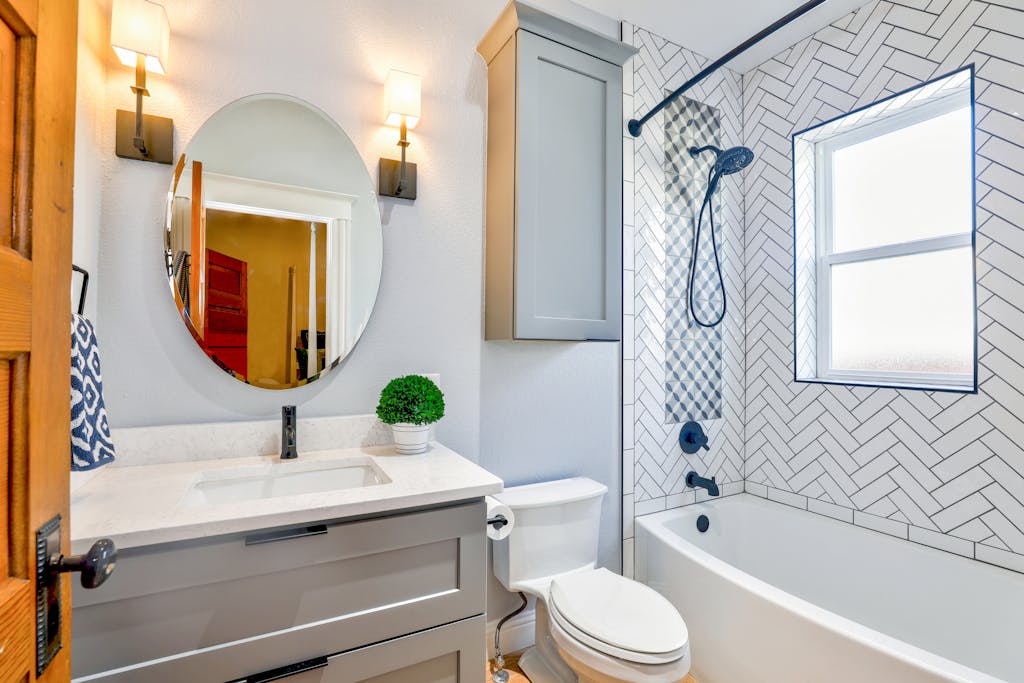
You’ve seen it: a bathroom with tile that doesn’t reach the ceiling, leaving a glaring gap. This design flaw can make the shower look unfinished and dated. It gives the impression that the space was rushed or that design planning was neglected. Designers know that full-height tile creates a more luxurious, seamless look, making the space feel polished and cohesive from floor to ceiling.
Barn Doors in the Wrong House
Barn doors have become a trendy feature in some homes, but when placed in the wrong setting, they feel forced and out of place. While rustic and industrial styles may call for barn doors, they don’t always fit with more contemporary or traditional designs. Designers know when barn doors are a good fit and when they might feel too heavy or awkward, making it important to choose doors that complement the rest of the home’s architecture
Bath Towel Bars

A bath towel bar is functional, but in most cases, it’s also impractical and unsightly. Towels often end up draped carelessly, leaving the bathroom looking messy. Interior designers prefer to incorporate stylish towel hooks or even heated towel racks that serve both form and function, keeping the towels neatly hung and elevating the room’s overall appearance.
Builder Grade Vanities
Commonplace, cookie-cutter vanities don’t do any justice to a bathroom. These mass-produced, cheap designs may serve their purpose, but they lack the unique character and attention to detail that elevate a space. Interior designers prefer custom vanities or unique, vintage finds that bring personality and charm, ensuring that every piece contributes to the room’s overall aesthetic.
Floating Shelves with No Real Purpose
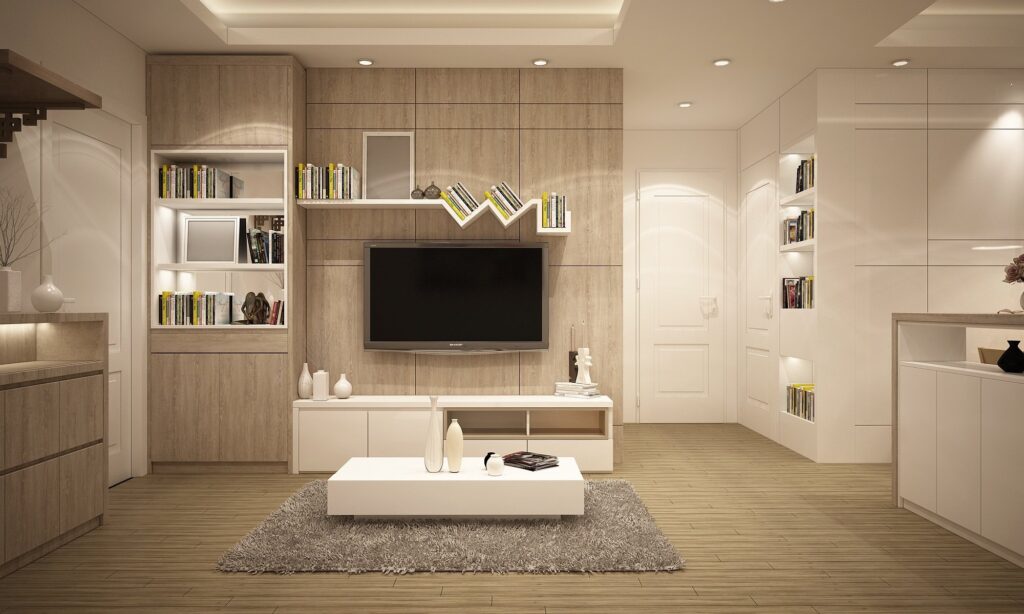
Floating shelves are popular in modern designs, but without a clear purpose, they can easily become a source of clutter. While they might look sleek, if they aren’t organized with intention, whether holding curated decor, books, or practical items, they can quickly overwhelm the space. Designers know that shelves should enhance a room’s aesthetic and functionality, not just serve as an afterthought that detracts from it.
Accent Walls That Break Up the Room
Accent walls can be trendy, but they often disrupt the flow of a space rather than enhancing it. A single bold-colored wall can cut a room in half, making it feel disjointed. Interior designers typically prefer a more harmonious approach to color, using tones that complement each other and flow seamlessly through the room, creating a balanced, unified look.
Cheap Synthetic Carpeting
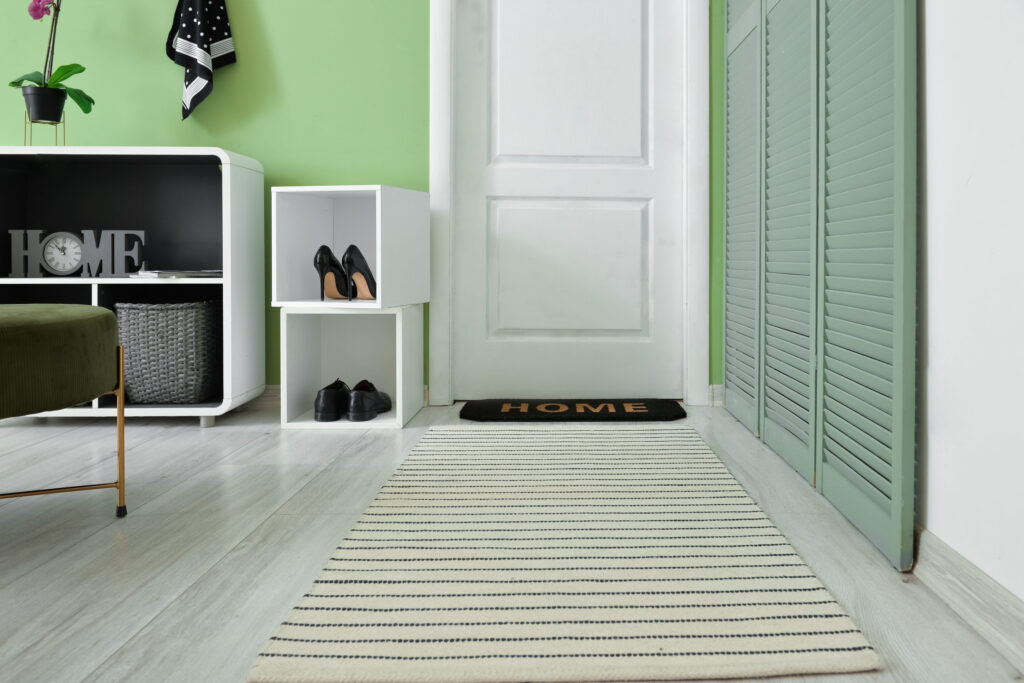
Cheap synthetic carpets might look decent for a while, but they age quickly and can make your home feel lower-end. The texture often lacks warmth and the kind of durability you’ll want long-term. Designers prefer natural materials like wool or silk rugs because they add depth, luxury, and warmth to any room. Synthetic options simply don’t have the same long-lasting appeal, and their low price is often reflected in the overall feel of the space.
Plain Ceilings
A blank, white ceiling is the easiest way to make a room feel flat. Designers treat ceilings as the fifth wall, recognizing that a well-painted, detailed ceiling adds an element of surprise and sophistication. Whether with a bold color, interesting texture, or elegant molding, adding personality to the ceiling helps elevate the entire room’s vibe, making the space feel more designed rather than simply functional.
A Kitchen Without a Backsplash
A backsplash serves more than just a functional role in protecting the walls from cooking splashes; it adds texture, color, and design. Designers often recommend an eye-catching backsplash to tie the kitchen’s aesthetic together. Without it, the room can feel incomplete and the walls more vulnerable to stains and damage. The backsplash is an essential piece that rounds out the kitchen’s look and feel.
Oversized Kitchen Islands
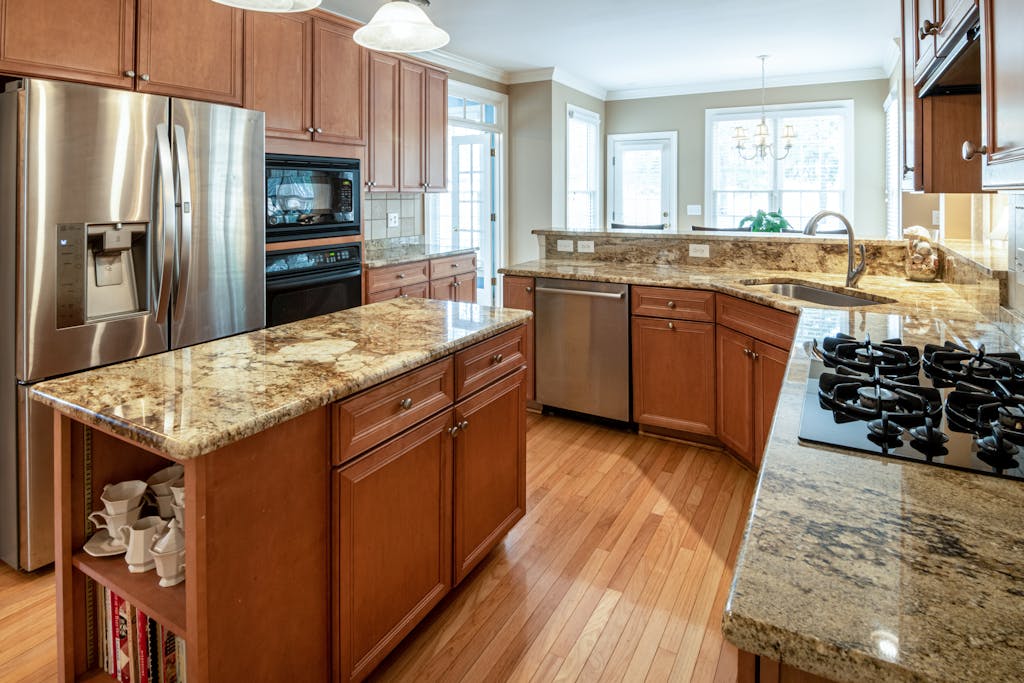
Bigger doesn’t always mean better, especially when it comes to kitchen islands. Oversized islands can overcrowd the room, disrupt the flow, and create a visual imbalance. Designers know that the island’s size should complement the rest of the kitchen. An island should provide function and space for preparation without overwhelming the room’s overall layout.
Conclusion
These are 10 mistakes that interior designers actively avoid to maintain a well-designed, functional, and aesthetically pleasing home. While these design choices may seem harmless at first, they often lead to a space that feels incomplete or mismatched. By avoiding these common pitfalls, you can create a home that’s both stylish and enduring.