Designing a small yard is no easy feat. One wrong move can make your space feel boxed in, cramped, and closed off. If you’re tired of looking at a yard that feels smaller than it actually is, you’re not alone. Often, it’s the design decisions that unintentionally create this illusion of limited space. Let’s take a closer look at the 10 biggest mistakes that make your yard feel smaller and how to fix them.
Keeping Everything the Same Height
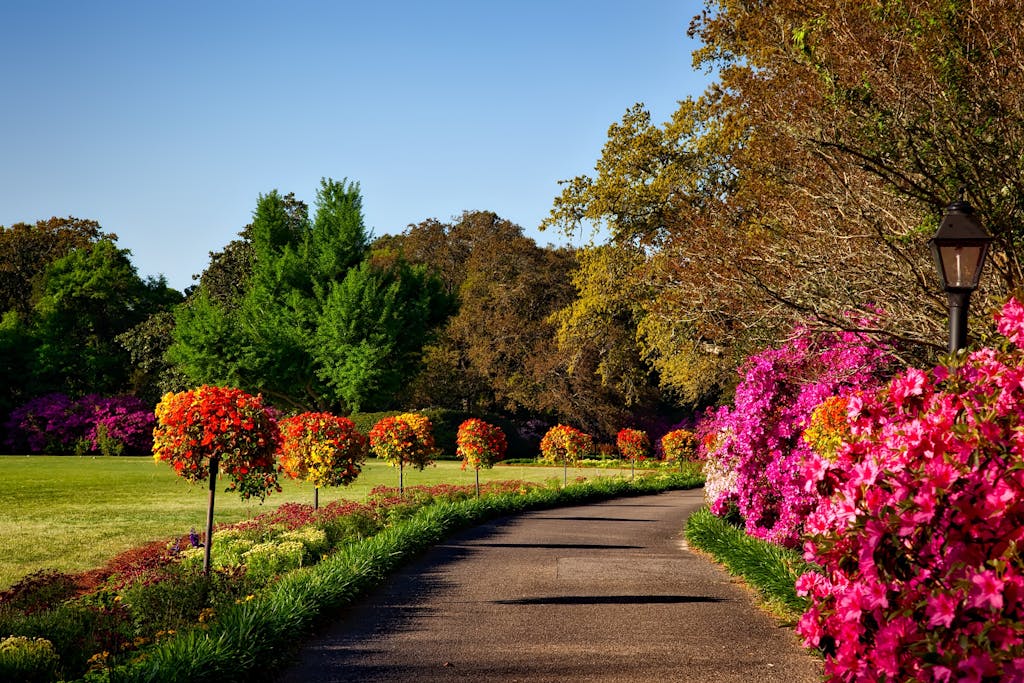
A flat yard with plants, trees, and features all on the same level gives the impression of a stagnant space. Without variation in height, the eye has nowhere to travel, and the entire yard feels shorter. This lack of layering results in a monotonous view.
How to Fix It: Break up the monotony by using varying heights in your plants and yard features. Tall trees and plants placed in the back create depth, while medium-height plants can sit in the middle. Low-growing flowers or ground covers can sit at the front. Adding vertical elements, such as trellises or climbing vines, will also draw the eye upward, making the space feel more expansive.
Pushing All Visual Interest to the Ground
When your yard’s beauty only comes from what’s at ground level, it can give the impression that the space is limited. The lack of visual height can compress the feeling of space. A small yard can easily feel like a short box, and you’ll miss out on the chance to maximize its perceived size.
How to Fix It: Create visual interest at different heights. Tall planters, climbing plants, and trees add dimension to the space. Consider using trellises and garden structures that encourage vertical growth. This change draws the eye upward, expanding the sense of space. Adding tall grass or bamboo also brings a sense of lushness without taking up too much ground space.
Using Dark Colors at the Front of the Yard
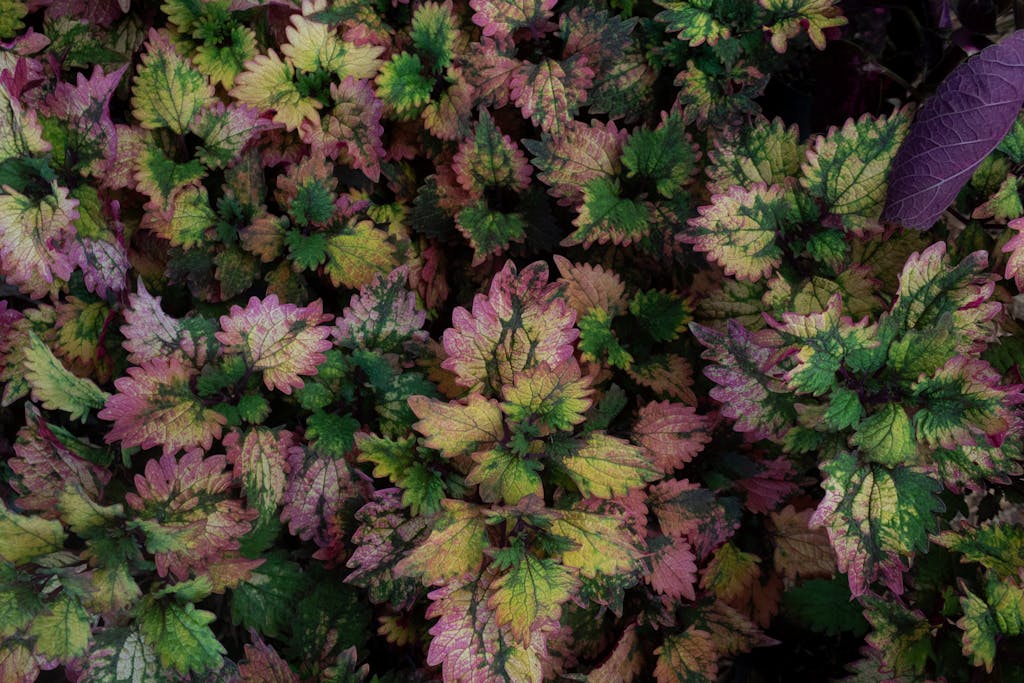
Dark colors can make a small space feel more closed off. If your yard is primarily shaded or you use dark-colored flowers, fences, or furniture at the front, the space will appear even smaller. Dark tones absorb light, making the space feel compressed and drawing the eye inward instead of outward.
How to Fix It: Lighten up your color palette, especially near the front of the yard. Bright flowers, light-colored planters, and neutral furniture can create an open, welcoming space. Try pastel-colored flowers, light decking materials, and even pale fencing to make the front area feel airy. These bright tones will reflect more light, which visually expands the space.
Making the Back of the Yard Too Bright
While bright colors have their place, when used too heavily at the back of the yard, they can bring the boundary closer. The stark contrast between a bright fence and the surrounding darkness can make the yard feel shallower and smaller. Instead of feeling deep, the yard appears to be ending too soon.
How to Fix It: Opt for deeper or more neutral tones along the back edges of your yard. Richer tones such as forest green, deep navy, or earthy browns can help push the boundary further back. This creates a sense of depth. By blending the edge with your garden’s natural foliage, you will trick the eye into perceiving more distance in the yard.
Letting the Borders Look Harsh and Obvious
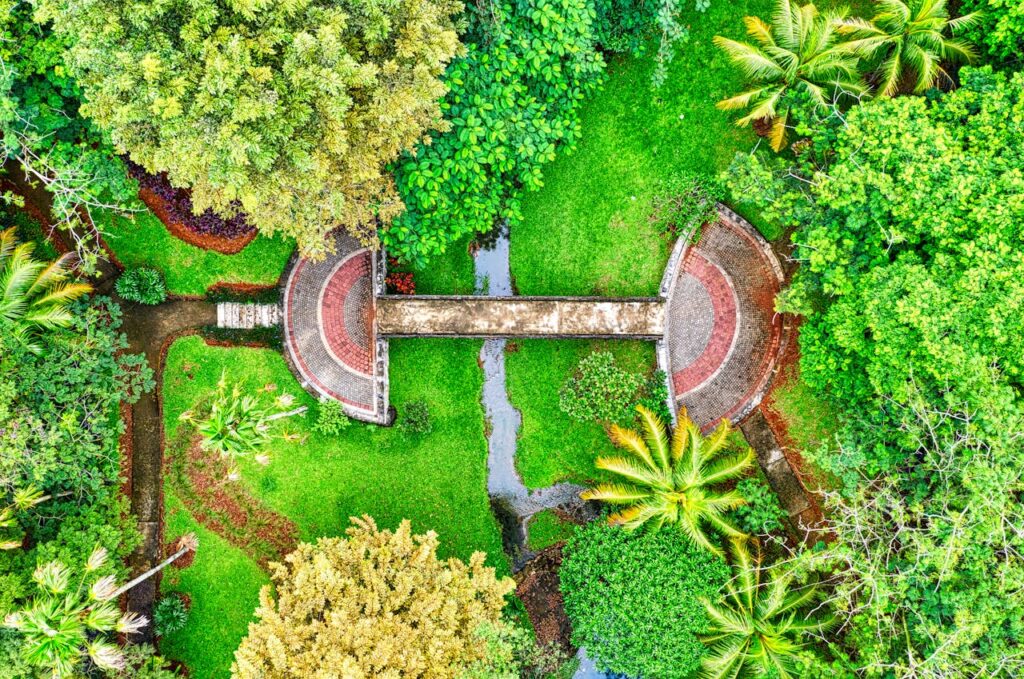
Hard, defined borders between different sections of the yard can make the space feel segmented. The stark lines can stop the flow of the eye, making the yard feel rigid and constricting. These obvious borders often block the view, making the space feel smaller.
How to Fix It: Soften the edges by planting taller plants along the borders, gradually transitioning to smaller plants. Choose a mix of flowering plants or shrubs that will grow over time to blend the boundaries naturally. You could also introduce curves into the design instead of straight lines. This will create the illusion of a more continuous and flowing space, removing harsh transitions that limit depth.
Arranging Plants with No Sense of Depth
Without a strategic plant arrangement, a yard may look like a collection of items, rather than a cohesive design. This disorganized approach often makes the space feel jumbled and smaller. When plants and flowers are placed randomly without regard to depth, the visual effect can seem cluttered.
How to Fix It: Layer your plants to guide the eye through the space. Taller plants or trees should be placed in the back, with shorter plants or flowers towards the front. This layering effect directs the viewer’s gaze deeper into the yard, adding to the perception of more space. When your yard has a sense of progression, it feels bigger. Don’t forget to account for each plant’s growth to avoid overcrowding in the future.
Overcrowding the Yard with Too Many Containers
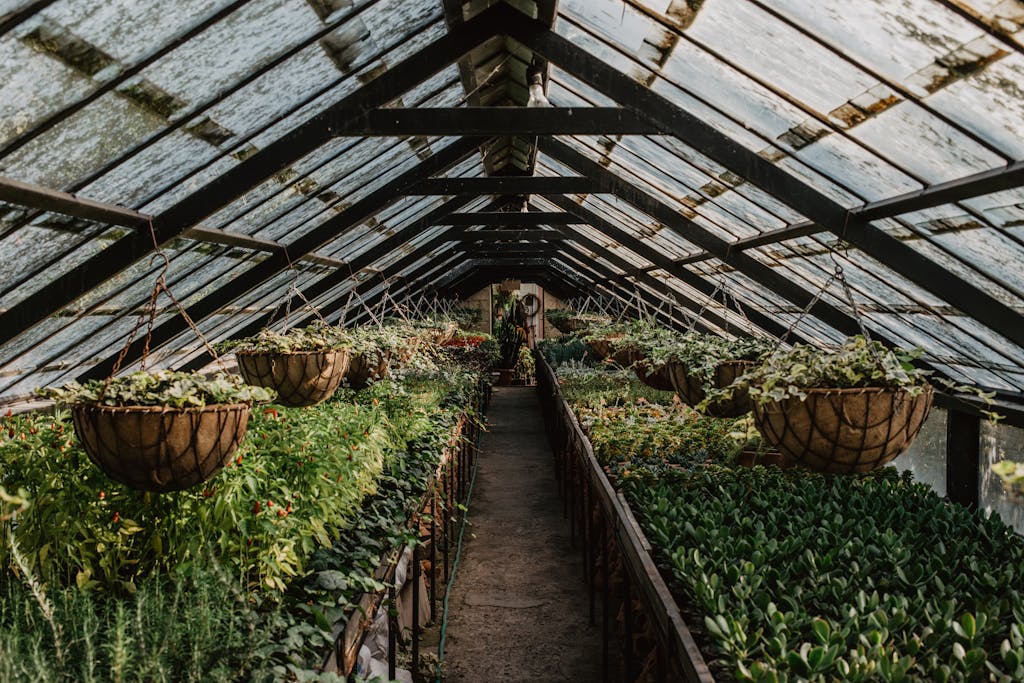
Pots and planters are a great way to add greenery to your yard, but too many of them can make the space feel cramped. When they crowd a small area, they divide the space into separate sections, creating a fragmented effect. This limits your view and reduces the flow of the yard.
How to Fix It: Edit your containers, keeping only those that add real value to your yard’s aesthetic. Use fewer, larger planters or pots with height variation. Arrange them in strategic spots to create symmetry or focal points without overcrowding the space. This will open up the view and keep the yard feeling balanced and spacious. Avoid cluttering the space with too many mismatched pots.
Ignoring Raised Elements That Add Structure
Flat yards, while simple, can feel confined. Without any raised elements, such as raised flower beds, elevated planters, or terracing, the yard may feel one-dimensional. The lack of structure and height creates an illusion of limitation.
How to Fix It: Integrate elevated garden features to add structure and depth to the design. Raised garden beds or planters encourage vertical growth and offer a multi-level look. You can also create tiered sections in the yard to help separate areas while keeping the layout cohesive. These structural elements add visual interest, making the space feel expansive.
Choosing Plants Without Thinking About Placement
Even the best plants can make a yard feel cramped if they are poorly placed. Bulky plants or trees that are positioned too close together can block sightlines, making the yard feel crowded. It’s important to consider both the size of the plants and their placement.
How to Fix It: Strategically place plants based on their mature size and shape. Allow space for each plant to grow without overwhelming the area. Taller plants should be placed towards the back of the yard or along fences, while low-maintenance, compact plants can sit closer to the ground. By allowing for more open spaces between plants, the garden will feel more expansive.
Treating a Small Yard Like It Has No Design Potential
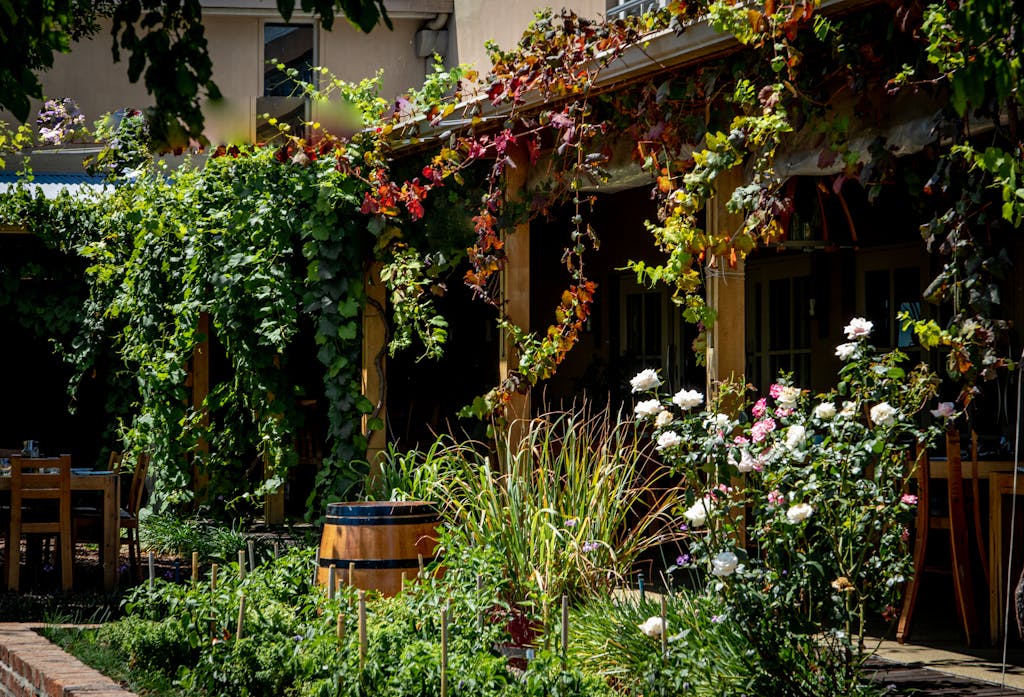
Perhaps the biggest mistake is simply accepting that your small yard can’t feel large or stylish. Many people make the error of thinking that a small space can’t have a big impact. However, it’s all about how you design it. Small yards have massive potential to shine when approached creatively.
How to Fix It: Small yards often respond best to thoughtful, intentional design. Add a sense of grandeur by using color contrast, varying heights, and strategically placing features. Choose a color palette and layout that flows well, and don’t be afraid to use creativity to maximize every inch of the space. A little planning can go a long way in making even the tiniest garden feel grand.
Conclusion
The truth is, your small yard doesn’t need to feel small. Often, the key to making a compact space feel bigger lies in the details. By avoiding common mistakes such as overcrowding, a lack of vertical elements, and poor color placement, you can transform your yard into a space that feels open and inviting. With some thoughtful design choices, your garden will look and feel far larger than its actual size.