In a world where impulse buys are as easy as a tap on your phone, Baby Boomers are living proof that old‑school financial habits have staying power.
Long before subscription apps and coffee‑on‑the‑go culture invaded our wallets, Boomers learned the art of stretching a shilling with a sharp mind and a steady hand. Their money moves are not relics of another era — they’re practical, sustainable, and as relevant today as ever. Let’s dive into the savvy habits this generation refuses to retire.
DIY Home Repairs
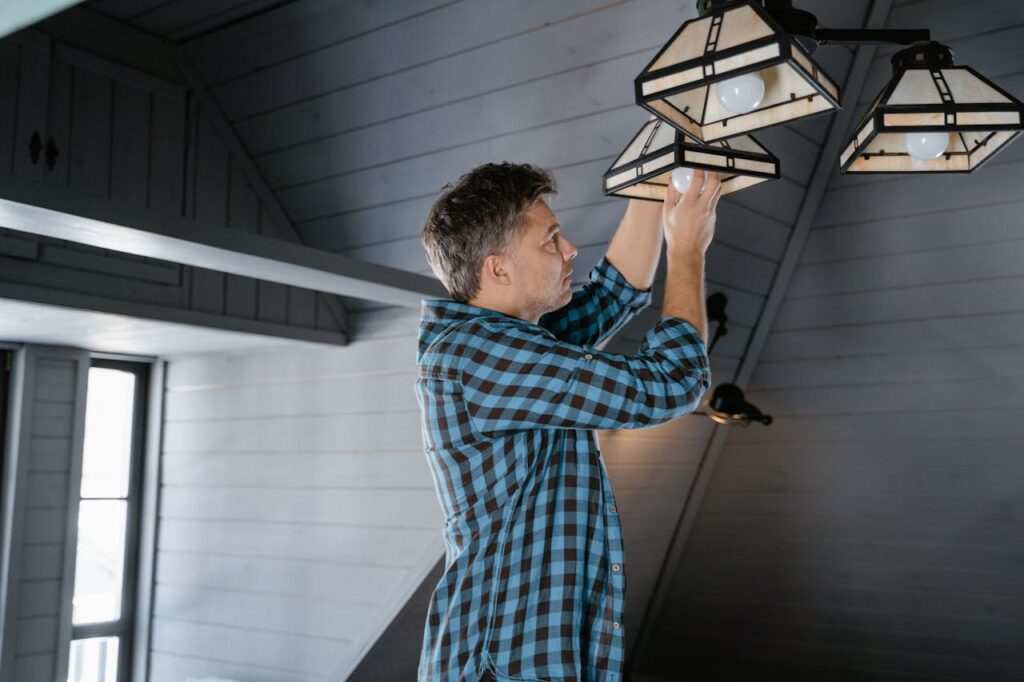
Why call a handyman when you can fix that leaky faucet yourself? Boomers grew up in a time when self‑reliance wasn’t optional — it was expected. Rather than reach for the phonebook, they reached for a toolbox. From painting walls to tightening bolts and sanding wood, home maintenance was a skill, not a service bill.
Today, there’s a wealth of online tutorials to guide even the most novice fixer — and adopting this DIY mindset still slashes repair costs while cultivating pride in what you can accomplish with a simple wrench and a bit of grit.
Quality Over Quantity
Boomers instinctively rejected throwaway culture. Instead of buying cheap items that fall apart, they looked for quality pieces that lasted for years — reliable shoes, sturdy appliances, furniture built to endure. Paying more up front might sound counterintuitive to saving, but when what you buy stands the test of time, the long‑term savings stack up.
This mindset flips planned obsolescence on its head and proves that durability is a silent, patient money‑saving strategy.
Cook Like You Mean It
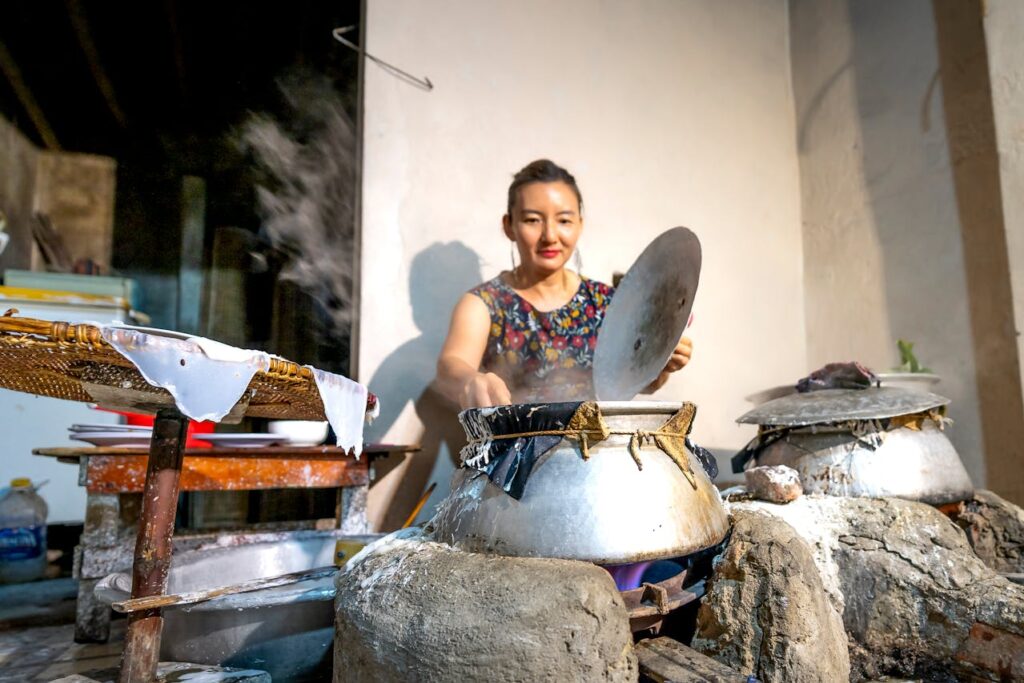
Boomers mastered the kitchen before food delivery apps even existed, and their frugality in meal prep wasn’t born of boredom — it was born of necessity. They understood that dining at home saves serious cash and still delivers nourishment that fast-food joints can’t match.
Broths simmering on the stove, casseroles that feed a family for days, and soups that turn leftovers into dinner gold — these are the meals that built budgets rather than broke them. Cooking at home isn’t just a habit; it’s a statement of intentional living that defies modern overspending.
Smart Vacationing
Travel doesn’t have to mean emptying your bank account. Boomers perfected the art of affordable getaways long before budget flights and discount sites became mainstream. Road trips, camping under the stars, and off‑peak travel weren’t “less than” — they were smart choices that delivered joy without financial hangovers.
Even when they ventured further afield, Boomers looked for deals and planned with purpose, proving that smart travel is about experience, not expense.
Preserving Food Like It’s a Lost Art
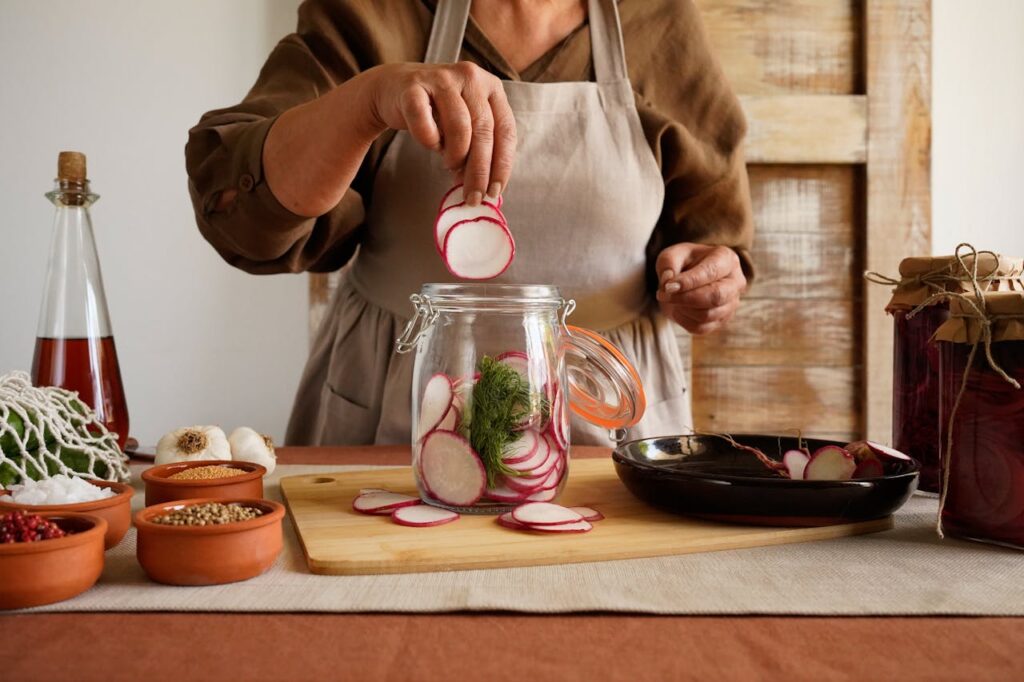
Boomers didn’t waste food. They canned, froze, pickled, and stored seasonal produce so nothing went to waste. In an age where grocery prices can sting, revisiting food preservation isn’t just nostalgic — it’s economically savvy.
It keeps food edible longer, reduces shopping frequency, and reconnects us with the rhythms of the seasons. Whether it’s jars of tomato sauce in winter or frozen greens long after harvest, preserving food is a sustainable money move with tangible benefits.
Air‑Drying Clothes
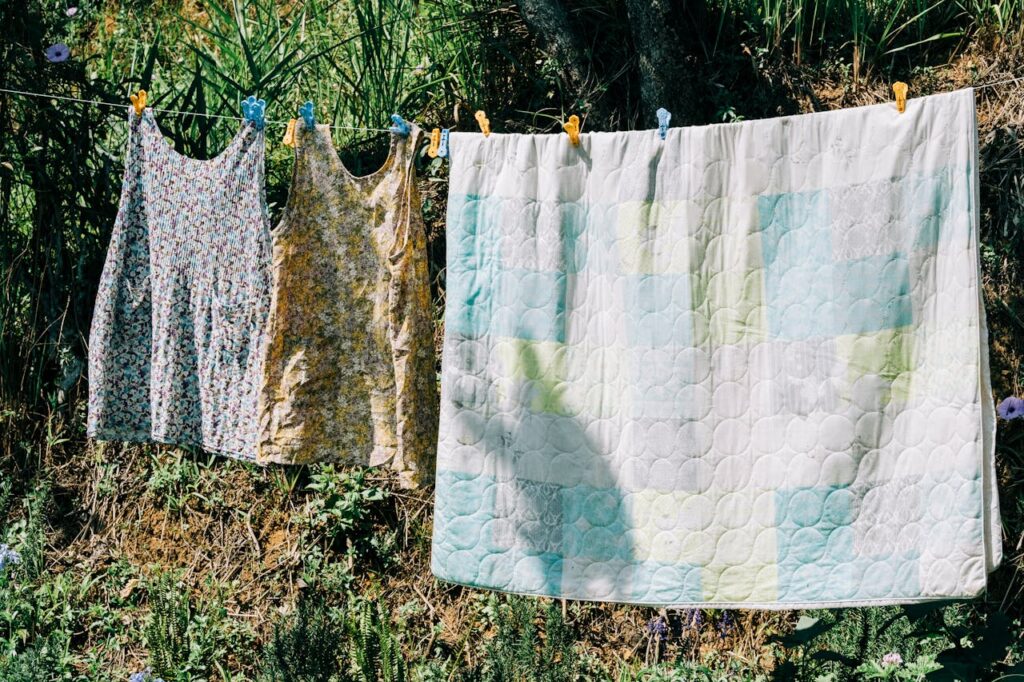
Before energy‑sucking dryers became household fixtures, Boomers hung their clothes on lines or racks to dry. As energy costs climb and utility bills bite, this simple practice has come full circle. Air‑drying reduces electricity consumption and extends the life of garments.
It doesn’t require gadgets, algorithms, or fancy subscriptions — just sunlight, breeze, and a willingness to embrace simplicity. It’s a habit that saves money and adds a little ritual to everyday life.