Setting up a drip irrigation system is a game-changer for your garden or lawn. It’s water-efficient, easy to customize, and ensures your plants get just the right amount of water.
Whether you’re new to gardening or looking to streamline your irrigation, this guide walks you through the basics of setting up a drip irrigation system to keep your plants thriving.
Why Choose Drip Irrigation?
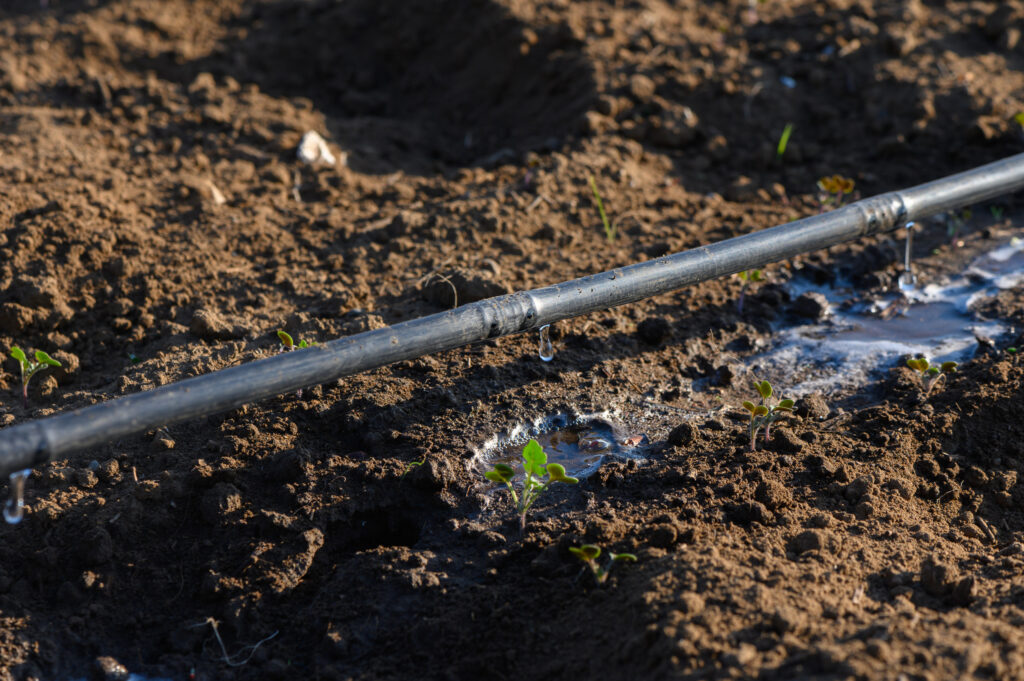
Drip irrigation is an efficient, sustainable method of watering that delivers water directly to plant roots. Unlike sprinklers, which waste water by spraying it over a broad area, drip irrigation minimizes evaporation and runoff, using less water while promoting healthier plants.
It’s perfect for raised beds, vegetable gardens, and even flower beds!
Gather Your Materials
Before diving into installation, you’ll need to gather a few essential materials:
- Drip tubing: The main pipeline that delivers water to your plants.
- Emitters: These are the small devices that release water in a slow, steady stream. They come in different flow rates depending on your plant’s needs.
- Connectors: These are used to join pieces of tubing, and can include tees, elbows, and couplings.
- Filter: A filter prevents debris from clogging your emitters and keeps the system running smoothly.
- Pressure regulator: This maintains the correct water pressure throughout the system.
- End caps: These seal the ends of your tubing.
Plan Your Layout

Start by mapping out where your plants are located and where you’ll run your irrigation lines. Consider how much water each plant requires—larger plants like trees may need more water, while smaller plants or herbs might require less.
Tip: Draw a rough sketch of your garden or lawn, indicating the placement of drip lines and emitters. This plan will guide your tubing layout.
Install the Main Line
Your main water source will be connected to a larger tubing line (mainline) that will deliver water to smaller branch lines. Start by connecting the mainline tubing to your water faucet. A pressure regulator and filter should be installed right at this point to ensure the water pressure is safe for your drip system.
Once the mainline is connected, unroll and position the tubing along the garden rows or flower beds. Use stakes to hold the tubing in place so it doesn’t shift over time.
Add Branch Lines and Emitters

From the mainline, run branch lines that will deliver water directly to your plants. This is where the emitters come in. Emitters can be inserted directly into the tubing or attached with small connectors.
The placement of emitters is crucial. For individual plants, place one emitter near each root zone. For rows of plants, you can use drip tape or tubing with pre-installed emitters spaced at regular intervals.
Tip: Be mindful of your plants’ specific watering needs. For instance, succulent plants require far less water than leafy greens, so adjust the emitter flow accordingly.
Test the System
Once everything is in place, turn on the water and check for any leaks or clogged emitters. Make sure the water flows evenly throughout the system. Adjust the emitters’ flow rate if necessary.
Testing is vital to ensure that all areas of your garden receive adequate hydration.
Set a Watering Schedule
Drip irrigation is incredibly efficient, but it’s still important to set a consistent watering schedule. For most plants, deep watering every few days is better than frequent, shallow watering. Early mornings or late afternoons are the best times to water, as evaporation is minimal then.
Tip: Invest in a timer to automate the process. This way, you’ll never have to worry about forgetting to water your plants.
Maintain Your System

Drip irrigation systems are low-maintenance, but it’s important to check on them periodically. Clean your filters regularly, ensure the emitters remain unclogged, and replace any damaged parts. Over time, algae or dirt can accumulate in the lines, so be sure to flush the system every season.