We all know the basic health tips: exercise more, eat a balanced diet, and get enough sleep. These are the obvious ones. But what about the unconventional habits that not only make you feel better but might also add years to your life? Surprisingly, some lesser-known habits backed by science could be the secret ingredients for a longer, healthier life. Think of these habits as small lifestyle changes tucked under the radar, scientifically proven to contribute to longevity.
Let’s dive into 10 unusual ways to live longer, backed by science, that you may want to start incorporating into your life.
Learn Another Language And Keep Your Brain Busy

Think learning a second language is just a fun way to impress people at dinner parties? Think again. Research suggests that bilingualism might be one of the best things you can do for your brain. Bilingual individuals show higher cognitive function, and studies have found that learning a new language can delay the onset of dementia by up to 5 years.
The brain thrives on challenge. The more you force it to engage, the better it performs. Learning a language isn’t just about memorizing new words; it’s about keeping your cognitive function sharp and your brain active. Plus, it could be the perfect way to keep yourself mentally agile as you age.
Key Takeaway: Learning a second language is a simple yet highly effective way to delay cognitive decline and enhance brain health.
Volunteer For Something Bigger Than Yourself
If you want to live longer, it turns out you might need to help others. Research has consistently shown that people who volunteer have lower mortality rates than those who don’t. In fact, volunteering has been linked to improvements in physical health, mental well-being, and longevity.
The benefits of volunteering go beyond feeling good about yourself. Engaging in activities that promote a sense of purpose, community, and connection is a powerful way to lower stress and enhance longevity. Whether you’re helping at a food bank, tutoring kids, or working with an environmental group, the act of giving back could be exactly what your body and mind need to thrive.
Key Takeaway: Volunteering connects you to something greater than yourself and boosts your health by giving you a sense of purpose and community.
Eat Slightly Less Than You Want To

It sounds counterintuitive, doesn’t it? We’re all used to hearing the “eat until you’re full” mantra. But research is showing that moderation, even eating slightly less than we’re hungry for, could play a key role in longevity. Studies on calorie restriction have shown that reducing caloric intake without depriving the body of essential nutrients can lower the risk of chronic diseases such as heart disease, diabetes, and cancer.
While calorie restriction might not be a one-size-fits-all solution, the benefits are clear: a small, sustained reduction in calorie intake could help reduce inflammation and enhance metabolic health. So, next time you’re about to reach for that second helping, ask yourself: “Am I eating because I’m full or because I’m bored?” If it’s the latter, perhaps this is one habit worth trying.
Key Takeaway: The key isn’t starving yourself; it’s eating just enough to nourish your body, giving it time to reset and reduce harmful inflammation.
Build A Real Sense Of Purpose
Living without purpose can lead to burnout, stress, and poor health. On the other hand, having a strong sense of purpose has been consistently linked to lower risks of premature death. Research from Harvard suggests that having a clear purpose in life is a significant contributor to overall well-being and longevity. People who feel their lives have meaning tend to take better care of themselves, manage stress better, and engage in positive behaviors that increase their life expectancy.
Purpose can come from many areas: raising a family, building a career, or contributing to a cause. It’s about having something to wake up for every morning. So, ask yourself, what’s your “why?”
Key Takeaway: A strong sense of purpose is one of the most important predictors of a longer, healthier life.
Use Heat Like A Health Habit

Sauna bathing might seem like a luxurious way to relax, but it actually has significant health benefits. Research from Finland shows that regular sauna use is linked to a reduced risk of heart disease, stroke, and even early death. The practice of heating the body can help relax blood vessels, improve circulation, and reduce stress levels.
It turns out that exposing your body to heat in moderation could be more than just a self-care ritual. Studies have found that frequent sauna use is associated with lower blood pressure and better cardiovascular health. So, next time you’re debating between a workout or a sauna session, remember: it’s a win either way.
Key Takeaway: Regular sauna use can lower your risk of cardiovascular diseases and improve your overall health by promoting better circulation and relaxation.
Live Where Walking Is Built Into Life
The idea of living in an area designed for walking might sound boring, but the benefits are significant. Studies show that people who live in walkable communities tend to have lower rates of obesity, heart disease, and even depression. This is likely because walking naturally increases physical activity, decreases stress, and provides opportunities for social interaction.
The key here is simple: when you live in a place where walking is the norm, it becomes easier to stay active without even thinking about it. Whether it’s walking to the local coffee shop, taking the stairs instead of the elevator, or strolling in the park, these little habits add up over time.
Key Takeaway: Living in a walkable area encourages daily physical activity, which is crucial for maintaining health and longevity.
Garden More Than You Scroll

Gardening isn’t just for retirees or those with a green thumb it’s a surprisingly effective longevity habit. Research shows that gardening can lower your risk of depression, reduce anxiety, and improve your overall quality of life. It’s also been found to improve physical health by encouraging regular movement and time spent outdoors.
While scrolling through your phone may keep you entertained for hours, gardening keeps you engaged in the real world and helps improve mental and physical health. Whether you’re tending to vegetables or simply enjoying the beauty of flowers, spending time in nature is a powerful way to increase longevity.
Key Takeaway: Gardening is a form of light exercise that connects you to nature, helps relieve stress, and improves mental well-being.
Be More Conscientious, Even If It Makes You Less “Fun”
Conscientiousness, a trait marked by attention to detail, organization, and responsible behavior, might not sound like the life of the party, but it’s a key predictor of longevity. Research shows that conscientious individuals tend to take fewer risks, avoid dangerous behaviors, and make choices that promote long-term health. They are also more likely to stick with healthy routines and manage stress effectively.
While the free-spirited lifestyle is often celebrated in pop culture, conscientiousness offers a steadier path to a longer life. Taking care of your body, managing your time well, and making thoughtful decisions could contribute to a longer, healthier life.
Key Takeaway: Conscientious people may not live on the edge, but their careful decisions lead to healthier and longer lives.
Stay Connected To A Faith Community Or A Strong Ritual Community
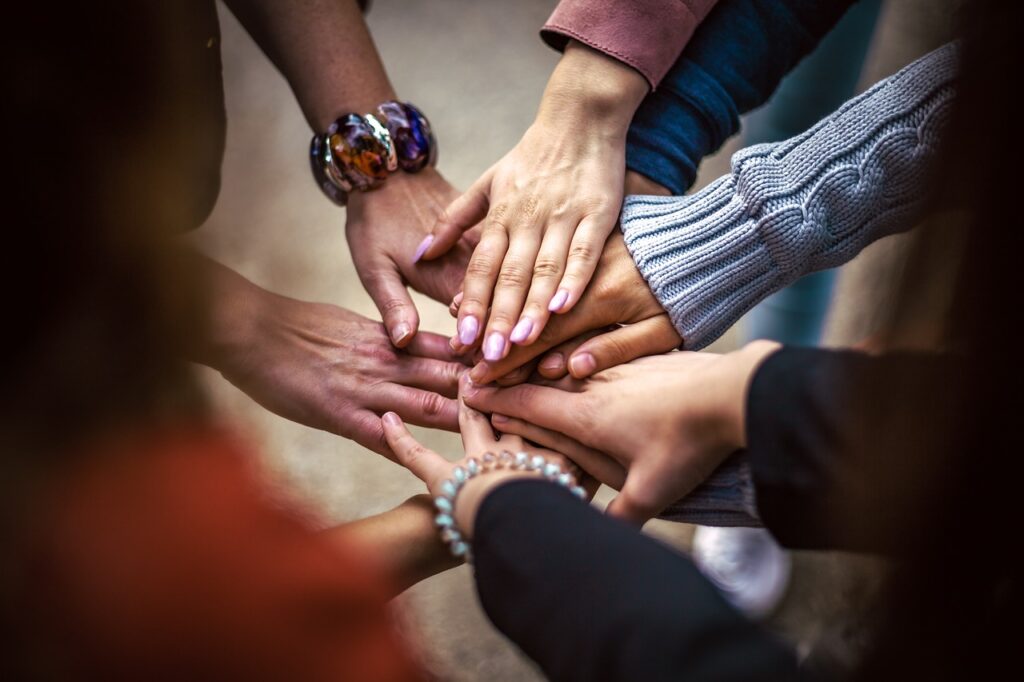
Whether it’s a religious group, a book club, or a neighborhood group, being part of a community can extend your life. Research has found that individuals who engage in regular social or spiritual practices tend to live longer. Having regular opportunities to bond with others, share experiences, and engage in a sense of belonging has proven to be a key contributor to improved mental health and longevity.
For many people, faith-based communities provide not only emotional support but also a sense of structure and purpose that contributes to healthier, longer lives. Regardless of belief, being part of a ritual community is linked to lower rates of anxiety and depression, and higher levels of life satisfaction.
Key Takeaway: A strong sense of community, especially one built around shared rituals or faith, is a powerful force for mental and physical health.
Protect Your Finances Like They Are Part Of Your Health Plan
Money may not buy happiness, but financial stability is crucial for longevity. Studies show that people with higher incomes live longer lives, mainly because they have access to better healthcare, healthier food, and safer living conditions. Managing your finances wisely can reduce stress and increase opportunities for preventive care, both of which contribute to a longer life.
Financial stress is linked to a host of negative health outcomes, including hypertension and increased rates of chronic disease. Taking control of your financial future may seem boring, but it pays off in better health and a longer life.
Key Takeaway: Financial stability provides access to better resources and lower stress, both of which can contribute to a longer, healthier life.
Conclusion
Living longer isn’t just about eating kale and running marathons. It’s about making small, sustainable changes to your habits that enhance your mental, physical, and emotional health. The key to a long life lies in consistently adopting habits that nurture your body, mind, and spirit every single day.
By incorporating some of these unusual but scientifically-backed habits into your daily routine, you’re setting yourself up for not just more years, but better quality years. And let’s face it, who doesn’t want that?