Many of us assume that a food is healthy just because it’s labeled “low-fat,” “sugar-free,” or “plant-based.” In reality, a single catchy feature can distract you from a bigger problem. With so many “healthy” foods on the market, it’s easy to fall into the trap of overestimating their benefits. The truth is that some foods that seem nutritious might not be as good for you as they appear. Instead of blindly following health trends, it’s important to look at the full nutritional profile, including sugar content, salt, fiber, and processing methods.
Here are 10 foods that might appear healthy but could do more harm than good.
Vegetable Oils
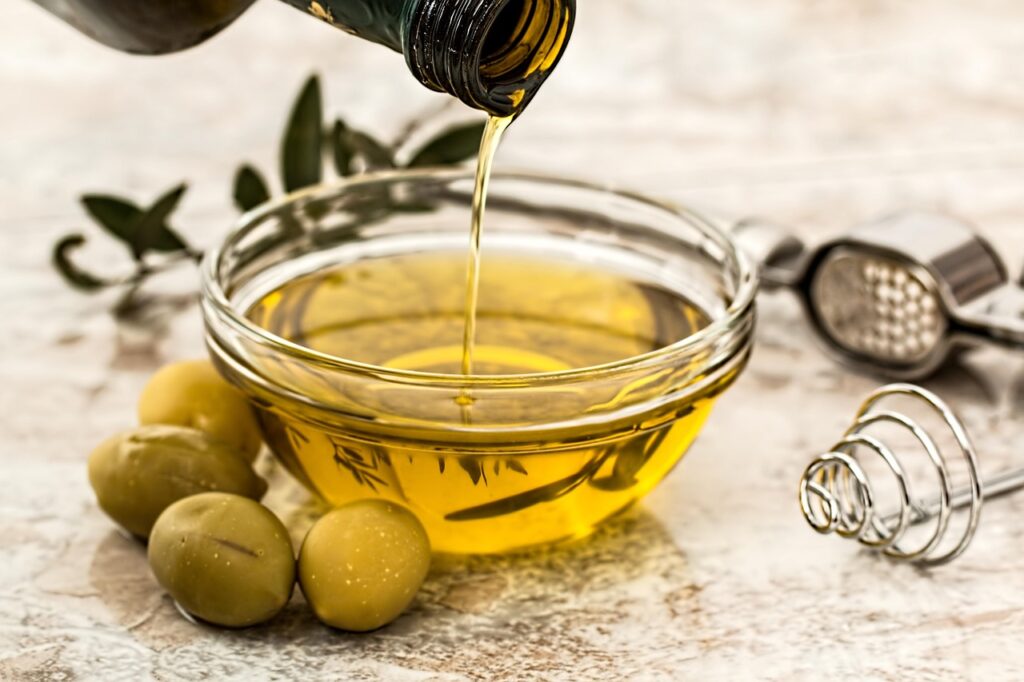
Vegetable oils, such as canola, corn, or soybean oil, are often hailed as healthier alternatives to butter or animal fats. In reality, though, vegetable oils aren’t always the best choice, especially when it comes to highly processed varieties. While oils like olive oil and canola oil are considered good sources of monounsaturated fats, it’s important to be aware of how vegetable oils are used. Frequent deep frying, reheating oils, or relying on palm oil (a tropical oil high in saturated fat) can offset their benefits. Moderation and selection are key when incorporating oils into your diet.
Diet Soda
Many people turn to diet soda as a “healthier” alternative to regular sugary soda, but it may not be the miracle switch you think it is. While diet soda contains fewer calories, studies have shown that artificial sweeteners like aspartame and sucralose may interfere with your metabolism, causing cravings for sugary foods. These sugar substitutes also don’t help you develop a healthy relationship with taste, which makes it easy to end up eating more sugar-filled snacks. If you want to quench your thirst, it’s better to stick with water or homemade sparkling water with a squeeze of lemon.
Refined Pasta
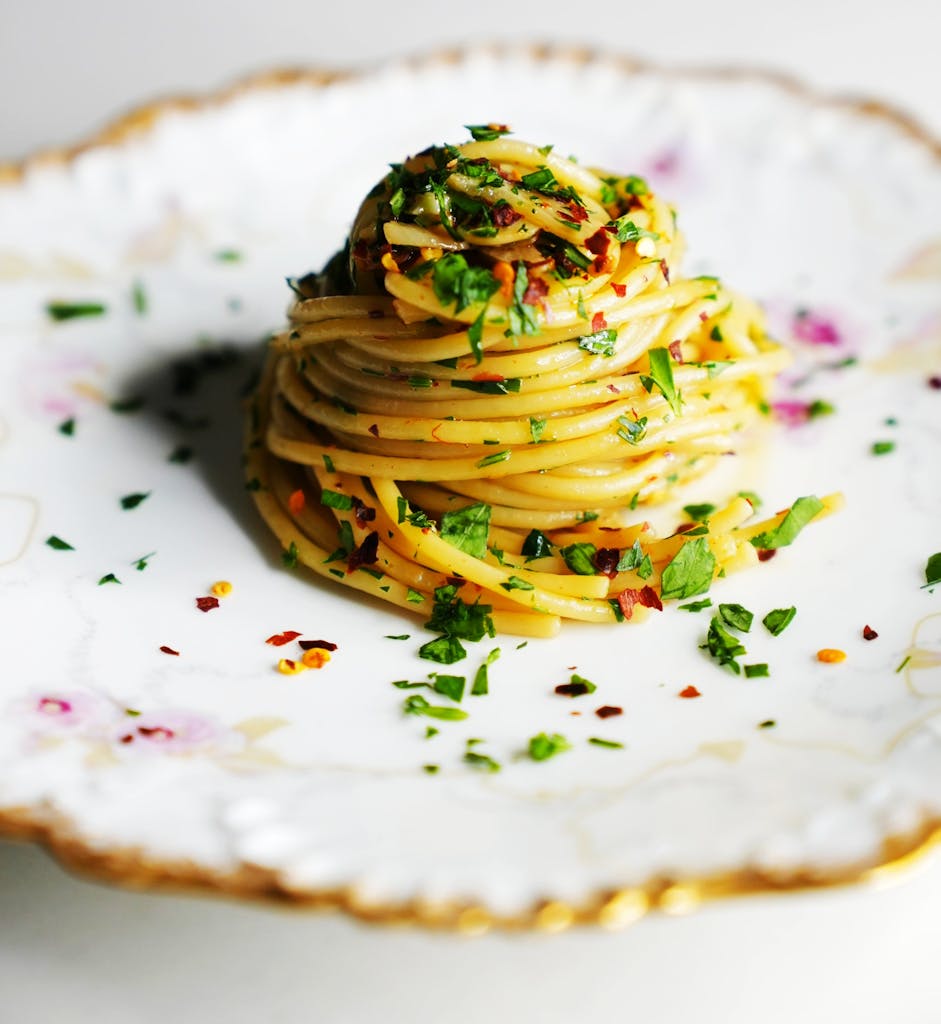
Refined pasta often gets a free pass because it’s quick, easy, and a staple in many homes. However, this type of pasta is often made with refined white flour, which is low in fiber and lacks the nutrients found in whole grains. Whole-grain pasta offers more fiber, protein, and essential nutrients, making it a better choice for long-term health. When consumed in excess, white pasta can contribute to weight gain and blood sugar imbalances. Instead, look for whole-grain varieties or limit your portion sizes to keep things balanced.
Instant Soup Mixes
Instant soup mixes are convenient, but they often come with hidden health risks. Many of these mixes are packed with sodium, preservatives, and unhealthy fats, making them more like salty snacks than nutritious meals. A single serving of canned or instant soup can easily exceed your daily sodium intake, contributing to high blood pressure and heart disease. To avoid the sodium overload, consider making your own homemade soups or opting for low-sodium versions.
White Bread

White bread has long been a household staple. But what many don’t realize is that it’s made from refined grains that have been stripped of fiber, vitamins, and minerals. This means that white bread contributes little to your nutritional intake and may even spike your blood sugar. Switching to whole-grain or sprouted bread options can provide more nutrients and keep you feeling full longer. So next time you’re making a sandwich or toast, go for the whole grain option, your body will thank you!
Ketchup
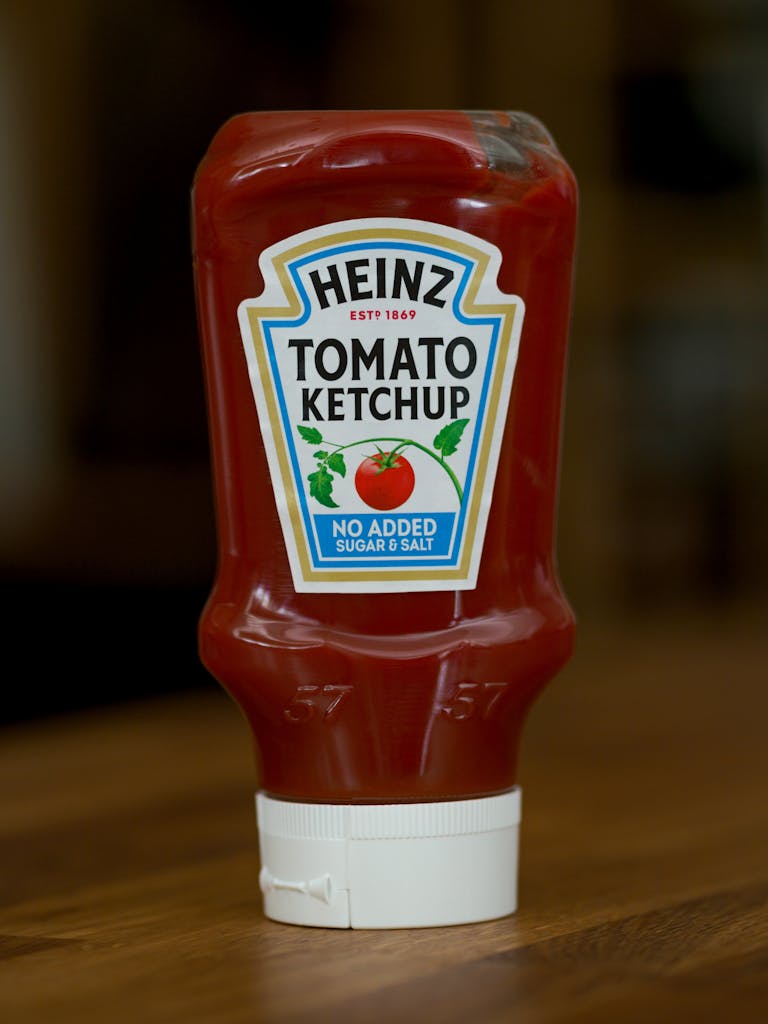
Although ketchup is technically made from tomatoes, a key ingredient, the added sugar and sodium can make it less of a nutritional powerhouse and more of a sugar delivery system. Ketchup is commonly added to burgers, fries, and other snacks, but its sugar and salt content can quickly add up. If you’re looking to get more nutritional value from tomatoes, go for fresh or homemade salsa or marinara, which have fewer additives and more nutrients.
Peanuts
Peanuts are often labeled as a healthy snack due to their unsaturated fats, fiber, and protein content. However, the problem arises when they are roasted with salt, sugar, or other unhealthy additives. While plain, unsalted peanuts are an excellent source of nutrition, flavored or roasted peanuts can add excessive amounts of sodium, sugar, and unhealthy fats. Opt for raw, unsalted peanuts or peanut butter made with minimal ingredients to get the full health benefits without the added sugars or sodium.
Processed Cheese

Processed cheese products, such as slices or “cheese food,” often appear as easy snacks or meal additions. They melt beautifully, but what they lack in nutritional quality, they make up for in preservatives, sodium, and artificial flavors. These types of cheese have fewer nutrients than whole milk cheeses, such as cheddar or mozzarella, which retain more of the beneficial fats and proteins found in the milk. If you’re craving cheese, choose the real stuff in moderation to avoid excess sodium and unnecessary additives.
Soy Sauce
Soy sauce might seem like a harmless condiment, but it’s loaded with sodium, which can contribute to hypertension and water retention. Just one tablespoon of regular soy sauce contains about 1,000 milligrams of sodium, which is about half the recommended daily intake for an adult. Instead of using regular soy sauce, consider switching to low-sodium varieties or experimenting with other condiments like tamari, which offers a similar taste with less salt. If you’re using soy sauce in your cooking, be mindful of the quantity and use it sparingly.
Fruit Juice
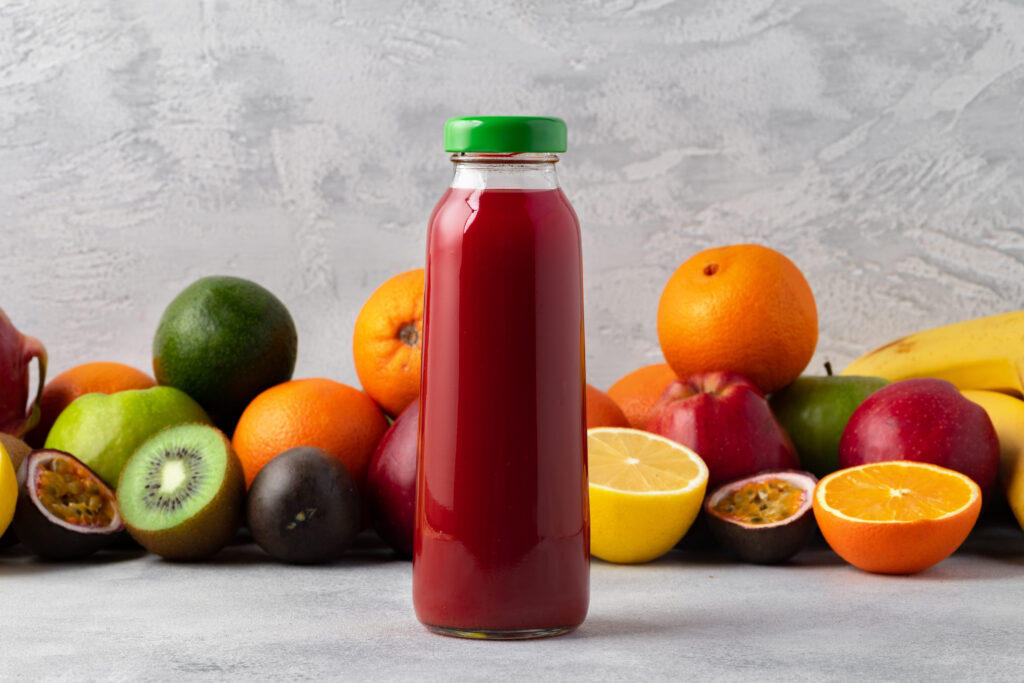
Many people think of fruit juice as a healthy drink choice because it’s made from fruit, but it’s not as good for you as you might think. Even though 100% fruit juice contains vitamins and minerals, it lacks the fiber found in whole fruit and can contribute to excess calorie consumption. Drinking fruit juice frequently has been linked to weight gain and an increased risk of type 2 diabetes. Instead, focus on whole fruits, which are packed with fiber and will keep you fuller longer.
Conclusion
While these foods may seem healthy at first glance, they’re often more processed than we realize. The key is moderation, ingredient awareness, and making healthier choices when possible. Don’t be swayed by labels or marketing gimmicks. Take the time to read the nutritional facts and think about how your food fits into your overall lifestyle. Keep these tips in mind next time you shop, and you’ll have the tools you need to make better choices for your health.