Fruits have been part of human history for centuries, nourishing us, delighting our taste buds, and even symbolizing various cultures. However, the stories behind some of our most beloved fruits are not as sweet and simple as we might imagine.
Many fruits have had surprising, unexpected journeys through time. Their origins, cultural significance, and even the very names they carry today are deeply rooted in history.
Here are 10 fruits with fascinating histories that might change the way you view them!
Kiwifruit- The Unlikely Kiwi Origins
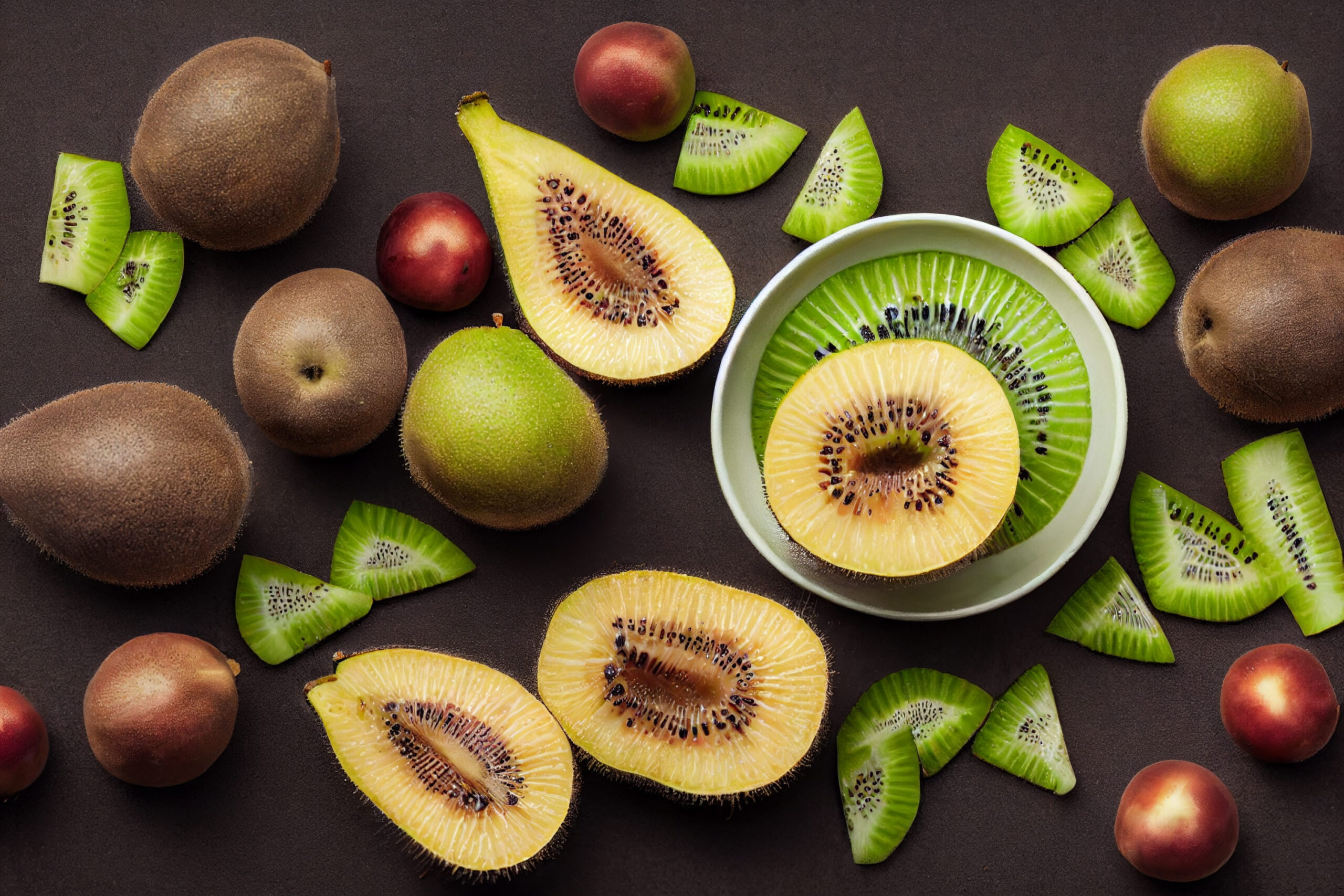
Though often associated with New Zealand because of its name, the kiwifruit actually originated in China. Known in China as the “macaque peach,” it earned its name due to its popularity among monkeys.
However, the fruit’s journey to international fame was not without its twists. Initially called the Chinese gooseberry, it was renamed in the 20th century for marketing reasons.
During the Cold War, New Zealand capitalized on its association with the kiwi, a native bird symbol of the country. This clever rebranding led to the fruit’s global popularity.
Today, kiwifruit is exported worldwide, especially from New Zealand, and is a delightful reminder of how branding can reshape history.
Pineapple- A Symbol of Wealth and Power
The pineapple, with its exotic appearance and intense sweetness, has long been a symbol of luxury and hospitality. Native to the Americas, it was a key part of the Carib Indians’ trade and rituals.
When Christopher Columbus’s crew first encountered pineapples on their journey to the Caribbean, they were initially puzzled by the fruit, which they soon associated with cannibalism due to its presence near body parts in abandoned villages.
As it reached Europe, the pineapple quickly became a rare commodity reserved for royalty. In colonial America, people would rent pineapples to display at feasts, signifying wealth and status. Its journey from an exotic rarity to a global favorite speaks volumes about its cultural significance.
Tomato- From Toxicity to Culinary Staple
For centuries, Europeans feared tomatoes. This bright red fruit, a member of the nightshade family, was once thought to be poisonous. The deadly combination of acidic tomato juice and the lead in pewter plates caused wealthy Europeans to die from lead poisoning.
Moreover, caterpillars that infested tomatoes were believed to render the fruit toxic. Yet, it wasn’t just fear that kept tomatoes at bay.
Early American settlers had no issues with tomatoes. Still, it wasn’t until the Civil War, when the fruit became a popular canned food, that tomatoes really gained their place in kitchens across America.
It wasn’t until the late 1800s, however, that Italians helped popularize tomatoes in the form of pizza, finally dispelling any lingering myths.
Avocado… Saved from Extinction
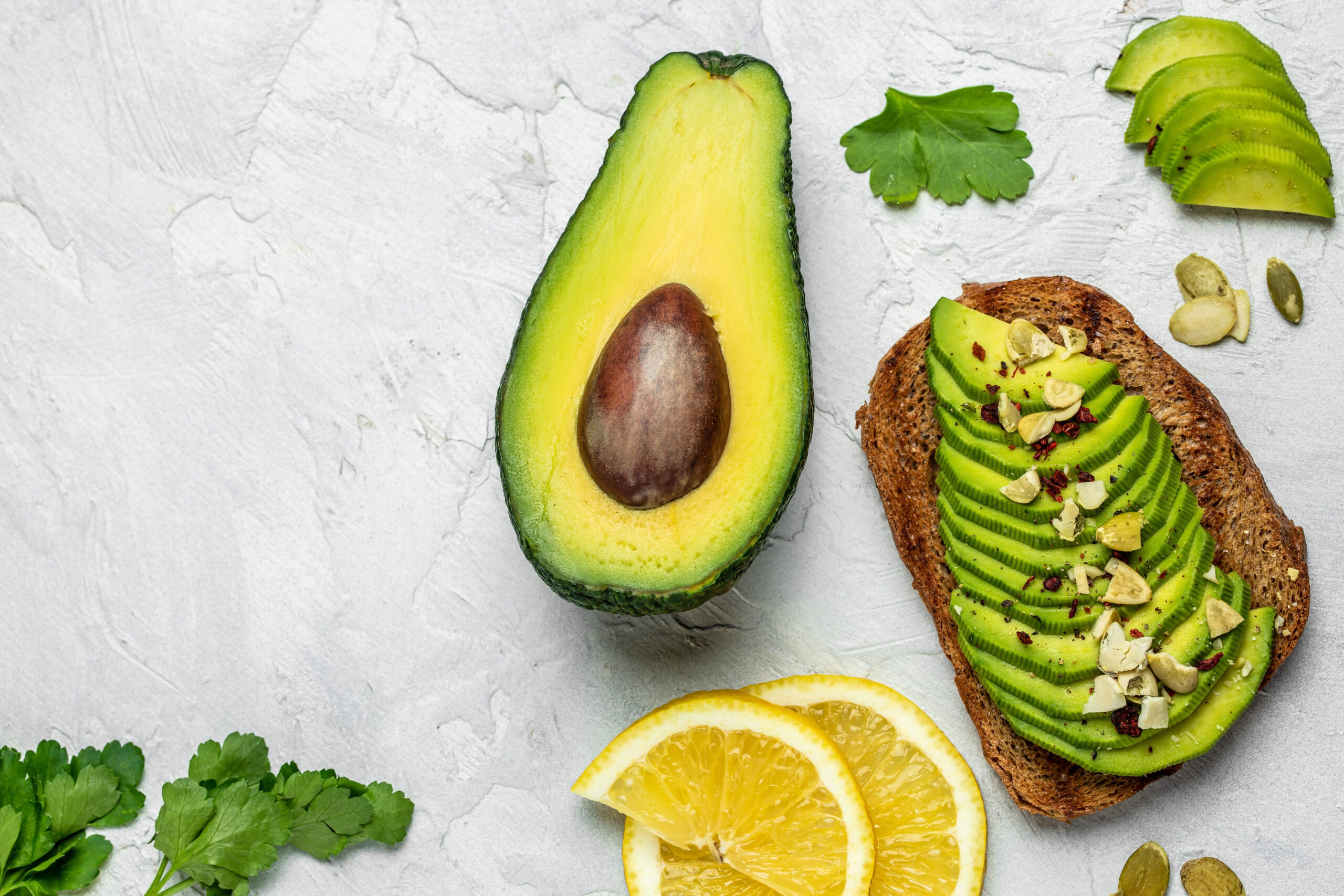
Before agriculture, the avocado’s large seed was dispersed by giant mammals that roamed the Earth. After the extinction of these megafauna at the end of the Ice Age, avocados faced a serious threat of extinction due to the absence of suitable seed dispersers.
Enter humans. Central American cultures began cultivating avocados thousands of years ago. The Aztecs believed the fruit had aphrodisiac qualities and even kept young women indoors during avocado harvests to maintain their purity.
The avocado’s fascinating survival story is a testament to the ingenuity of ancient agricultural practices that saved it from disappearing entirely.
Pumpkin- A Tradition Turned Festive
The pumpkin’s history in America dates back to the early days of colonialism, but its true rise to fame came in the 19th century. Early settlers praised the pumpkin’s nutritional value and long storage life, making it a staple food during harsh winters.
In fact, the pumpkin became so integral to early American life that it was even celebrated in song. While the tradition of carving pumpkins into jack-o’-lanterns originated from European practices using root vegetables like turnips, it wasn’t until pumpkins were introduced to America that the tradition truly took off.
Today, pumpkins are most closely associated with Halloween and harvest festivals, but their roots in early American life are far more practical.
Chili Pepper- A Fiery Evolution
Chili peppers are known for their heat, but did you know their evolution was driven by animals? The chili plant developed capsaicin, the chemical responsible for its spiciness, to prevent animals from eating its seeds.
Ironically, humans developed a love for the intense heat, and today chili peppers are a staple in many cuisines worldwide. In Latin American cultures, chili peppers are not only a food ingredient but also hold medicinal value.
The Aztecs and Maya used chili peppers as both a food and medicine, and their fiery reputation has made them an integral part of Latin American identity.
Strawberry- A Global Love Story

The story of the strawberry’s cultivation is nothing short of romantic. The modern garden strawberry, so beloved today, is the result of a historical union between the European and North American varieties.
The connection was made possible by King Louis XIV of France, who sent a spy to Chile and Peru to discover their larger strawberries.
Meanwhile, the Virginia strawberry had already reached France. When these two species were cross-pollinated in Europe, the result was the juicy, large strawberries we now enjoy.
This international collaboration across continents gave birth to the strawberry we love today, symbolizing the power of both nature and history.
Apple- A Drink of History
While apples have always been a staple fruit, their true history goes far beyond being eaten fresh. In early America, apples were often used to make cider, an alcoholic drink much safer to consume than water, which was often contaminated.
Early American settlers used apples to make cider, a nutritious and reliable beverage. During Prohibition, when alcohol production was banned, apples were marketed as a direct substitute, leading to the cultivation of sweeter, more edible apple varieties.
Today, apples remain one of the most versatile fruits, enjoyed fresh, baked into pies, and juiced into cider.
Rhubarb: A Tangy Past
Rhubarb has had a somewhat tumultuous history. Known for its medicinal qualities, it was a valuable commodity during the 19th century.
Interestingly, it was once considered so vital that, during the Opium Wars, China threatened to withhold rhubarb from trade, believing it was so important that its absence could harm Western nations’ health.
Although China’s threat wasn’t taken seriously, rhubarb became a staple in European kitchens, often used in desserts such as pies. Today, it’s widely enjoyed for its tart flavor, though its historical importance as a medicinal herb is often overlooked.
Breadfruit- The Fruit of a Mutiny

Breadfruit’s history is entwined with one of the most famous mutinies in history, the Mutiny on the Bounty. British sailors, led by Captain William Bligh, were tasked with collecting breadfruit plants from Tahiti to help feed enslaved people in the West Indies.
However, the mission took a turn when the crew mutinied, led by Fletcher Christian. Despite the mutiny, Bligh’s later successful voyage brought the breadfruit to the Caribbean, though it was ultimately rejected by the slaves due to its bland taste.
Today, breadfruit is enjoyed in tropical regions around the world, but its tumultuous history is a reminder of how food can shape history in unexpected ways.
Conclusion
The histories of common fruits reveal more than just culinary preferences; they’re intricately tied to human survival, cultural shifts, and the evolution of agricultural practices.
From the ancient cultivation of avocados to the fiery legacy of chili peppers, each fruit carries with it a story that goes beyond the grocery aisle.
Understanding the fascinating origins of these fruits not only deepens our appreciation for them but also connects us to the histories that have shaped our food culture.