Romance does not belong to humans alone. Across the natural world, we find devotion, ritual, loyalty, patience, sacrifice, and displays so elaborate that they can make our own dating habits look lazy. Some animals court with dance, some build works of art, some stay together for years, and some protect their young with a level of teamwork that feels deeply familiar.
We do need to be careful about projecting human emotions onto wildlife, yet it is hard to ignore the patterns. Again and again, we see pair bonds, courtship displays, reunion rituals, nesting partnerships, and acts of care that give the word romance real weight. In that spirit, we can look at ten of the world’s most romantic animals and appreciate the striking ways they attract mates, stay bonded, and raise the next generation.
Albatrosses
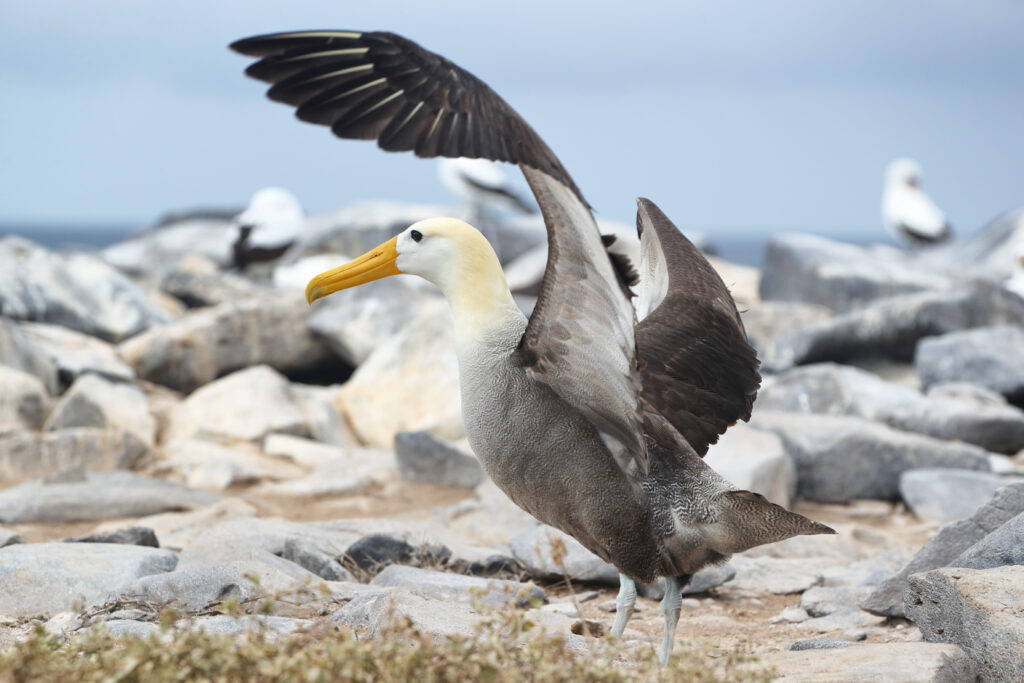
If we want a true symbol of lasting devotion in the animal kingdom, we can begin with the albatross. These ocean wanderers travel astonishing distances over open water, yet many return to the same breeding grounds and reunite with the same partner year after year. Their relationships are built on patience, repetition, and trust, and that alone places them among the most romantic animals in the world.
Their courtship is not rushed. Young albatrosses spend years practicing dances, gestures, calls, and synchronized movements before they settle into a lasting bond. Once a pair forms, they often remain together for life, meeting again after long separations at sea. That reunion is not casual. It is marked by the same careful choreography that helped build the bond in the first place, which gives their love story a powerful sense of continuity.
Their dedication has a practical side, but it is no less moving for that. Albatrosses typically invest heavily in a single egg, and raising a chick requires long periods of cooperation. We see a relationship built on reliability, distance, and return, which is a version of romance many species, including ours, would recognize instantly.
Seahorses
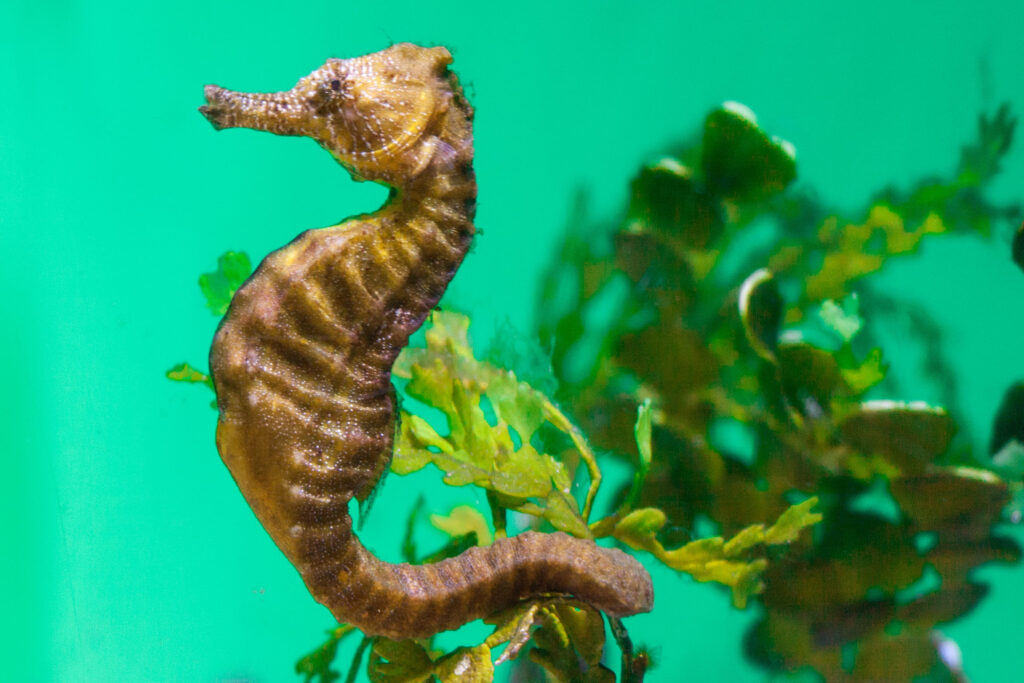
Few animal relationships look as tender and unusual as the courtship of seahorses. Before mating, pairs may spend days moving together in slow, graceful dances. They mirror one another, circle delicately, and appear to test rhythm and timing before the next step of their bond. The whole process feels less like a scramble for reproduction and more like a ceremony.
Then comes the famous reversal that makes seahorses unforgettable. The female places her eggs into the male’s brood pouch, and the male carries them until they hatch. In the natural world, that degree of paternal investment is rare, and it transforms the image of romance into something more balanced and collaborative. We are not just looking at attraction here. We are watching shared responsibility take center stage.
That is part of the charm. The dance is beautiful, but the partnership is even more compelling. We see courtship, trust, transfer, incubation, and release woven into one extraordinary cycle. Among the most romantic animals, seahorses stand out because their bond feels like a quiet agreement, each partner bringing something essential to the life they create together.
Bowerbirds
If romance includes style, presentation, and the ability to create a setting no one forgets, bowerbirds may be the undisputed champions. Male bowerbirds build elaborate structures known as bowers and decorate them with anything bright, striking, or visually pleasing. Berries, shells, petals, feathers, and even human-made objects can become part of the scene.
This is not random collecting. It is selective, careful, and deliberate. The arrangement matters. Color groupings matter. Symmetry can matter. The male then performs around the bower, combining architecture with movement in a display designed to capture the attention of a female who may visit multiple suitors before making her choice. We are looking at curation, performance, and courtship rolled into one.
That combination gives bowerbirds a special kind of romance. They do not rely on force or speed. They build atmosphere. They show taste, effort, and persistence. Even if the female later raises the chicks on her own, the courtship itself remains one of the grandest displays in the animal kingdom, and one of the clearest examples of love expressed through beauty and presentation.
Wolf eels
At first glance, wolf eels do not look like ambassadors of romance. Their long bodies, blunt heads, and heavy jaws give them an intimidating appearance, and they are not the kind of animal most people would expect to appear on a list like this. Yet that contrast is exactly what makes their story so appealing.
Wolf eels are known to form long-term mating pairs, often sharing the same rocky crevice as a home base. When breeding season arrives, the female lays a mass of eggs, and both partners take part in guarding them. This cooperative care changes the picture entirely. Behind the rough exterior, we find loyalty, shared territory, and a real investment in the next generation.
There is something especially charming about romance showing up where we least expect it. Wolf eels remind us that the most striking love stories in nature are not always flashy. Sometimes romance looks like staying close, protecting a nest, and returning to the same partner season after season. That makes them one of the most surprising romantic animals in the ocean.
Great hornbills
Great hornbills take commitment to an astonishing level. After mating, the female seals herself inside a tree cavity using a wall made from mud, fruit pulp, and waste, leaving only a narrow slit through which the male can pass food. She remains enclosed while incubating the eggs and caring for the young, which means the male becomes her lifeline.
That setup demands a rare degree of trust. Once the female is sealed in, she depends almost entirely on her mate for nourishment. He must return again and again with food, and his reliability determines the family’s survival inside the nest. In a world filled with brief pairings and opportunistic mating, this arrangement feels extraordinary.
We can call it extreme, but we can also call it intimate. Great hornbills build a family unit that is physically separated from the world and held together by repeated acts of care. Their romance is not showy. It is practical, demanding, and proven through consistent devotion. That makes it one of the strongest examples of partnership among romantic birds.
Mantis shrimp
Mantis shrimp are often described by their violence. They are powerful predators with lightning-fast strikes, vivid coloration, and eyes so advanced they seem almost unreal. Yet beneath that fierce reputation, some species display a form of monogamy that makes them unexpectedly endearing.
In certain species, pairs share a burrow and remain together over time rather than treating reproduction as a brief encounter. That alone is notable among marine invertebrates. The female lays eggs and tends them with extraordinary care, cleaning and aerating them while staying close to the nest. The male may not carry the same parenting burden, but the pair bond itself remains significant.
What makes mantis shrimp romantic is the tension between appearance and behavior. We expect aggression and get loyalty. We expect chaos and find a stable domestic arrangement hidden inside a burrow. Nature often saves its sweetest surprises for the creatures that look least suited for tenderness, and mantis shrimp fit that pattern perfectly.
Bonobos
Bonobos bring a very different dimension to animal romance. They are among our closest living relatives, and their societies are famous for using physical affection and sexual behavior to reduce tension, reinforce relationships, and keep peace within the group. In their world, closeness is not hidden away. It is woven into social life.
That gives bonobos a fascinating place in any discussion of romantic animals. They remind us that intimacy is not always limited to pair bonding or parenting. It can also be a language of reassurance, status, friendship, and emotional regulation. Their social world is softer and less violent than that of common chimpanzees, and affection plays a visible role in maintaining that balance.
In romantic terms, bonobos broaden the definition. We are not simply looking at mates choosing each other and raising offspring. We are seeing connection used as a stabilizing force. That does not make their relationships identical to ours, but it does highlight something deeply recognizable: the idea that closeness can calm fear, reduce conflict, and strengthen community.
Anglerfish
No list of unusual romantic animals would be complete without the anglerfish. In some deep-sea species, the tiny male finds a female, bites her, and gradually fuses with her. Over time, his tissues merge with hers, his independent life fades, and he remains attached as a permanent reproductive partner.
This is one of the strangest mating systems in the natural world, and calling it romance requires a generous imagination. Yet in biological terms, it is an ultimate union. The male does not court with spectacle or song. He commits with total permanence. In the darkness of the deep sea, where encounters can be rare and brief, that extreme bond becomes a brutally effective solution.
What makes anglerfish memorable is the sheer intensity of the arrangement. We do not find elegance here. We find total attachment, complete dependence, and a relationship so close that separation effectively disappears. It is unsettling, fascinating, and impossible to forget, which earns anglerfish a place among the most extraordinary love stories in nature.
Blood flukes
Blood flukes may be the least charming creatures on this list, yet their relationships remain strangely compelling. These parasitic flatworms were once believed to mate for life because the male encloses the female within a specialized groove on his body, carrying her with him as they live and reproduce inside a host. It seemed, for a long time, like one of the most literal examples of a lasting embrace in nature.
Later observations complicated that picture. Under certain conditions, females may leave one partner and reproduce with another, suggesting their bond is less fixed than first imagined. Even so, the closeness of the pairing remains extraordinary. The female’s position within the male’s body channel creates a physical intimacy rare in the animal kingdom, even if it is driven by survival rather than sentiment.
Their place on this list comes from that contradiction. Blood flukes look like a biological version of inseparable love, yet the reality includes flexibility, competition, and opportunism. In that sense, they reflect a harder truth about romance in nature. Even the tightest pair bonds can be shaped by changing circumstances, which makes them oddly relatable despite their parasitic lives.
Pufferfish
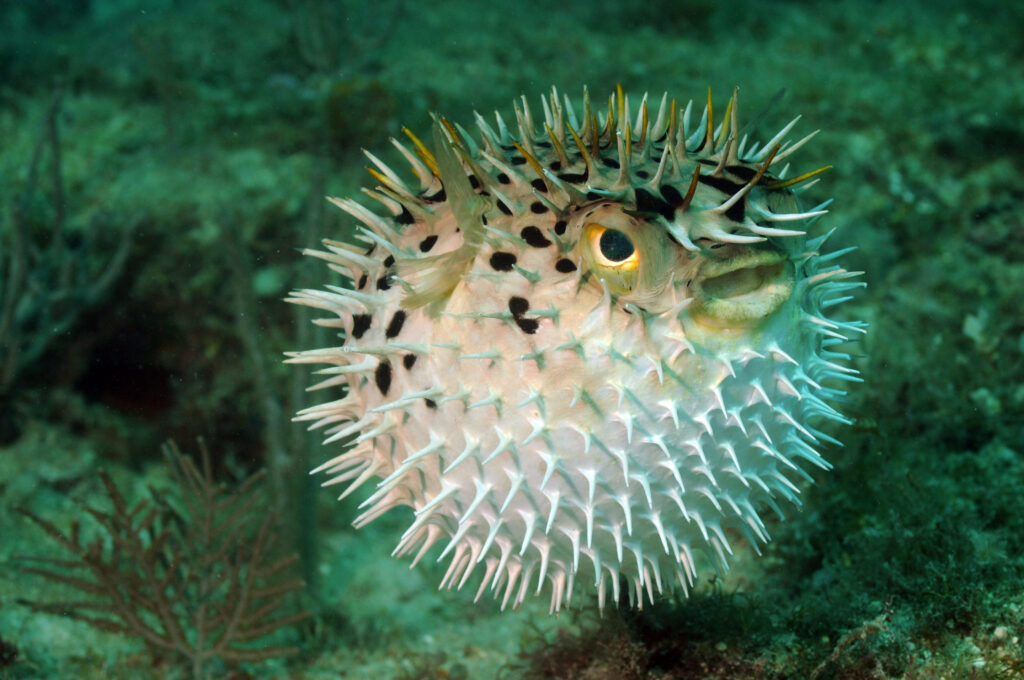
Romance often demands effort, and few creatures prove that more dramatically than the male pufferfish. On the seafloor off Japan, males create intricate circular patterns in the sand, carefully shaping ridges and grooves into large geometric designs. These underwater formations are beautiful, precise, and temporary, which makes them feel almost poetic.
The scale of the effort is remarkable. A small fish works tirelessly with its fins and body to sculpt a structure far larger than itself. It does not stop at the basic outline either. Shell fragments and careful detailing turn the site into a display with both structure and flair. In simple terms, this fish does not bring flowers. It redesigns the landscape.
That is why pufferfish deserve a place on any list of romantic animals. Their courtship is visual, labor-intensive, and deeply intentional. The male creates something fragile that may soon be erased by currents, yet he builds it anyway because it matters in the moment that counts. There is something profoundly romantic in that kind of effort, beauty made for one chance at being chosen.