You’ve probably heard the saying, “What you don’t know can’t hurt you.” Well, when it comes to banking, what you don’t know is definitely hurting your finances.
Banks might seem like helpful, well-meaning institutions where you stash your money safely, but many of them have found clever ways to make your money disappear without you even realizing it.
From sneaky fees to misleading offers, banks have more tricks up their sleeves than a magician at a Vegas show. So, how can you stop them from draining your account?
Read on to uncover the top 10 ways banks are stealing from you and the solutions that will keep your hard-earned cash where it belongs.
Hidden Fees That Sneak Up on You
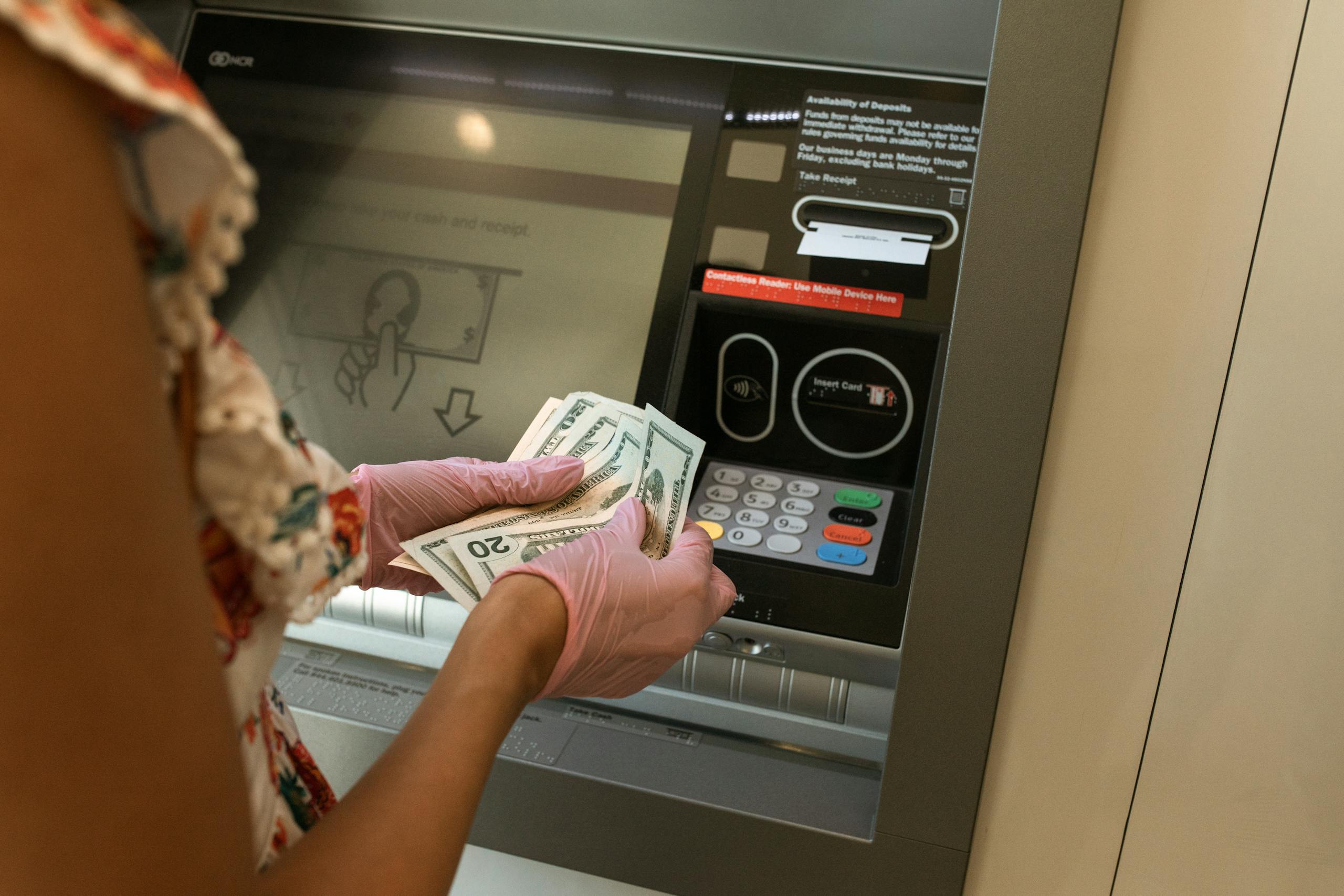
Let’s face it: nobody likes fees, yet they lurk in almost every corner of your banking activity. Whether it’s maintenance fees, ATM fees, or overdraft penalties, these charges are designed to fly under the radar.
Did you know that the average American spends over $200 annually on ATM fees alone (according to a 2022 study by the Consumer Financial Protection Bureau)? That’s money that could be better spent on something more exciting than your bank’s bottom line.
The Fix: Review your bank statements regularly (yes, even the fine print). Call your bank to request fee waivers, and make sure you understand all charges upfront before committing to an account.
Low Savings Interest Rates
You’ve worked hard for your money, so why is it growing at a snail’s pace in your savings account? Banks are notorious for offering shockingly low interest rates on savings accounts, leaving your funds stagnant rather than growing.
In fact, the national average interest rate for savings accounts is only about 0.05% that’s barely keeping up with inflation, let alone making you any significant gains.
The Fix: Look for high-yield savings accounts or explore investment options such as stocks, bonds, or ETFs to make your money work harder for you. Websites like NerdWallet and Bankrate can help you easily compare rates.
Negative Payment Hierarchy on Credit Cards
Here’s a twist that’s sure to make your blood boil: when you make a payment on your credit card, the smallest balance (often with the lowest interest rate) gets paid off first, leaving your higher-interest debt to pile up.
This negative payment hierarchy is a tactic banks use to maximize their profits from your credit card debt. Think you’re making progress on paying off your balance? Think again.
The Fix: Focus on paying off your high-interest debt first. There’s a popular strategy called the debt avalanche method, where you pay off the highest-interest balances first, then tackle smaller ones.
Aggressive Credit Card and Loan Offers
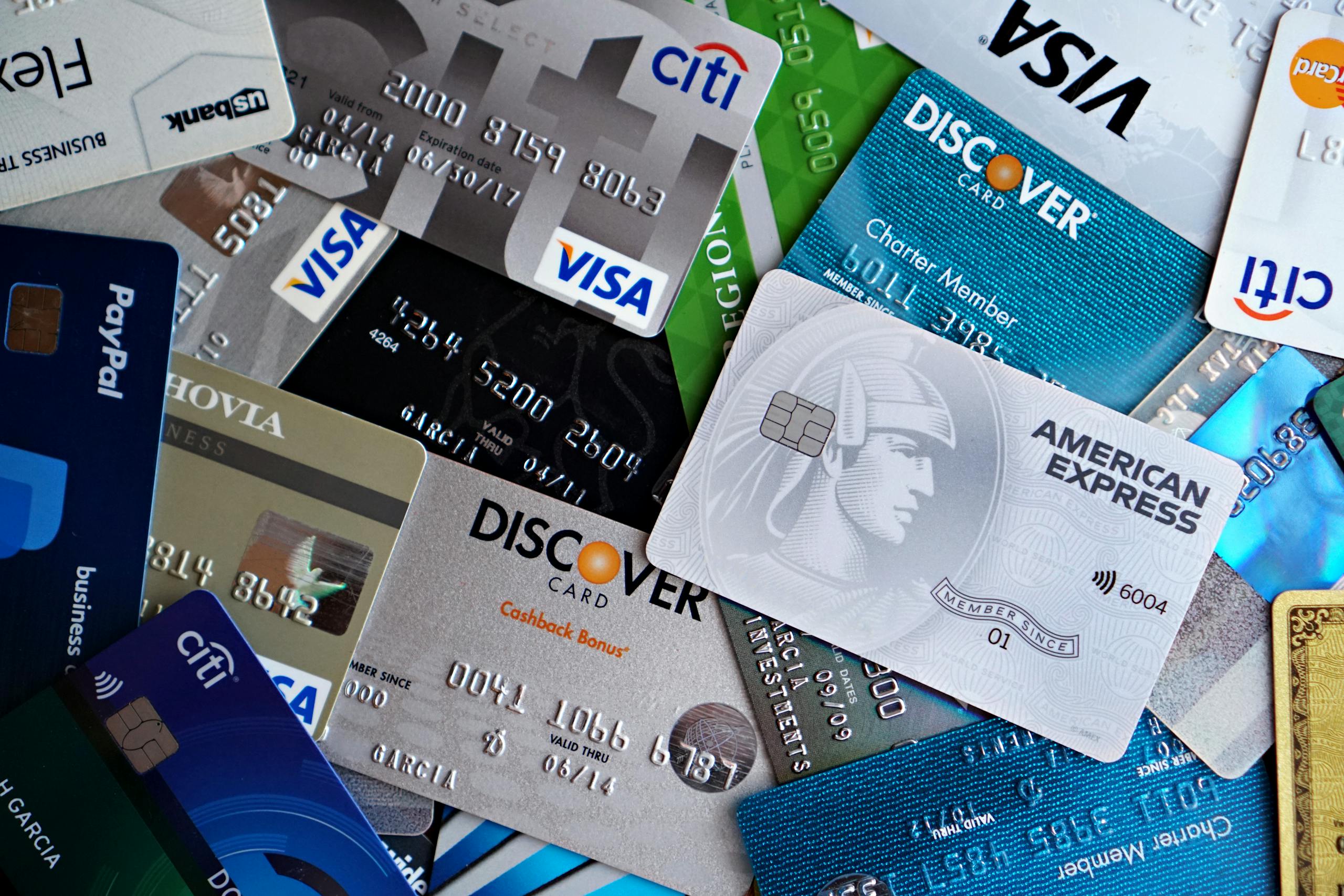
Banks love to target consumers with low incomes or those just starting out on their financial journey with “easy” credit card and loan offers. What they don’t mention is how high interest rates on these products can trap you in a cycle of debt.
The result? You end up paying more than you borrowed in the first place. A recent study found that U.S. credit card holders collectively pay over $120 billion in interest charges each year (according to the Federal Reserve).
The Fix: Resist the temptation of credit cards unless you can afford to pay them off monthly. Consider using debit cards or budgeting apps to keep your spending in check.
The Illusion of “Free” Offers
When you see a bank offering a “free” account with a sign-up bonus, think twice. What’s really happening is that they’re luring you in with a temporary offer, often at the cost of higher fees later or limited benefits that you won’t notice until it’s too late.
A lot of times, these “free” accounts come with a caveat: you need to keep a minimum balance or set up direct deposits to avoid monthly fees. When those conditions aren’t met, you’re hit with fees that add up quickly.
The Fix: Always read the fine print and ask about what happens when the promotional period ends. Shop around for fee-free accounts or those with no minimum balance requirement.
Overdraft Fees and Charges
Overdraft fees are one of the biggest culprits when it comes to stealing from you. A small mistake, like miscalculating your balance, can cost you $35 per overdraft.
Even worse, many banks allow multiple overdraft fees in a single day, stacking charges that can total hundreds of dollars.
The Fix: Link your account to a savings account to cover overdrafts, or opt out of overdraft protection. You can also set low-balance alerts to avoid accidental overdrafts
Fees for Wire Transfers and Bill Payments

So you’ve set up an automatic payment or need to send money to a loved one? Well, don’t forget that banks charge fees for both wire transfers and online bill payments, and they’re often hidden in the fine print.
A wire transfer can cost $25-$40 each time, and some banks charge $5-$10 for online bill payments.
The Fix: Use peer-to-peer apps like Venmo or PayPal, or look for accounts with free bill-pay features. Check your bank’s fee schedule and consider switching to an account with no hidden costs for these services.
The Illusion of Safety and Stability
Banks constantly market themselves as the safest place for your money. Yet, with inflation, low interest rates, and high fees, your funds may be sitting there losing value instead of growing.
In fact, money left in a traditional savings account often loses purchasing power over time.
The Fix: Consider investing your savings in higher-return options such as stocks, bonds, or retirement accounts like IRAs or 401(k)s. These accounts often offer better protection against inflation and ensure your money grows faster than it would in a standard bank account.
University Partnerships with Banks
If you’re a college student, banks may be setting you up for failure. Many universities partner with financial institutions to offer students credit cards or debit accounts linked to student IDs.
The problem? Students, often with little financial knowledge, get caught up in long-term debt traps that haunt them well after graduation. According to a report by the Institute for College Access & Success, the average student loan debt in the U.S. is now over $30,000.
The Fix: Avoid taking on unnecessary debt. Look for student bank accounts with low fees, and if possible, pay off your balances in full each month.
Account Maintenance Fees
Yes, you read that right. Some banks charge you just for having an account with them. These monthly maintenance fees can reach $15 per month, totaling $180 per year, for just having access to your own money!
The Fix: Switch to accounts with no maintenance fees or opt for online-only banks, which often offer free accounts with no hidden costs.
Key Takeaway
Banks may be experts at draining your accounts, but you don’t have to stand by and let it happen. By understanding these tricks and staying informed about your banking activity, you can take control of your finances and stop the banks from quietly siphoning off your hard-earned money.
Remember: Always ask questions, read the fine print, and shop around for better banking options. Take charge of your financial future after all, your money is worth protecting.