Before electricity, surviving harsh winters required creativity and resilience. In regions facing months of freezing cold and darkness, people developed clever ways to stay warm, fed, and safe.
Understanding their ingenuity helps us appreciate sustainable living today. Here are ten lesser-known survival methods from before modern electrical heating.
The Three Dog Night

While it may sound like the name of a classic rock band, “three dog night” has a historical significance linked to survival. This phrase was used by early settlers and indigenous people to describe extremely cold nights.
The idea was simple—if the temperature dropped so low, people would invite their dogs into their beds for warmth. If it were a particularly brutal night, it might require three dogs to keep one person warm.
The dogs’ body heat acted as a natural insulator, providing a layer of warmth during the frigid winter nights.
Animal Dung as Fuel
In many cultures, animal dung has been used as a fuel source for thousands of years. Dried dung burns hotter and longer than wood, making it a viable alternative for heating in regions with limited access to timber.
In Iran and other parts of the world, dung was purchased and used as a primary source of heat. This material provided consistent warmth and was an affordable option for those without access to other fuels.
The use of manure for energy has made a modern resurgence, as scientists explore ways to turn animal waste into sustainable energy.
Soapstone
Soapstone was valued by ancient civilizations for its ability to retain heat. In the 1800s, people used soapstone slabs, heated near fires and placed in beds, to stay warm at night. Its lasting warmth made it invaluable during long winters.
Saunas

Saunas, originating in Finland, have warmed bodies for thousands of years. Early saunas were built into embankments and heated by stones and fires, taking hours to heat up but retaining warmth long after.
They provided not only heat but also a cultural practice, helping people survive cold winters by staying warm longer.
Hood Chairs
Hood chairs, invented in 16th-century France, were designed to protect the sitter from cold drafts. These chairs had high backs with rounded tops that served as a shield against the cold air.
Often placed near a fireplace, the hooded design helped to trap warmth and keep the user comfortable. While this type of furniture has fallen out of fashion, it serves as a reminder of how people once relied on clever design to survive the cold.
Subterranean Homes
In Iceland and other cold climates, people dug subterranean homes into the earth to combat freezing temperatures. These homes were partially or fully underground, with turf and stone used to insulate the structure.
The Earth’s natural temperature remained relatively constant, keeping the interior warm and comfortable. These homes provided protection from the harsh elements and offered the added benefit of energy efficiency.
The idea of subterranean living is making a comeback in modern eco-friendly architecture.
Heavy Curtains

Before central heating, curtains were essential for keeping cold air out of homes. In ancient times, people used animal hides or thick tapestries to block drafts from windows and doorways.
By the 17th century, glass windows had become more common, but curtains remained necessary for insulation. Heavy curtains helped trap heat within rooms, maintaining a comfortable indoor temperature, especially during the night when temperatures would plummet. This simple yet effective method is still used today to reduce heating costs.
Passive Solar Heating
Passive solar design was used long before modern solar panels became common. The ancient Chinese understood that positioning homes to capture sunlight could help warm their interiors during the winter.
By facing the southern side of homes towards the sun, they maximized the heat gained during the shorter days. This passive heating method could raise indoor temperatures by up to 15°F without electricity or mechanical systems. The strategic use of sunlight in building design remains an important feature of modern green architecture.
Hibernation
Some scientists believe early humans may have hibernated in winter. Spanish fossils reveal bone growth patterns like those of hibernating animals, suggesting that early hominids slowed their metabolism during extreme cold.
Although controversial, this theory offers a fascinating survival possibility.
Compost Heat
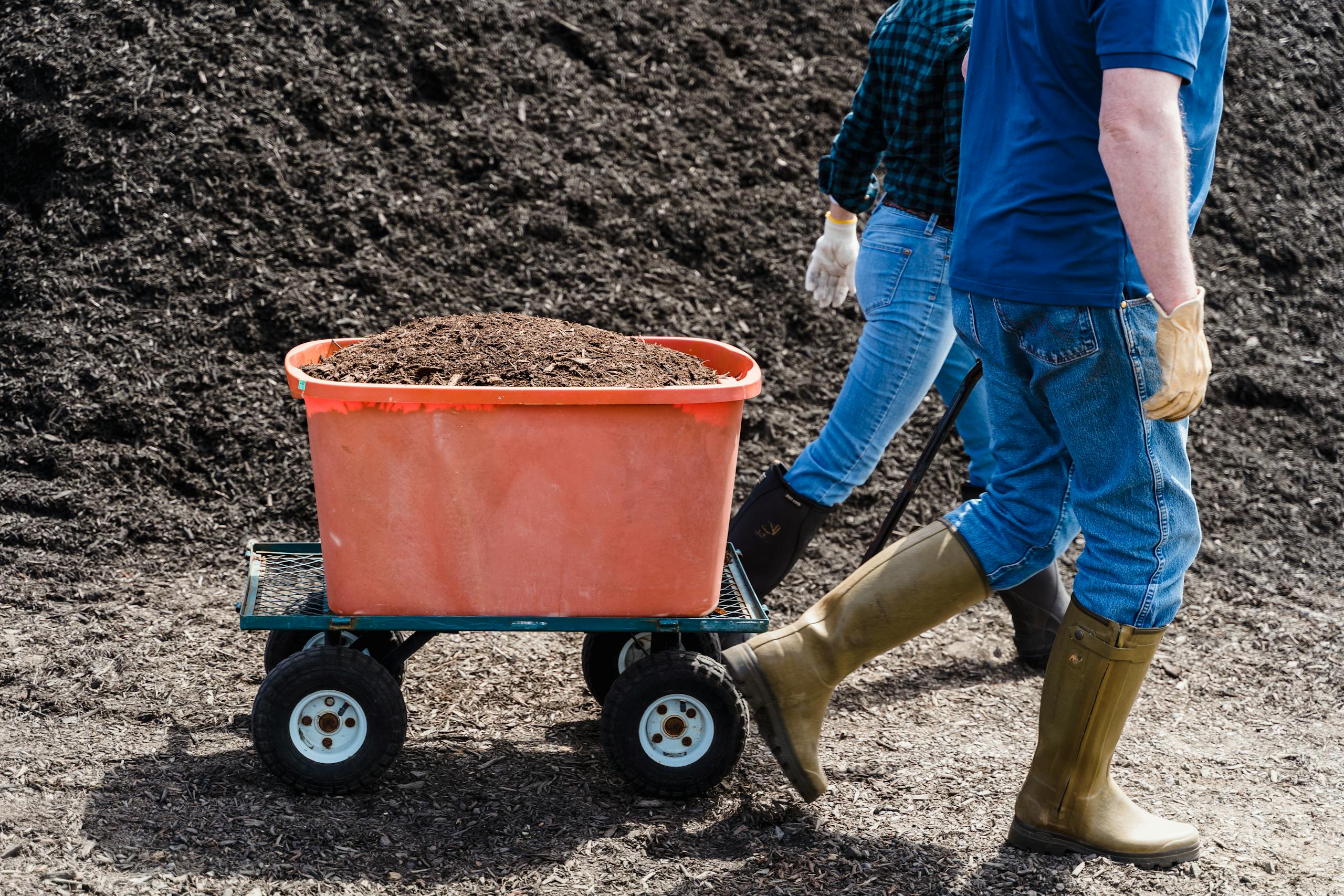
Farmers in China have been using compost, which is the decomposition of organic matter such as manure and plant waste, to generate heat for over 2,000 years. By placing manure in a trench and covering it with soil, the decomposition process produced enough heat to extend the growing season.
This heat was also used to warm homes and greenhouses. In the 1970s, Frenchman Jean Pain took this concept further by creating a ‘Pain Mound,’ which generated enough heat to warm his entire house and water.
This method not only saved energy but also provided a sustainable way to recycle organic matter into valuable warmth.
Conclusion
These ten methods are a testament to the resilience and resourcefulness of people before electricity became a fixture of modern life.
From using animals for warmth to harnessing the earth’s natural temperature, our ancestors developed ingenious ways to stay warm and survive during long, harsh winters.
Whether it’s through creating passive solar homes or using the natural heat of compost, there’s much we can learn from the past to apply to modern sustainable living.