A messy home can make even a normal day feel heavier than it should. You walk into one room to relax, then suddenly notice laundry, papers, shoes, dishes, random chargers, and small items that somehow have no real place to go. The problem is usually not that you are lazy or careless. The real problem is that clutter grows quietly when your daily habits allow it to come back again and again.
Professional organizers do not keep tidy homes because they spend all day cleaning. They rely on small systems that stop the mess before it becomes overwhelming. These habits are simple, but ignoring them can make your home feel chaotic no matter how many times you clean it.
Buying Too Much Will Keep Your Home Crowded
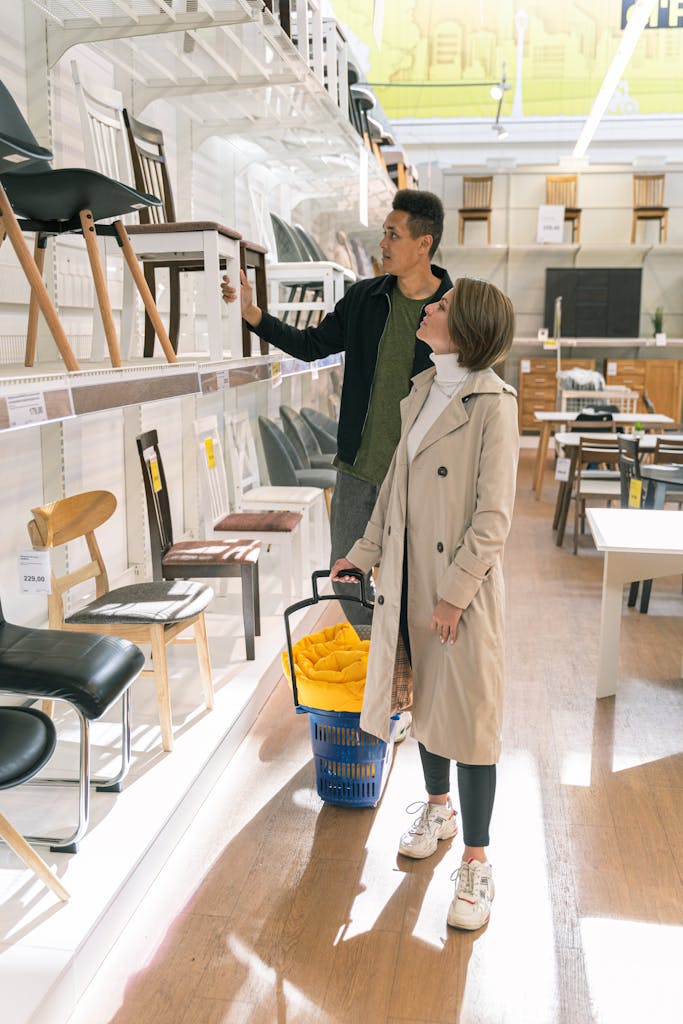
One of the fastest ways to ruin an organized home is to keep bringing in more things than you remove. Every new item needs a place to live, and when your shelves, drawers, closets, and counters are already full, that new item becomes clutter almost immediately. This is why impulse buying can quietly destroy your home organization.
Many people buy things because they are on sale, trendy, useful someday, or convenient in the moment. The problem starts when those items enter the home without a clear purpose. Extra kitchen tools, backup toiletries, clothes you barely wear, and random home decor can quickly turn into piles that make every room harder to manage.
A better habit is to pause before buying anything new. Ask yourself where it will go, how often you will use it, and what it will replace. If you cannot answer those questions, you probably do not need it right now. A tidy home begins before the shopping bag enters the door.
Clutter Wins When Items Have No Home
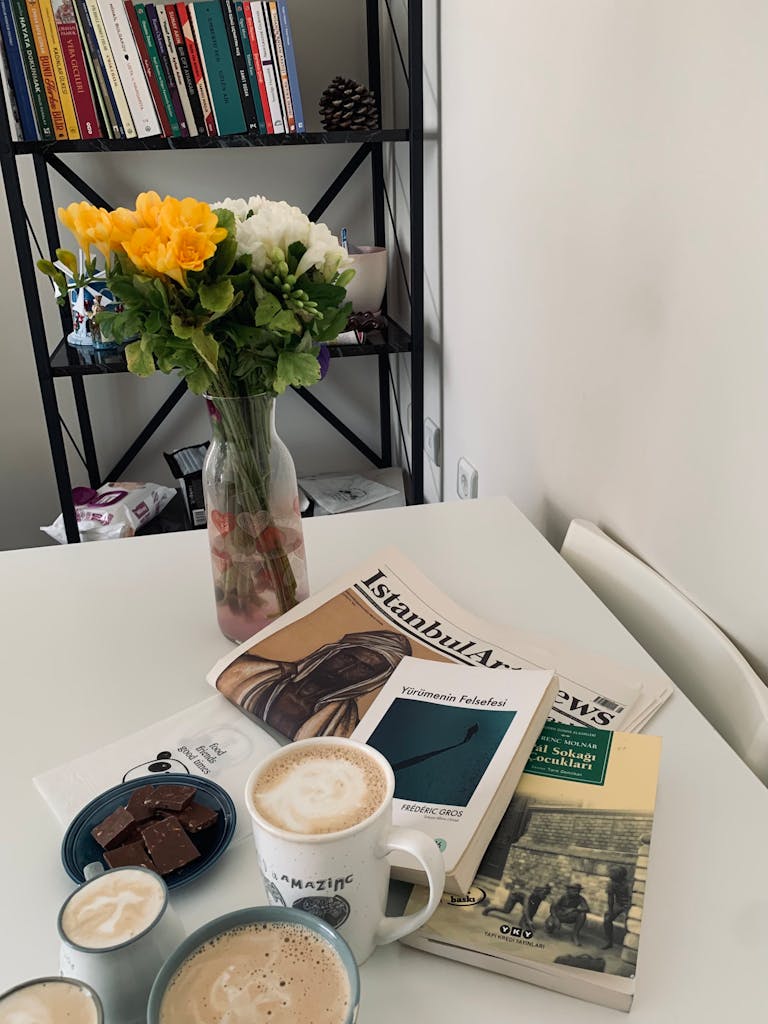
A home can get messy fast when everyday items lack a clear place. Keys land on the table, mail lands on the counter, shoes gather near the door, and laundry ends up on chairs. Once these little piles become the norm, the house starts to feel disorganized even when it is technically clean.
Professional organizers focus on giving every useful item a simple and realistic home. This does not mean buying fancy storage bins or copying perfect photos online. It means creating systems that match how you actually live. If you always drop your bag near the entryway, place a hook or basket there. If paperwork piles up in the kitchen, create one clear folder or tray for it.
The easier a system is to use, the more likely you are to use it. Complicated organizing methods often fail because they demand too much effort every day. A good system should feel natural, quick, and easy to repeat.
Waiting Too Long Makes Small Messes Feel Huge
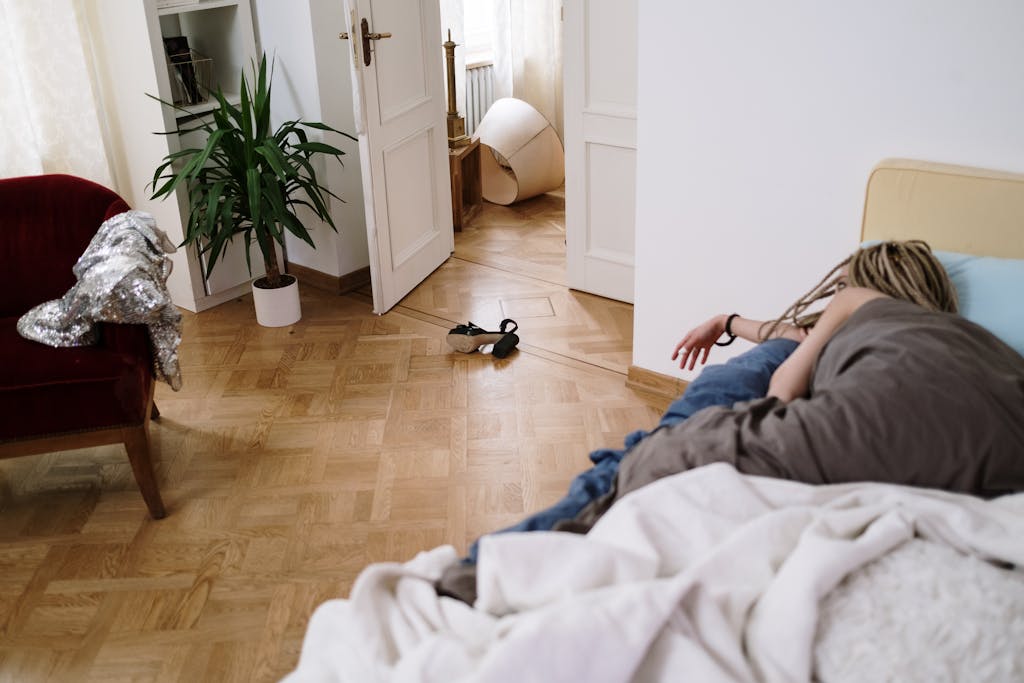
One of the worst habits for home organization is waiting until the mess becomes unbearable. A drawer starts with a few misplaced items, then becomes a junk drawer. A chair starts with one shirt, then becomes a laundry mountain. A countertop starts with one envelope and ends up a paper disaster.
The secret is to start small before the mess grows teeth. You do not need a full free day to organize your home. Ten focused minutes can reset a drawer, clear a counter, sort a basket, or return items to their proper places. Small action keeps clutter from becoming a project that scares you.
This habit works because it removes pressure. Instead of waiting for the perfect mood or the perfect weekend, you handle one small area at a time. Progress begins to feel possible, and that feeling makes you more likely to keep going.
Skipping Daily Resets Makes Your Home Fall Apart Fast
A tidy home is not maintained by one giant cleaning session. It is maintained by small daily resets that stop the mess from spreading. When you skip these resets, clutter starts moving through the house like smoke. It fills corners, counters, bedrooms, bathrooms, and entryways before you even notice how bad it has become.
A daily reset can be simple. Put dishes where they belong, return shoes to their spot, fold or move laundry, clear the coffee table, and throw away anything that obviously needs to go. These tasks do not have to take long, but they do need to happen regularly.
The goal is not to make your home look perfect every night. The goal is to stop yesterday’s mess from becoming tomorrow’s stress. When you reset your space regularly, you protect your home from becoming a weekend cleaning nightmare.
Moving Items One by One Wastes Your Energy

Many people lose motivation because tidying feels like endless walking from room to room. You pick up a toy and take it to the bedroom. Then you find a cup and take it to the kitchen. Then you notice a towel and walk to the bathroom. Before long, you are tired, distracted, and barely finished.
A simple put-back basket can solve this problem. Keep one basket in a central area and use it for items that belong somewhere else. As you clean one room, place misplaced items in the basket instead of leaving the room to retrieve them. When you finish, carry the basket through the house and return everything in one trip.
This habit saves time, energy, and focus. It also stops random items from staying in the wrong places for days. Over time, your home starts looking calmer because fewer things are floating around without purpose.
Conclusion
A messy home does not usually happen all at once. It builds through small habits that seem harmless until they become overwhelming. Buying too much, failing to create homes for items, delaying small tasks, skipping daily resets, and wasting energy on scattered tidying can all make your space harder to manage.
The good news is that you do not need a perfect home to feel more in control. You only need better systems that fit your real life. When you bring in less, assign homes to your belongings, start small, reset daily, and use a put-back basket, your home becomes easier to maintain and less stressful to live in.