Perennials are a go-to for many gardeners seeking low-maintenance options that come back year after year. However, not all long-blooming perennials are created equal, and some can be a real headache. From invasive growth to high maintenance, certain varieties might seem like the perfect addition but end up being more trouble than they’re worth. Here’s a look at eight long-blooming perennial flowers you might want to think twice about planting in your garden.
Autumn Clematis (Clematis terniflora)
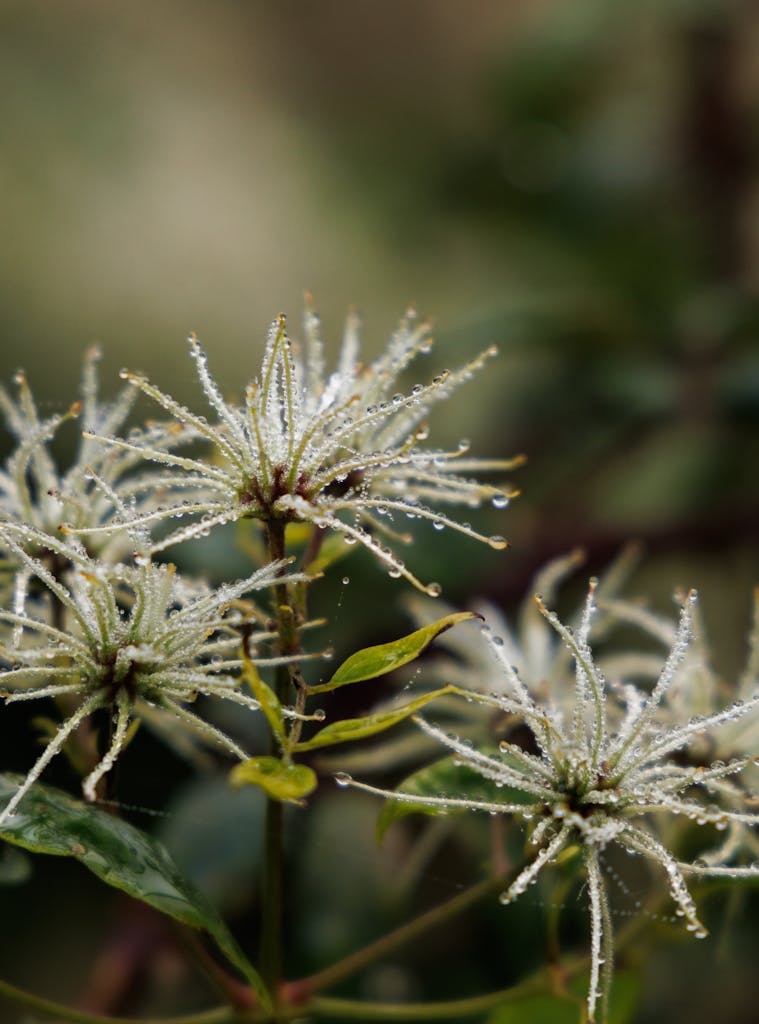
Autumn Clematis is a fast-growing perennial that blooms in late summer and fall, providing a long flowering period. However, despite its attractive white blooms, this plant can become invasive very quickly. It spreads rapidly through its vines and can smother other plants if not regularly maintained. While it might seem like an ideal choice for covering trellises or fences, its aggressive growth can turn a neat garden into an uncontrollable jungle if left unchecked. If you’re not willing to prune it regularly, this plant can be more of a hassle than a beauty.
Black-eyed Susan (Rudbeckia hirta)
Black-eyed Susans are undoubtedly attractive with their bright yellow petals and contrasting dark centers. However, these perennial flowers can be a bit too enthusiastic in spreading. They’re notorious for self-seeding, which leads to unexpected plants popping up in areas where they aren’t wanted. While they bloom reliably for long periods, the uncontrolled spread can turn a tidy garden into a wild, unmanageable space. Keeping them in check requires constant vigilance.
Wisteria (Wisteria sinensis)
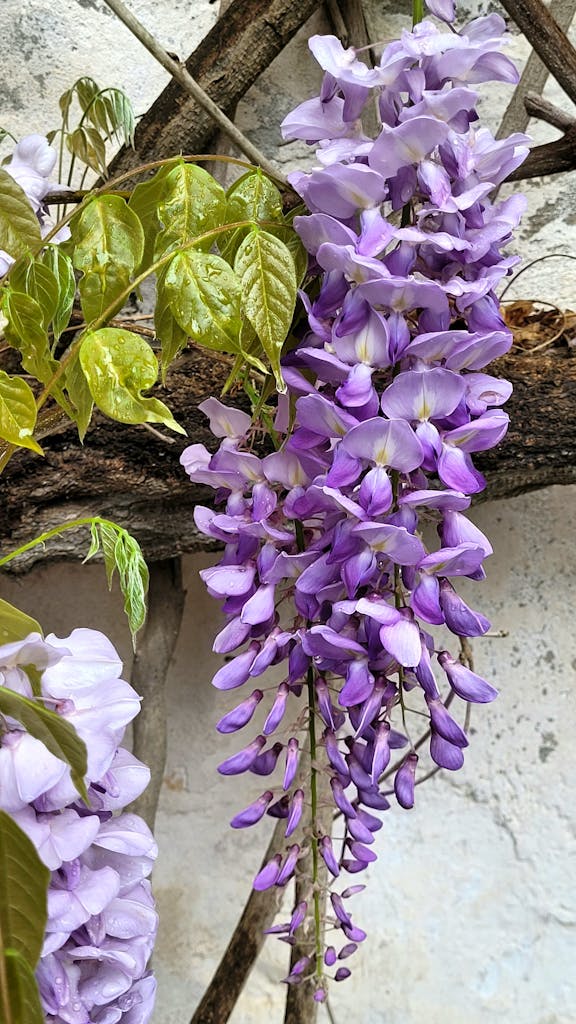
Wisteria is a well-known flowering vine that can produce stunning cascades of purple or white flowers, making it a highly sought-after addition to gardens. However, its beauty comes with a downside: it can be extremely invasive. Wisteria has a tendency to overwhelm structures like trellises and fences due to its rapid growth. The vines can also become heavy and require constant maintenance to prevent them from damaging structures or competing with other plants. If you don’t have the time and effort to control its vigorous growth, Wisteria can quickly take over a garden and become a maintenance nightmare.
Lupine (Lupinus)
Lupine is a striking perennial known for its tall, colorful spikes that bloom for a long period, providing vibrant color to gardens. However, despite its beauty, Lupine can be a challenging plant to grow. It tends to prefer cool climates and well-drained, slightly acidic soil, making it tricky to grow in many regions. Lupines are also susceptible to a range of diseases, including root rot and powdery mildew, which can cause premature wilting. In addition, their tall flower spikes may require staking to prevent them from toppling, further adding to their high-maintenance nature. If you’re not careful with the growing conditions, Lupines can become a more complicated addition than you’d expect
Daylilies (Hemerocallis)
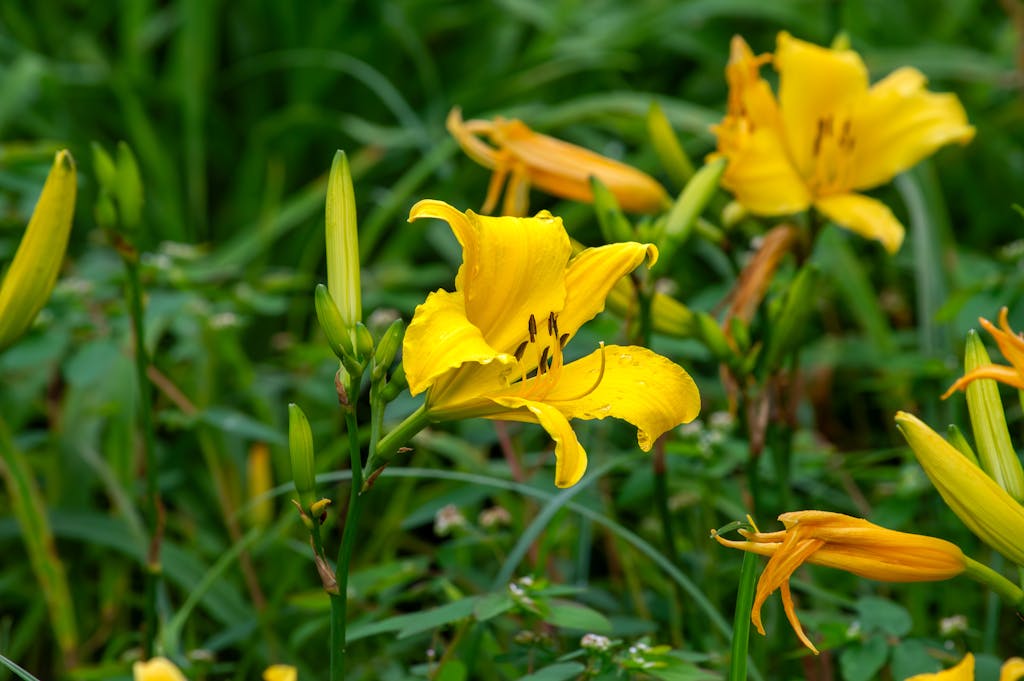
Daylilies are another flower that many gardeners love for their bright, showy blooms. However, they are notorious for being invasive if left unchecked. They spread rapidly via underground rhizomes, often crowding out other plants in the process. While they bloom for a long period, their aggressive nature makes them a poor choice for small or carefully planned gardens. If you’re looking for a perennial that won’t dominate your space, daylilies might not be the best option.
Peony (Paeonia)
Peonies have a stunning, long-lasting bloom, but they can be a bit too fussy for many gardeners. The plant’s large, heavy blooms require frequent staking, and their stems can easily snap under the weight of the flowers. They also prefer specific conditions, making them challenging to grow in less-than-ideal soil or climates. The plant’s roots also tend to be slow to establish, requiring patience before you see a full bloom. All of this makes peonies a high-maintenance choice despite their long blooming period.
Bleeding Heart (Dicentra spectabilis)
Bleeding hearts are loved for their unique, heart-shaped flowers and ability to bloom for weeks on end. However, they often suffer from pest problems, including aphids and slugs, which can damage their delicate blooms. Additionally, these plants can be picky about their growing conditions and require a lot of care to thrive. They’re not the most resilient of perennials and can be temperamental in terms of soil type, moisture, and light conditions. For a flower that blooms consistently with little fuss, this might not be the best pick.
Creeping Jenny (Lysimachia nummularia)
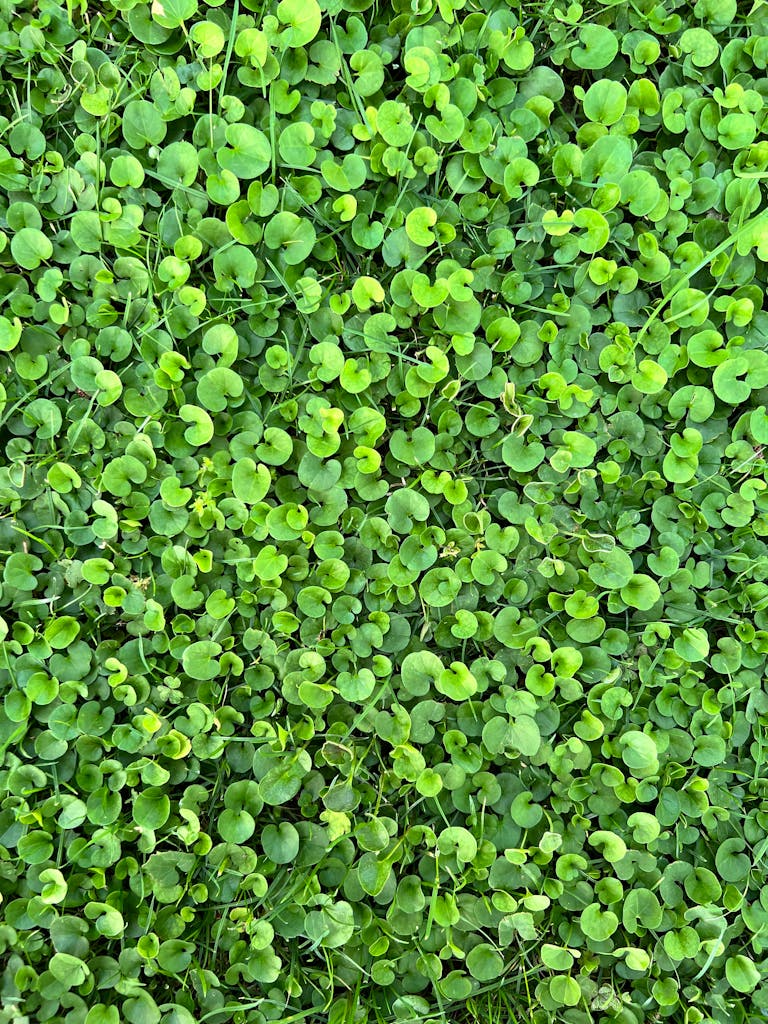
Creeping Jenny is an attractive, fast-growing perennial that blooms with small, yellow flowers. However, its spread can quickly become a problem if not contained. Creeping Jenny spreads like wildfire, and its fast growth can smother surrounding plants, making it a major hassle to control. If you’re not prepared to consistently trim and control its spread, this plant could become more of a burden than a beautiful addition to your garden.
Russian Sage (Perovskia atriplicifolia)
Russian sage is another long-blooming perennial that often gets rave reviews for its drought tolerance and stunning silvery-blue foliage. However, despite its attractiveness, it can become overly woody and unkempt over time. Russian sage also tends to become too tall and lanky, often requiring regular pruning to maintain its shape. Without consistent maintenance, it can easily look scraggly and unkempt. If you’re looking for a more refined, controlled plant, Russian sage may not be the best option for your garden.
Lavender (Lavandula angustifolia)
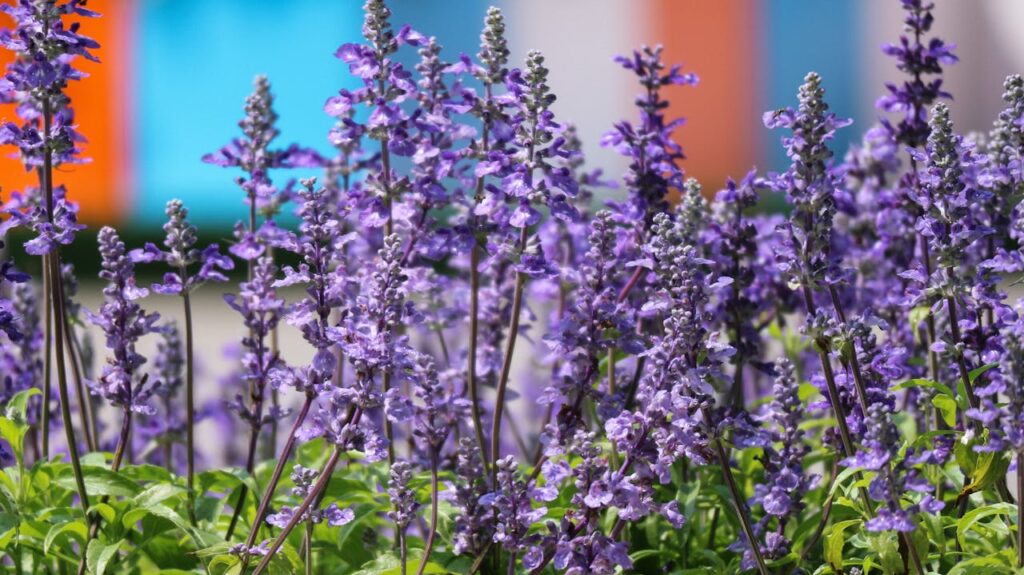
Lavender is a favorite for its aromatic scent and lovely purple blooms that last throughout the summer. However, it’s not always as easy to grow as it seems. Lavender prefers well-drained soil and plenty of sunlight, and without the right conditions, it can struggle to thrive. Many gardeners find that lavender is prone to disease and pest problems, particularly if the soil is too moist or the climate is too humid. Additionally, lavender requires pruning after each bloom cycle, and if neglected, its woody stems can become leggy. These care requirements make lavender more challenging to manage than it might first appear.
Conclusion
While long-blooming perennial flowers can be a great addition to any garden, it’s important to be aware of their potential downsides. Some of these flowers, while beautiful, can quickly become invasive or high-maintenance, turning your well-planned garden into a chaotic mess. If you’re looking for low-maintenance, non-invasive options, consider avoiding the flowers listed above and researching varieties that are better suited to your garden’s specific needs.