Your body is constantly rebuilding itself. Skin repairs, muscles recover, your immune system stays on patrol, and even your gut lining is constantly renewing itself. That means the food you eat is not just fuel on a plate. It is a raw material for healing.
The word superfood gets thrown around a lot, but the real idea is simple: some foods pack an unusually useful mix of fiber, healthy fats, vitamins, minerals, and plant compounds that support recovery and long-term health. No single ingredient can “cure” everything, but a pattern built around nutrient-dense foods can help your body fight inflammation, protect the heart, support digestion, and recover better over time.
Leafy Greens

Leafy greens do not look dramatic, but they do serious work. Spinach, kale, collards, Swiss chard, and similar greens provide fiber, vitamins, minerals, and protective plant compounds that support eye, digestive, blood sugar, and heart health. Harvard’s Nutrition Source notes that diets rich in vegetables and fruits are linked to lower blood pressure and lower risk of heart disease and stroke, and leafy greens are among the standouts.
They are also one of the easiest upgrades you can make. Toss a handful into soup, eggs, stew, pasta, or rice, and suddenly your meal starts pulling more weight. Healing does not always look glamorous; sometimes it looks like adding greens before you reach for a second sauce packet.
Fatty Fish
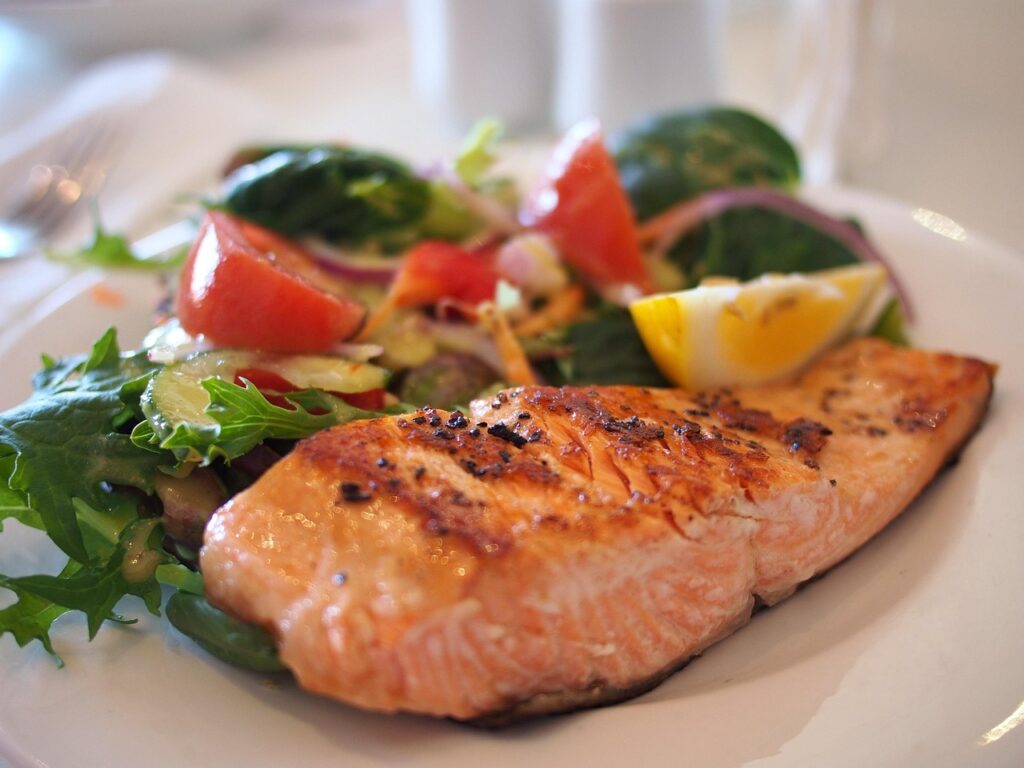
If your body had a repair team, fatty fish would be one of its most reliable workers. Salmon, sardines, mackerel, herring, and trout deliver protein for tissue repair along with omega-3 fats that support heart health and help manage inflammation. The American Heart Association notes that regularly eating fish and seafood is linked with a lower risk of cardiovascular disease, which is a strong reason this food group keeps showing up on every serious healthy-eating list.
Fatty fish is also refreshingly practical. It is easier to build a meal around grilled salmon or sardines on toast than most people think, and it does not need to be fancy to be effective. A couple of fish meals a week can do more for your overall diet than another expensive powder sitting untouched in the kitchen cabinet.
Berries

Berries are tiny, sweet, and almost suspiciously useful. Blueberries, strawberries, raspberries, and blackberries deliver fiber and antioxidant-rich plant compounds, including anthocyanins and other flavonoids that help explain their deep color and health reputation. Harvard Health highlights berries as a top “superfood” because they are naturally nutrient-dense and rich in disease-fighting compounds.
They also make healthy eating feel less like punishment. You can add them to yogurt, oatmeal, smoothies, or eat them cold straight from the bowl, and they still do the job. That is the beauty of berries: they feel like a treat, but they behave like backup for your immune system and your long-term health.
Nuts

Nuts are small, but they come loaded with healthy fats, plant protein, fiber, and minerals. The American Heart Association includes nuts among the healthy protein sources people should eat regularly, and Harvard also places them firmly in the “worth your grocery money” category. They are especially useful when you want something filling that does not rely on refined carbs or sugary snacks.
The key with nuts is not to turn them into dessert disguised as health food. A modest handful of almonds, walnuts, pistachios, or peanuts works better than a honey-roasted sugar bomb. Keep it simple, and nuts become the kind of steady, everyday food that supports your body without demanding applause.
Onions and Garlic
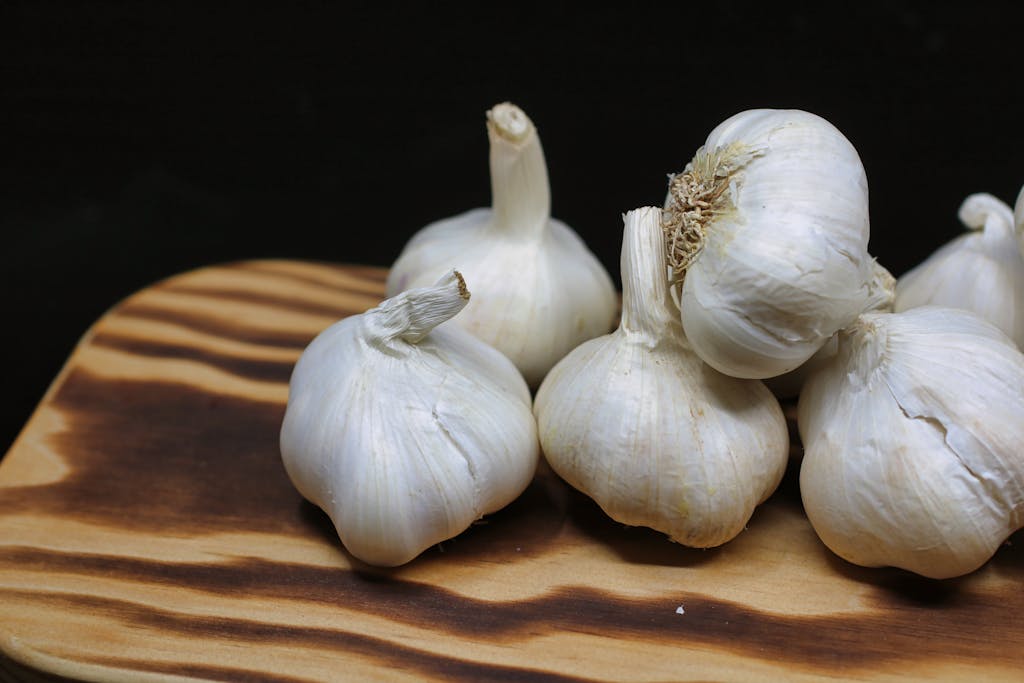
Onions and garlic may not make your breath smell good, but your body tends to appreciate the trade-off. Garlic, in particular, has been studied for cardiovascular effects, and research reviews suggest that garlic supplements can help reduce blood pressure in people with hypertension. Garlic and onions also belong to the allium family, a group known for sulfur-containing compounds that give them their strong smell and much of their nutritional benefits.
This is one area where nuance matters. The strongest evidence often involves supplements, not just garlic bread and good intentions. Still, using onions and garlic generously in everyday cooking is an easy way to build flavor while adding foods associated with better diet quality and potential cardiovascular benefits.
Ginger

Ginger has earned its reputation the old-fashioned way: by actually being useful. The National Center for Complementary and Integrative Health says ginger has been studied for several kinds of nausea, and research shows it may help with nausea and vomiting associated with pregnancy. That is a more grounded claim than the usual miracle-food hype, and honestly, grounded is better.
Fresh ginger also slips easily into tea, stir-fries, soups, marinades, and rice dishes, which makes it easier to use consistently. It adds heat, brightness, and a little comfort, especially when you feel off. Sometimes healing foods are not the ones with the loudest marketing; they are the ones that quietly keep proving themselves.
Yogurt
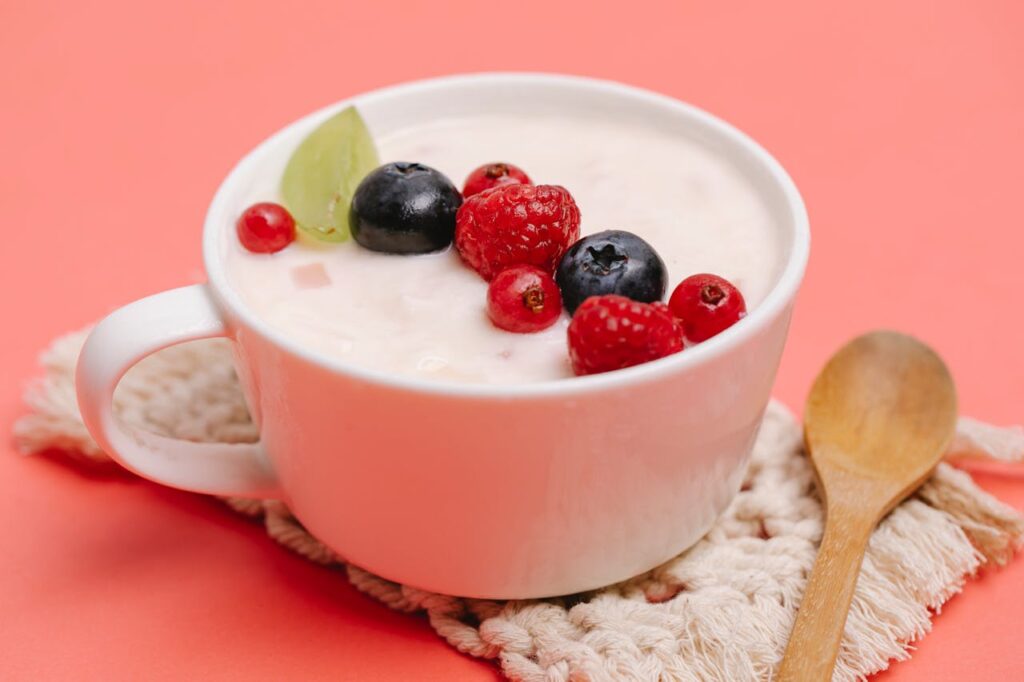
Yogurt earns its place on this list because it can provide protein, calcium, and beneficial live cultures. Probiotics are live microorganisms intended to have health benefits, and NCCIH notes they are found in yogurt and other fermented foods. Research is still evolving, but probiotics have shown promise in some digestive and health settings, especially around antibiotic-associated diarrhea.
The smart move is choosing plain or lower-sugar yogurt instead of the dessert-in-disguise versions stacked in bright packaging. Add fruit, cinnamon, or nuts yourself, and you keep the benefits without turning breakfast into a sugar ambush. Yogurt works best when it is treated like real food, not a candy cup pretending to be wellness.
Avocado
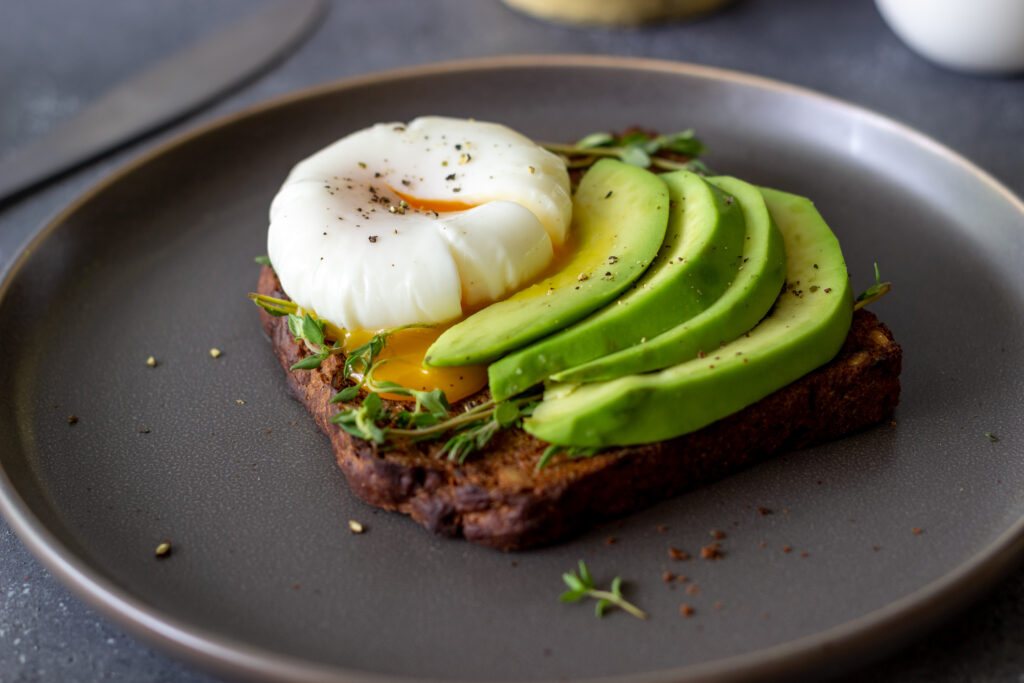
Avocado has become a cliché of healthy eating, but in this case, the cliché has receipts. Harvard notes that avocados are a good source of fiber and contain mostly the “good” kinds of fat, especially monounsaturated fat, while NIH and the American Heart Association highlight their place in heart-healthy eating patterns. In plain language, avocado helps you build a satisfying meal that does not leave you raiding the pantry an hour later.
It is also versatile enough to avoid becoming boring. Mash it onto toast, slice it into salads, blend it into dressings, or pair it with beans and eggs for a meal that actually sticks with you. Avocado is one of those rare foods that feels rich and comforting while still supporting the kind of diet your body thanks you for later.
Legumes
Beans, lentils, chickpeas, and peas deserve much more respect than they usually get. Harvard Health notes that legumes are excellent sources of fiber, folate, and protein, and studies show they can help reduce the risk of heart disease. The American Heart Association also puts beans, peas, and lentils in the healthy protein camp, which is a strong endorsement for a food that is still cheaper than most processed “health” products.
Legumes help because they do several jobs at once. They support fullness, improve diet quality, and provide a steady base for soups, stews, salads, bowls, and spreads like hummus. If your healing plan depends on foods you cannot afford or do not enjoy, it will not last, and legumes solve both problems beautifully.
Broccoli

Broccoli is not flashy, but it is one of the most dependable foods in the produce aisle. Harvard describes cruciferous vegetables like broccoli as excellent sources of fiber, vitamins, and phytochemicals, and they have long been studied for roles in cancer prevention and cardiovascular health. Newer research has even explored whether cruciferous vegetables may help lower blood pressure in some adults.
The real strength of broccoli is that it fits into real life. Steam it, roast it, stir-fry it, fold it into pasta, or throw it into soups when you are too tired to make a masterpiece. A healing food does not need to be trendy; it just needs to show up often enough to matter.
Conclusion
The truth is a little less magical and a lot more useful: your body heals best when you eat in patterns, not in one-off miracles. Fish, greens, berries, nuts, garlic, ginger, yogurt, avocado, legumes, and broccoli all help for different reasons, but they work best together as part of a steady, balanced diet built around minimally processed foods. That is also the broader message from organizations like the American Heart Association and Harvard’s Nutrition Source: consistent eating habits matter far more than any single “superfood” label.
And that may be the most encouraging part of all. Healing does not have to start with a cleanse, a supplement stack, or a dramatic vow made on a Monday morning. It can start with what you put on your plate tonight.