Frozen food is one of the unsung heroes of modern kitchens. It allows us to prep ahead, stock up during sales, and always have ingredients on hand. Yet many of us unknowingly compromise the convenience and safety of frozen food through careless thawing practices. Leaving a steak on the counter for hours, dunking chicken in hot water, or microwaving a frozen casserole without supervision might seem harmless, but these actions can lead to bacterial growth, uneven cooking, ruined texture, and even potential food poisoning.
Thawing isn’t just about defrosting. It’s about timing, temperature, and method. The wrong approach compromises flavor, appearance, and health. Below, we cover 12 thawing mistakes you must stop making, why they’re dangerous, and exactly how to thaw safely while preserving taste and texture.
Leaving Frozen Food Out on the Counter Overnight
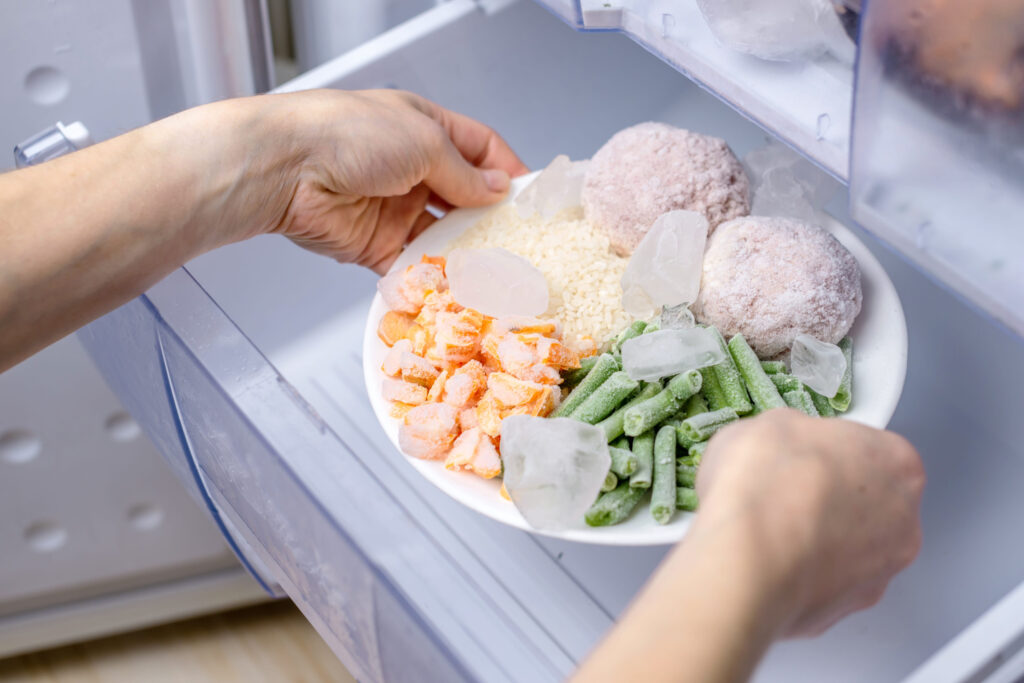
The most common mistake is trusting time and gravity more than food safety. That frozen chicken, beef, or pork steak left on a plate might look fine by morning, but the edges warm faster than the center.
- Why it’s risky:Bacteria multiply rapidly between 40°F and 140°F, the so-called “danger zone.” Hours at room temperature allow microbes to flourish.
- Effect: Increased risk of foodborne illness and potential spoilage even before cooking.
- Better approach: Move food to the refrigerator a night in advance. It’s slow, predictable, and keeps every inch of the meat safely chilled as it thaws.
Rinsing Frozen Meat Under Running Water
It might feel satisfying to see ice crystals melt instantly under a faucet. The problem is that thawing this way only warms the outer layer, leaving the center frozen.
- Why it’s risky: Partial thawing leads to uneven cooking and exposes surfaces to the danger zone, while the interior remains cold.
- Effect: Risk of undercooked meat and bacterial growth.
- Better approach: Submerge the meat in cold water in a tightly sealed bag, changing the water every 30 minutes. It defrosts faster than the fridge while staying safe.
Using a Microwave Without Supervision
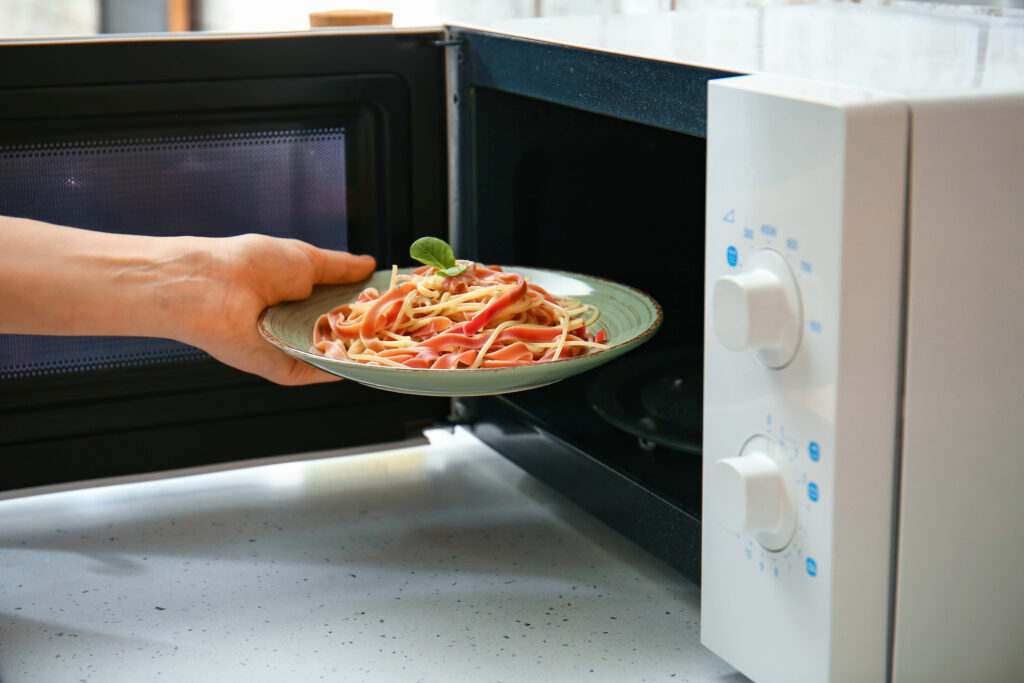
Microwave thawing is convenient, but it comes with caveats. Many people assume “defrost” equals “evenly thawed,” but microwaves heat unevenly.
- Why it’s risky: Edges may start cooking while the center remains icy. Hot spots create bacteria-friendly zones.
- Effect: Uneven texture, compromised flavor, and potential safety hazards.
- Better approach: Use low-power defrost settings, check frequently, and cook immediately after thawing.
Leaving Frozen Food in a Hot Car
A dashboard, seat, or sunny trunk might feel like a fast-thawing hack. Unfortunately, car interiors heat up quickly and unpredictably.
- Why it’s risky: Exterior surfaces reach temperatures where bacteria multiply while the core remains frozen.
- Effect: Food becomes unsafe even before you bring it inside.
- Better approach: Keep frozen items in an insulated cooler if you must transport them. Otherwise, wait until you’re home to thaw safely.
Soaking in Hot Water
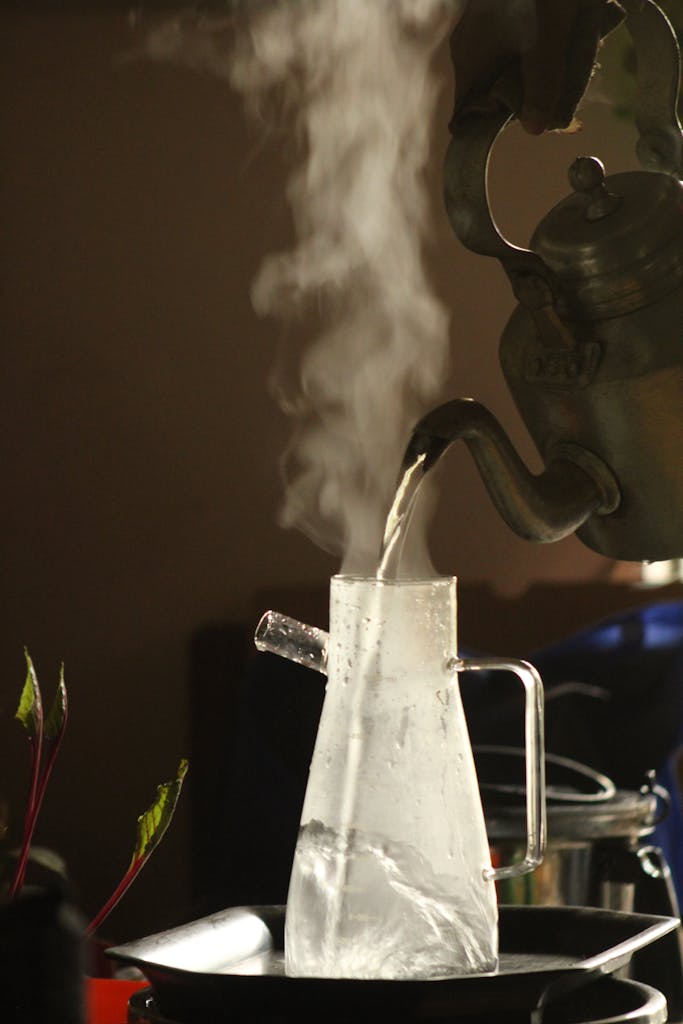
A steamy bath of hot water might seem like a shortcut, but it’s one of the worst thawing methods.
- Why it’s risky: Rapid surface warming encourages bacterial growth while leaving the inside frozen.
- Effect: Increased chance of foodborne illness and uneven cooking.
- Better approach: Cold water submersion in a sealed bag is faster and safer. It ensures even thawing without jumping into the danger zone.
Thawing on a Dish or Tray at Room Temperature
Putting frozen items on a counter or cutting board is an easy mistake. Many assume that if the food is frozen solid, bacteria can’t grow, but the truth is the opposite.
- Why it’s risky: While the center remains frozen, the edges enter the danger zone within minutes.
- Effect: Bacteria multiply on exposed surfaces, creating invisible hazards.
- Better approach: Use the fridge or a cold-water bath for controlled thawing.
Using Warm Air From a Dryer or Heater
Blowing hot air over a frozen item may seem clever, but it’s inefficient and unsafe.
- Why it’s risky: The exterior warms quickly while the interior stays frozen, leading to uneven defrosting.
- Effect: Surface bacteria flourish, texture is ruined, and cooking is uneven.
- Better approach: Stick to refrigerator or cold-water methods. Controlled temperatures win every time.
Baking or Roasting Frozen Food Without Adjustments
Throwing a frozen lasagna or casserole straight into the oven without thawing may feel like a time saver.
- Why it’s risky: Frozen food cooks unevenly, often leaving the exterior overdone while the interior stays icy.
- Effect: Dry, tough edges; undercooked centers; and increased risk of foodborne illness.
- Better approach: Thaw in the fridge or adjust cooking times and temperatures carefully, checking internal temperature.
Thawing Bread on the Counter
Frozen bread can lose structure if left in humid, room-temperature air.
- Why it’s risky: Condensation makes it soggy, weakens the crust, and can invite mold.
- Effect: Flat, limp slices instead of soft, fresh-feeling bread.
- Better approach: Toast frozen slices directly or thaw whole loaves wrapped in parchment in a warm oven for a short time.
Leaving Frozen Prepared Meals in Warm Water
Soups, sauces, and pre-cooked meals in plastic bags can be deceptively tricky.
- Why it’s risky: Edges thaw first while the inside remains frozen, promoting bacterial growth.
- Effect: Safety is compromised, and texture suffers.
- Better approach: Refrigerator thawing is best, or cold-water thawing with frequent water changes.
Thawing Seafood on the Counter
Fish, shrimp, scallops, and shellfish are especially sensitive.
- Why it’s risky: Warm temperatures rapidly accelerate bacterial growth on these proteins.
- Effect: Spoiled seafood smells bad, tastes off, and can cause food poisoning.
- Better approach: Defrost in sealed bags in the fridge overnight or use a cold-water bath.
Microwaving Frozen Vegetables in Plastic Packaging

Frozen vegetables often come in microwaveable bags, but heating them in the package can release chemicals.
- Why it’s risky: Not all plastics are microwave safe, and additives can leach into your food.
- Effect: Health risk and uneven cooking.
- Better approach: Transfer to a microwave-safe bowl with a cover, then cook in short intervals.