Meat is part of many people’s daily meals, family traditions, and cultural identity. A burger at a cookout, fried chicken on a Sunday table, steak on a celebration night, or bacon at breakfast can feel deeply familiar. But behind that comfort sits one of the most resource-heavy food systems on Earth.
The problem is not that every farmer is careless or that every person must stop eating meat overnight. The problem is scale. Modern meat production demands land, water, feed, energy, antibiotics, transport, and waste systems on a massive level. Food production accounts for over a quarter of global greenhouse gas emissions, and agriculture uses about half of the world’s habitable land. Meat and dairy tend to carry some of the highest environmental footprints in that system.
It Hides the True Cost of Cheap Meat

Cheap meat often looks like a bargain at the grocery store, but the shelf price rarely reflects the full environmental cost. Climate change, water pollution, antibiotic resistance, biodiversity loss, and public health risks are often borne by communities, ecosystems, and future generations.
That is why the meat industry can feel affordable at the checkout while still being expensive for the planet. The true price is spread across polluted waterways, damaged forests, rising emissions, and public health pressures. A low price tag can hide a very large bill.
It Produces Huge Climate Emissions
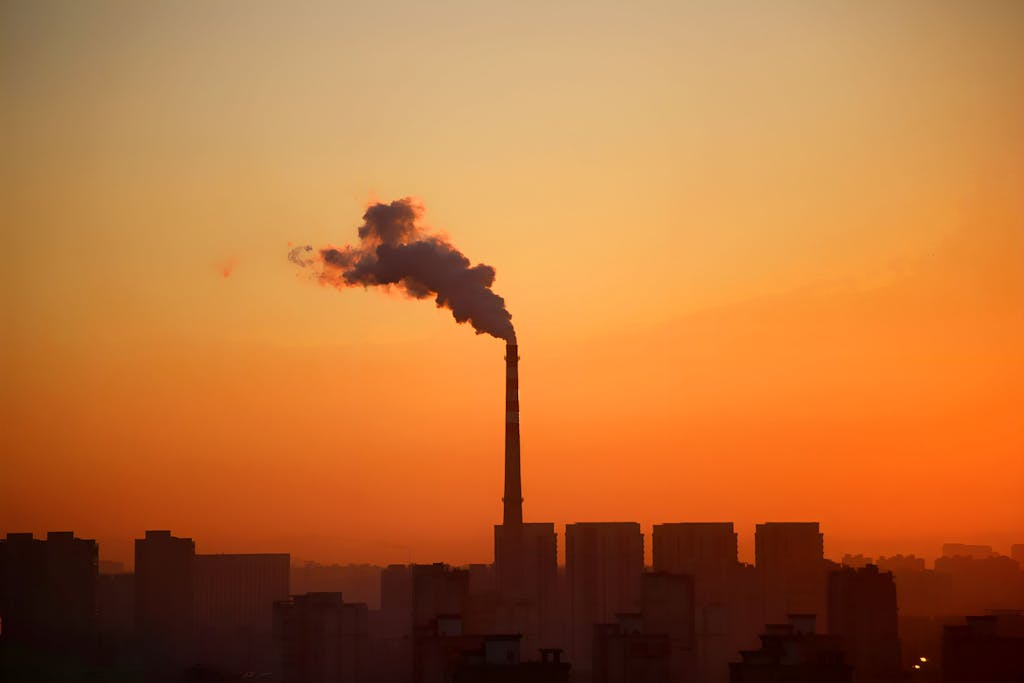
The meat industry has a serious climate problem because livestock produce methane, nitrous oxide, and carbon dioxide across the supply chain. Methane comes mainly from ruminants like cattle and sheep during digestion, while manure management and fertilizer used in animal feed can increase emissions. FAO estimates place livestock supply chains at about 7.1 gigatonnes of carbon dioxide equivalent, roughly 14.5% of global human-caused greenhouse gas emissions.
Beef is especially intense compared with most other foods. Research reviewed by climate and food analysts consistently shows that beef produces far more greenhouse gases per unit of food than chicken, pork, beans, lentils, tofu, or many grains. That does not mean all meat has the same footprint, but it does mean the biggest cuts of red meat often carry the heaviest climate baggage.
It Uses Enormous Amounts of Land
Raising animals for food requires land for grazing and land for growing feed crops. That makes meat one of the biggest drivers of agricultural land use. Agriculture already occupies about half of the world’s habitable land, and meat-heavy diets require far more land than diets built around plant-based protein.
This matters because land is not just empty space. It can hold forests, grasslands, wetlands, wildlife habitats, and carbon-rich soils. When land is converted to pasture or feed crops, ecosystems lose room to breathe. The plate may look small, but the land behind it can be massive.
It Fuels Deforestation
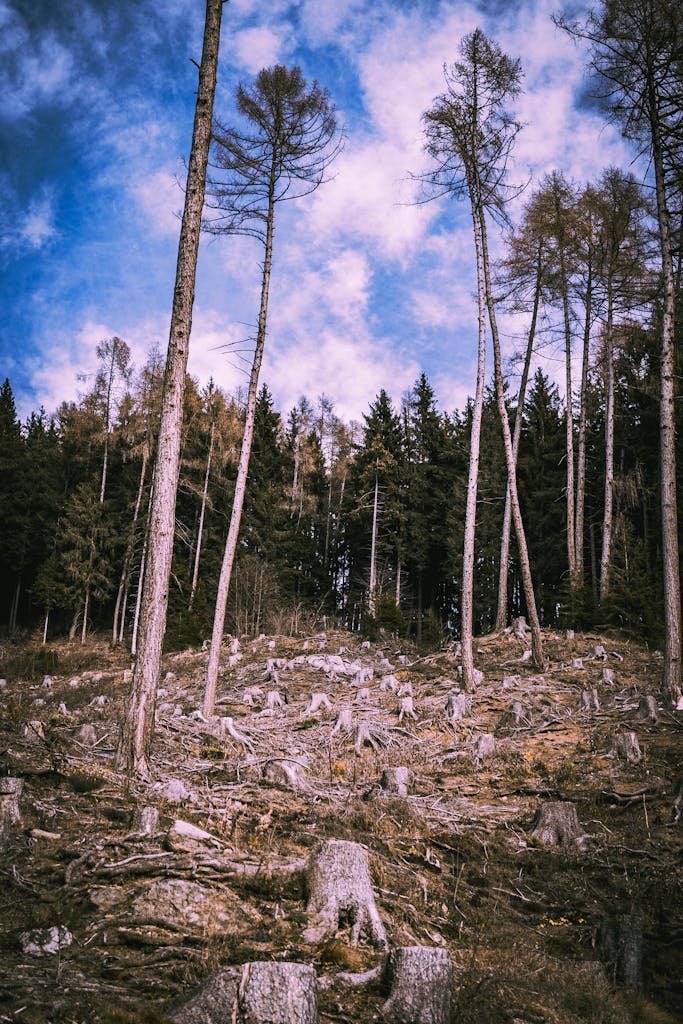
The meat industry is closely tied to deforestation, especially through cattle ranching and soy grown for animal feed. In regions like the Amazon, forest loss has often been linked to pasture expansion and agricultural supply chains that support global meat demand. Cutting down forests for livestock does more than remove trees. It destroys habitat, releases stored carbon, disrupts rainfall patterns, and weakens one of the planet’s natural defenses against climate change.
The IPCC has identified reduced deforestation and forest degradation as one of the major land-based mitigation options with large potential to cut emissions. That makes meat-linked land clearing a serious issue, because preventing forest loss is often cheaper and faster than trying to restore destroyed ecosystems later.
It Drains Freshwater Resources
Meat production can be water-intensive because animals need drinking water, feed crops need irrigation, and slaughterhouses and processing facilities need cleaning and sanitation. Agriculture accounts for about 70% of global freshwater withdrawals, and animal agriculture is a major part of that broader pressure.
Water use varies by region, farm type, and animal species, but the pattern is clear: producing calories from livestock often requires more water than producing calories from many plant foods. In dry regions, that demand can become a real stress on rivers, aquifers, and communities competing for the same water.
It Pollutes Rivers and Lakes
The meat industry creates large amounts of manure, and manure has to go somewhere. When waste is poorly managed, nutrients such as nitrogen and phosphorus can run into waterways. That runoff can feed algal blooms, lower oxygen levels, kill fish, and damage freshwater ecosystems.
Agriculture is responsible for a large share of global eutrophication, which is the overloading of waterways with nutrient-rich pollution. Our World in Data summarizes research showing that agriculture causes about 78% of global ocean and freshwater eutrophication.
It Creates Manure and Waste Problems
Large-scale livestock operations can produce staggering amounts of waste. Unlike human sewage, animal manure is not always treated by the same municipal systems. It may be stored in lagoons, spread on fields, or managed in ways that can release methane, nitrous oxide, ammonia, and odors.
The U.S. Environmental Protection Agency explains that the treatment, storage, and transportation of livestock manure can produce methane and nitrous oxide emissions. That means manure is not just a smell problem. It is also a climate, air quality, and water risk problem when handled poorly.
It Contributes to Antibiotic Resistance
Antibiotics are important for treating sick animals, but overuse and misuse in livestock can contribute to antimicrobial resistance. FAO warns that while antimicrobials are essential for animal health and food security, careless use in animal production can foster the development and spread of antimicrobial resistance.
This is frightening because antibiotic resistance does not stay neatly inside a farm fence. Resistant bacteria can move through food, water, workers, animals, and the environment. That does not mean livestock is the only cause of antimicrobial resistance, but it is one important part of a global health problem that makes infections harder to treat.
It Pushes Wildlife Out
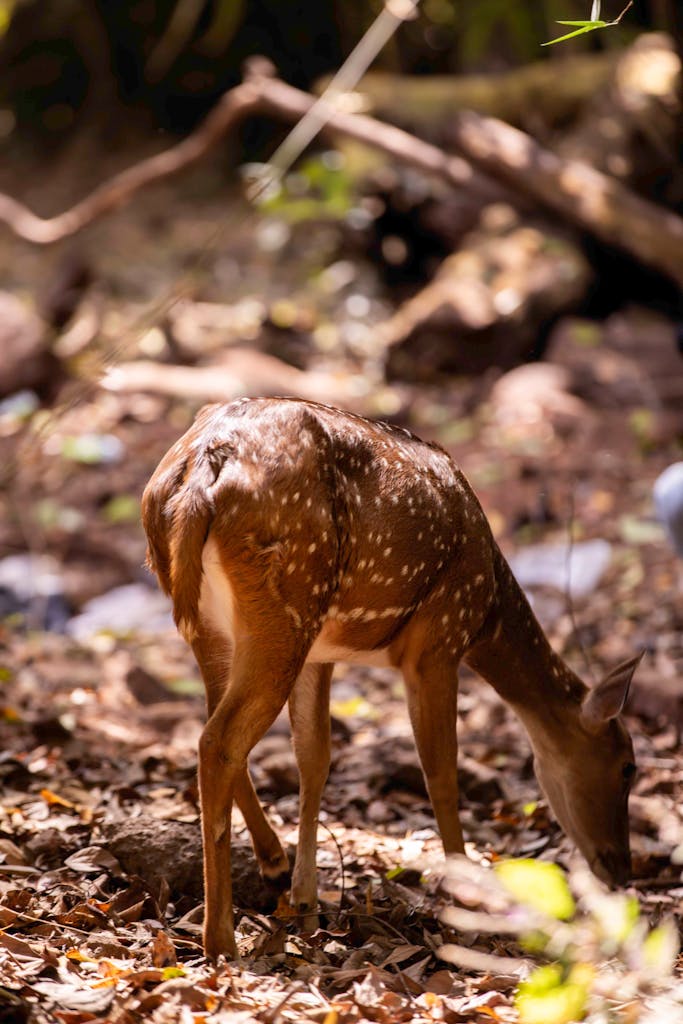
Meat production affects wildlife through habitat loss, fencing, feed-crop expansion, water use, and predator control. When forests or grasslands are converted to pasture or monocrop fields, wild animals lose food sources, nesting areas, migration corridors, and shelter. The impact may not always look dramatic at first, but over time, biodiversity quietly thins out.
The land problem is one of the biggest issues here. When so much habitable land is used for agriculture, and a major share of that land supports livestock directly or indirectly, wildlife has less space left. A cheap cut of meat can carry an invisible cost paid by species most shoppers never see.
It Makes Food Systems Less Efficient
Using crops to feed animals before feeding people can be inefficient. Animals convert only part of the feed they eat into edible meat, milk, or eggs. The rest goes into movement, heat, bones, organs, waste, and basic survival. That means land and crops that could help feed humans directly often move through animals first.
This does not mean livestock has no role in food security. In some regions, animals provide nutrition, income, transport, manure, and resilience on land that cannot easily grow crops. But in high-consumption countries, large amounts of grain and soy are being used for intensive meat production, raising a serious question: Are we using food resources wisely?
What Can Actually Help
The answer does not have to be extreme. Eating less beef, wasting less meat, choosing smaller portions, adding more beans and lentils, trying meat-free days, and supporting better farming practices can all reduce pressure. Research shows that food choices matter, and shifting away from the highest-impact animal products can reduce emissions, land use, and water stress.
Policy also matters. Better manure management, stronger deforestation rules, improved animal welfare standards, responsible antibiotic use, methane reduction strategies, and support for farmers transitioning to more sustainable systems can make a real difference. Individual choices matter, but large systems need large reforms too.
Final Thoughts
The meat industry’s damage does not come from one single problem. It comes from many pressures stacked together: climate emissions, land use, deforestation, water demand, manure pollution, antibiotic resistance, and biodiversity loss.
Meat may remain part of many diets, but pretending it has no environmental cost is no longer believable. The smarter path is honest, practical, and urgent. Eat with awareness, waste less, reduce the highest-impact choices, and demand food systems that do not quietly trade the planet’s health for another cheap meal.