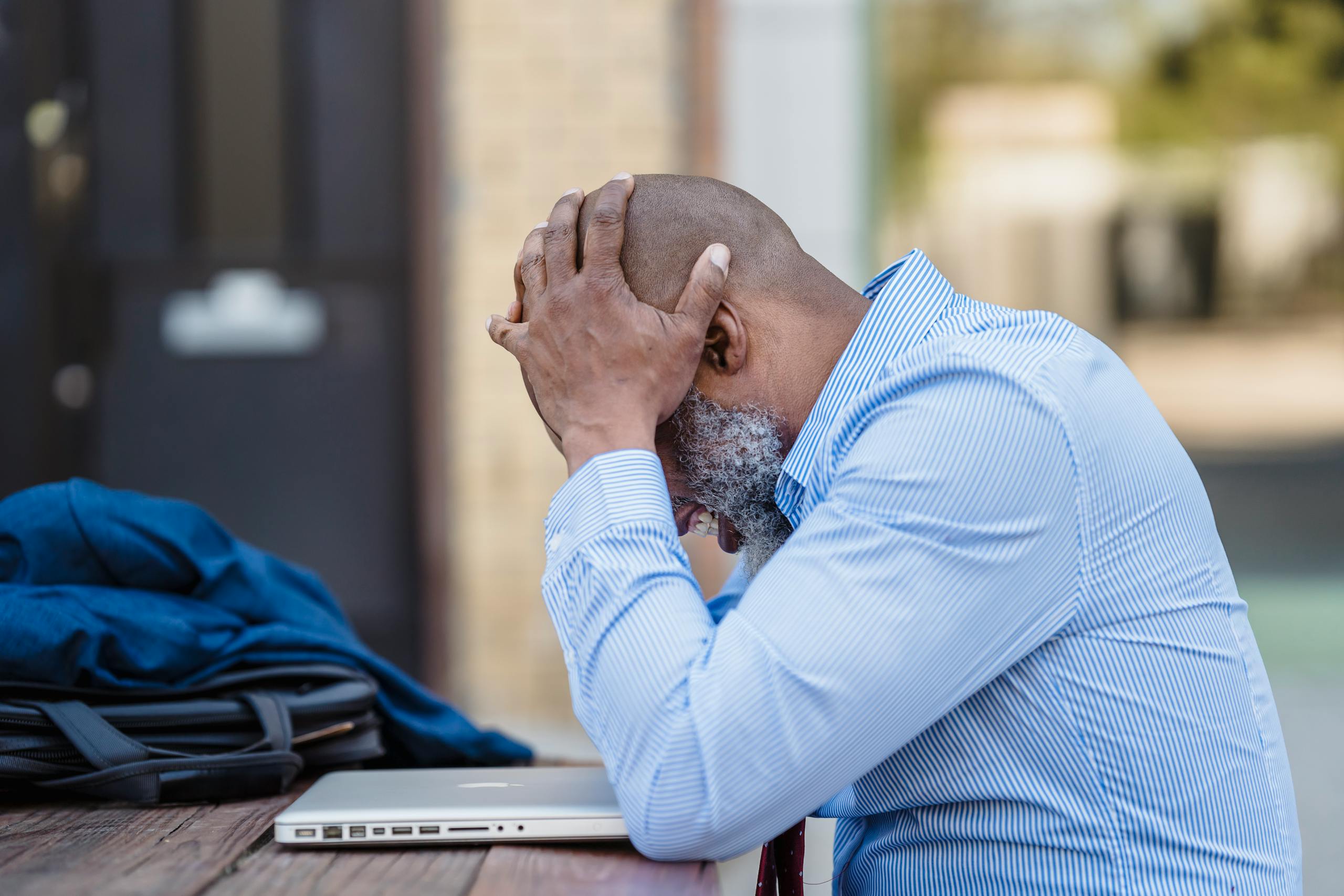
Being single can be peaceful, freeing, and deeply fulfilling. No one should be pushed into a relationship just to satisfy family pressure, social media expectations, or the awkward aunt who keeps asking when “your person” is coming. Pew Research Center found that only 23% of Americans see marriage as essential to a fulfilling life, which says plenty about how attitudes have changed.
Still, being single can have a darker side that people do not always discuss openly. The problem is not singlehood itself. The problem is how society treats single people, how loneliness can grow when social support is thin, and how certain systems quietly reward couples while leaving single adults to carry more alone. Listverse highlighted several uncomfortable facts about single life, including social bias, health risks, and financial disadvantages.
Dating Can Feel Like a Second Job
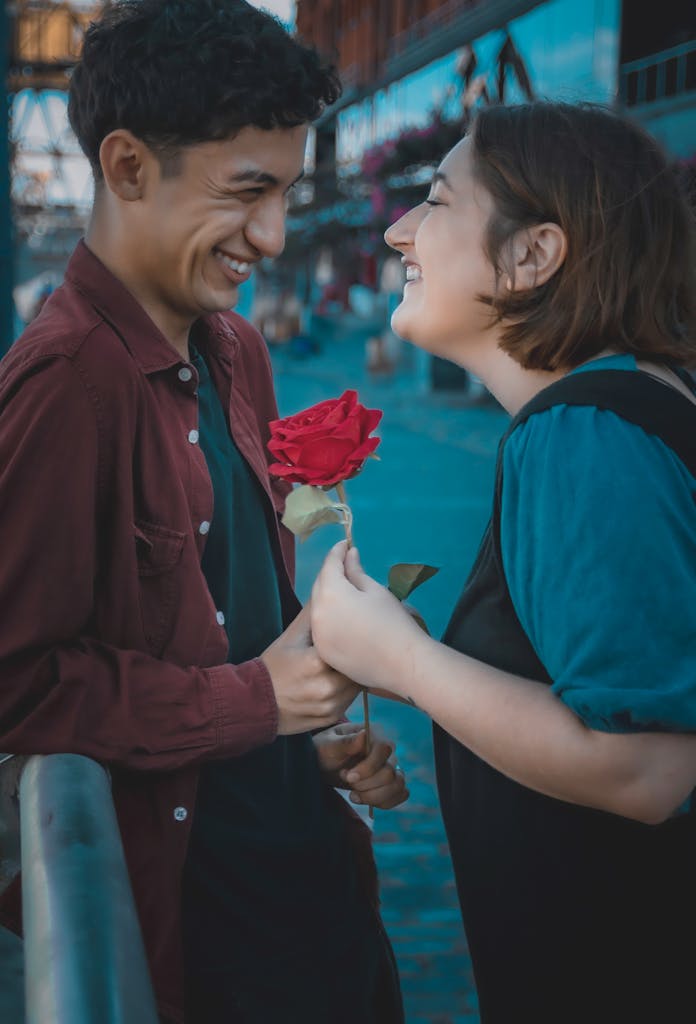
For people who want a relationship, modern dating can be draining. Apps promise endless options, but the reality can feel like unpaid emotional labor. You swipe, message, explain yourself, dodge red flags, repeat your life story, and still may end up with someone who disappears after three conversations.
Pew Research Center found that 45% of single Americans who were looking for dates or a relationship had used an online dating platform in the previous year. The same snapshot found that many single-and-looking adults said dating had become harder during the pandemic period.
Single People Still Face Quiet Social Judgment

Many single people know the feeling. Someone lowers their voice and asks why they are “still single,” as if love is a deadline they missed. The question may sound harmless, but it often assumes that a person’s life is incomplete without a partner.
That social judgment can become exhausting. Single adults may be treated as less settled, less mature, or less happy, even when their lives are full, successful, and emotionally rich. Listverse points out that unmarried people often face veiled insults and pressure about their relationship status, even when they are doing perfectly well.
Loneliness Can Hit Harder Than People Admit
Being single does not automatically mean being lonely. Some people are single and socially rich, surrounded by friends, family, work communities, faith groups, hobbies, and strong support systems. Others are partnered and still feel painfully alone.
The danger begins when singlehood turns into isolation. The CDC says about 1 in 3 U.S. adults report feeling lonely, and about 1 in 4 say they lack social and emotional support. Loneliness and social isolation are linked to serious health risks, including depression, anxiety, heart disease, stroke, dementia, and earlier death.
Society Often Assumes Couples Are Happier
One of the sneakiest problems single people face is the belief that happiness must look like a couple. If a married person says they are content, people believe them. If a single person says the same thing, some people quietly assume they are pretending.
Listverse highlighted research and commentary suggesting that people sometimes rate married individuals as happier than single individuals, even when single people are described as successful and content. That bias matters because it makes single joy look suspicious, as if independence must be explained or defended.
Single Adults Can Pay More for Ordinary Life
Being single can be expensive in ways people in couples often overlook. Couples can split rent, groceries, utilities, streaming subscriptions, hotel rooms, and household chores. Single adults often pay the full cost of living alone, which can make daily life heavier financially.
Listverse also points to broader financial disadvantages, including fewer couple-based discounts and fewer benefits in systems designed around marriage. Pew Research Center has tracked unmarried adults as a major demographic group, and recent data showed that 42% of U.S. adults were unpartnered in 2023, meaning this is not a small corner of society.
Health Care Bias Can Become Dangerous
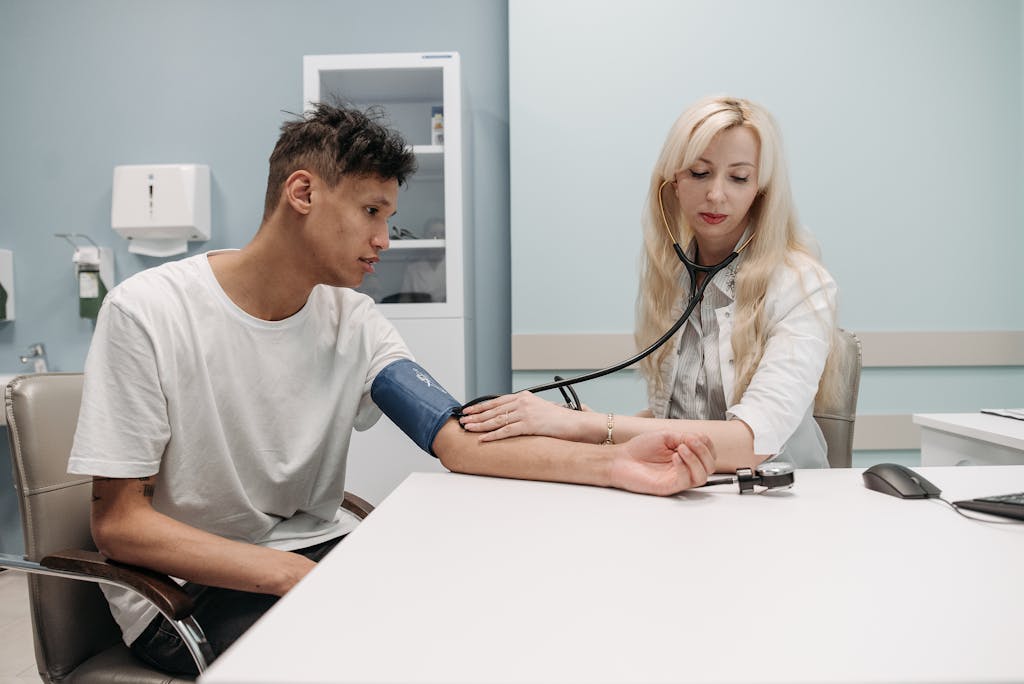
This is one of the darkest issues. Single patients can face assumptions about whether they have enough support to handle serious treatment. That kind of thinking can become dangerous when doctors or medical teams assume a married patient has better odds simply because a spouse is present.
Listverse describes the case of researcher Joan DelFattore, who wrote about cancer treatment and marital-status bias after her own experience with stage four gallbladder cancer. The article argues that lower survival rates among unmarried cancer patients may reflect treatment bias and support assumptions rather than a lack of will to live.
Some Cultures Punish Single Mothers Harshly
Singlehood becomes much darker when gender, pregnancy, religion, law, and social shame collide. In some places, unmarried mothers face abandonment, stigma, legal barriers, and family rejection. The punishment often lands hardest on women and children, not on the men involved.
Listverse uses Tunisia as one example, describing severe stigma against unmarried mothers and the legal and social pressure they may face after childbirth. The larger point is uncomfortable but clear: in some societies, being single is not merely a relationship status. It can become a social sentence.
The Pressure to Couple Up Can Push People Into Bad Relationships
The fear of being single can make people tolerate things they should never accept. Loneliness, family pressure, money stress, and comparison can push someone toward a relationship that looks better from the outside than it feels on the inside.
That is why the real answer is not “get a partner at any cost.” A healthy relationship can bring comfort, support, stability, and joy. A bad relationship can bring stress, control, disrespect, and emotional exhaustion. Being single is not the enemy. Being isolated, unsupported, judged, or pressured into the wrong person is the real danger.
Final Thoughts
Single life is not automatically sad, and marriage is not automatically safe. Plenty of single people are happy, healthy, successful, and surrounded by meaningful connections. Plenty of couples are lonely inside relationships that look perfect from a distance.
The darker truth is that society still treats single people unevenly. They can face judgment, higher living costs, dating fatigue, medical assumptions, and loneliness when support networks are weak. The goal should not be rushing into any relationship just to escape singlehood. The goal should be building a life with real connection, emotional support, and love that does not require self-betrayal.