We live in a world constantly on the go — cars humming, planes roaring, trains gliding, and bikes pedaling through daily rhythms. But beneath that familiar hum lies a tapestry of transportation wonders that most people never think about.
Movement is not just about getting from point A to point B — it’s about innovation, history, psychology, and physics all intertwined. These truths about transport are not just interesting — they’re remarkable, illuminating facets of how humans and machines defy distance, gravity, and expectation.
Some Trains Are So Fast They Bend Time — Sort Of
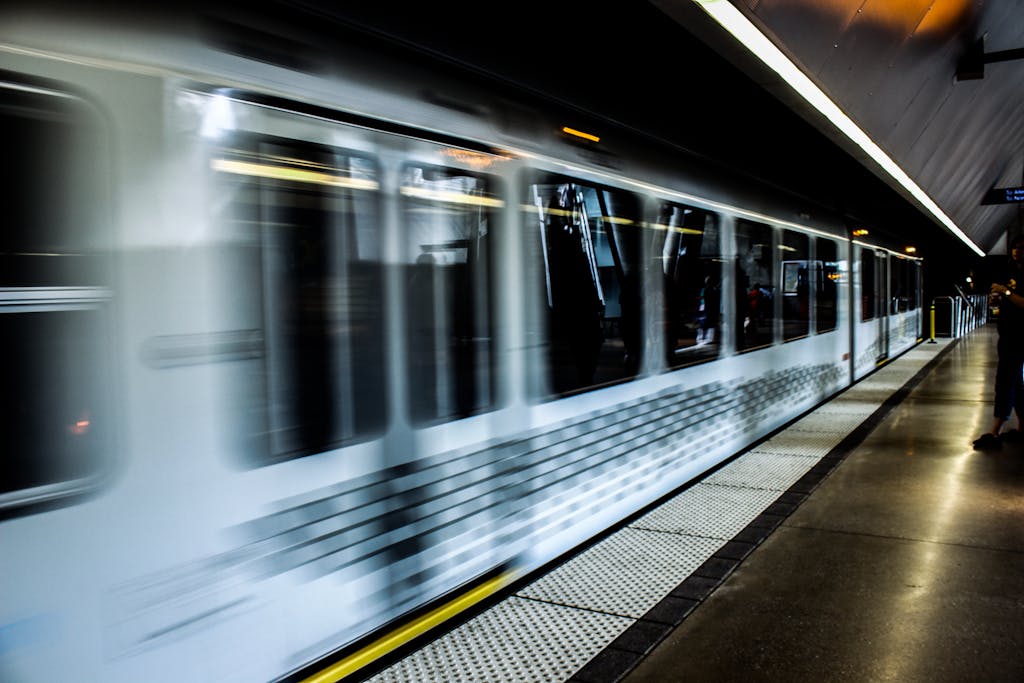
Hyper‑fast trains like maglev (magnetic levitation) systems don’t just break speed records — they reinvent how speed feels. Instead of wheels on rails, these trains hover above the tracks using magnetic forces, eliminating friction and allowing them to glide at incredible speeds.
At such velocities, the experience isn’t just quicker — it’s smoother, whisper‑quiet, and eerily futuristic. When you ride one, you’re not just traveling fast; you’re touching a future‑forward way of moving that blurs the line between reality and science fiction.
The Road You Drive On Is Alive with Data
Modern highways aren’t just strips of concrete or asphalt — they’re becoming intelligent systems. Smart roads can power electric vehicles as they drive, detect crashes, and communicate with cars to optimize traffic flow.
This isn’t distant theory — it’s happening in prototypes and pilot cities around the globe. In a world where vehicles increasingly talk to infrastructure, we’re less passengers and more participants in a connected dance of motion.
Boats Use the Ocean’s Invisible Highways
Water may seem boundless and random, but the seas are organized by powerful currents that act like underwater freeways.
Ancient sailors understood these natural transport networks long before engines existed. By riding currents like the Gulf Stream, early explorers shortened dangerous voyages and opened trade routes.
Today, cargo ships still rely on this deep‑water choreography to save fuel and time, proving that nature’s design can steer human progress.
Air Travel Is a Battle Against Itself

Flying isn’t just about thrust and wings — it’s a continuous negotiation with the atmosphere. Pilots and engineers don’t simply push through air; they harness air pressure differences to create lift and reduce drag.
The sky isn’t empty — it’s an invisible ocean with currents, turbulence, and layers that influence every flight. Every takeoff and landing is a masterpiece of physics in motion, where aircraft and air become partners in movement.
Bicycles Are Surprisingly Efficient Machines
You might think of bikes as simple, low‑tech tools, but they’re among the most energy‑efficient transport devices ever made. A human pedaling a bicycle converts far more calories into actual forward motion than a runner or even most motor vehicles.
On two wheels, your body becomes part of an economic engine converting power into distance with elegant simplicity. With the right design and terrain, bicycles outrank cars in how much distance they cover per unit of energy — a remarkable truth in a world obsessed with speed.
Roads Have a Hidden Impact on the Environment
We often think of cars as the main problem for the planet, but the network of roads itself has an impact beyond emissions. Every road alters local ecosystems, fragments animal habitats, and changes water flow.
Some animals have even adapted to use roads as pathways, creating unusual migration patterns. Transportation doesn’t just move people — it reshapes landscapes in ways most of us never see.
Some Highways Let You Go Faster Just by Curve Design
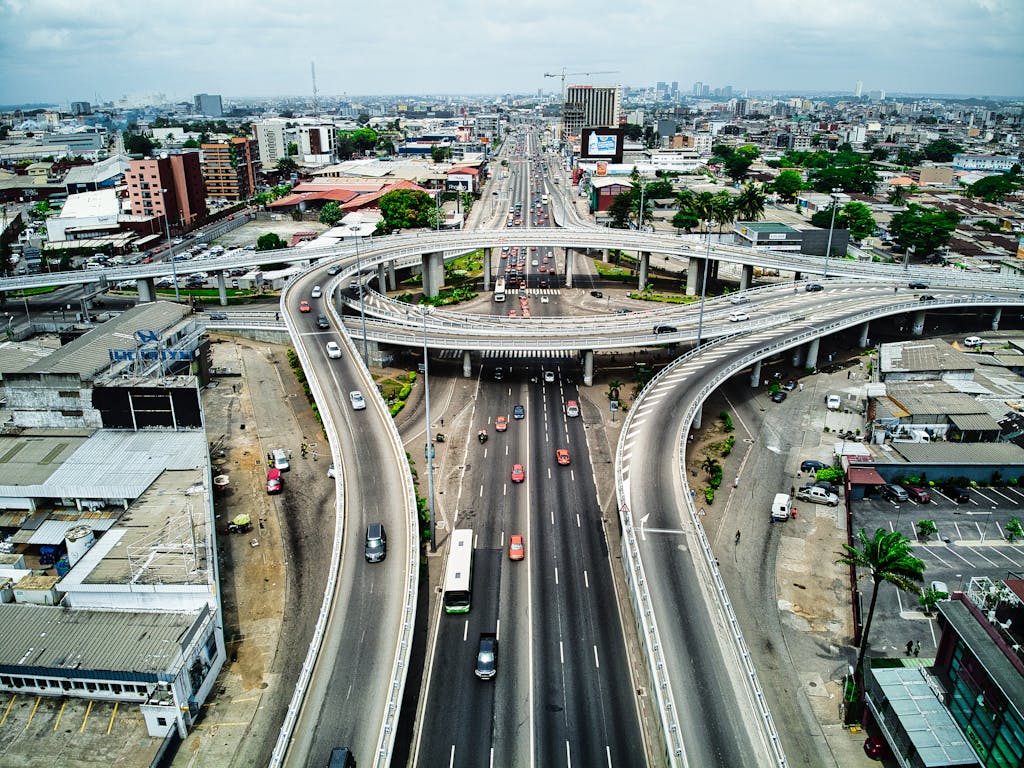
Turns can be designed to make you feel slower even when you’re moving faster. Spiral highways and banked curves cleverly balance gravitational forces, allowing drivers to maintain a comfortable speed.
Engineers use geometry and physics to make motion feel intuitive, reducing accidents while improving flow. It’s a subtle reminder that smart design can make movement safer and more thrilling.
Subways Are Cities’ Hidden Veins
Looking at a city from above, you see the streets — but beneath lies another world of movement: subway networks. These underground systems are more than transit lines; they’re lifelines that pump people to jobs, culture, and life itself.
Their routes reflect political history, economic shifts, and social needs. Every time a subway car arrives, it’s not just transport — it’s the heartbeat of a city in motion.
Electric Vehicles Are Rewiring What We Call “Fuel”
The idea of fuel is shifting. Gasoline used to be the universal answer to mobility; today, electricity is taking its place. Electric vehicles convert stored electrical energy into motion with far fewer moving parts than traditional engines.
They are changing how we think about energy, pollution, and even urban design. With charging networks expanding, energy grids adapting, and batteries improving, the future of motion is electrified and evolving.
Walking Still Trumps Many High‑Tech Options

In an era of rockets, hyperloops, and autonomous cars, one truth remains glorious and simple: walking is still unmatched in accessibility. Humans are built to walk, exploring landscapes with precision, awareness, and adaptability that machines can’t replicate.
Every city sidewalk, forest trail, and dusty path reminds us that movement doesn’t always need fuel, engines, or tracks — just feet and curiosity. Walking connects us to the world in a way no technology ever can.
Conclusion
Transport isn’t merely a convenience — it’s a force that molds society, history, and imagination. Whether it’s the invisible power of ocean currents or the quiet hum of an electric vehicle, how we move reveals as much about us as where we go.
These truths remind us that transportation is more than machines; it’s physics, design, culture, and human spirit in motion. When we embrace the wonder behind movement, we see not just how we travel — but how we transform the world.