When it comes to dogs, size doesn’t always tell the full story. While many breeds may appear to be harmless, their behavior can be anything but. From tiny lapdogs with big attitudes to energetic terriers with unpredictable temperaments, some of the most surprisingly dangerous dogs are often the ones we least expect. Whether it’s their instinct to protect, territorial behavior, or simply a lack of proper training, these breeds can quickly become a handful if not handled with care. Here are 12 dog breeds that prove you shouldn’t judge a dog by its size or its cuteness.
Chihuahua
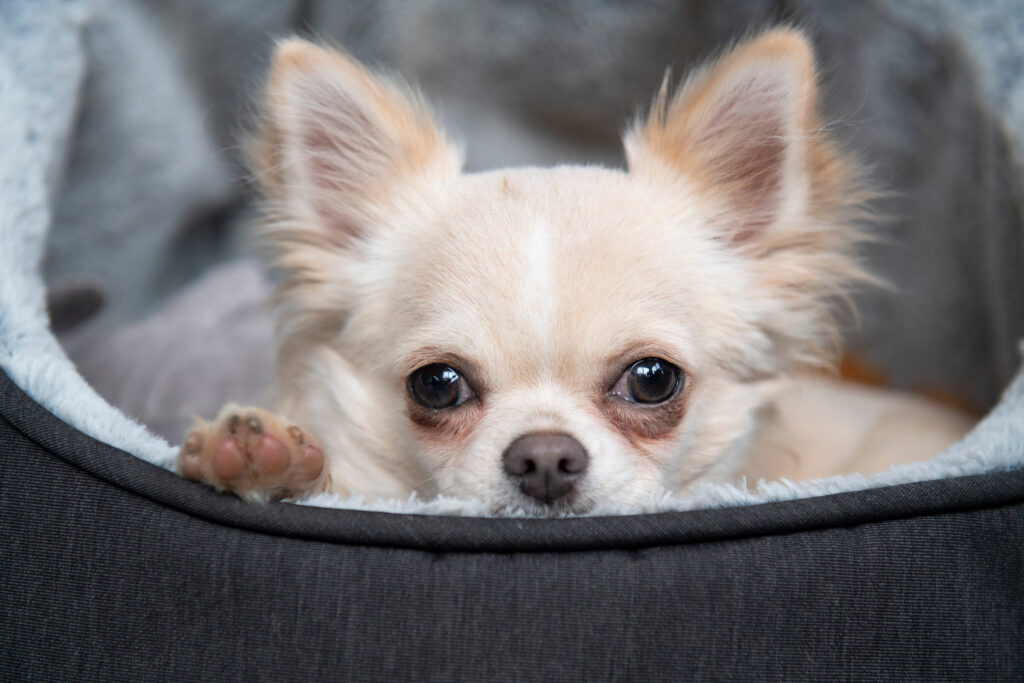
Chihuahuas are tiny dogs with an outsized attitude that can lead to aggressive behavior. Owners may overlook their need for proper training and socialization, making them more prone to snapping at strangers. Despite their size, they are known for their assertive personalities and for being protective of their home and family.
With their fearless and territorial instincts, Chihuahuas can become a handful if they feel threatened. These dogs can exhibit small dog syndrome, where they compensate for their size with bravado, making them prone to unprovoked aggression. If not properly trained, they can bark excessively, lunge at visitors, or snap in situations that make them uncomfortable.
Dachshund
Though Dachshunds may appear like friendly, quirky companions with their long bodies and short legs, they are known to be aggressive and territorial. Originally bred to hunt badgers, these little dogs have strong prey instincts, which can translate into defensive behavior. When provoked or untrained, they will not hesitate to defend their space with a bite or growl.
Dachshunds can be extremely protective of their owners, often mistaking minor threats as something much more dangerous. Their bold, fearless personality can make them difficult to handle, especially when they feel threatened or are not properly socialized. Without early training and clear boundaries, Dachshunds can quickly become more aggressive than their owners might expect.
Chow Chow
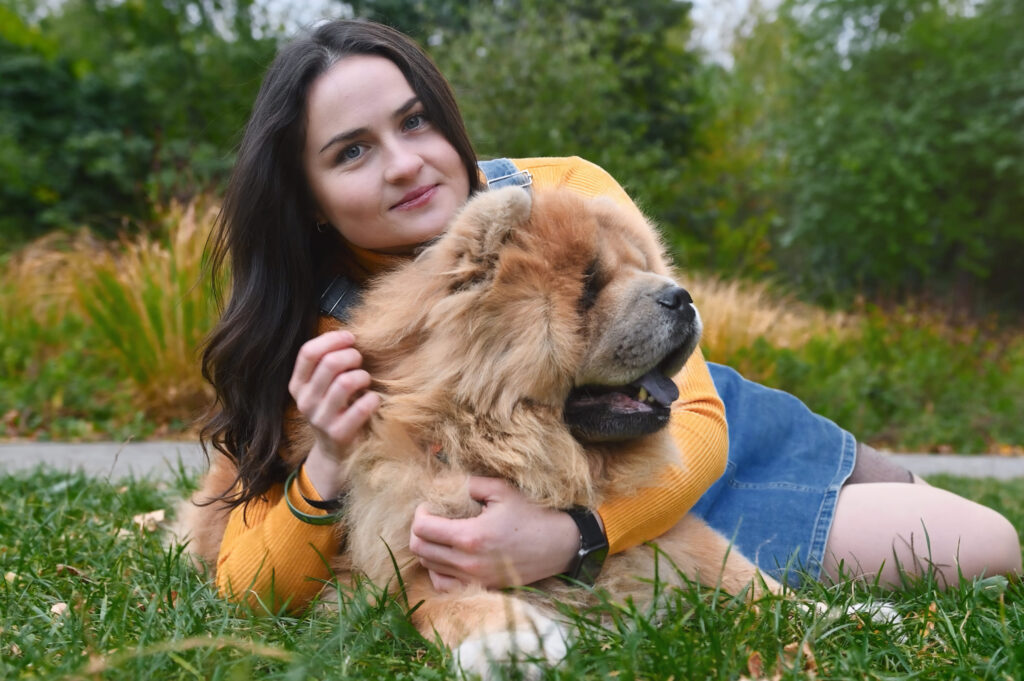
Chow Chows may look like cuddly balls of fluff, but don’t let their appearance fool you. They are among the oldest and most independent dog breeds, bred to protect their territory. Known for their aloofness and strong-willed nature, Chow Chows can be suspicious of strangers and will not hesitate to defend their space if they feel it’s necessary.
Chow Chows have a dominant temperament and can be quite aggressive if not raised with clear boundaries and consistent training. They are not overly friendly with unfamiliar people or animals and may react defensively when approached. Although they can be loyal and affectionate with their owners, their guarding instincts make them more likely to display aggression than most would expect from such a fluffy breed.
Jack Russell Terrier
The Jack Russell Terrier may be small, but it packs a punch with its high energy and relentless drive. Known for their hunting prowess, these terriers are always on the move, and their prey drive can trigger aggressive behavior if not properly channeled. These dogs tend to be very territorial, often exhibiting possessiveness over toys, food, and even their human family members.
While they are generally friendly and playful, Jack Russells can become aggressive if they feel threatened or untrained. Their stubbornness and tendency to overreact can lead to nipping, snapping, and even biting when they’re overstimulated or not receiving enough attention. Early socialization and consistent training are essential to prevent them from becoming overly aggressive, as their small size often leads owners to underestimate their dominant nature.
Dalmatian
Dalmatians are iconic for their striking black-and-white coats, but behind that appearance lies a breed with a powerful guarding instinct. Historically used as carriage dogs and firehouse mascots, these dogs are known to be intelligent but also very independent. Without adequate exercise and mental stimulation, Dalmatians can become destructive and aggressive, especially toward other animals.
Despite their friendly demeanor towards their owners, Dalmatians can show aggression towards strangers or unfamiliar animals. Their natural instinct to guard can easily turn into possessiveness, leading to biting or chasing behaviors if they feel their territory is at risk. These dogs need a firm hand and a structured environment to channel their energy in a positive direction.
Cocker Spaniel
Cocker Spaniels may be gentle and loving, but their sweet appearance can mask an unpredictable temperament. Known for their loyalty, guarding their home or favorite toys. They tend to form strong attachments to their families, but if startled or threatened, they can lash out quickly. Without proper training, they may exhibit signs of territorial aggression, especially when
The breed’s sensitive nature can also make them prone to anxiety, which can result in biting or growling when they’re scared. Cocker Spaniels can become defensive in unfamiliar environments or around unfamiliar people, and their strong reaction to stress makes them a bit of a liability if not properly trained. For a well-behaved Cocker Spaniel, socialization and training must begin early to prevent aggression from developing.
Bull Terrier
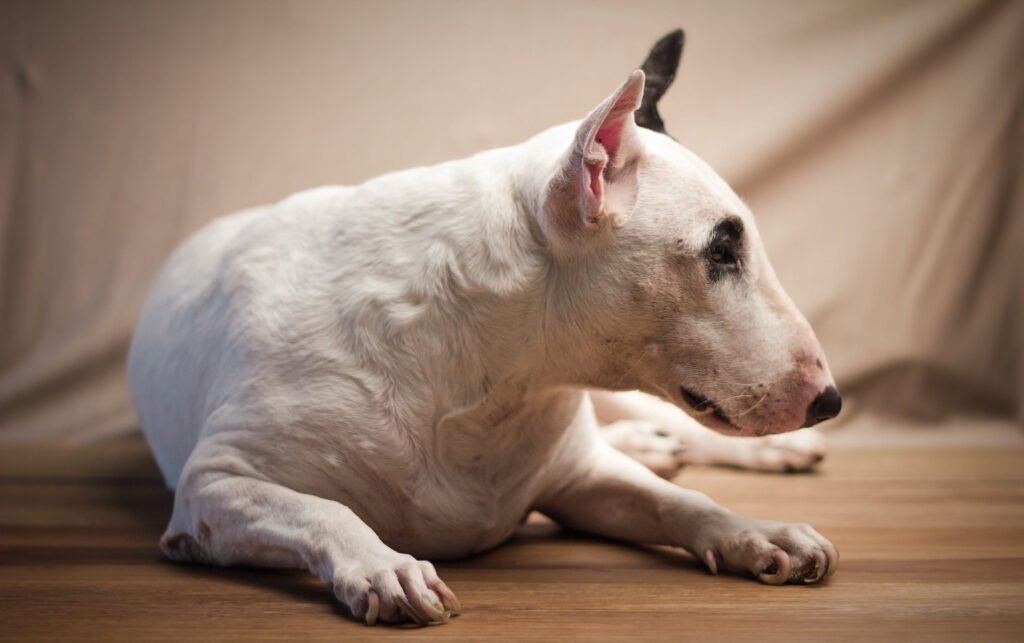
The Bull Terrier is known for its distinctive egg-shaped head, but this breed is much more than that. Bull Terriers were originally bred for bull-baiting and as companion dogs, but their strong prey drive and fearless nature make them among the more unpredictable breeds when not properly trained. These dogs can become very protective, and if they feel threatened, their instincts may trigger aggression.
Their muscular build and strong-willed temperament make them difficult to manage without firm leadership. Bull Terriers often challenge authority, and without the right guidance, they can develop bad habits like aggression toward strangers or even other animals. Proper training and socialization are essential to prevent these dogs from becoming overly dominant or aggressive.
Shar Pei
With their wrinkled faces and relaxed demeanor, Shar Peis may seem calm and laid-back, but they are fiercely protective and territorial. Originally bred as guard dogs, they have a strong instinct to defend their homes and families. This can lead to aggressive behavior when faced with strangers or unfamiliar situations, especially if they feel their family is in danger.
Shar Peis have a stubborn streak and can be difficult to train, making early socialization crucial to preventing aggression. Their protective nature often leads them to exhibit territorial aggression, especially when they are not accustomed to being around unfamiliar people or animals. Without consistent training and boundaries, these dogs can become a real challenge for owners who are unprepared for their dominant instincts.
Pekingese
The Pekingese might be small and fluffy, but don’t be fooled , they can be incredibly territorial and prone to aggressive behavior. Originally bred as companion dogs for Chinese royalty, they have a deep-rooted desire to protect their home and loved ones. They may be affectionate toward their owners, but will not hesitate to snap or growl at strangers if they feel threatened.
Despite their tiny size, Pekingese are known for their courage and strong-willed personalities. They can be stubborn and possessive, often guarding their territory against other pets or unfamiliar people. While they may look cute and harmless, a Pekingese that isn’t properly socialized or trained can become surprisingly aggressive, especially in new or stressful situations.
Beagle
Beagles are generally friendly and curious, but their keen sense of smell and boundless energy can lead to unexpected aggression. Bred for hunting, Beagles have a deep-rooted instinct to track and chase prey, and without proper training, this drive can translate into territorial behavior. They are also highly social dogs that can become aggressive if they feel isolated or neglected.
While Beagles are often gentle with children and their families, their strong instincts can cause them to react defensively when they feel their territory is threatened. Their curiosity and overactive nature can make them difficult to control, especially in environments with lots of distractions. Early training and exercise are critical to ensure they don’t develop destructive or aggressive tendencies.
Shih Tzu
Shih Tzus may look like cuddly lap dogs, but their independent and stubborn nature can make them surprisingly aggressive. They are extremely protective of their owners and often become territorial if they feel their home is at risk. This can manifest in growling, snapping, or barking at strangers, and if not properly trained, they can easily become aggressive toward new people or animals.
Despite their small size, Shih Tzus have a strong-willed personality, and their need for attention can quickly turn into possessiveness. Without early socialization and consistent training, they can become difficult to manage. If you are not the leader in their eyes, they will try to take charge and may develop behavior issues that make them seem more dangerous than they actually are.
Miniature Schnauzer
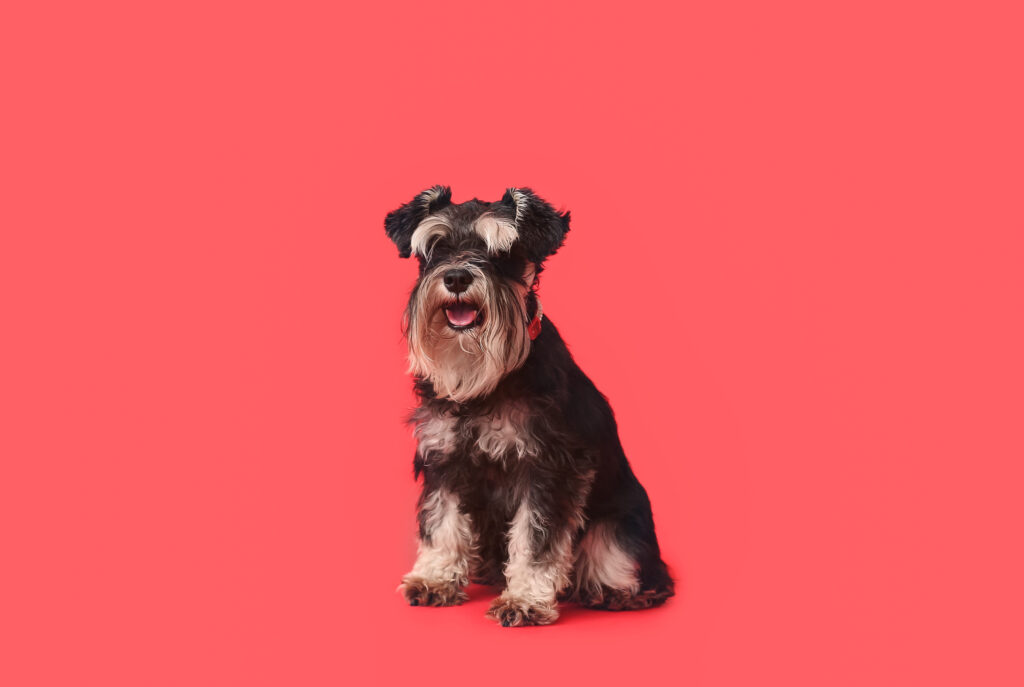
Miniature Schnauzers are small, but their spunky personalities and protective instincts make them deceptively dangerous if not properly trained. These dogs were originally bred as ratters and guard dogs, and their keen senses make them highly alert to potential threats. While they may seem friendly, Schnauzers can easily become aggressive if they perceive a threat to their family or territory.
Their strong-willed nature can create challenges during training, especially if they are not given clear boundaries and leadership. Miniature Schnauzers can be territorial and may react aggressively toward other animals or people they perceive as intruders. They require consistent training and socialization to prevent them from becoming overly aggressive, as their protectiveness can turn into unpredictable behavior if not properly managed.