We’ve all been there, standing in front of the fridge or cooler, scanning rows of bottled drinks that promise everything from hydration to energy, detoxification, and more. Their sleek designs and bold labels make them seem like the perfect, easy solution for our busy lives. But when you stop and think about it, are these bottled drinks really worth the money they cost?
More often than not, we’re paying a premium for convenience, marketing, and packaging rather than the beverage’s true value. Sure, it’s easy to grab a bottle while on the go, but the truth is, many of these drinks are overpriced for what they offer. With a little effort, you can recreate most of them at home for a fraction of the cost, without sacrificing flavor or quality.
Bottled Smoothies
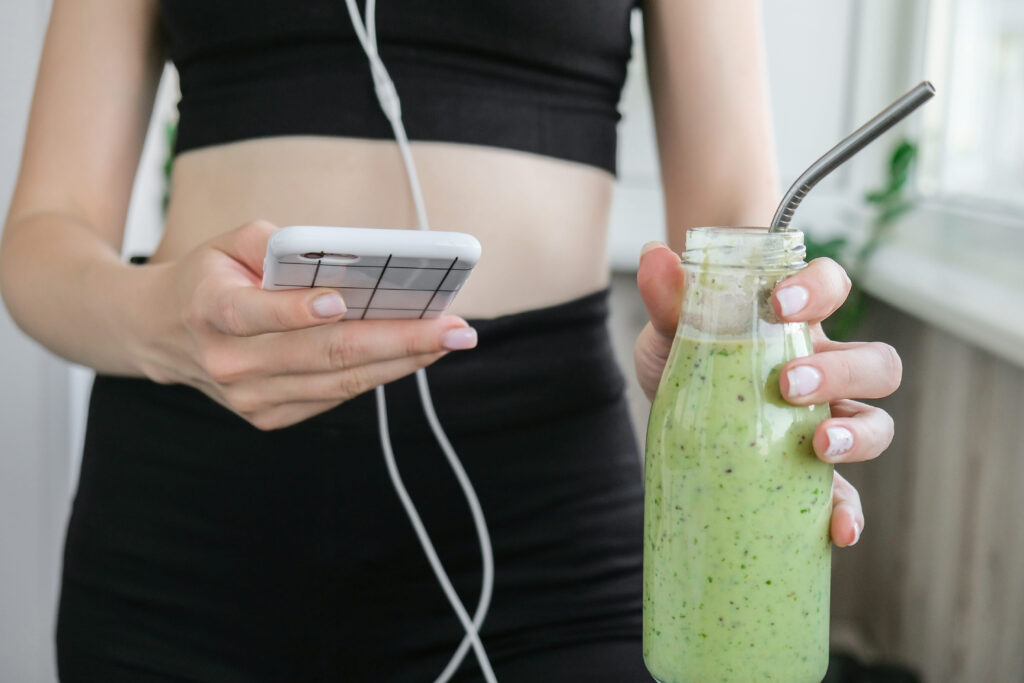
The bottled smoothie market has exploded, with brands offering everything from antioxidant-packed blends to protein-rich concoctions. These drinks are often marketed as the ultimate on-the-go meal replacement, packed with superfoods and vitamins. However, many of these smoothies are loaded with sugar, fruit juice concentrates, and artificial flavors, making them less nutritious than they claim to be. Prices can range from $7 to $9 per bottle, which is a steep price to pay for a drink that might be more sugar than substance.
Instead of shelling out for these pricey beverages, you can make your own smoothies at home for a fraction of the cost. All you need are fresh or frozen fruits, a splash of milk or yogurt, and any extras like protein powder or greens. Plus, when you make your own smoothie, you have full control over what goes in, ensuring you get exactly what you want without any hidden sugars or preservatives.
Green Juice Cleanses
Green juices have become a staple in the wellness world, often promoted as the key to detoxifying your body and boosting your energy. Brands package these drinks in vibrant green bottles, claiming to flush out toxins and promote better digestion. The problem is that green juices are often made from a blend of kale, spinach, and other leafy greens, but they can also contain added sugars and preservatives that counteract their health benefits.
These juices typically cost $8 to $12 per bottle, and while they might look healthy, they don’t always live up to their claims. Plus, there’s no scientific evidence that detox juices do anything that your body’s natural detox system (i.e., your liver and kidneys) isn’t already handling. Instead of buying into the cleanse craze, you can easily blend up your own green drink at home. It’s fresh, more affordable, and just as nutrient-packed.
Bottled Lemonade
Tourism/Pixabay
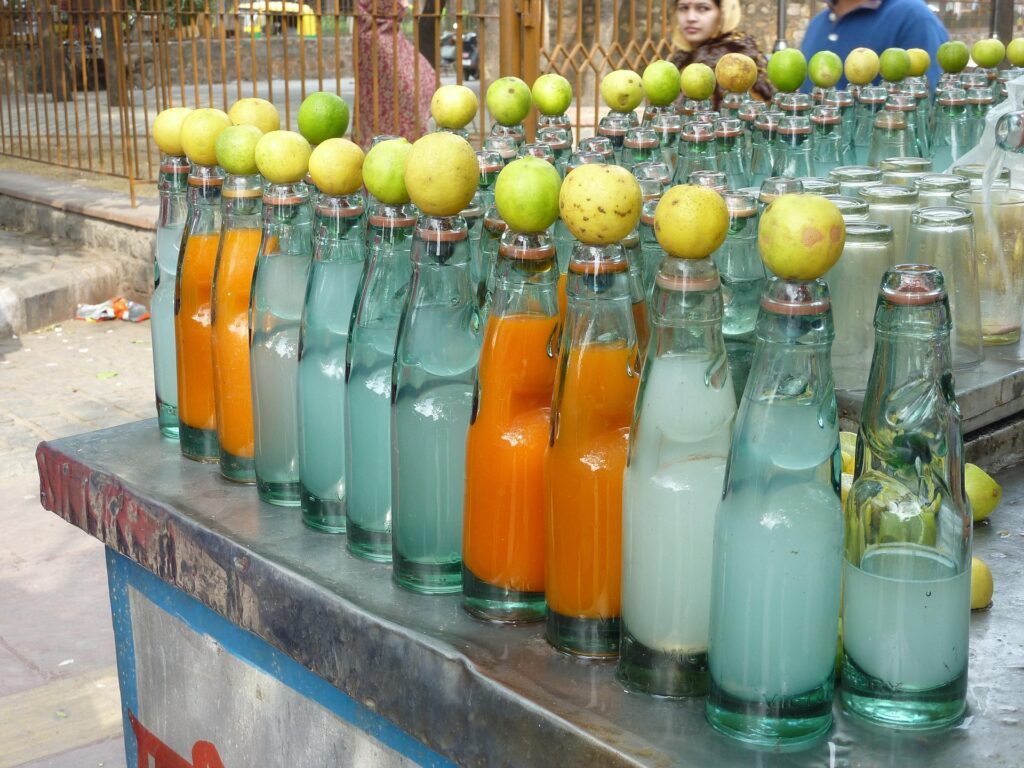
Lemonade in a bottle seems like a refreshing option, but it’s essentially a sugary drink dressed up in a pretty package. While homemade lemonade is delicious and simple to make, bottled versions often have a high sugar content and cost $3 to $5 per bottle. For what is essentially water, lemon, and sugar, this is a steep cost. Plus, most bottled versions don’t even use real lemon juice; they use lemon juice concentrate instead.
Making lemonade at home is quick and cheap. Adjust sugar as you like, or add herbs or sparkling water. Bottled lemonade shows how simple drinks get overpriced.
Flavored Bottled Iced Tea
Flavored bottled iced tea is another classic example of a bottled drink that gets overpriced. Whether it’s peach, raspberry, or lemon, these beverages are often touted as refreshing and healthy. While they might be lower in calories than a soda, many bottled iced teas still contain added sugars, artificial sweeteners, or preservatives. A single bottle can cost $3 to $4, which adds up quickly if you regularly indulge.
Brew iced tea at home, add fruit, and chill it for a homemade option. For flavor, add lemon, mint, or juice. Avoid paying more for someone else’s convenience.
Bottled Cold Brew Coffee
Cold brew coffee looks premium with sleek bottles and simple branding, but it’s just coffee steeped in cold water for hours. While refreshing, bottled versions cost $4 to $6 each, adding up fast for regular drinkers.
The truth is, making your own cold brew at home is ridiculously easy and much more cost-effective. A bag of quality coffee beans and a jar of water are all you need. Brew a batch yourself, and you can have enough cold brew to last the whole week, all for the price of just one bottle. When you buy pre-bottled cold brew, you’re paying for packaging and convenience, not the quality of the coffee itself. So why not skip the markup and save yourself some money by brewing it at home?
Bottled Protein Shakes

Bottled pBottled protein shakes attract fitness fans seeking portable nutrition. Yet ready-to-drink shakes cost much more per serving than making them with powder at home. Cheapism notes many shakes are $4 to $6 each. It might not seem outrageous once, but it becomes ridiculous when it becomes ready-to-drink. Yet, ready-to-drink shakes cost much more per serving than making them with powder at home. Titled versions continue to charge a premium for portability and shelf stability. Unless you truly need one on the run, you are paying extra for convenience that lasts a few seconds and drains your budget much longer. Protein should support your goals, not quietly sabotage your grocery bill.
Sparkling Water with Fancy Flavoring
Sparkling water has a talent for dressing up the bare minimum. Add a sleek can, a vague phrase like “botanical essence,” and suddenly plain fizzy water begins behaving like a luxury wellness product. Note that single-serve flavored sparkling waters can cost $2 to $3 each, which doesn’t feel extreme until you remember you are basically buying bubbles and branding.
A better option: make your own using plain sparkling water and juice, citrus, or herbs for flavor without paying for branding. When a drink’s greatest feature is its fancy sound, it’s probably overpriced. Enjoy sparkling water without the extra cost.
Kombucha
Kombucha is known for its potential health benefits, but it is often overpriced, with bottles costing $3 to $5 each. It’s just fermented tea with sugar and is easy to brew with a starter kit.
While it’s true that kombucha can be a fun and healthy addition to your routine, buying it bottled can quickly drain your wallet. If you’re a regular kombucha drinker, it might be worth investing in a starter kit and brewing your own batches. Not only will you have full control over the flavor, but you’ll also save money by avoiding those premium prices.
Bottled Coconut Water
Coconut water is marketed as a hydrating alternative, but bottled versions cost $3 to $5 and often contain sugars or preservatives, making them less natural. If you’re buying bottled coconut water, you can opt for a more affordable, authentic version by purchasing fresh coconuts at the store or choosing high-quality, unsweetened brands .After hydration, simple water with a squeeze of lemon or lime can be just as effective and way more cost-efficient.
Bottled Water

Bottled water is basic yet everywhere. It’s an easy grab, but at $1 to $2 each, especially when tap water is often just as clean, the cost is hard to justify. Here’s the environmental cost to think about ,single-use plastic bottles are a massive contributor to global waste. Instead of spending money on bottled water, invest in a high-quality reusable water bottle and refill it throughout the day. Not only will you save money, but you’ll also be doing your part to reduce plastic waste. It’s an easy switch that benefits both your wallet and the planet.