If you’re looking to grow vegetables that can survive in dry conditions, you might think drought-tolerant options are the perfect solution. However, not all drought-tolerant vegetables are as easy to grow as they claim to be. Some struggle with irregular watering schedules, require careful maintenance, or just don’t hold up to the heat as you expect. Let’s dive into the vegetables that could leave you with disappointing results if you’re not careful.
Hot Peppers
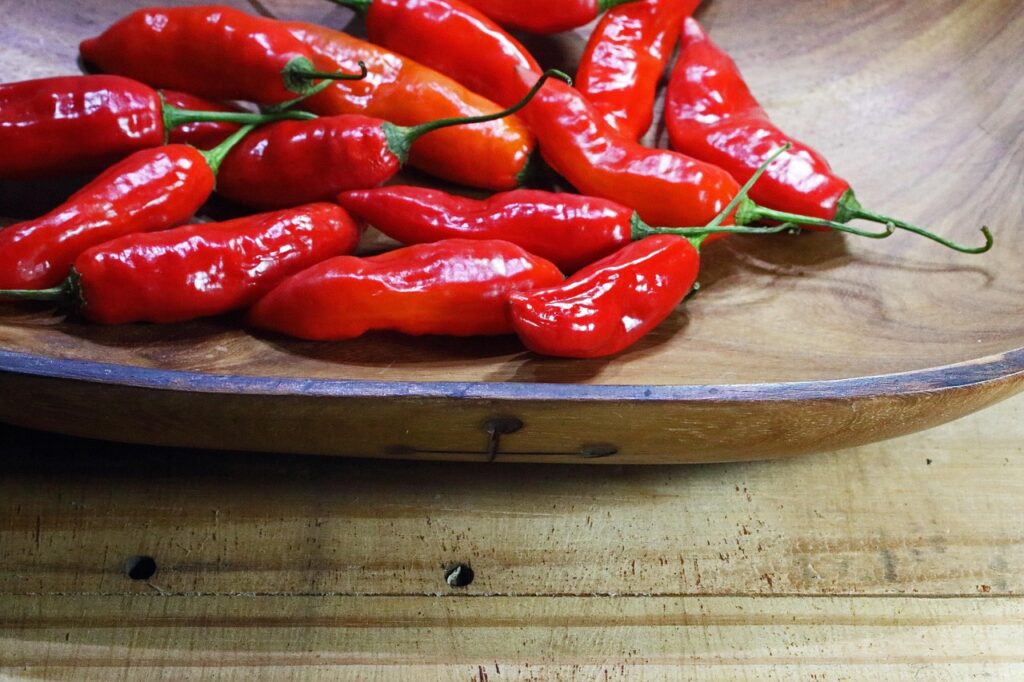
Hot peppers thrive in dry conditions, but they don’t handle extreme heat or poor soil quality well. If you don’t provide consistent soil moisture during their growth phase, their yield could be drastically reduced. Plus, some pepper varieties require more care than others, and their drought resistance might not be enough to withstand a harsh, prolonged dry season.
Pole Beans
Though pole beans have deeper roots that help them resist drought better than bush beans, they still need consistent water to fully develop. These plants often require adequate soil moisture to produce tender, high-quality beans. Without proper care, you’ll likely end up with a stringy and tough harvest, making it not worth the effort.
Zucchini
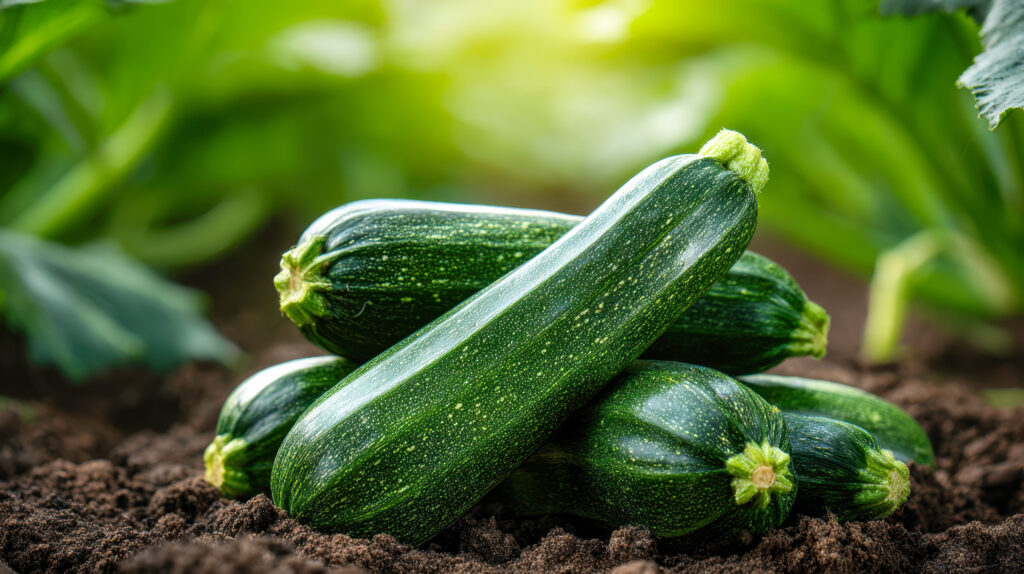
While zucchini is often touted as a great drought-tolerant vegetable, its deep roots don’t always fare well in dry, compacted soil. Even though zucchini plants are more resistant than some, they can still suffer from inconsistent watering. They tend to be stunted or yield poorly in drought conditions. If you’re expecting abundant crops without constant care, you might be disappointed.
Swiss Chard
Swiss chard is another vegetable that’s supposed to withstand drought, but it requires optimal growing conditions to reach its full potential. If the soil becomes too dry, chard leaves might wilt or become damaged. The plant also needs regular deep watering to develop its robust flavor. Skipping this maintenance can result in a disappointing, underdeveloped harvest.
Kale
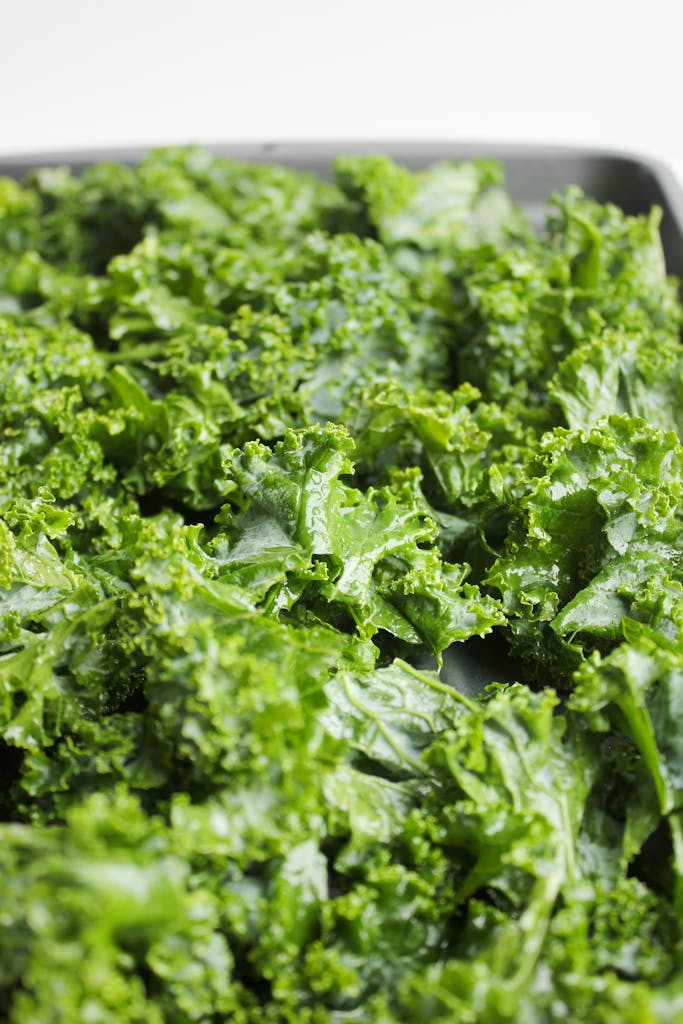
Kale is known for its toughness, but it still needs regular water to thrive, especially when it’s young. While it’s more drought-tolerant than other leafy greens, kale can become bitter and tough if not watered consistently. Even slight water stress can drastically affect the texture and taste of your kale, making it a poor choice for a low-maintenance garden.
Roma Tomatoes
Roma tomatoes are advertised as drought-resistant, but they still need water during the fruiting stage. Without consistent moisture, the tomatoes might crack, have a less vibrant flavor, or even fail to ripen properly. If you neglect proper watering, these drought-tolerant tomatoes can be more trouble than they’re worth.
Eggplant
While eggplants can tolerate heat and dry conditions, they are very sensitive to stress, especially during the early stages of growth. Without regular watering, you might see the fruit shrivel or become overly bitter. Even though it can survive some drought, eggplant isn’t the best choice if you’re hoping for a smooth, hassle-free harvest.
Okra
Okra is heat-tolerant and drought-resistant, but it still requires proper care to produce a decent yield. While it can survive with minimal water, a lack of moisture can affect its growth, resulting in smaller pods. The plant thrives under the right conditions but is likely to underperform without sufficient hydration to maintain consistent growth.
Root Vegetables (Carrots, Beets, Parsnips)
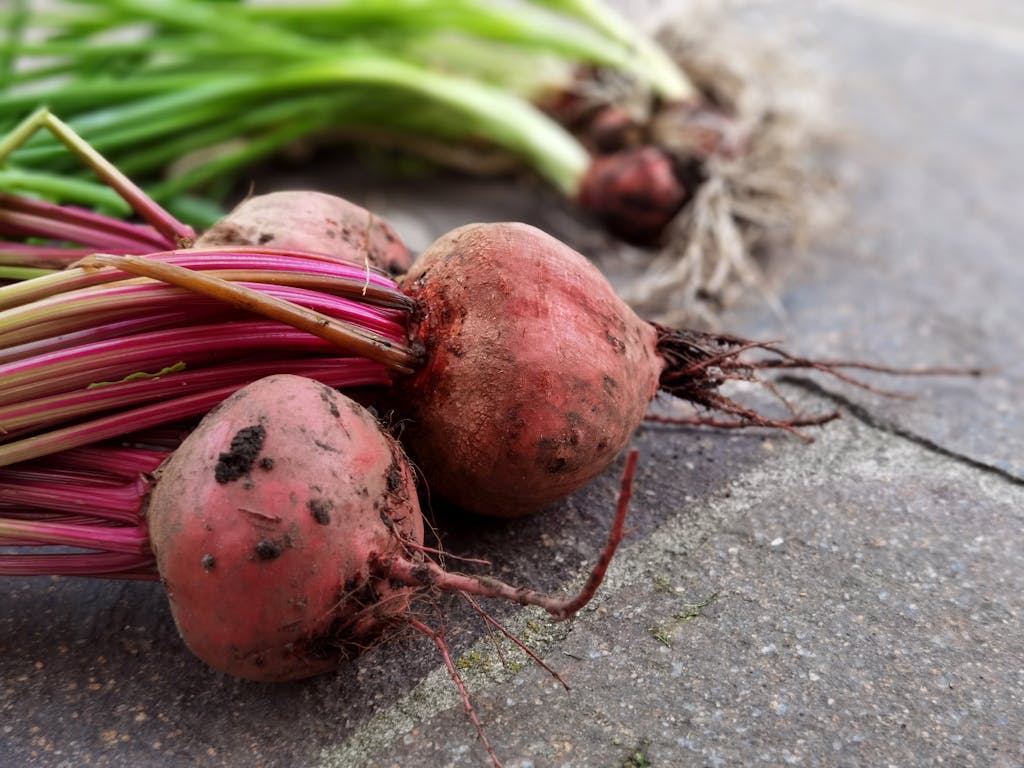
Root vegetables are often regarded as drought-resistant, but their success depends on soil conditions and water depth. Without sufficient moisture, roots will become stunted or misshapen, resulting in lower-quality produce. Carrots, beets, and parsnips will need a deep, consistent water supply, and many gardeners find that dry conditions negatively impact root development.
Sweet Potato
Sweet potatoes are marketed as drought-tolerant, but they need a reliable water supply during their growth phase to avoid underdevelopment. While they can endure dry spells, the tubers might not reach their full size without proper watering. If you don’t monitor moisture levels carefully, sweet potatoes may become tough, fibrous, or simply not grow as expected.
Conclusion
While these drought-tolerant vegetables might seem like a low-maintenance solution, they still require careful planning and attention to thrive in dry conditions. If you’re hoping for a stress-free, productive garden, you’ll need to monitor soil moisture levels and be prepared for the extra work involved in keeping these plants healthy through their growth cycles. The idea of planting once and letting nature take its course might yield disappointing results rather than a thriving harvest.