In many countries around the world, religion and politics are not two separate realms of life but intertwined forces that shape the nation’s identity, culture, and policies. In these powerful case studies, we explore how religion and politics influence each other, often with long-lasting implications for citizens and global relations.
Iran
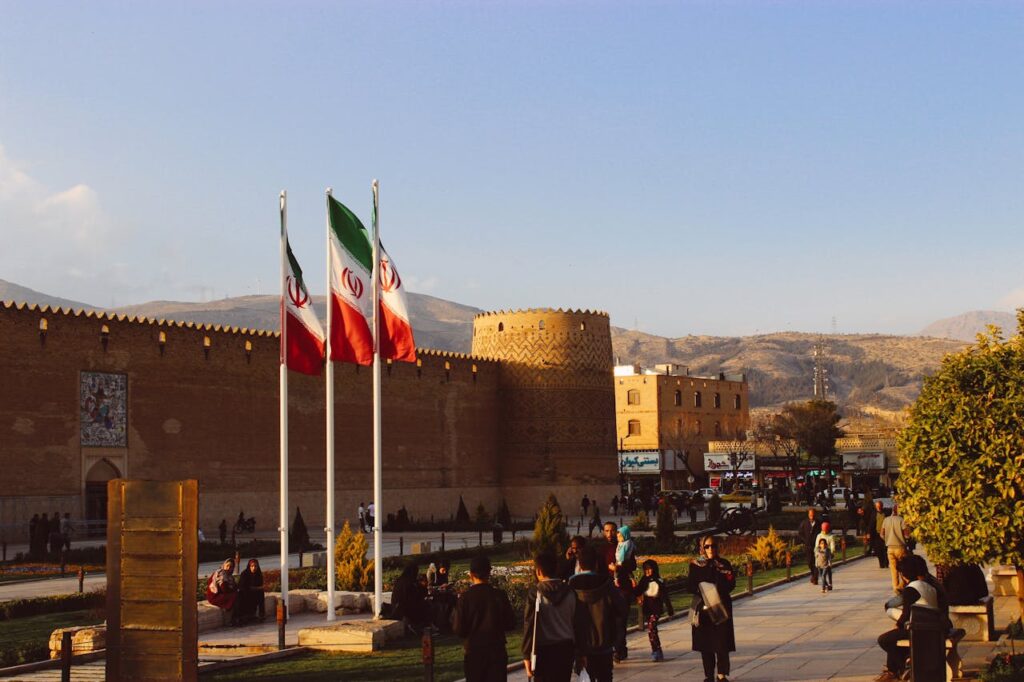
Iran stands as a prominent example of a country where religion and politics are inextricably linked. Since the 1979 revolution, Iran has embraced a theocratic system in which Shia Islam plays a central role in governance.
The Supreme Leader, the highest authority in the country, is a religious figure who ensures that political decisions align with Islamic values. This unique system combines religious law with state law, influencing everything from social policies to foreign relations.
Vatican City
The Vatican, as the smallest country in the world, is entirely governed by religious principles. The Pope holds not only spiritual authority over the Roman Catholic Church but also political power within the Vatican.
As the center of Catholicism, decisions made here resonate across the globe, affecting millions of followers and shaping discussions on moral issues, ethics, and international diplomacy.
Israel
In Israel, religion plays a major role in its political landscape, especially given its significance as the Jewish homeland. The State of Israel defines itself as a Jewish state, with its laws and culture deeply influenced by Judaism.
Religious institutions often exert considerable power, especially in areas like marriage and divorce, which are governed by religious law. The complex relationship between politics and religion also plays a pivotal role in the ongoing Israeli-Palestinian conflict.
Saudi Arabia
Saudi Arabia operates under a strict interpretation of Sharia law, and the political structure is deeply intertwined with religious principles. The monarchy, although modern in some respects, derives much of its legitimacy from its status as the Custodian of the Two Holy Mosques, a title that reinforces its religious authority in Islam.
Religion dictates laws on social issues, including dress codes, gender segregation, and the rights of women.
India
India, the world’s largest democracy, is a fascinating case of religion and politics converging in a modern, pluralistic society. Hinduism plays a significant role in shaping the political atmosphere, particularly with the rise of Hindu nationalism in recent years.
The current ruling party, the Bharatiya Janata Party (BJP), has increasingly aligned itself with Hindu ideals, leading to policies that prioritize Hindu identity in the nation’s governance.
Pakistan
Pakistan was created as a homeland for Muslims in the subcontinent, and Islam remains a dominant force in its political and social life.
The country’s political system is deeply rooted in Islamic principles, with the Constitution declaring Islam as the state religion. Political parties often draw support from religious groups, and laws based on Sharia influence daily life, especially in matters of personal status, such as marriage and inheritance.
Afghanistan
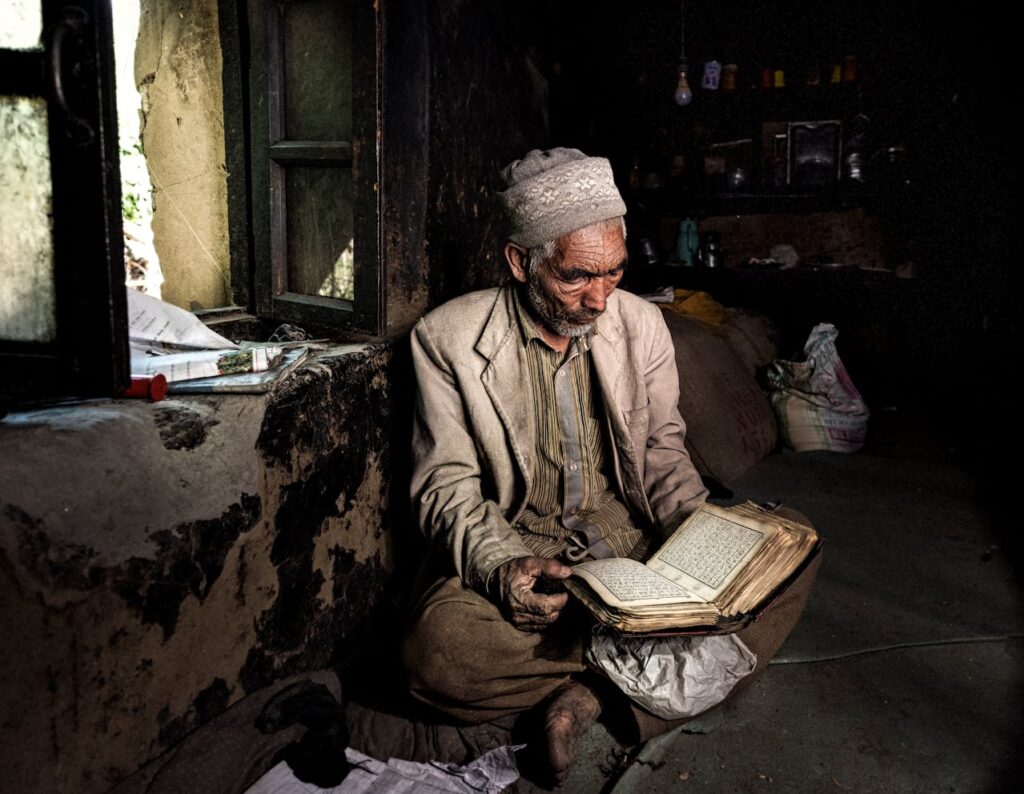
Afghanistan’s political landscape has been heavily shaped by Islam, particularly since the Taliban’s resurgence in 2021.
The Taliban government is founded on an ultra-conservative interpretation of Sharia law, influencing every aspect of governance, from women’s rights to criminal justice. The country’s legal and cultural systems are inseparable from its religious identity, and religion remains central to its national discourse.
Turkey
Turkey is a unique case in which religion and politics have been at odds for much of its modern history. While Mustafa Kemal Atatürk’s reforms initially established Turkey as a secular republic, recent political shifts under President Recep Tayyip Erdoğan have seen a revival of Islamic influence in governance.
Political movements increasingly draw on religious rhetoric, challenging the long-standing separation of church and state.
Egypt
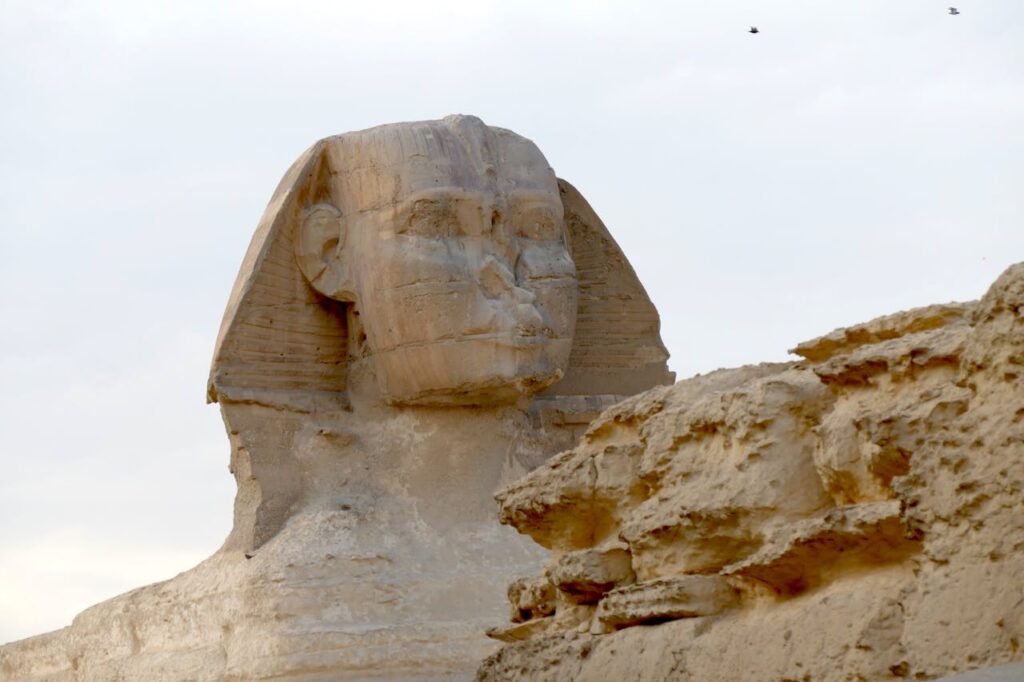
In Egypt, Islam has long been a central element of the national identity and politics. The government, although nominally secular, is influenced by Islamic principles, with the Muslim Brotherhood and other religious political parties playing significant roles in recent years.
The country’s laws are informed by Islamic teachings, especially in matters of personal law, and religion shapes public policy in areas like education and gender roles.
Indonesia
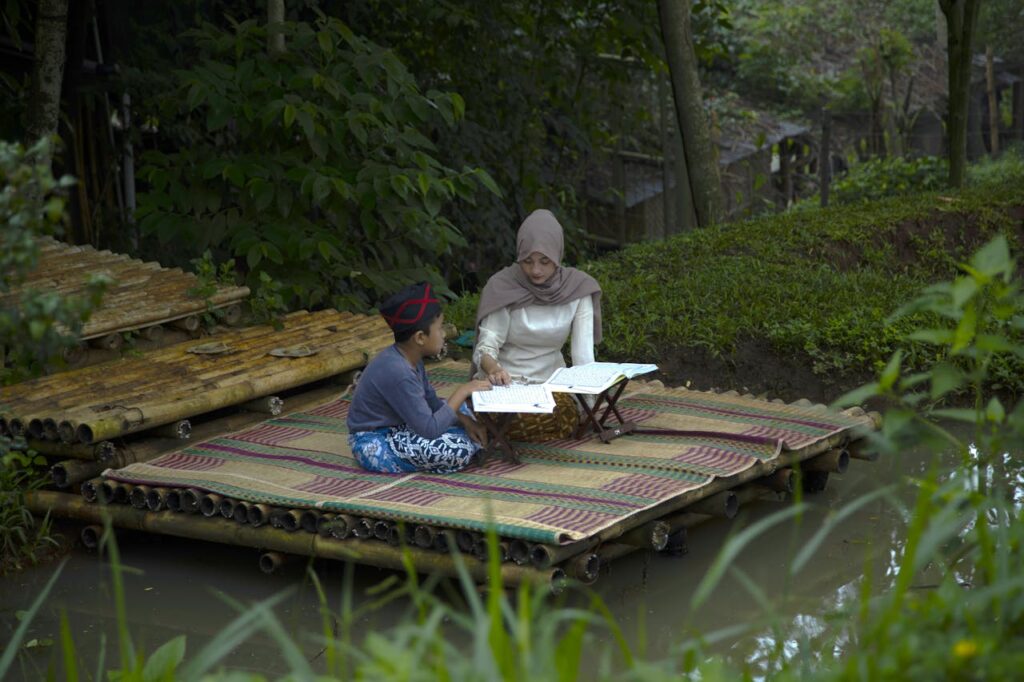
Indonesia, the world’s largest Muslim-majority country, has a unique blend of religion and politics. While the country is constitutionally secular, Islam plays a significant role in shaping its political landscape.
Islamic parties hold considerable influence in the government, and the state’s policies reflect the religious values of its population, including laws on marriage, education, and blasphemy.