Imagine this: You’ve just finished laying a beautiful DIY garden path, beaming with pride at your frugality and hard work. But within weeks, cracks begin to appear, gravel shifts, and your once-charming path starts looking like a disaster zone.
This is the harsh reality many DIY garden path enthusiasts face, and it’s more common than you think. Here’s why those budget-friendly projects could leave you with more stress and expense than you ever bargained for.
The Gravel Trap
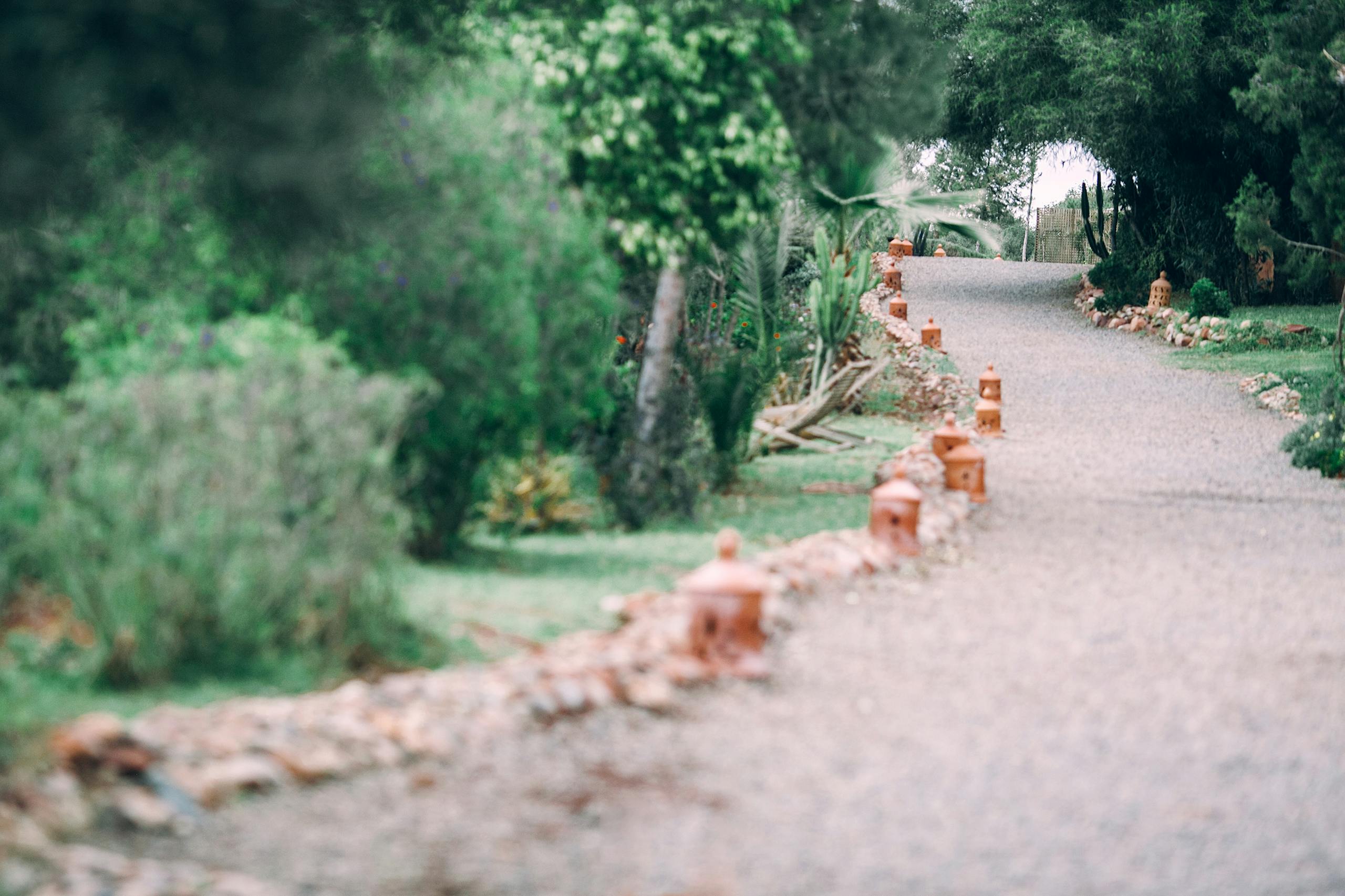
Gravel paths might seem like the ultimate low-cost solution to achieving a rustic garden look, but don’t be fooled; gravel quickly becomes a maintenance nightmare. Sure, it looks great at first, but without proper installation, you’ll soon find yourself dealing with the mess of shifting stones and uneven surfaces.
What was supposed to be an easy, affordable path now has you scrambling to fix it. The longer you wait, the worse it gets. Gravel paths are notorious for shifting and spilling, making them a nightmare to maintain.
You’ll need to constantly replenish gravel to keep it looking presentable, and that adds both time and money to what you thought was a cheap fix. So, before you roll up your sleeves, think about whether it’s worth the constant upkeep.
Stepping Stones That Sink
Picture this: You’ve spent hours carefully placing stepping stones to create a charming, whimsical pathway through your garden. A few weeks later, those stones have sunk into the ground, creating a dangerous, uneven surface.
What went wrong? Stepping stones might sound like the perfect DIY solution, but if not installed properly, they can quickly turn into a tripping hazard and an eyesore. Without a stable, level base and proper installation, stepping stones will inevitably sink.
You’ll be left with a path that’s anything but charming and possibly even unsafe. It’s one of the most common DIY garden path mistakes, and it can lead to costly repairs if not addressed early.
Wooden Paths
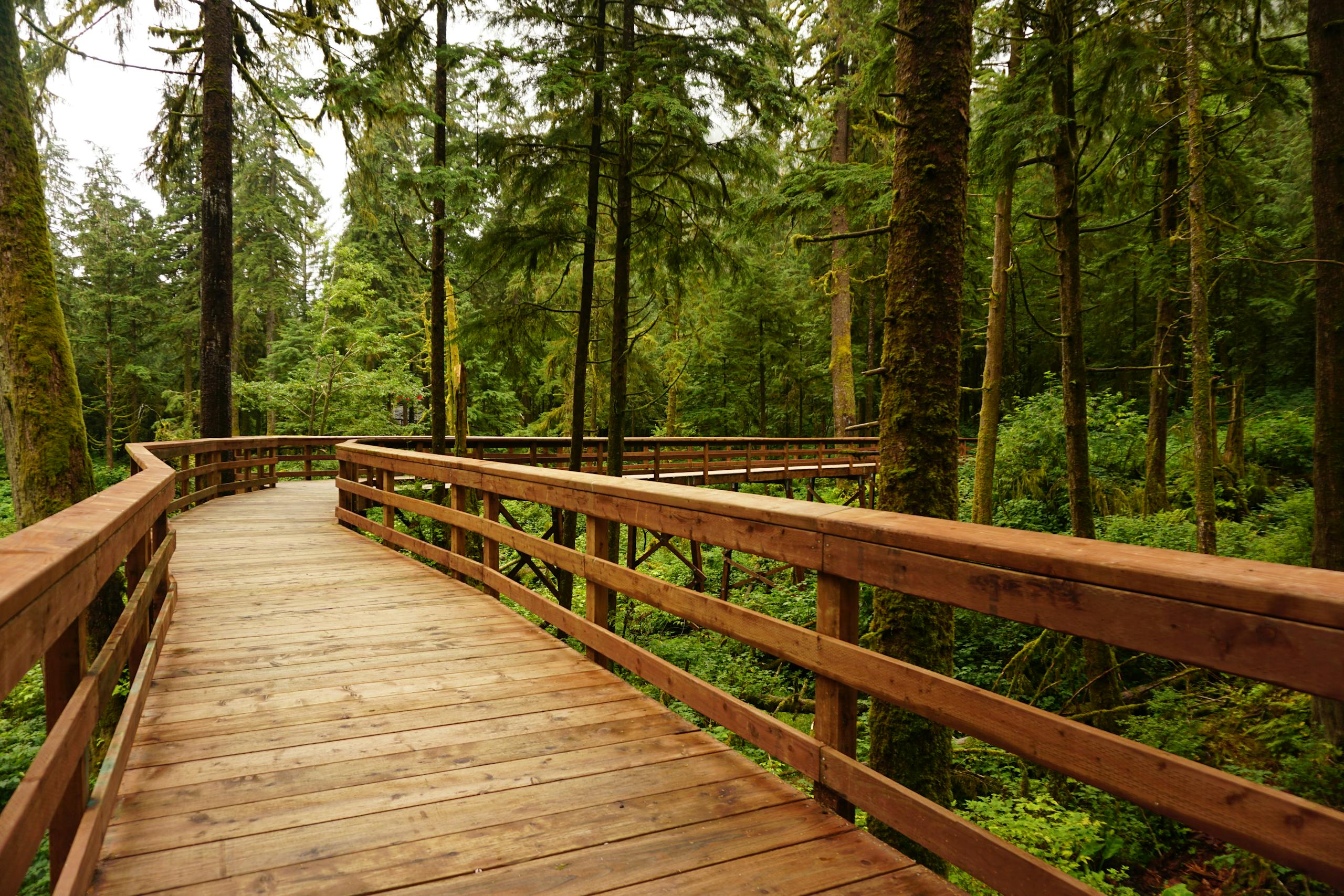
Ah, wood. It’s the quintessential material for a rustic garden path. But before you start laying down those wooden planks, consider this: Wood is no friend to the elements. Exposure to rain, sun, and temperature changes causes wood to rot and warp over time.
What was once a charming wooden path could soon turn into a decaying eyesore. And let’s not forget the pests, termites, and ants, who love nothing more than making your wooden path their new home.
Even treated wood will succumb to the elements, leading to rotting, warping, and potentially attracting pests. What seemed like a budget-friendly choice could soon turn into a high-maintenance nightmare, requiring regular sealing and pest control.
Tile Mosaics
Sure, turning broken tiles into a beautiful mosaic path sounds like a brilliant idea, but here’s the truth: It’s not as easy as it looks. The process of cutting, arranging, and setting tiles is tedious and labor-intensive. And unless you take extra care to properly secure the tiles, they’ll quickly crack, chip, or even pop loose.
The vibrant design you were so proud of can easily become an uneven, unsightly surface. Tile mosaics require far more time and effort than most DIYers anticipate.
If you don’t properly seal the tiles and create a stable base, they’ll deteriorate faster than you think. What was supposed to be an eco-friendly, artistic path quickly turns into a frustrating, time-consuming repair project.
Cheap Concrete Alternatives
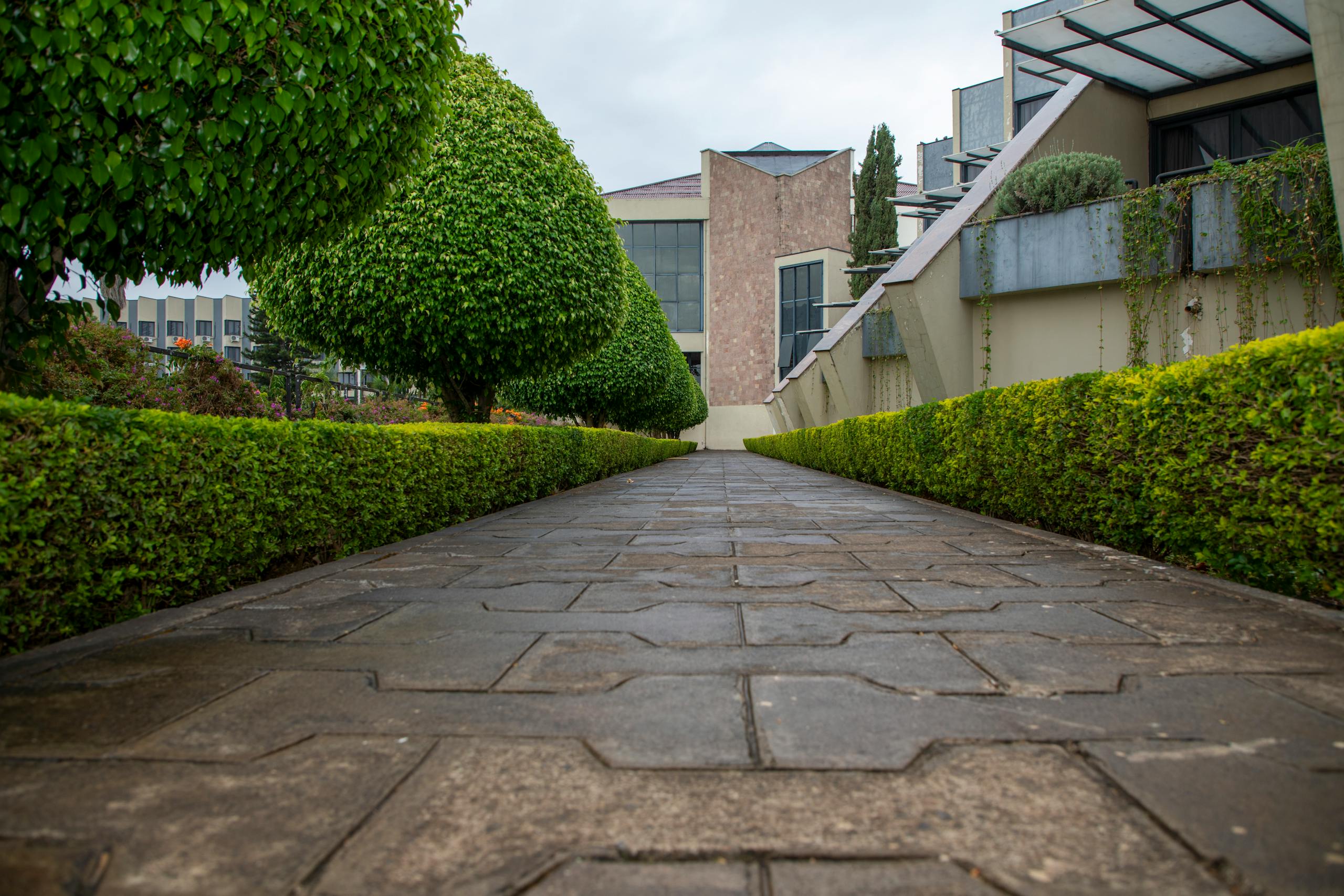
Opting for cheap concrete alternatives, such as precast slabs, might seem like a money-saving decision, but it comes with serious risks. These cheaper materials often crack under pressure, especially if the ground underneath isn’t prepared correctly.
What seemed like an affordable solution soon becomes a cracked, uneven mess that requires costly repairs or replacements. Without proper installation, these cheap concrete alternatives can shift, crack, and erode over time.
So, while you might think you’re saving money up front, you could end up spending much more on repairs than if you’d chosen a more durable material from the start.
Reclaimed Bricks
Reclaimed bricks add a charming, vintage feel to your garden path, but there’s a catch. These old bricks, while eco-friendly and aesthetically pleasing, are often cracked, brittle, and ill-suited for long-term durability.
If you don’t install them with care, you’ll quickly be left with an uneven, shifting path that’s both unattractive and unsafe. Reclaimed bricks might seem like an affordable, eco-conscious choice, but they often don’t hold up well over time.
They can crack, become loose, and deteriorate faster than expected, especially if they’re laid without mortar or proper support.
The Allure of Cheap Paths

At first, the idea of a cheap DIY garden path feels like the ultimate win. It’s easy to assume that a quick, budget-friendly project will be completed in a weekend. But here’s the kicker: DIY paths often end up taking far more time and effort than anticipated.
From running out of materials to realizing the “cheap” materials weren’t durable, you’ll soon find yourself spending far more time and money than you expected. The time and energy you pour into a “budget-friendly” DIY garden path can quickly turn into an ongoing project.
Whether it’s fixing sinking stones, replenishing gravel, or replacing broken tiles, the upkeep can become a never-ending task. In the end, the cost of time and effort might make you question whether that “cheap” path was truly worth it.
Conclusion
DIY garden paths are often presented as affordable, easy solutions for transforming your outdoor space. But the reality is far from it. From sinking stones to rotting wood, cracked tiles to shifting gravel, cheap DIY paths often come with unforeseen risks, ongoing maintenance, and unexpected costs.
What seemed like a simple, budget-friendly project can quickly turn into a frustrating, expensive nightmare. Before embarking on your next DIY garden path project, take a moment to consider the long-term costs, effort, and maintenance involved.
Sometimes, investing in a more durable solution from the start can save you time, money, and headaches in the future. In the end, that “cheap” garden path might end up being anything but, so think twice before you dig in.