Artisan crafts embody a deep connection to history, culture, and tradition, combining practical functionality with artistic expression. These exceptional crafts have evolved through centuries of practice, and many still thrive today, preserving unique skills passed down through generations. Whether rooted in ancient customs or adapted for modern artistry, the following crafts stand out for their creativity, skill, and cultural significance.
Scrimshaw: The Intricate Art of Whalebone Engraving
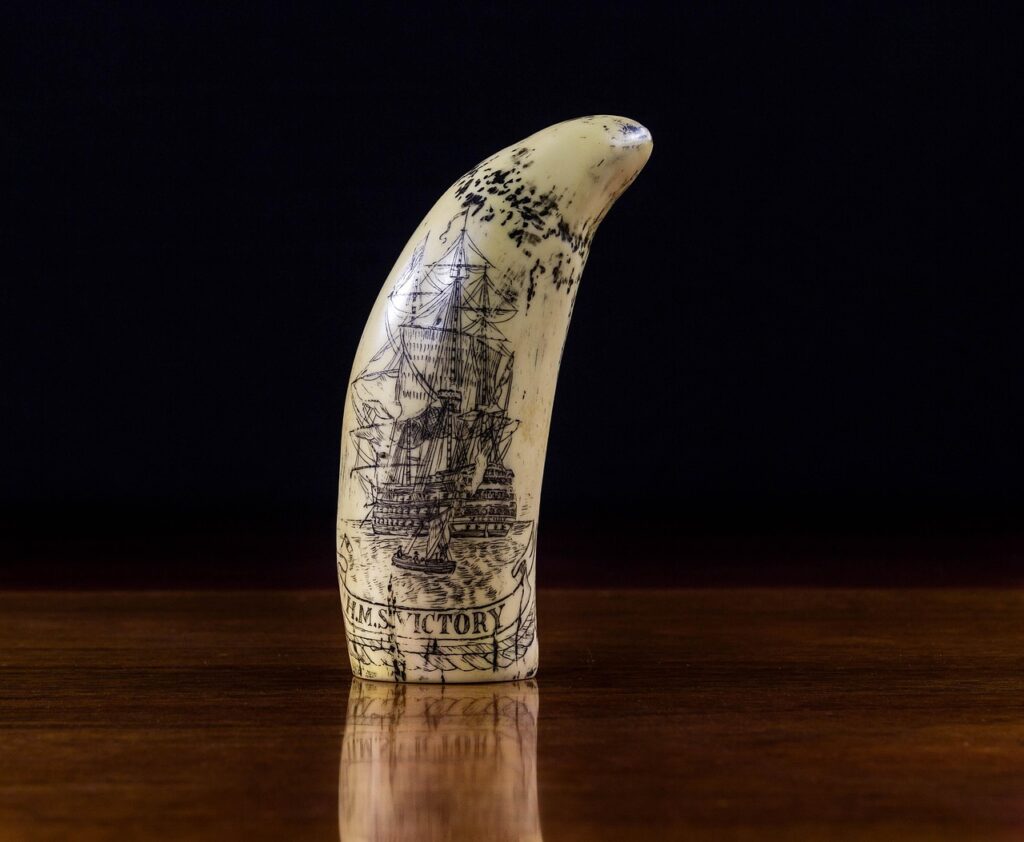
Scrimshaw is the meticulous art of carving and engraving on the bones, teeth, and tusks of marine mammals. Originally practiced by sailors aboard whaling ships in the 18th century, this craft has persisted as both a hobby and a commercial trade. Scrimshaw artists, known as “scrimshanders,” use sharp tools to generate detailed images or patterns on the ivory-like surfaces of whale bones or tusks, which are often crafted into jewelry, buttons, and other decorative items. Although the commercial whaling industry has been banned, scrimshaw remains a fascinating part of maritime history.
Glassblowing: Shaping Beauty from Molten Glass
Glassblowing is an ancient art of shaping molten glass into both functional and decorative pieces. By inflating a molten glass blob with a blowpipe, artisans create a variety of intricate forms, from delicate sculptures to vibrant vases. The process relies on the unique property of glass—its ability to expand when air is introduced. Artisans can add color to the glass by incorporating metal oxides or using colored glass canes. Glassblowing combines skill, precision, and creativity, with every piece reflecting the artisan’s craftsmanship.

Huichol Art: Beads, Yarn, and Sacred Symbols
Huichol art, originating from Central America, is a stunning representation of the connection between art, spirituality, and the natural world. This traditional craft uses brightly colored yarn and beads to create intricate patterns that convey religious and cultural symbolism. Huichol artists use these materials to make masks, jewelry, and yarn paintings, drawing on centuries-old patterns passed down through generations. The intricate designs are said to connect the artist to the divine, with each piece serving as a communication tool between the human and spiritual realms.
Bookbinding: Crafting the Pages of History
Bookbinding is the meticulous art of assembling a book by stitching together pages and attaching them to a cover. This practice dates back thousands of years, with many cultures contributing their own techniques to create books in various forms. From ancient scrolls to modern hardcover books, bookbinding requires precision and skill. One popular technique, Coptic stitching, involves sewing paper together with thread to create a durable, flexible spine. Bookbinding not only preserves knowledge but also elevates the book to an art form, where each binding showcases the artisan’s skill.

Lutherie: The Timeless Craft of Instrument Making
Lutherie is the craft of making stringed musical instruments, such as violins, guitars, and cellos. The process requires a deep understanding of both woodworking and acoustics to create instruments with the right tonal qualities. Traditional luthiers craft their instruments by hand, carefully selecting and shaping the wood, and assembling the components with precision. Experimental luthiers, on the other hand, push the boundaries of traditional instrument design by incorporating new materials and techniques, creating instruments that produce innovative sounds. The craftsmanship involved in lutherie is both an art and a science, blending centuries of tradition with modern innovation.
Stone Balancing: Precision and Patience in Nature
Stone balancing is a unique art that needs skill, patience, and a keen sense of balance. This craft involves stacking rocks and stones without adhesives or supports. Artists achieve equilibrium through careful placement and by understanding the natural shapes of the stones. Stone balancing is often performed in outdoor spaces, where the artist works with the environment to create temporary sculptures. This art form highlights the harmony between nature and creativity, as each piece is often left in place for only a short time before the stones are returned to their original positions.

Conclusion
Each of these artisan crafts exemplifies the creativity, dedication, and cultural significance embedded in traditional techniques. From the intricate carvings of scrimshaw to the vibrant patterns of batik, these crafts continue to inspire artisans and collectors alike. By preserving these ancient skills while embracing modern innovation, artisans keep these traditions alive for future generations to appreciate. Whether through intricate woodwork, innovative instruments, or vibrant textiles, these crafts not only serve functional purposes but also embody the artistic spirit of their creators. By celebrating these crafts, we honor both the cultural heritage and the ongoing evolution of human creativity.