Everyone wants to feel healthier, stronger, and more vibrant. But with health and wellness trends popping up faster than ever, it’s easy to get pulled into ideas that feel like breakthroughs but ultimately don’t hold up under scientific scrutiny, and some can even be harmful. ZOE, a science‑backed nutrition resource, breaks down 12 popular wellness practices that are either unhelpful, overblown, or simply myth‑making so you can avoid wasting time (and money) on them.
Detoxes

Detox programs and teas are aggressively marketed as essential for flushing toxins from your body and restoring vitality. The reality is that your liver, kidneys, and lungs are already highly efficient at this natural detoxification process every day.
No commercial detox product has been proven, through rigorous studies, to outperform your body’s built-in systems. These fads often just promote temporary discomfort without lasting benefits.
Okra Water
Soaking okra in water overnight has become a viral trend in wellness circles, promising various health perks. In reality, the true nutritional value of okra comes from consuming the whole plant, not just sipping its slimy byproduct.
While it’s generally harmless, okra water isn’t the magical health elixir it’s often portrayed to be. Many people end up overlooking more effective, nutrient-dense options in pursuit of this fad.
Celery Juice Cleanses
Celery juice gained massive popularity on social media as a supposed cure-all for inflammation, bloating, and weight loss. Unfortunately, there’s little to no scientific evidence backing these bold claims about its miraculous properties.
Replacing meals with juice can actually lead to nutrient deficiencies and other health issues over time. Sustainable wellness comes from balanced eating habits, not extreme juice rituals.
Collagen Supplements
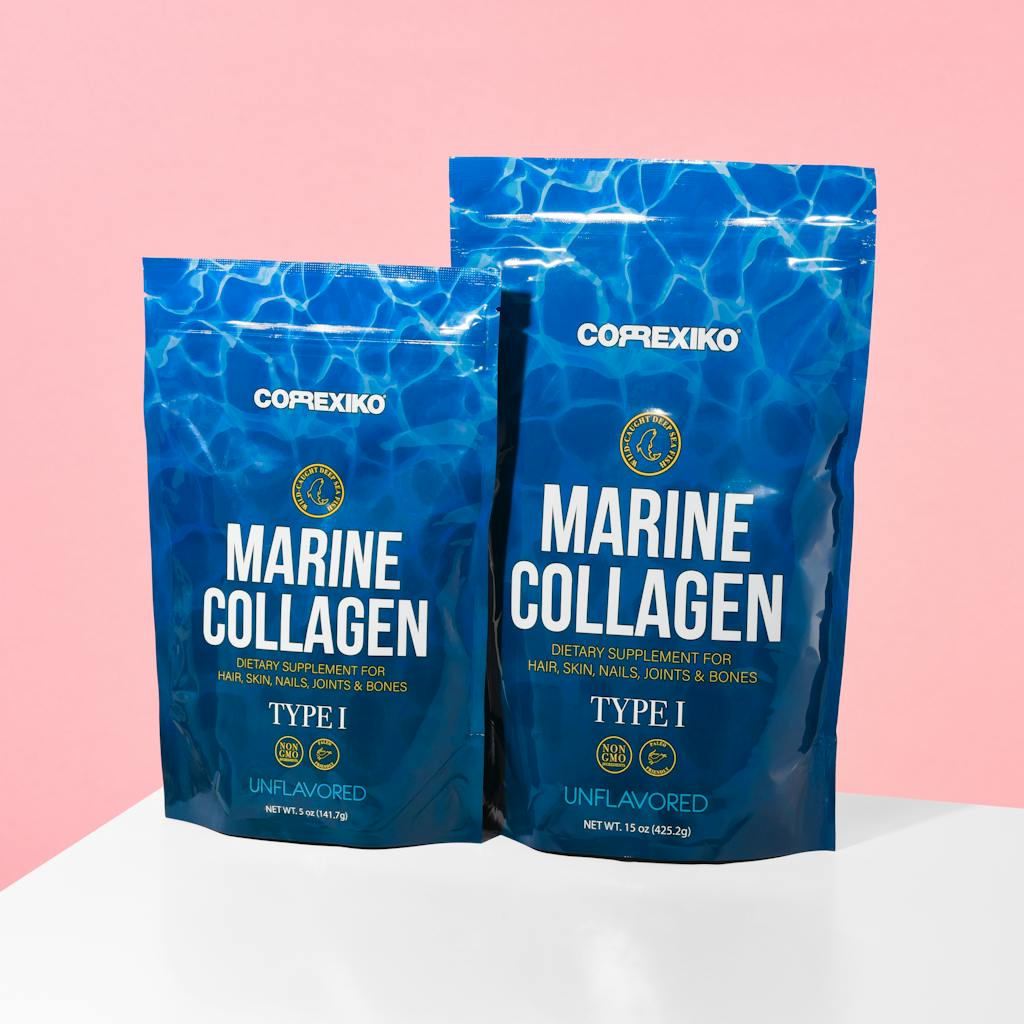
Collagen supplements and creams are heavily marketed with promises of tighter skin, stronger nails, and thicker hair. Yet the science supporting these claims remains weak and largely inconclusive for most users.
Topical creams struggle to penetrate deeply enough into the skin to make a real difference. Oral supplements may offer limited benefits at best, but they’re no substitute for a protein-rich diet.
Borax Water
In some wellness communities, adding borax, a common household cleaning compound, to water has been irresponsibly recommended as a health hack. This practice is outright dangerous and can lead to serious poisoning or long-term health damage.
Borax is not intended for human consumption and remains banned as a food additive in numerous countries for good reason. Always prioritize safety by sticking to verified, food-grade remedies.
Calorie Counting and Very Low-Calorie Diets
Strict calorie counting or slashing intake dramatically might deliver short-term weight loss on the scale. However, these approaches often backfire in the long term by slowing your metabolism and fostering unhealthy relationships with food.
Sustainable health thrives on intuitive balance and nourishment, not obsessive number-tracking. Many people regain weight plus more after abandoning such restrictive regimens.
Bovine Colostrum
You’ve probably seen influencers praising bovine colostrum as a powerful gut or immune booster on social media. However, this “first milk” is specifically designed for newborn calves and doesn’t offer proven benefits to adult humans despite the hype.
Harvesting it from cows also raises significant ethical concerns regarding animal welfare and sustainability. Ultimately, there are far better, evidence-based ways to support your health without relying on this trendy supplement.
Raw Milk

Raw milk advocates claim it’s nutritionally superior and more natural than pasteurized versions. However, unpasteurized dairy poses serious risks of harmful bacteria such as E. coli and Listeria.
Pasteurization eliminates these pathogens while preserving most nutrients, making it the safer choice. Public health experts universally recommend avoiding raw milk for vulnerable populations.
Going Gluten-Free Without a Medical Need
A gluten-free diet is genuinely life-changing for those with celiac disease or proven sensitivities. For the vast majority who don’t have these conditions, it’s an unnecessary restriction that limits food variety.
Gluten-free alternatives are often more processed and less nutrient-dense than whole grains. Embracing a naturally diverse diet supports better overall nutrition without arbitrary eliminations.
Everyday Electrolyte Drinks
Electrolyte beverages shine for post-workout recovery or combating dehydration during illness. For most healthy adults, daily consumption offers zero proven advantage and adds unnecessary sugar or sodium.
Your body maintains electrolyte balance efficiently through regular meals and water intake. Reserve these drinks for genuine need, not as a habitual wellness ritual.
Avoiding Seed Oils
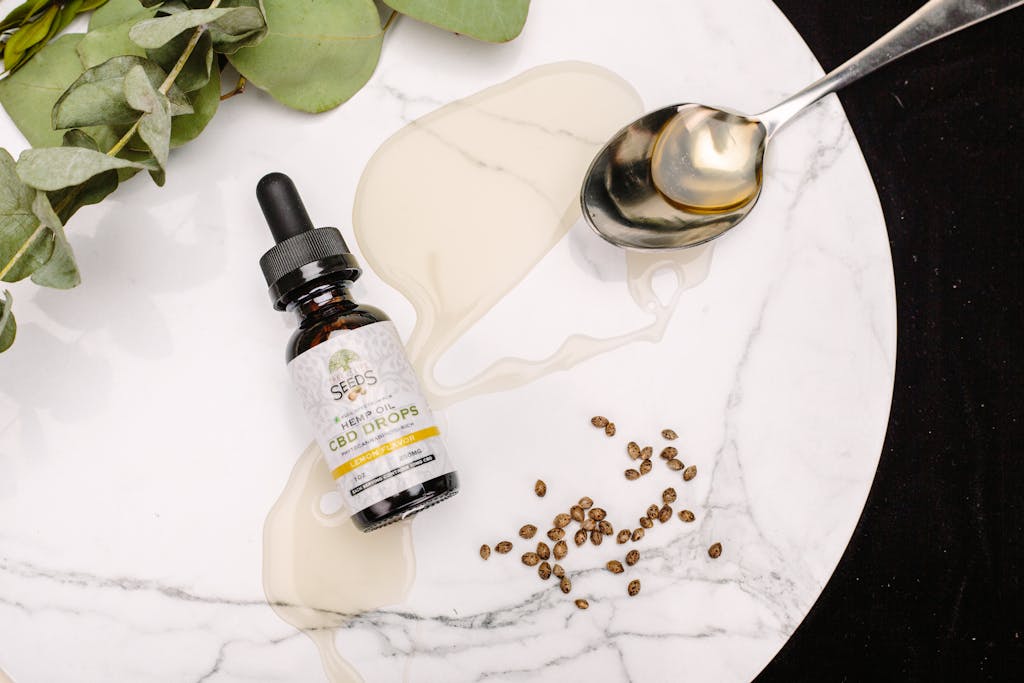
Seed oils like sunflower, canola, and soybean are frequently demonized online as culprits behind chronic inflammation and disease.
Scientific consensus doesn’t support labeling these oils as inherently toxic or harmful in moderation. The real key to health lies in your overall dietary pattern, not vilifying specific fats. Balance unsaturated fats with whole foods for optimal results.
“Brain Foods” Sold as Magic
Products touted as “brain foods” or nootropics promise dramatic cognitive boosts and mental clarity. In truth, no single food or supplement delivers transformative effects on brain function alone.
A varied diet rich in omega-3s, antioxidants, and nutrients consistently outperforms trendy isolates. Focus on holistic eating patterns rather than chasing miracle ingredients.