Infectious diseases have long been one of the most devastating forces throughout history, claiming millions of lives and reshaping entire societies. Beyond their immediate death tolls, these diseases left indelible marks on the political, social, and economic landscapes of the world. From the Black Death to modern-day pandemics, these illnesses not only caused suffering but also spurred revolutions, altered global power dynamics, and influenced medical advancements. The spread of disease has historically followed human expansion through trade, exploration, and war, with devastating consequences that often took centuries to undo. As we explore the top infectious diseases that changed history, we uncover the broader, long-lasting impacts that these plagues had on human civilization.
These diseases are a reminder of the delicate balance between human society and nature, highlighting our vulnerability to forces beyond our control. While advancements in medicine and global collaboration have made the modern world safer, the historical struggles with infectious diseases continue to shape our understanding of health and societal resilience. From ancient plagues to contemporary viruses, infectious diseases remain a critical chapter in humanity’s survival and adaptation.
Smallpox

Smallpox was among the most vicious and deadly diseases that Europeans brought to the New World in the late 15th century. While the disease had long been present in Europe, its introduction to the Americas decimated native populations, with nearly 90 percent of the indigenous people succumbing to the disease. This loss far outpaced the damage caused by warfare, making smallpox an unwitting yet powerful agent of European colonization and conquest. Smallpox spread rapidly through the Americas, driven by European settlers who brought the disease with them, often unknowingly, and spread it through trade routes and their interactions with indigenous populations.
The devastating impact of smallpox on the Native American population cannot be overstated. The rapid depopulation created a vacuum that allowed European powers to establish dominance over vast swaths of land. However, in the modern era, smallpox became the first disease to be completely eradicated through vaccination efforts, marking a monumental victory in global public health. Today, smallpox serves as both a tragic example of a disease’s potential to destroy and a triumph of scientific progress in preventing its spread.
Spanish Influenza
The Spanish Influenza of 1918 remains one of the deadliest pandemics in history, infecting approximately one-third of the global population. The disease spread rapidly through Europe, North America, and Asia, with devastating effects on society and the military. Although it earned the name “Spanish Flu” because of the severity of the outbreak in Spain, the disease had a far-reaching impact worldwide, causing widespread panic and social disruption. This pandemic struck swiftly, killing an estimated 50 million people worldwide, more than the combined casualties of World War I.
The Spanish Influenza’s impact was felt on multiple fronts, including the battlefield. The disease incapacitated soldiers and medical personnel, further complicating World War I’s already grueling toll on human life. In the United States, the flu killed more people than the war itself, and military operations were disrupted as troops and supplies were affected. The pandemic highlighted the vulnerability of modern populations to highly infectious diseases, catalyzing the development of influenza vaccines and advancing global understanding of pandemic control measures that would prove vital for future outbreaks.
Polio
Polio, once a widespread and feared disease, became one of the most significant health challenges of the 20th century. Transmitted through infected water or air, polio had the ability to paralyze its victims, often leading to permanent disability or death. The disease became infamous for its crippling effects, and those who survived often required iron lungs to help them breathe. The development of a vaccine by Jonas Salk in the 1950s revolutionized polio treatment and prevention, drastically reducing its prevalence and sparing future generations from its devastating toll.
One of the most notable cases of polio’s social impact involved Franklin D. Roosevelt, who contracted the disease as a young man. His battle with polio not only changed his life but also the way the public perceived disability and resilience. Roosevelt’s political career helped shift the societal view of people with disabilities, making his response to polio an essential chapter in the history of polio and its associated stigma. Today, polio is largely eradicated in most of the world, with only a handful of cases still reported in select regions, thanks to ongoing vaccination efforts.
Syphilis
Syphilis is a sexually transmitted infection that has plagued societies for centuries, manifesting in various stages, from a harmless ulcer to severe neurological damage. First documented in the 15th century, syphilis is believed to have been brought to Europe by explorers returning from the New World. The disease was notoriously difficult to treat, with early remedies often worsening the condition, and its societal impact was profound, especially among royalty and clergy. The disease also inspired false medical practices, such as the use of mercury, which ultimately worsened the health of those afflicted.
Syphilis left a permanent mark on European history, particularly in the context of the papacy, where several popes were affected by the disease. In 1508, Pope Julius II’s syphilitic sores were so severe that he could not allow others to kiss his feet, an act of great public significance at the time. Despite these early challenges, syphilis is now treatable with antibiotics, and its early history remains a reminder of how diseases can shape not only individuals but also powerful institutions. As we look back, syphilis serves as a symbol of both medical ignorance and the progress we’ve made in understanding and combating infectious diseases.
HIV/AIDS
HIV/AIDS has had one of the most profound impacts on modern societies, especially in the late 20th century. First identified in the early 1980s, the virus spread primarily among gay men, leading to widespread fear and stigma. Initially referred to as “gay-related immune deficiency” (GRID), the disease caused a public panic that led to discrimination against those affected. However, over time, HIV/AIDS became a focal point for activism, with groups like ACT UP pushing for more research, better treatment, and broader acceptance of those living with the virus.
The rise of HIV/AIDS also sparked a broader discussion on sexual health and human rights. The epidemic highlighted the vulnerability of certain populations, such as gay men and intravenous drug users, to infectious diseases. The response to the crisis not only advanced medical treatments but also highlighted the importance of public health policies and the need for comprehensive education on prevention. Today, while there is still no cure for HIV, antiretroviral therapy has transformed it from a fatal diagnosis to a manageable condition, significantly improving the quality of life for those living with the virus.
Tuberculosis
Tuberculosis (TB) has been a significant cause of death worldwide for centuries, infecting one-third of the global population, though many cases remain latent. Active TB presents with severe symptoms such as coughing, chest pain, and weight loss, and it spreads through the air when an infected person coughs or sneezes. The disease gained additional prominence in the 19th century, when it was spread through milk, prompting the development of pasteurization as a public health measure. The discovery of the link between TB and milk-borne transmission led to a transformative shift in both science and public health.
The rise of HIV/AIDS in the late 20th century further exacerbated the global burden of TB, as weakened immune systems were more susceptible to the disease. The link between these two diseases underscored the intersection of immunity, social behavior, and disease spread, making tuberculosis a prime example of how modern medical advancements are intertwined with historical public health crises. Today, tuberculosis remains a global concern, particularly in developing countries, and ongoing efforts are needed to combat its spread and impact.
Malaria
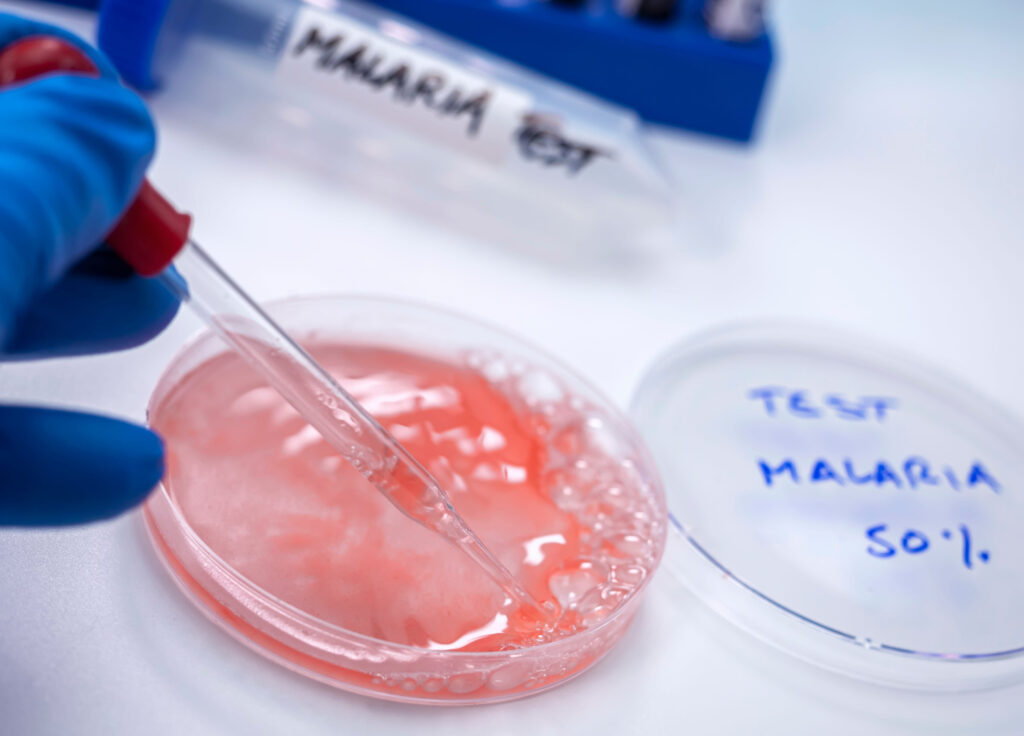
Malaria is a mosquito-borne disease that has ravaged populations for centuries, causing millions of deaths and widespread illness. Historically, malaria played a significant role in the transatlantic slave trade, as African populations had developed some resistance to the disease, making them ideal labor forces for European colonizers in the Americas. The introduction of malaria to the Americas led to the deaths of many indigenous populations, which opened the door for the forced migration of Africans to the New World. This disease, along with its effects, left a lasting legacy on both global health and human rights.
On the medical front, malaria led to significant advances in the study of transmission vectors, highlighting the importance of controlling the environment to prevent disease spread. The battle against malaria spurred innovations in both prevention and treatment, with mosquito nets and antimalarial drugs becoming crucial tools in the fight against the disease. Despite these advancements, malaria remains a major health issue, particularly in sub-Saharan Africa, where efforts to eliminate it continue to face challenges such as drug resistance and environmental factors.
Bubonic Plague
The bubonic plague, commonly known as the “Black Death,” spread across Europe in the 14th century, leaving a death toll that reached up to 200 million people. The disease, caused by the bacterium Yersinia pestis, was transmitted by fleas that infested rats, and the spread of these rats on trade routes facilitated the rapid transmission of the plague. This deadly epidemic ravaged Europe, wiping out as much as half of the population and causing widespread panic, which in turn led to significant economic and social upheaval.
The impact of the bubonic plague extended beyond death, shaking the very foundations of European society. The labor shortages caused by the plague contributed to the downfall of the feudal system, and the church, which had been central to medieval life, faced both a crisis of faith and the loss of many clergy members. The disease’s devastating effects demonstrated how interconnected the world was becoming through trade and exploration, accelerating the shift toward a more modern, interconnected world. Even as modern antibiotics have made the plague a rare occurrence, its historical consequences remain a stark reminder of how infectious diseases can reshape civilizations.
Ebola

Ebola, a hemorrhagic fever with a high mortality rate, was first identified in the late 1970s in Africa. The disease causes severe symptoms such as vomiting, diarrhea, and internal bleeding, often leading to death within days of infection. Ebola’s outbreaks have caused widespread panic, with the 2014-2016 West African outbreak being the deadliest in history. It’s spread from rural villages to major urban centers, tested the world’s public health infrastructure, and revealed the complexities of containing an infectious disease in the modern world.
Ebola outbreaks have raised critical questions about global health response systems, with the World Health Organization facing significant criticism for its slow response. The disease also led to new medical advances, including experimental treatments and vaccines that have shown promise in recent years. While the outbreaks have been contained, Ebola remains a threat, particularly in parts of Africa where infrastructure is lacking and healthcare systems are vulnerable.
Cholera

Cholera is a diarrheal disease that can kill within hours if left untreated, making it one of the fastest-acting infectious diseases. Often spread through contaminated water sources, cholera outbreaks have devastated populations, particularly in areas with poor sanitation. Historically, cholera has spread rapidly across the globe, with devastating pandemics in Asia, Africa, and the Americas. The disease remains a major health concern in the developing world, where clean water and proper sanitation infrastructure are still lacking.
Cholera’s widespread impact has led to significant advancements in public health, particularly in water, sanitation, and hygiene. The identification of cholera as a waterborne disease led to major public health reforms, including the establishment of access to clean water as a basic human right. Despite these improvements, cholera continues to affect millions globally, underscoring the need to continue improving water infrastructure and sanitation practices to prevent future outbreaks.