A lot of people treat sleep like a bedtime problem. They dim the lights, put on calming music, and hope the night somehow fixes itself. But better sleep usually starts long before your head hits the pillow. Daytime exercise, morning light, caffeine timing, stress levels, and even that second glass of wine can shape how fast you fall asleep and how well you stay asleep.
Cut off caffeine earlier than you think.

Many people only blame coffee if they drink it at night, but caffeine can linger for hours. Caffeine’s half-life can span several hours, and research summaries place it at roughly 1.5 to 9.5 hours, depending on the person. That means a late-afternoon coffee, cola, tea, or energy drink can still be lingering at bedtime. A smart rule is to stop caffeine at least six hours before sleep, and even earlier if you know you are sensitive to it.
Finish your workout well before bedtime.
Exercise helps sleep, but timing matters more than many people realize. Working out too close to bedtime can keep your body too alert, especially if the session is intense. Finishing exercise at least 90 minutes before bed may help reduce the chance that an elevated heart rate and body temperature will interfere with sleep. Exercise timing can affect sleep architecture, melatonin rhythms, and overnight recovery.
Be careful with alcohol at night.

Alcohol can trick people because it may make them feel sleepy at first. The problem is that sleepy is not the same as well-rested. Alcohol can suppress REM sleep and worsen sleep quality, and the Sleep Foundation says alcohol use can contribute to insomnia symptoms and can worsen sleep apnea, even at relatively low amounts for some people. So that “nightcap” may help you drift off, but it can leave your sleep broken and less restorative.
Get natural light early in the day.

Morning light sends a strong signal to your body that the day has begun. That matters because your circadian rhythm depends heavily on light cues to help decide when you should feel alert and when you should feel sleepy. Light is one of the strongest signals affecting your sleep-wake cycle, getting about 30 minutes of morning sunlight within the first few hours after waking. If you miss early light, spending time outside later in the day can still help.
Wake up at the same time every day.
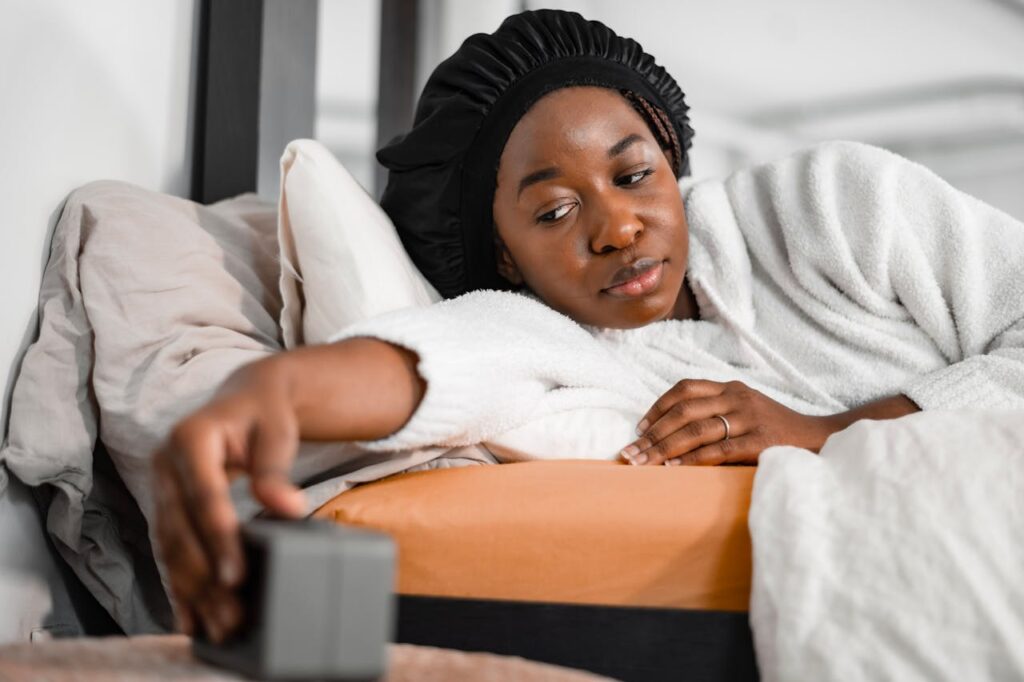
A consistent wake-up time trains your body far better than a heroic bedtime routine on random nights. Sleeping in on weekends can create a kind of “social jet lag,” in which your internal clock gets pulled in different directions. That does not just make Monday mornings miserable. It can also make it harder to feel sleepy when you actually want to sleep. Keeping your wake time steady helps your body predict when to be alert and when to wind down.
Keep naps short and strategic.
Naps are helpful when they act like a reset, not a second night of sleep. Keeping them in the 20 to 30 minute range, because longer naps can push you into deeper sleep and leave you groggy afterward. They can also steal sleep pressure from the evening, which makes it harder to fall asleep later. A short midday nap can be useful, but a long late-day nap often turns into a quiet little act of self-sabotage.
Lower your stress before it follows you to bed.

Stress does not stay politely in the daytime. It has a habit of climbing into bed with you and replaying every awkward moment, unfinished task, and imaginary disaster. The APA has reported a clear link between higher stress and shorter sleep, and it is suggested that taking stress breaks during the day instead of waiting until bedtime can help calm down. Breathing exercises, journaling, a walk, or even a few quiet minutes away from screens can make a real difference.
Eat in a way that supports sleep.

What you eat during the day can either help your body settle at night or keep it working overtime. Spicy foods may trigger heartburn, and very sugary or high-fat meals can make sleep less comfortable as your body digests them. Foods like cherries, milk, kiwis, and almonds are recommended because they contain compounds linked to relaxation or sleep support. A balanced approach usually works best: lighter evening meals, fewer stimulating foods, and less random snacking right before bed.
Conclusion
Better sleep is rarely built by one perfect bedtime trick. It usually comes from small choices made repeatedly throughout the day. Exercise earlier, get daylight, stop caffeine sooner, keep your wake time stable, nap carefully, manage stress, eat thoughtfully, and do not assume alcohol is helping just because it makes you drowsy. Stack those habits together, and nighttime starts feeling a lot less like a fight.