Imagine yourself walking peacefully along a sandy beach or trekking through a lush jungle. The last thing you’d want is to encounter a creature that can take your life in mere minutes.
Yet, some of the world’s most venomous animals have evolved to be efficient killers, capable of delivering a death sentence faster than you can react. Their venom is quick, powerful, and precise, and in many cases, it’s not just deadly but operates at a terrifying speed. From the remote jungles of the Amazon to the depths of the ocean, these creatures lurk, ready to strike at the most unexpected moments.
So, what makes their venom so lethal? And how quickly can these animals actually take a life? Let’s dive into the world of the deadliest venomous animals, ranked by the speed with which their venom can kill.
Inland Taipan
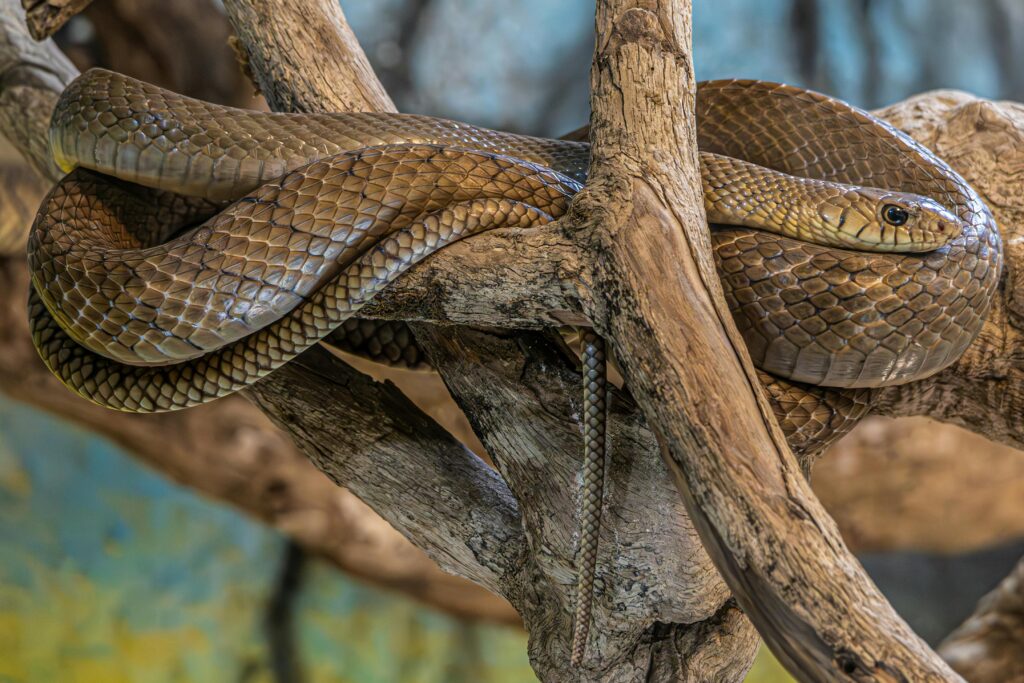
The inland taipan, or “fierce snake,” reigns as the most venomous snake in the world. Native to the dry, remote regions of central Australia, this snake’s venom is 50 times more toxic than that of the Indian cobra. A single bite from an inland taipan contains enough venom to kill over 100 humans, but it’s not just the potency that makes it deadly. It’s the speed.
This snake strikes with lightning-fast precision, and within 45 minutes to an hour, the venom can wreak havoc on the human body. The venom targets the nervous system and blood, causing paralysis, blood clotting, and organ failure. Without immediate treatment, death is almost certain. What’s most chilling is that the inland taipan is not aggressive by nature, and human encounters are rare, making its swift lethality all the more dangerous.
Box Jellyfish
The box jellyfish, known for its ghostly, translucent appearance, is one of the ocean’s most deadly creatures. Found in the warm, tropical waters of the Indo-Pacific region, particularly along the northern coasts of Australia, this jellyfish may appear to be a harmless drifter, but its venomous tentacles are a nightmare. With venom that can kill a human in just three minutes,the box jellyfish is a force of nature that operates with incredible efficiency.
The venom from the box jellyfish is packed with toxins that attack the heart and nervous system, causing rapid cardiac arrest and paralysis. The sheer speed of the venom’s effect leaves little time for help.
The victim may not even realize the danger they’re in until it’s too late. By the time symptoms start to show, the heart may already be struggling to function properly, and without immediate medical intervention, death is almost inevitable. In fact, this jellyfish is responsible for more deaths in Australia than sharks, crocodiles, and snakes combined.
Coastal Taipan
The coastal taipan, another venomous snake from Australia, shares many similarities with the inland taipan but is more frequently encountered due to its coastal habitat.
Though it is just as deadly, what makes the coastal taipan particularly terrifying is its ability to inject a much larger dose of venom with one swift strike. This venom affects the nervous system and muscles, causing paralysis and respiratory failure within an hour if left untreated.
Much like the inland taipan, the venom of the coastal taipan is a mix of neurotoxins and hemotoxins that disrupt the nervous system and blood circulation. The coastal taipan’s lightning speed, combined with the potency of its venom, makes this snake one of the fastest and most efficient killers in the animal kingdom.
Cone Snail
At first glance, a cone snail might look like just another unassuming marine creature, but it is one of the ocean’s deadliest predators. Found in the warm waters of the Indo-Pacific region, the cone snail uses its venom to paralyze its prey, and the same venom can kill a human in as little as a few hours. The creature delivers its venom via a harpoon-like tooth that injects neurotoxins capable of shutting down the muscles and respiratory system.
While cone snails tend to be relatively peaceful, their venom is so potent that even a slight touch could lead to paralysis and eventual death. The delayed onset of symptoms is what makes cone snail stings particularly dangerous; by the time a victim realizes they’ve been stung, the venom may already be shutting down vital functions in the body.
Stonefish
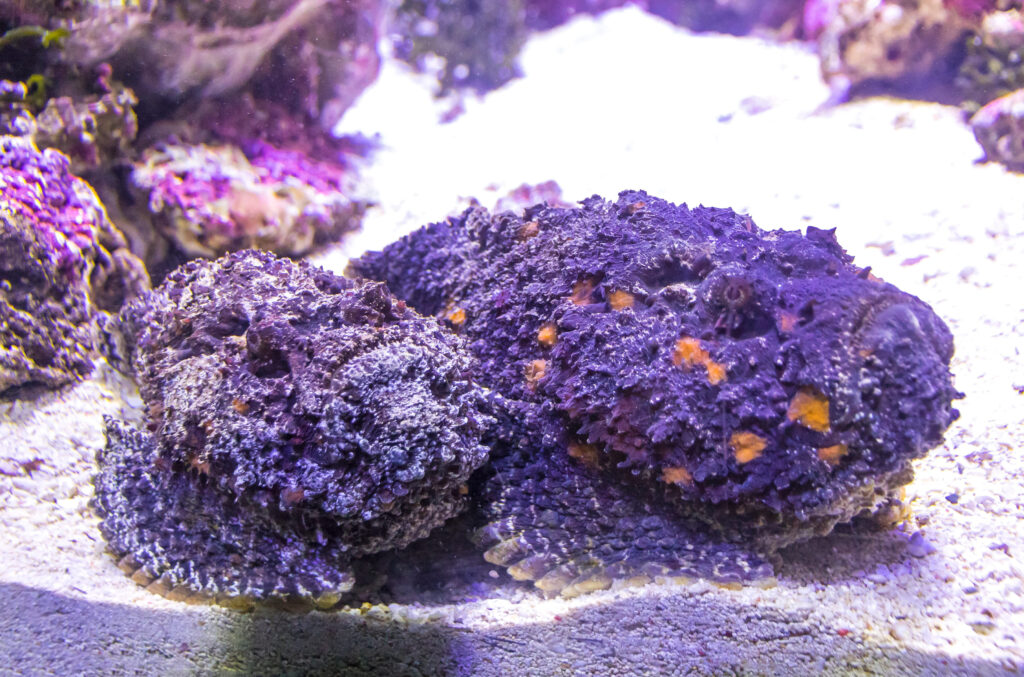
The stonefish is the master of camouflage, blending seamlessly into the ocean floor, making it nearly impossible to spot. Its venomous spines, hidden within its body, can cause excruciating pain, shock, and death within one hour if left untreated.
The venom, a potent neurotoxin, disrupts the nervous system, leading to paralysis and respiratory failure. The venom acts quickly, and without prompt medical treatment, the victim may be overwhelmed by the pain and shock that follows.
Though the stonefish is not aggressive by nature, it will defend itself if provoked, and because of its near-perfect camouflage, many people don’t realize they’ve stepped on it until it’s too late. The venom’s ability to incapacitate the victim and cause widespread organ failure makes the stonefish a true master of stealth and lethality.
Brazilian Wandering Spider
The Brazilian wandering spider, often labeled as one of the most dangerous spiders in the world, is infamous for its deadly venom and aggressive nature. Native to Brazil and surrounding areas, it is responsible for more bites than any other spider in the region. The venom of this spider contains neurotoxins that can cause paralysis and death, often within a few hours if untreated.
Despite its aggressive tendencies, the Brazilian wandering spider is not typically out to hunt humans, but its bite can be fatal if provoked. The venom attacks the nervous system, and the effects can be swift, causing respiratory failure if medical intervention is not quickly provided. While not all bites result in death, the speed with which its venom acts makes the Brazilian wandering spider a formidable opponent.
Golden Poison Dart Frog
The golden poison dart frog is a small, brightly colored amphibian that is native to the rainforests of Colombia. Despite its size, this frog is one of the most toxic creatures on Earth.
Its skin secretes batrachotoxin, which is so potent that it can kill a human in just 20 minutes if it enters the bloodstream. The frog’s vibrant yellow color warns predators of the potency of its venom.
Batrachotoxin works by preventing sodium ions from entering nerve cells, leading to paralysis and eventually cardiac arrest. Though the golden poison dart frog is not aggressive, handling it without protective gloves can be fatal. Its venom is a reminder of how small creatures can wield deadly power.
Black Mamba
The black mamba is one of the fastest snakes on the planet, capable of reaching speeds of up to 12 miles per hour. Found in sub-Saharan Africa, this snake is known for its aggressive nature and lethal venom.
A single bite from a black mamba can deliver enough venom to kill a person in as little as 20 minutes. The venom is a neurotoxin that causes paralysis and respiratory failure, and the rapid onset of symptoms leaves little time for survival without immediate medical intervention.
The black mamba is not only one of the fastest snakes but also one of the deadliest. Its ability to strike quickly and deliver such a potent dose of venom makes it a formidable creature that can end a life before the victim even has a chance to react.
Deathstalker Scorpion
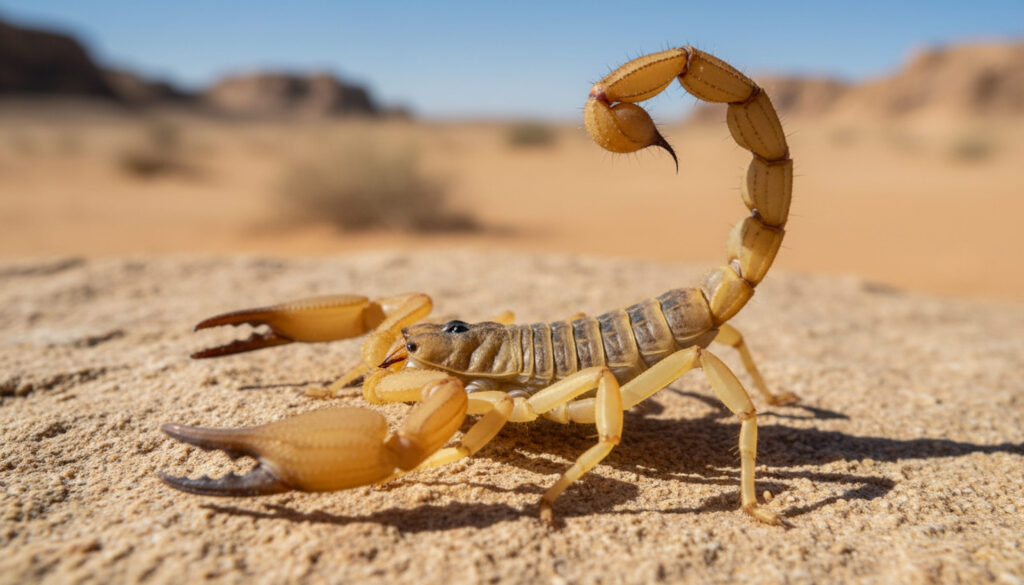
The deathstalker scorpion is a small but deadly arachnid found in the Middle East and North Africa. Its venom contains a mixture of neurotoxins that can cause paralysis, seizures, and death within a few hours.
The venom works quickly, affecting the nervous system and causing intense pain, difficulty breathing, and heart complications. Although it is not aggressive by nature, the deathstalker will strike if threatened, delivering a venomous sting that can be fatal.
Children and the elderly are particularly vulnerable to the deathstalker’s venom, and immediate medical care is essential to avoid fatal outcomes. Its venom may not kill instantly, but the rapid progression of symptoms makes it a serious threat.
Sydney Funnel-web Spider
The Sydney funnel-web spider, native to Australia, is among the world’s most dangerous spiders. Its venom contains a potent neurotoxin that can cause paralysis, respiratory failure, and death if untreated. A bite from this spider can lead to death within a few hours, and the effects are often rapid. The venom attacks the nervous system, causing muscle spasms, difficulty breathing, and eventually, paralysis.
The Sydney funnel-web spider is known for its aggression and ability to strike quickly. Though antivenom is available, it must be administered immediately to prevent fatal outcomes. The speed with which this spider can incapacitate its victim makes it one of the deadliest arachnids on Earth.
Pufferfish
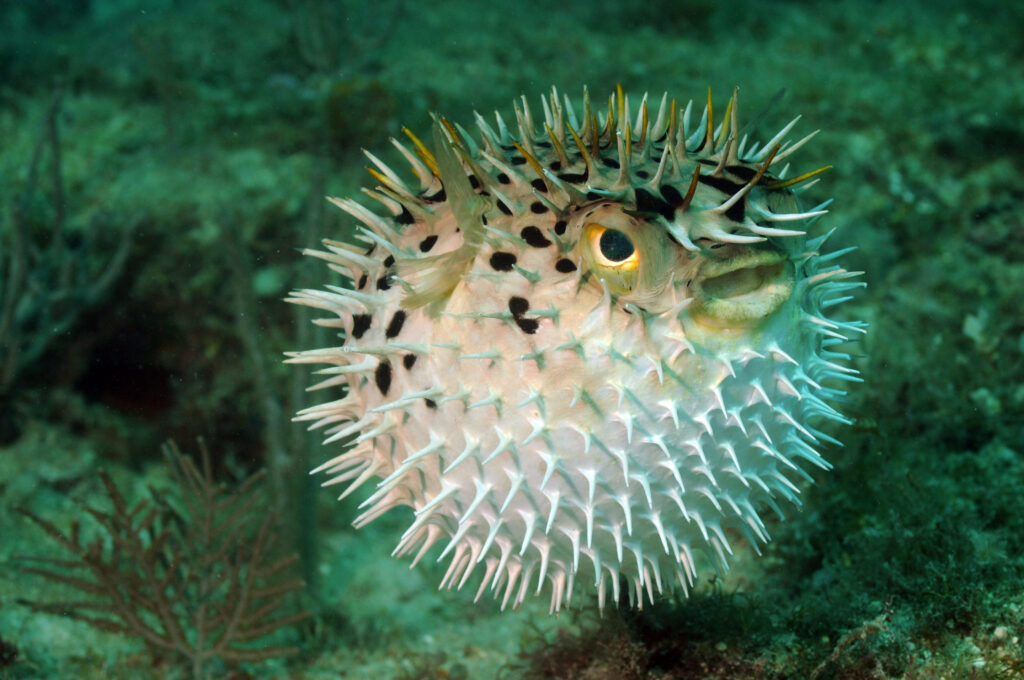
The pufferfish, also known as fugu, is a delicacy in Japan, but it’s also one of the most deadly fish in the world. Its venom contains tetrodotoxin, a neurotoxin that blocks sodium channels in the body’s nerves, ultimately causing paralysis and respiratory failure.
The venom acts quickly, and if consumed, the effects can take hold within a few hours. Though fugu is typically served as a delicacy, improper preparation can result in poisoning, often leading to death if medical help is not immediate.
What makes pufferfish particularly dangerous is its delayed symptoms. Victims may not feel the effects of the venom until it’s too late, and the inability to breathe properly can lead to death. Only highly trained chefs are allowed to prepare this fish, as even a small mistake could be fatal.