Emergencies are terrifying, and you don’t always have the luxury of time. But did you know that some well-meaning first aid practices could make things worse and even cost lives? A common mistake in emergencies can have deadly consequences.
In this article, we’ll reveal the most dangerous first aid failures you might be making, even when trying to help. Be warned, these errors could be the difference between life and death.
The Deadly Myth of “Icy Cold” Burn Treatment

You might think that throwing cold water on a burn is the right thing to do. But for severe burns, this can be a fatal error. Immersion in water or the application of icecan further damage the skin and surrounding tissues.
When skin is burned, the body is already in shock, and applying ice or cold water constricts blood vessels, disrupting the body’s natural healing process. Instead, use clean, cool (not icy) bandages and seek immediate medical help.
This is a case where the wrong approach can cause irreversible tissue damage and potentially lead to infection or long-term disability. The next time you encounter a burn, remember: cold is not always your friend.
Applying CPR Wrong
CPR is a lifesaving technique, but doing it incorrectly can make a critical situation worse. A common error? Inadequate chest compressions.
If the chest is not compressed with enough force (at least 2 inches deep) and at the correct rate (100-120 compressions per minute), the heart may not be revived, and vital oxygen may not reach the brain. Worse still, performing CPR poorly could break ribs or cause further trauma.
You may think you’re helping, but by delivering shallow compressions or using incorrect techniques, you’re actually hindering the person’s recovery. Avoiding hands-only CPR or neglecting to seek proper training could lead to catastrophic results.
“Don’t Move the Victim”: A Dangerous Rule in Some Cases
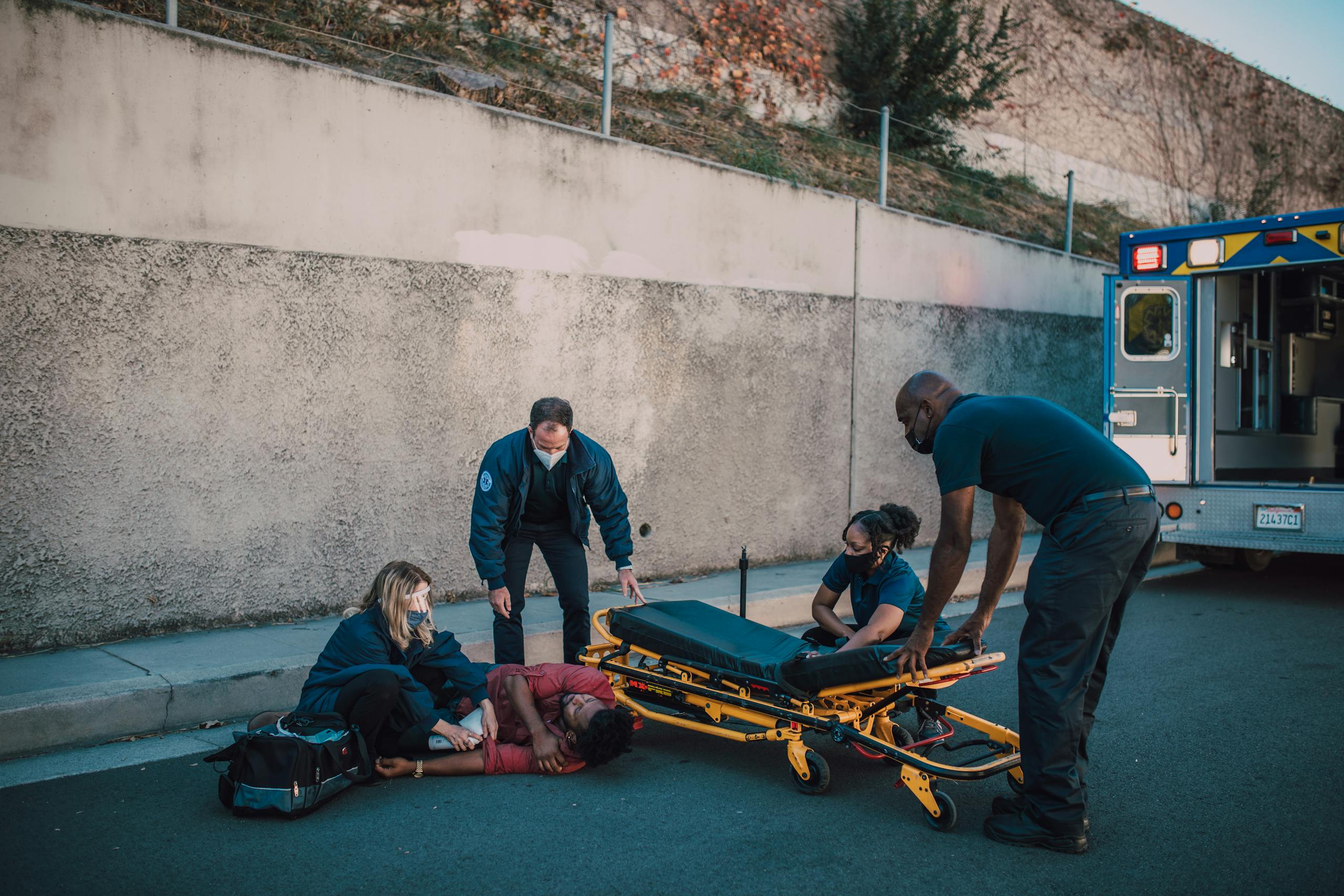
The common first-aid advice to not move someone who has fallen or sustained an injury sounds reasonable, but it isn’t always the safest option. The advice is typically meant to prevent further neck or spine injuries, but in some situations, moving a victim is the only way to save them.
If a person is in a dangerous location, such as the middle of a busy street or near a fire, delaying movement for the sake of spine stability can put their life in greater danger.
Knowing when to move someone and how to do so safely is a delicate balance, but there are moments when not moving them can be the bigger risk. Always weigh the severity of the injury and the danger of the surrounding environment.
Blindly Using a Tourniquet
When someone is bleeding heavily, the instinct is to stop the bleeding at any cost. But applying a tourniquet improperly can cause irreversible damage.
A tourniquet should be used only in extreme cases when bleeding is life-threatening and direct pressure hasn’t worked. Incorrect placement or tightening can lead to loss of the limb, nerve damage, or even death from shock.
Tourniquets are not a “quick fix” for bleeding; they are a last resort, and they should only be used by those trained in first aid. When applied incorrectly, they can make an already bad situation much worse.
Failing to Spot a Heart Attack in Time

Heart attacks often come with subtle warning signs that most people overlook. Chest pain, shortness of breath, and dizziness are the obvious signs, but did you know that nausea, sweating, and even back pain can also signal a heart attack?
By the time someone collapses from a heart attack, it’s too late for simple first aid. Immediate medical attention is critical, and waiting too long to call 911 or administer CPR can result in brain damage or death.
The scary truth is that many people mistake a heart attack for something less serious, delaying the intervention that could save their life. Spotting the signs early and acting quickly is the difference between life and death.
Choking? The Heimlich Maneuver Might Be Doing More Harm
The Heimlich maneuver is a classic first aid technique for choking, but it can cause severe internal injuries if not done correctly. Performing the maneuver with too much force or on the wrong person (like pregnant women or children) can lead to broken ribs, internal organ damage, or even worse, punctured lungs.
The Heimlich maneuver should be performed with caution and only when necessary. Knowing when not to perform it and how to modify your technique for specific cases can prevent tragic consequences.
Dismissing Mild Symptoms

How many times have you brushed off what you thought was a minor injury, thinking “it will heal on its own”? Ignoring smaller, seemingly insignificant injuries or health symptoms could put you at risk for life-threatening complications later.
A simple headache could signal a stroke, or a small cut could become infected and lead to sepsis. The truth is, first aid is not just about dealing with the big emergencies; it’s about recognizing the subtle signals your body sends.
Ignoring these signs can have deadly consequences, so always err on the side of caution. Sometimes, what seems small can snowball into a bigger health crisis. Don’t wait for the symptoms to worsen; take action immediately.
Why This Matters
Understanding the risks and hidden dangers of common first aid mistakes is essential for everyone. In the midst of an emergency, time is critical. The right first aid can make all the difference between life and death, while mistakes can have irreversible consequences.
The consequences of first aid mistakes are serious. Incorrectly applied CPR, treating burns with ice, or failing to act when you need to move an injured person can be fatal. Awareness of these risks, proper training, and quick action are the keys to preventing unnecessary harm.
FAQ
Q1: Is it really dangerous to apply ice to burns?
Yes, applying ice to a burn can cause the skin to freeze, leading to further tissue damage. It can make the situation worse by preventing the body from healing naturally. Always cool a burn with lukewarm water and seek medical help.
Q2: How can I perform CPR without hurting the person?
The key to effective CPR is applying enough pressure (2 inches deep) and using the correct rate of compressions (100-120 per minute). If you’re unsure of your skills, consider taking a CPR class to get the training you need.
Q3: When should I move someone who has been injured in an accident?
If a person is in immediate danger (such as near fire or traffic), moving them may be necessary. However, never move someone if you suspect a spinal injury unless they are in an unsafe position. Always weigh the severity of the injury and the surrounding danger.