Nature never ceases to amaze us, and some of the most fascinating creatures on Earth have evolved to store toxins in the most unlikely places. From rats with poisoned fur to newts with venomous ribs, these animals have developed extraordinary ways to protect themselves and assert dominance in their habitats. Their toxic arsenals are hidden in body parts we would never expect. Let’s explore 10 of the most ingenious toxin storage methods in the animal kingdom, showcasing nature’s creativity in protecting life.
African Crested Rat
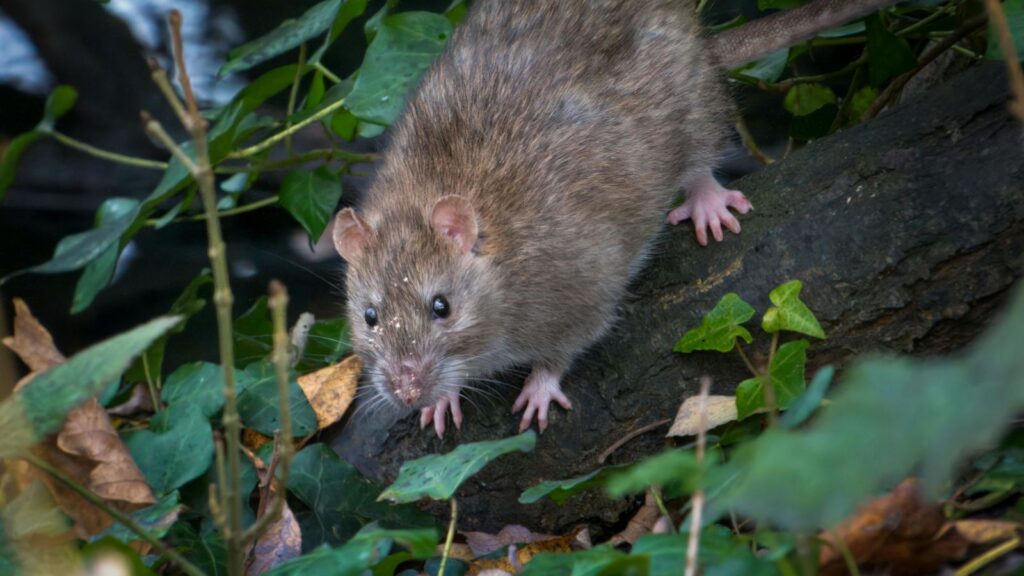
The African crested rat may look like a harmless, fluffy rodent, but it’s one of the few animals with toxic fur. These rats chew on the bark of the Acokanthera schimperi tree, known as the poison arrow tree, and ingest a deadly toxin called ouabain. The rats then apply this toxin to the hollow hairs along their sides, turning them into secret killers. The toxin is so potent that it can kill animals as large as elephants or hippos. This unique method of toxin storage is a clever defense mechanism against predators.
The Slow Loris
The slow loris, a small primate from Southeast Asia, is famous for its venomous bite. While it might appear slow and docile, this primate stores venom in the glands near its armpits. The slow loris also spreads its own coat with its grooming. This coat carries a potent venom that may cause serious allergic responses and may even kill. In case of an impending threat, the slow loris may also bite the opponent. The venom of the slow loris not only protects the animal but also establishes its presence in the ecosystem.
Newts
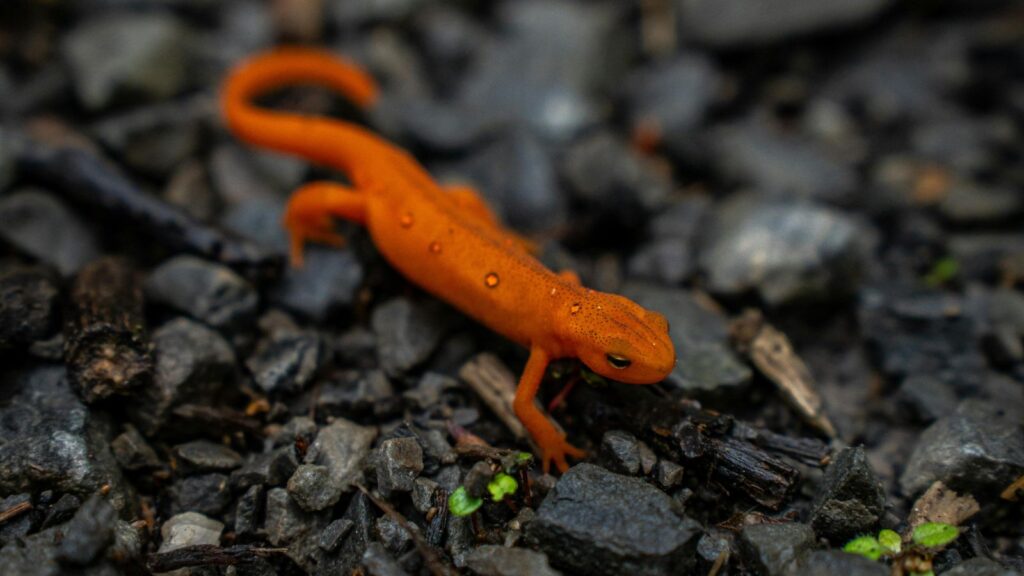
Newts have a unique, deadly defense mechanism hidden just under the skin. Newts have special barbs hidden just under the skin, which, in the event of danger, display venomous ribs. The venomous ribs contain potent venom, which can harm predators significantly. The venom is very effective at keeping the newt safe, as predators are deterred from eating it. This unusual method of storing toxins allows newts to defend themselves without fleeing or hiding.
Poison Dart Frogs
Poison dart frogs are known for their toxins, but what’s interesting is how they retain their toxins. Poison dart frogs acquire their toxins through the plants they ingest in their ecosystem, then store them in special glands just under their skin. The potent alkaloids in their skin can paralyze or kill predators, making these frogs among the most effective natural deterrents. While these frogs in captivity may not produce the same toxins, those in the wild rely heavily on their unique skin-based toxin storage to stay safe.
Cone Snails
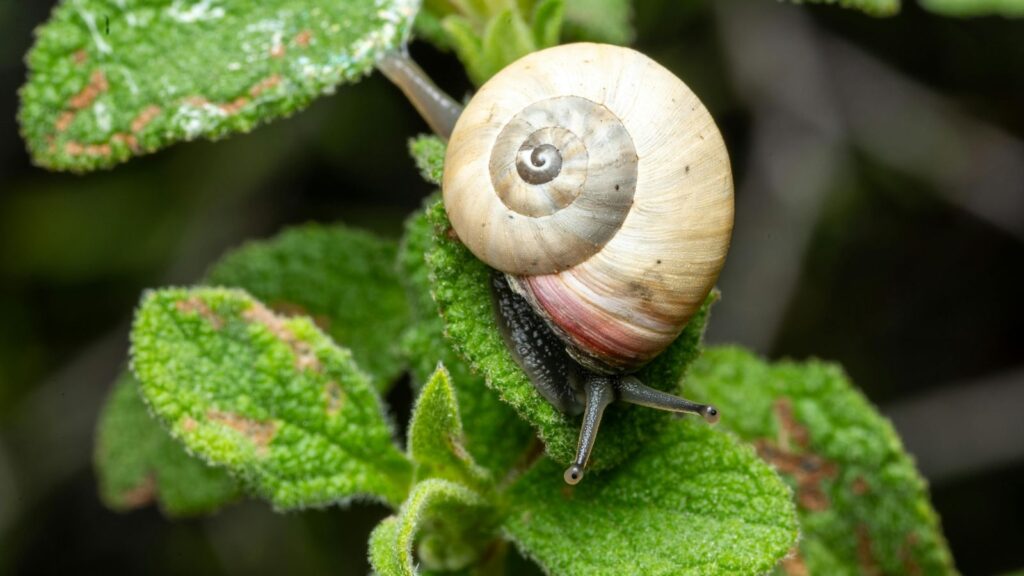
Cone snails are marine creatures with a fascinating and deadly weapon: venomous harpoons. This type of snail uses its special teeth to inject venom into its prey. When these snails strike their prey, their venom immediately renders their prey motionless, making it easy for them to feed. This venom is produced by a gland connected to a needle-like structure, making these cone snails master hunters.
Fire Salamanders
The fire salamander stores its toxins in its skin secretions. When danger is near, the fire salamander releases a strong toxin from glands located all along its back. This irritates quite a bit and could even kill a predator. To defend against danger, fire salamanders often display their colors to warn off threats. Their toxin is not only effective against predators but also acts as a deterrent to other potential threats in their habitat.
Pufferfish
Pufferfish are known for their dangerous toxins, especially tetrodotoxin. The fish have this dangerous toxin in their livers and ovaries. It does not affect them in any way but may be dangerous to a predator that tries to eat it. When a pufferfish inflates to defend itself, it releases a warning, and if a predator dares to try to eat it, they risk being poisoned by the toxin. This fascinating toxin storage method allows the pufferfish to survive in environments where other fish might not thrive.
Beetles
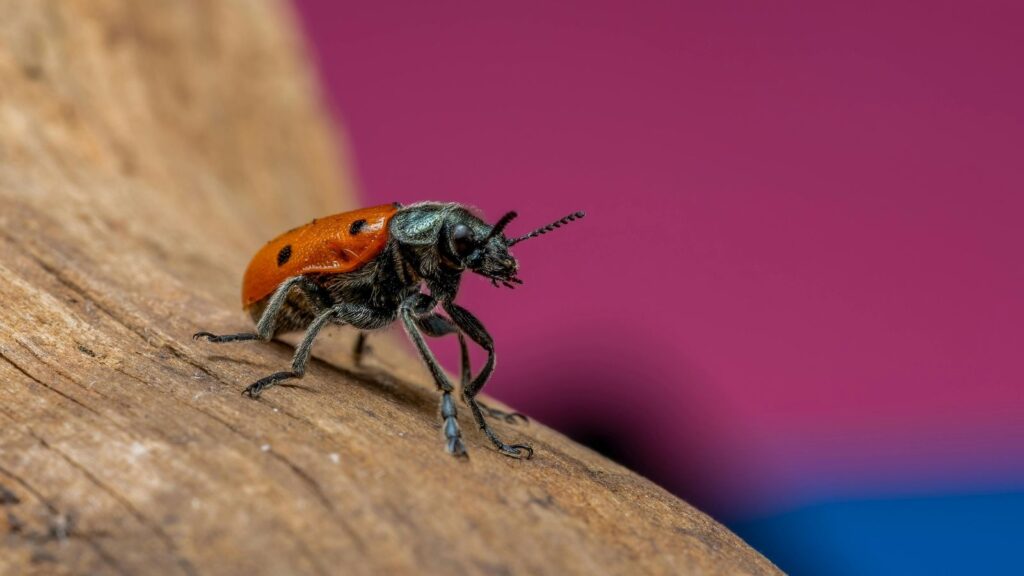
Certain species of beetles, such as the bombardier beetle, have a highly effective system for storing toxins. These beetles have a cache of chemicals in their abdomens, which are released in a burst of intense energy when they sense danger. When the chemicals combine and react, they burst forth as a deterrent for any approaching predator. This defense mechanism not only protects the beetle but also provides a powerful deterrent against any impending threat, without the beetle having to run away.
Sharks
Some species of sharks, like the spiny dogfish, possess venomous spines located in their dorsal fins. These spines are not just used for defense but are capable of delivering a painful, venomous sting when the shark feels threatened. The venom stored in these spines causes intense pain and can incapacitate potential predators or prey. This unique form of toxin storage helps the shark deter attacks and maintain its position at the top of the food chain.
Giant Millipedes
Giant millipedes may appear slow-moving creatures, but they have a powerful defense mechanism in the form of toxins. Along their bodies, they have glands that produce a combination of toxins that they release when in danger. These toxins may cause burning sensations on a predator’s skin. Their toxin is a powerful deterrent, helping them survive in a world filled with hungry animals looking for a meal.
Conclusion: Nature’s Ingenious Toxin Storage Solutions
The ability to store toxins in unusual places is one of nature’s most important survival strategies for predators. These animals have devised effective, built-in defense mechanisms, with poison stored in their glands, skin, and nature, so they are hard for predators to get to.
From the African crested rat, whose fur is covered with nature’s potent toxin, to the slow loris, which possesses potent venom glands under its arms, these animals have evolved surprisingly effective ways of defending themselves in a competitive world. The unusual methods of storing their respective toxins are a testament to the ingenuity of the animal kingdom.