Radiant and healthy skin is the ultimate beauty goal for many, but achieving it requires more than just using the latest skincare products. It’s about cultivating consistent, effective habits that work in harmony with your body’s natural processes. In this comprehensive guide, we explore the key habits that promote glowing skin while debunking common misconceptions that could be harming your skin’s health. Let’s dive in.
Clean Bedding Equals Clear Skin

Your pillowcase can be a major culprit in skin breakouts. Dirt, oils, and bacteria can accumulate on rough, unwashed linens, leading to clogged pores and irritation.
Tips for Maintaining Clean Bedding
Switch to pillowcases made from soft, breathable fabrics such as cotton or bamboo. These materials help prevent friction and irritation, which can exacerbate skin sensitivity. Wash your pillowcases regularly—at least once a week—to remove oils and bacteria. Consider using antibacterial pillowcases to keep acne at bay.
Consistent Sunscreen Application is Non-Negotiable
UV damage is the leading cause of premature aging and skin cancer, yet many neglect to apply sunscreen even when it’s cloudy or cold outside.
This can significantly contribute to wrinkles, pigmentation, and more serious skin conditions.
Why Sunscreen is Essential for Healthy Skin
Sunscreen acts as a protective barrier against harmful UV rays, which can cause long-term skin damage. The key is using a sunscreen with an SPF of 30 or higher and reapplying every two hours when outdoors. For maximum protection, choose a broad-spectrum sunscreen to shield against both UVA and UVB rays, which are responsible for photoaging and skin cancer.
How to Apply Sunscreen Effectively
To ensure optimal protection, apply sunscreen to all exposed areas, including often-missed spots like the ears, neck, and scalp (especially if you have thinning hair). Don’t forget your lips—use a lip balm with SPF to prevent sunburn and premature aging.
Nourish Your Skin with a Balanced Diet

What you eat has a direct impact on your skin’s health. Consuming processed sugars and unhealthy fats can worsen acne and accelerate the aging process.
On the other hand, a diet rich in antioxidants and healthy fats will help your skin glow from within.
Nutrients That Boost Skin Radiance
Incorporate antioxidant-rich foods like berries, leafy greens, and nuts into your meals. These nutrients combat free radicals, reduce inflammation, and protect skin cells. Omega-3 fatty acids, found in fatty fish such as salmon, also help keep your skin hydrated and reduce the risk of inflammatory skin conditions.
Hydration for Glowing Skin
Drinking enough water throughout the day is crucial for maintaining skin hydration. Aim for at least eight glasses of water daily to support skin moisture balance and prevent dryness.
Never Skip Your Nightly Cleanse
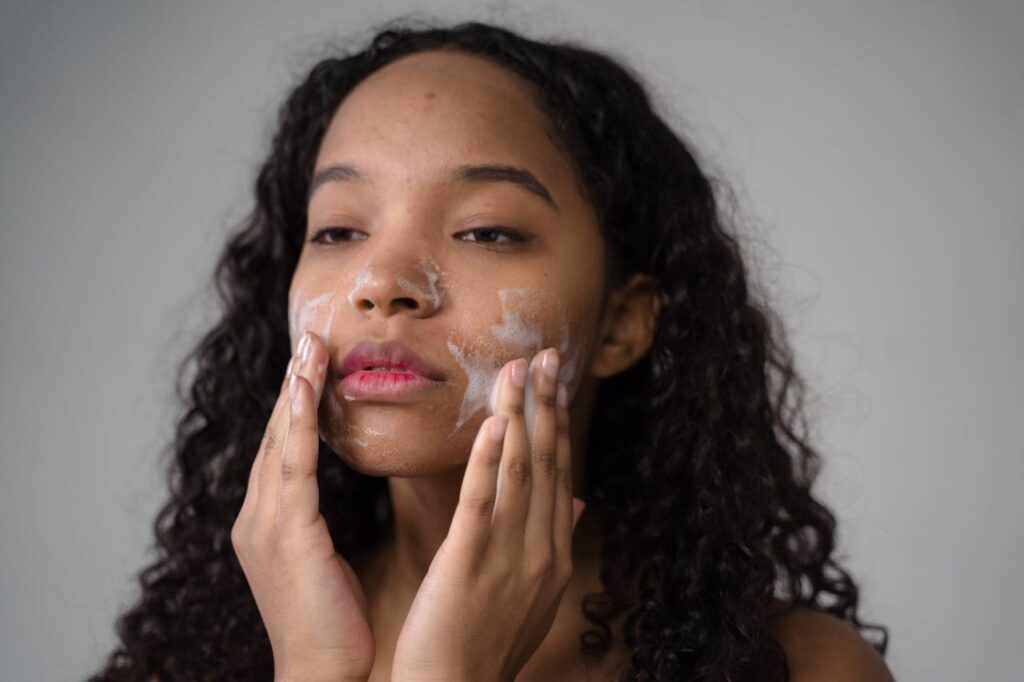
Leaving makeup, dirt, and pollutants on your skin overnight can clog pores, leading to breakouts and dull skin.
The Importance of Nighttime Cleansing
Nighttime is when your skin repairs itself, and removing the day’s buildup ensures your skin can absorb the products you apply.
Choose a gentle cleanser suited to your skin type to remove impurities without stripping natural oils. Avoid harsh scrubs that can damage the skin barrier and cause dryness.
Selecting the Right Cleanser
Opt for a mild, hydrating cleanser that doesn’t irritate or dry out the skin. Whether you have oily, dry, or sensitive skin, the right product will help maintain your skin’s balance and leave it feeling refreshed.
Gentle Skin Treatments Over Harsh Exfoliation
While exfoliating is essential for removing dead skin cells, over-exfoliation can damage your skin’s natural barrier, leading to redness, sensitivity, and even scarring. Similarly, picking at acne can push bacteria deeper into the skin, causing further inflammation.
How to Treat Acne Without Harming Your Skin
If you have acne, use mild treatments like benzoyl peroxide or salicylic acid to gently unclog pores. Avoid scrubbing your face aggressively or using harsh treatments, as they can worsen irritation. Instead, let your acne treatments work over time, and apply them only as needed.
Proper Pimple Care
Rather than popping pimples, apply targeted spot treatments with acne-fighting ingredients. Keep the area clean, hydrated, and protected to minimize scarring and inflammation.
stress Less for Clearer, Healthier Skin
Stress wreaks havoc on your skin, often leading to breakouts, dullness, and inflammation. High stress levels increase cortisol production, a hormone that contributes to skin issues.
Stress Management for Better Skin
Incorporate stress-reducing activities such as yoga, meditation, or regular walks into your routine. Maintaining a balanced lifestyle, getting adequate sleep, and engaging in activities that bring you joy can lower stress levels and help your skin thrive.
The Link Between Mental and Skin Health
Establishing a work-life balance and finding moments of peace in your day can significantly improve your skin’s appearance. Reducing cortisol levels by managing stress benefits not just your skin but also your overall health.
Prioritize Sleep for Skin Regeneration

During sleep, your body enters repair mode, regenerating skin cells and replenishing moisture. Lack of sleep can lead to tired, dull skin with visible signs such as dark circles and puffiness.
Tips for Better Sleep and Skin Health
Aim for 7-9 hours of quality sleep each night. To ensure your skin can fully benefit from this process, avoid blue light exposure before bed, maintain a comfortable sleeping environment, and keep a consistent sleep schedule.
How Sleep Enhances Skin Health
Quality sleep not only improves your mood but also allows your skin to repair itself. A regular sleep routine helps minimize inflammation and enhances