Technology has transformed the way we connect, date, and maintain relationships. While it offers convenience, access, and entertainment, it has also introduced subtle pitfalls that can undermine intimacy, trust, and emotional connection. From constant digital distractions to unrealistic expectations shaped by online platforms, modern couples face challenges that previous generations could never have imagined. Below, we explore ten ways technology is quietly sabotaging your love life and how to navigate these traps to preserve meaningful relationships.
Streaming Alone: The “Netflix Adultery” Effect

Sharing a favorite show or movie with your partner builds connection. Yet, “Netflix adultery” watching content alone that you promised to enjoy together has become a surprisingly common source of tension. Spoilers, secret binge sessions, and broken pacts may seem minor, but they erode trust and create feelings of betrayal.
Smart solution: Commit to watching shows together or communicate openly about viewing schedules. Shared entertainment experiences strengthen bonds rather than subtly eroding them.
Internet Infidelity and Cyber-Temptations
Digital platforms offer anonymous interactions, virtual flirtations, and cybersex, which some individuals rationalize as harmless. Despite the perceived separation from reality, these activities can constitute emotional or sexual infidelity. Studies indicate that online cheating contributes to a significant portion of modern relationship breakdowns.
Smart solution: Establish clear boundaries for digital behavior. Transparency and accountability prevent misunderstandings and reinforce trust in your partnership.
Social Media Stalking of Past or Current Partners
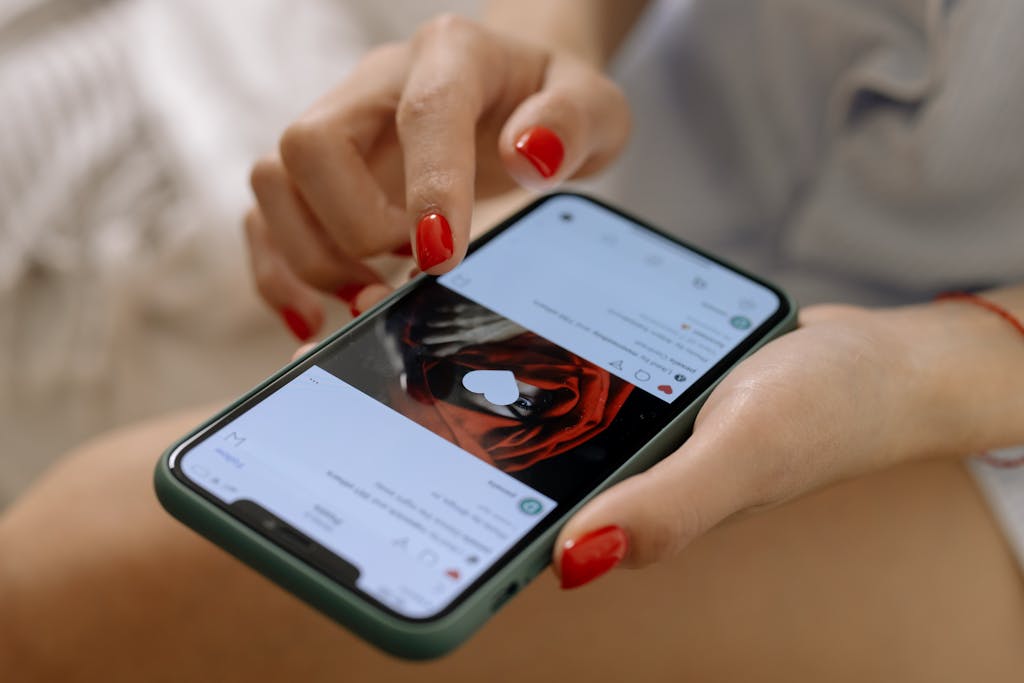
The ability to monitor exes or crushes online often fuels obsession, anxiety, and poor decision-making. Constant access to social media can distort perception, magnify jealousy, and interfere with emotional recovery after breakups.
Smart solution: Limit or block access to ex-partners’ feeds. Focusing on present relationships rather than past digital histories supports mental health and relational stability.
Cybercelibacy and Fear of Real-Life Intimacy
Online games, forums, and social networks can replace in-person interactions, creating a cycle of social avoidance. Individuals who retreat into digital engagement often experience diminished intimacy, reduced sexual activity, and heightened anxiety regarding real-world connections.
Smart solution: Balance online engagement with in-person socialization. Scheduling quality time with friends and partners helps maintain healthy relational skills.
Facebook, Instagram, and Jealousy Triggers

Viewing a partner’s online interactions can provoke unwarranted jealousy. Without nonverbal context, messages and likes can be misinterpreted, fueling resentment and unnecessary conflict.
Smart solution: Discuss social media boundaries with your partner. Avoid obsessively monitoring feeds and trust direct communication over assumptions.
Excessive Points of Digital Contact
While communication is essential, relying on multiple channels, such as text, social media, email, and instant messaging, can overwhelm couples. Studies show that using more than five communication platforms may reduce relationship satisfaction, leading to stress and constant monitoring behaviors.
Smart solution: Consolidate communication into fewer channels. Prioritize meaningful, intentional conversations over constant digital check-ins.
Online Pornography and Unrealistic Expectations
Easily accessible adult content can distort expectations regarding sexual behavior, consent, and intimacy. Individuals may feel pressure to emulate unrealistic scenarios, leading to dissatisfaction and neglect of partner needs.
Smart solution: Prioritize open sexual communication with your partner. Focus on shared pleasure and authentic intimacy rather than unrealistic digital portrayals.
Constant Device Presence
Smartphones, laptops, and TVs in bedrooms or shared spaces can diminish attention, reduce physical intimacy, and distract from meaningful connection. Even minor digital distractions correlate with decreased frequency of sexual activity.
Smart solution: Designate device-free zones and times, especially during shared meals, dates, or bedtime. Creating distraction-free moments fosters presence and emotional engagement.
Dating Algorithms and Superficial Matching
Modern dating apps rely on algorithms and personality quizzes that encourage selection based on surface traits. While matching hobbies and preferences may seem effective, true relationship compatibility is better evaluated in real-life interaction. Overreliance on algorithms risks objectifying potential partners and missing genuine chemistry.
Smart solution: Treat online dating as a tool, not a guarantee. Focus on real-world interactions to assess compatibility and relational dynamics.
Googling Dates and Overjudging Digital Footprints

Instant access to personal information encourages preemptive judgments about potential partners. While safety screening is reasonable, excessive Googling fosters bias, misinterpretation, and the dismissal of genuine connections.
Smart solution: Allow initial interactions to unfold naturally. Trust personal experience and conversation rather than digital reputations or social media portrayals.