Spending time outdoors can feel refreshing and calming, but what starts as a peaceful stroll through a park, forest, or backyard can quickly turn uncomfortable if you brush against the wrong plant. Many plants that look harmless or even inviting carry chemicals, oils, or fine hairs that can trigger skin irritation, redness, itching, swelling, and even painful blisters. These reactions often catch people by surprise because the plants appear ordinary or blend into the surroundings.
It’s easy to assume insects or allergies are the culprit, yet many skin reactions stem from direct contact with plants. Some plants, like poison ivy, poison oak, and poison sumac, release urushiol oil that triggers allergic rashes. Others, such as giant hogweed and wild parsnip, produce sap that reacts violently when exposed to sunlight, causing burn-like blisters. Plants like stinging nettle take a different approach, injecting histamine and other chemicals through fine hairs that puncture the skin. Recognizing the differences between these plants and knowing how to react immediately can make the outdoors safe and enjoyable.
Poison Sumac

Poison sumac is a less common plant but among the most potent triggers of allergic skin reactions. Unlike poison ivy and poison oak, poison sumac typically grows as a shrub or small tree with clusters of 7 to 13 smooth-edged leaflets along red stems. It thrives in wet, swampy areas and along streams, particularly in the eastern United States, making marshy or floodplain trails particularly hazardous.
Urushiol oil in poison sumac is much more concentrated, producing severe rashes, blistering, and intense swelling. Even indirect contact with tools, pets, or clothing can trigger reactions. Inhaling smoke from burned poison sumac is extremely dangerous and can result in lung inflammation or breathing difficulties. Anyone hiking or working in wetland areas should be trained to recognize the compound leaves and red stems to avoid accidental exposure.
Poison Ivy
Poison ivy is widely recognized for its “leaves of three” arrangement, though the shape, color, and size of the leaves can vary depending on the season, age of the plant, and location. It grows as a low-lying ground cover, a climbing vine, or a bushy shrub along trails, roadsides, and in wooded areas, making it extremely easy to accidentally brush against. Its leaves may appear glossy, dull, green, or reddish, and during certain seasons, it may carry clusters of greenish-white berries that are equally irritating to touch.
The danger comes from urushiol oil in every part of the plant, including leaves, stems, and roots. Exposure can cause intense itching, red streaks, swelling, and fluid-filled blisters that often appear hours or days after contact. The rash is localized to areas of contact and is not contagious, but urushiol can linger on clothing, tools, or pet fur, increasing the risk of exposure. Quick washing with soap or alcohol, along with careful cleaning of contaminated items, significantly reduces the severity of reactions and prevents repeated exposure.
Poison Oak

Poison oak grows as a shrub or vine, frequently in dry, sandy areas and forest edges, and its leaves closely resemble oak leaves, which can be misleading. The plant often appears lush and inviting, with rich green leaves in spring and summer, which turn striking shades of red, orange, or yellow in the fall. The leaves typically grow in clusters of three, and the plant may also produce small yellow flowers and fuzzy green-white berries.
Like poison ivy, poison oak contains urushiol oil, which causes red, itchy, streaky rashes, swelling, and blistering upon skin contact. The severity of the reaction depends on individual sensitivity, making even brief contact potentially painful. It’s important to avoid burning brush containing poison oak because inhaling the smoke can irritate the lungs and eyes, producing severe respiratory reactions. Protective clothing, gloves, and prompt washing after contact are essential when in areas where poison oak grows.
Giant Hogweed

Giant hogweed is a visually striking plant that can grow up to 14 feet tall, with massive umbrella-shaped clusters of white flowers, deeply lobed leaves, and thick hollow stems marked with purple blotches. Its imposing size makes it easy to spot, yet the plant’s sap is highly phototoxic, triggering painful burns and blisters when it comes in contact with skin exposed to sunlight.
Even brief exposure can cause severe, long-lasting scars. Sap near the eyes can cause temporary blindness or severe irritation, while contact with the face, hands, or arms can result in second-degree burn-like reactions. Because giant hogweed is an invasive species in many regions, it’s critical to recognize it, avoid touching it entirely, and use protective clothing if removal or clearing is necessary. Immediate washing and covering the affected area with clothing to protect it from sunlight are essential steps after accidental contact.
Wild Parsnip
Wild parsnip grows 2–5 feet tall along roadsides, fields, trails, and disturbed ground, often overlooked because of its seemingly ordinary yellow flowers and celery-like leaves. Its hollow, grooved stems contain sap that reacts with sunlight, producing photosensitive chemical burns when it comes into contact with bare skin.
Exposure can result in streaky burns, blisters, and darkened patches that may persist for weeks. Even casual brushing while hiking or working in sunny conditions can trigger intense skin reactions. Protective clothing, gloves, and immediate washing after contact are crucial to prevent painful outcomes and long-lasting skin discoloration.
Stinging Nettle
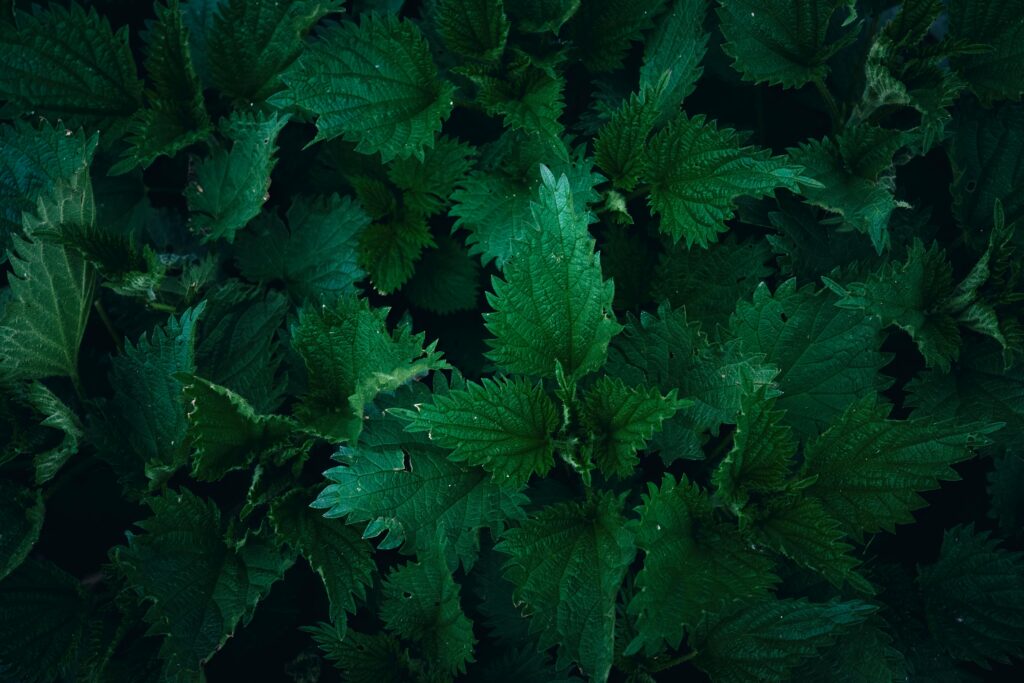
Stinging nettle thrives in dense patches along streams, gardens, woodlands, and moist open fields. Its stems and leaves are covered with tiny stinging hairs that act like needles, injecting histamine, acetylcholine, and formic acid into the skin. This triggers immediate burning, tingling, redness, and swelling.
The rash usually develops instantly and can last for several hours, though it’s typically temporary. Rinsing the affected area, applying a cool compress, and avoiding friction can reduce discomfort. People with sensitive skin may experience prolonged irritation, so wearing long sleeves and gloves when moving through areas with stinging nettle is highly recommended.
Wood Nettle
Wood nettle often grows in shaded, moist woodland areas, particularly near streams or fertile forest soil. Its toothed leaves and fine hairs make it easy to confuse with stinging nettle, yet it can produce a more pronounced stinging sensation upon contact.
The initial reaction may include redness, burning, itching, or small raised welts, which usually fade within hours. Sensitive individuals might experience longer-lasting discomfort. As with stinging nettle, gentle rinsing, cold compresses, and avoiding rubbing are the most effective home treatments.
Ragweed

Ragweed is notorious for its pollen, which triggers allergies, but its pollen can also cause skin irritation in sensitive individuals. The plant grows along roadsides, in fields, in vacant lots, and in disturbed soil, with feathery, lobed green leaves and yellow-green flower spikes that release clouds of pollen.
Besides skin reactions, ragweed frequently causes sneezing, itchy eyes, congestion, and respiratory irritation in late summer and fall. Individuals with high sensitivity may also develop rashes or hives when pollen comes into direct contact with skin. Preventive measures include avoiding known ragweed patches, wearing gloves, and washing exposed skin immediately after outdoor exposure.
Baby’s Breath
Baby’s breath appears delicate and harmless in bouquets with clusters of white or pink flowers. Frequent handling, especially in floral arrangements or dried flowers, can cause skin irritation, eye discomfort, or sinus reactions.
Florists, gardeners, and hobbyists may develop rashes, sneezing, or mild asthma-like symptoms from repeated exposure. Wearing gloves, minimizing prolonged contact, and washing hands thoroughly after handling the plant can reduce irritation and protect sensitive individuals.
Leadwort (Plumbago)

Leadwort, or plumbago, is a common garden ornamental with blue, pink, or white flowers. While visually appealing, contact with its leaves, stems, or sap can cause red patches, blisters, or mild dermatitis in sensitive skin.
Often used as hedges, ground cover, or border plants, leadwort is easy to encounter in residential landscapes. Gloves and long sleeves are recommended for gardeners, landscapers, or children handling the plant, and washing exposed areas promptly after pruning or touching the plant prevents irritation.