Some stories are so bizarre they spark curiosity and wonder, yet they are real. These nine facts will surprise you, making you question what you thought you knew about history and human behavior.
Some stories are too bizarre to believe, yet they are real. History, human behavior, and strange traditions have always delivered moments stranger than fiction.
These nine facts will make you pause, shake your head, and realize reality often outperforms imagination.
Life’s unpredictability can be astonishing. From ruthless rulers to strange customs, these moments challenge perceptions and evoke amazement at how strange reality can be.
Black Cats Became Symbols of Evil

Black cats have long been associated with superstition, and medieval Europe played a key role in this perception. They were feared as accomplices of witchcraft, creating a stigma that persists in culture today. This history can evoke concern about how unfounded fears shape beliefs across generations.
A single symbolic story helped cement a global myth. Even today, black cats are surrounded by suspicion in some circles. The longevity of this fear shows how small cultural ideas can shape beliefs for generations, proving that superstition can outlive reason by centuries.
Workers Once Relied on Human Alarm Clocks
Before alarm clocks were common and smartphones ruled our mornings, people in industrial towns of Britain and Ireland relied on human alarm clocks known as “knocker uppers.” Their job was simple yet invasive: tap on windows with sticks or shoot dried peas to wake workers, showing how human effort was vital for survival then.
Missed work could cost someone their job, making these early wake-up services brutally effective.
It sounds absurd now, but this practice illustrates the strange solutions humans devised to survive industrial life. Ordinary mornings were suddenly full of chaotic, noisy interactions with strangers.
Being late had real consequences, and these human alarm clocks were the unusual bridge between sleep and survival, showing how necessity often trumps comfort.
The Famous Lamb May Have Been Real

The rhyme “Mary Had a Little Lamb.” The story revolves around a girl named Mary who has a little lamb that follows her everywhere she goes. The lamb’s fleece is white as snow, and its devotion to Mary is a central theme of the rhyme.
The story is inspired by a girl named Mary Sawyer, whose lamb famously followed her to school, turning a simple childhood tale into a vivid, enduring image of innocence and curiosity.
This story endured because it captures a moment everyone can relate to: a small, unexpected disruption that leaves a lasting impression.
A lamb wandering into a classroom created an image so vivid that it became a permanent part of cultural memory. The line between reality and legend is blurred, proving even tiny moments can become immortal.
Peter the Great’s Chilling Warning
Peter the Great was infamous for ruthlessness, and his treatment of Willem Mons is an extreme example. Mons, rumored to be too close to Peter’s wife, was executed, and his head was reportedly preserved in alcohol.
Some accounts claim Peter made Catherine confront the preserved head as a warning, illustrating the gruesome lengths rulers would go to maintain control.
Even if some details have been exaggerated over time, the story reflects the brutality of court politics.
Power, jealousy, and revenge were inseparable, and the extreme measures taken were both horrifying and mesmerizing. It is a glimpse into a world where authority could turn the macabre into a statement of dominance.
Mary Shelley Preserved Part of Her Husband
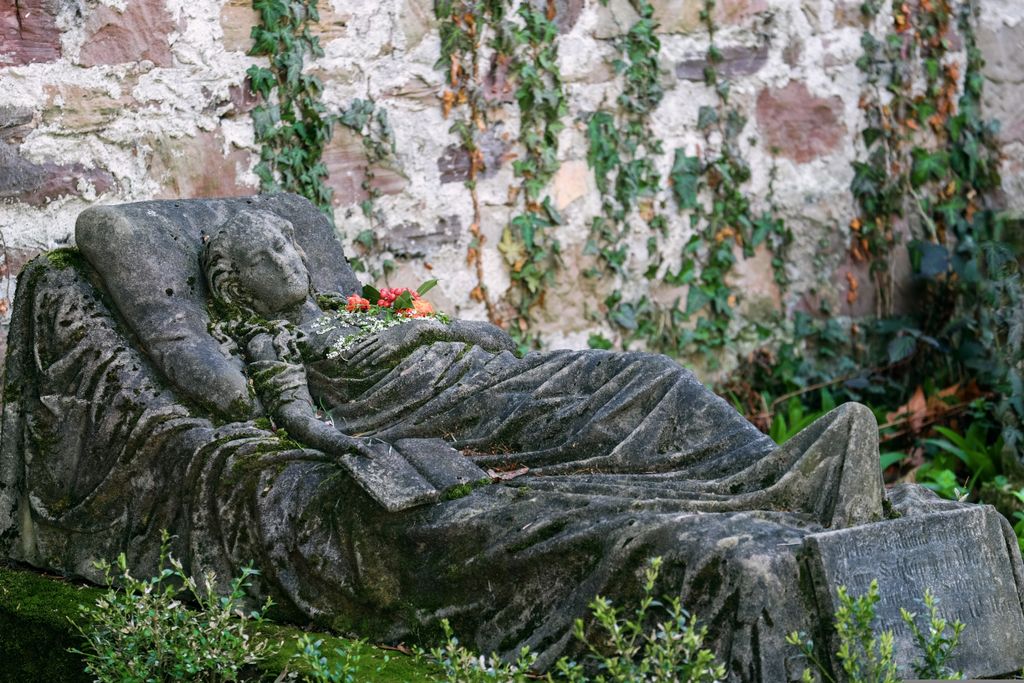
Mary Shelley’s act of keeping a piece of her drowned husband Percy’s remains, believed to be his heart, was a haunting symbol of grief and devotion. This act can evoke feelings of profound loss and obsession, illustrating how love can lead to unsettling acts that blur the line between devotion and obsession.
This relic became a private memorial rather than a public spectacle. For Mary, it embodied loss, obsession, and memory in a way that echoed the dark themes in her writing. The story blurs the line between devotion and obsession, showing that reality can sometimes be stranger and more disturbing than the fictional horrors she imagined.
In 1952, Albert Einstein, the iconic genius, was offered the presidency of Israel. A proposal so extraordinary it sparks awe. His polite refusal reveals humility and self-awareness, inspiring admiration for his integrity. In 1952, the renowned physicist Albert Einstein was offered the presidency of Israel, a surprising and almost unbelievable proposal.
His polite refusal, citing lack of political experience, underscores how fame can open unexpected doors, and how even the greatest minds recognize their limits beyond science.
The story highlights how fame and intellect can open doors far beyond conventional expectations. Einstein’s refusal demonstrates rare self-awareness.
Even someone regarded as one of the greatest minds in history recognized that intelligence in one arena does not automatically translate into the skill to govern a country. Reality almost handed the world a scientist-president, and he walked away.
Andrew Jackson’s Parrot Ruined the Funeral

Andrew Jackson was combative in life, so it is fitting that even in death, chaos followed him. At his funeral, his pet parrot reportedly swore so loudly that attendants had to remove it.
The absurdity perfectly reflects Jackson’s fiery personality and leaves an image that is equal parts hilarious and disturbing.
It reminds us that life rarely follows a script, even in moments of supposed solemnity.
Death did not bring calm, and a parrot’s unexpected theatrics served as a bizarre punctuation to a life full of conflict, passion, and unpredictability. It is a story that feels almost like fiction, but it happened.
A President Held Meetings in the Bathroom
Lyndon B. Johnson’s bathroom meetings shocked many, as he held important discussions while attending to personal needs, defying norms and amplifying his reputation for relentlessness. This bizarre habit highlights how power can push boundaries, making the unusual seem normal in his world.
This bizarre behavior was part of the “Johnson treatment,” his well-known method of dominating conversations to get results. Bathrooms became just another stage for his relentless authority, proving that no place was safe from his intensity.
It’s a stark reminder that power can make the unusual seem ordinary, and the impossible suddenly plausible.
Romans Used Urine for Dental Care

Ancient Romans valued hygiene, but their methods could horrify modern people. Urine was reportedly used as a cleaning agent for teeth because ammonia can whiten enamel. Though effective by their standards, the practice would make most people gag instantly.
This glimpse into ancient routines shows how practical solutions can feel revolting centuries later. Romans prioritized function over comfort, proving that survival and cleanliness sometimes come at the expense of modern sensibilities.
It’s a shocking reminder that history often challenges our ideas of normalcy.