The desire to reverse the effects of aging has always been part of the human experience. As time marches forward, the quest for a youthful appearance has led to strange, outlandish, and sometimes outright dangerous methods. Some of these bizarre anti-aging treatments are rooted in ancient traditions, while others emerge from modern spa culture’s penchant for the shocking. Regardless of their origins, these practices often reveal deeper aspects of human vanity, fear of aging, and the ever-present desire to maintain a youthful appearance.
While some people opt for simple, scientifically backed skin treatments, others take it a step further, applying substances, techniques, and therapies that sound more like something out of a science fiction novel than a beauty regimen. From urine baths to venom injections, the world of anti-aging is as odd as it is relentless. Here are eight of the most bizarre and extreme things people do in their pursuit of timeless beauty.
Urine Baths
Urine has been hailed for its medicinal properties for centuries, with proponents claiming it can rejuvenate skin and remove impurities. Some people bathe in their own urine, believing that its urea content helps exfoliate and soften the skin. Urea, an organic compound found in urine, is a key ingredient in some commercial skincare products due to its moisturizing and exfoliating benefits. While the idea of soaking in your own urine sounds extreme, it’s rooted in the belief that the body’s own waste holds powerful healing properties. Despite this, the unpleasant odor and the potential for bacterial contamination make this practice highly controversial.
Although some argue that it can improve skin texture, the risks far outweigh the benefits. Not only is it socially unacceptable, but the claims about its effectiveness are largely unproven. So, while urine may hold some historical relevance in medicine, applying it to your skin in large quantities is a step far beyond most people’s comfort zone.
Plastic Surgeries
Some people take their desire for a youthful appearance to the extreme by undergoing multiple cosmetic surgeries. A notable example is Cindy Jackson, who holds the world record for the most plastic surgeries, having undergone more than fifty procedures, including facelifts, Botox injections, and liposuction. For Jackson, surgery became a means of achieving her ideal appearance, rather than accepting the body she was born with. She eventually became a consultant in plastic surgery, advising others on maintaining their youthful looks.
While plastic surgery can certainly provide dramatic results, the long-term consequences of undergoing multiple procedures are not always positive. The constant pursuit of perfection through surgery can lead to a distorted sense of self and an ever-growing dependency on cosmetic enhancements. What starts as a way to improve appearance can quickly turn into an addiction, with diminishing returns. Yet for some, the constant pursuit of youth through surgery becomes the ultimate anti-aging ritual, regardless of the risks involved.
Bird Droppings Facials
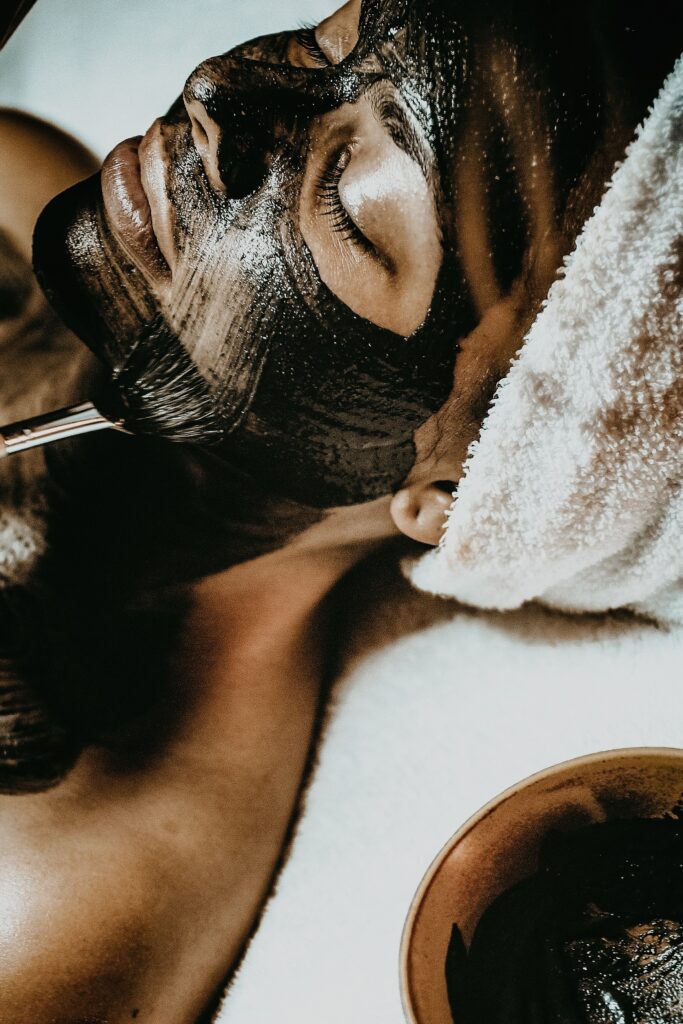
Perhaps one of the most notorious and surprisingly long-lasting beauty treatments is the bird-droppings facial, originating in Japan and spreading to the U.S. over the past few years. This treatment involves applying sterilized nightingale feces to the face as an exfoliant. The bird droppings are rich in enzymes and uric acid, which are said to brighten the skin and leave it looking smooth and luminous. The facial is particularly popular among celebrities, who tout it as a quick and effective way to rejuvenate the skin.
While bird droppings are rich in enzymes that can benefit the skin, the idea of applying something so unappealing is understandably off-putting to many. In truth, the benefits are likely minimal compared to traditional facials. And let’s be honest—few would willingly opt for a bird poop facial unless they were chasing exclusivity or seeking a shock factor. It’s the kind of beauty treatment that attracts attention for its bizarre nature more than its real-world efficacy.
Semen Facials
The concept of semen facials, introduced into the beauty world by none other than Helen Gurley Brown, is perhaps one of the most eyebrow-raising beauty treatments to date. Described by some as “man moisturizer,” semen facials involve applying semen to the skin to improve its appearance. Proponents claim that the proteins, enzymes, and zinc in semen are beneficial for the skin, promoting hydration and tightening. Despite being marketed as a rejuvenating treatment in some high-end spas, there’s no scientific evidence to back these claims.
More importantly, the potential risks of using semen on the skin are far from negligible. Beyond possible allergic reactions and skin irritation, semen can carry sexually transmitted infections, making this treatment highly questionable. Despite these dangers, semen facials persist, fueled by the allure of taboo and the idea that something unconventional must be more effective. Yet, the reality is that using semen as a skincare product is as strange as it is unsanitary.
Gold Facials
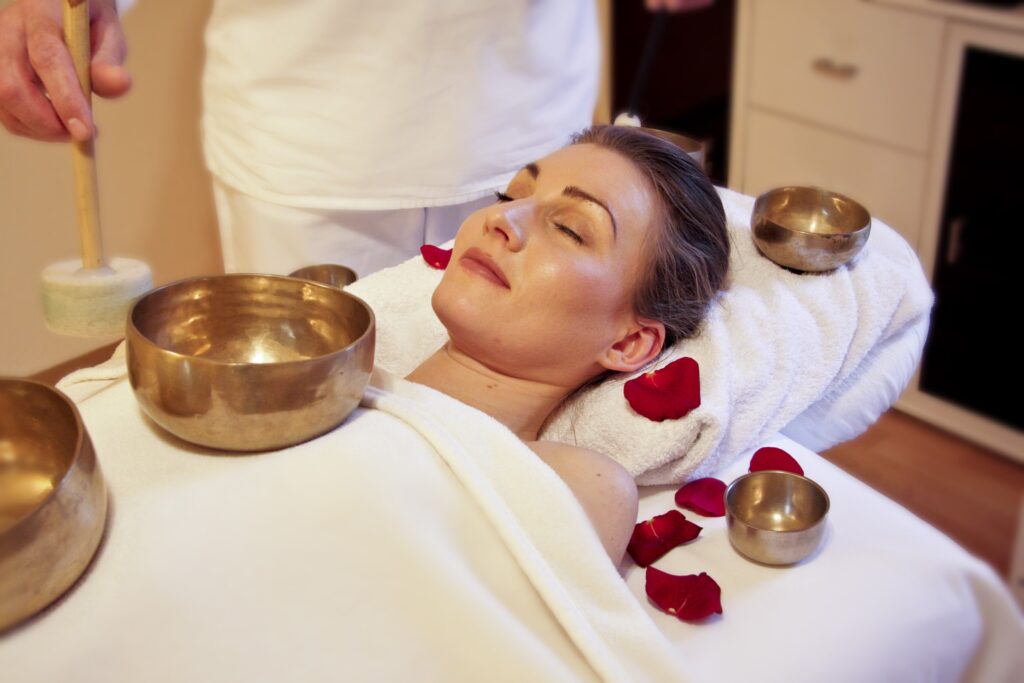
Gold facials have become synonymous with luxury, with spas charging hundreds of dollars per session. During this treatment, a layer of 24-carat gold leaf is applied to the skin to combat signs of aging and repair damage from pollutants and sun exposure. The idea behind the gold facial is that gold can stimulate the skin, reduce inflammation, and increase circulation. While this sounds promising, there is no solid scientific evidence to support the claim that gold has any significant impact on skin aging.
Despite this lack of scientific backing, gold facials continue to attract high-end clientele due to their exclusivity and the luxury associated with gold. The treatment’s high cost is part of its allure, as consumers associate expensive beauty rituals with greater efficacy. However, like many other bizarre anti-aging treatments, gold facials often rely more on prestige than proven results, leaving customers with little more than a temporary glow and a lighter wallet.
Fire Facials
One of the most extreme anti-aging treatments to emerge in recent years is the fire facial, a practice originating in China that involves setting the skin on fire to combat wrinkles and sagging. The process begins by soaking a towel in alcohol, applying it to the skin, and then lighting it on fire. After the fire burns for a short time, it is extinguished with another towel. The heat is believed to stimulate collagen production and tighten the skin.
While the fire facial may sound like something out of a horror movie, its popularity is growing in certain circles. Some people believe the shock of the heat promotes skin rejuvenation, but there are obvious risks involved. The treatment requires precise timing to avoid burns, and the potential for injury is high. While it may promise youthful-looking skin, the risks and discomfort associated with fire facials make it one of the most dangerous anti-aging treatments.
Mercury Scrubs
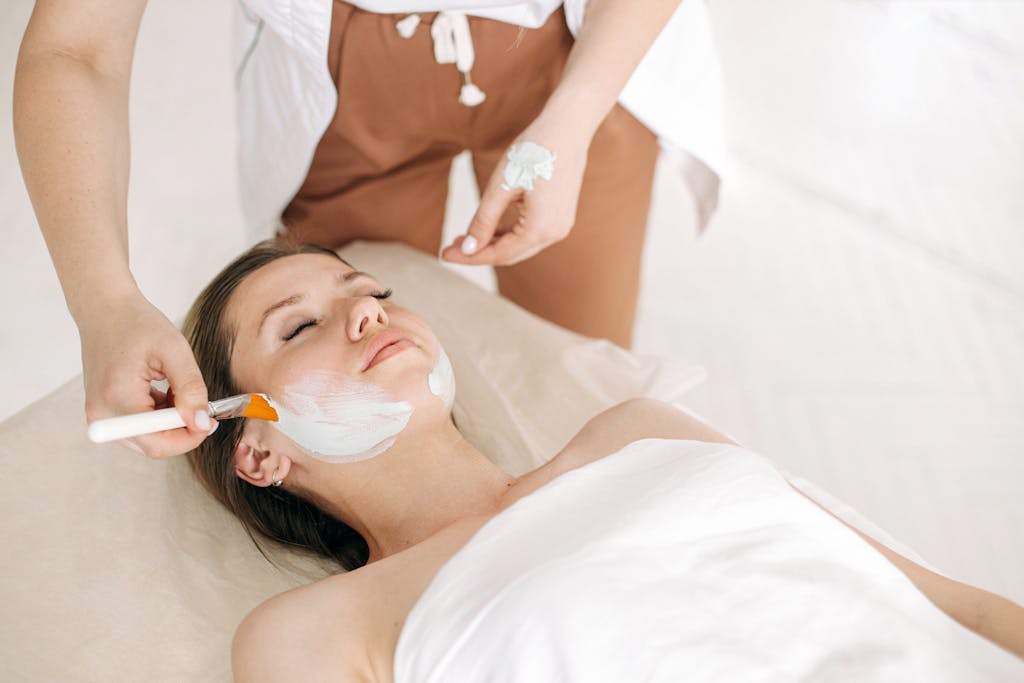
In the past, mercury was used in cosmetics and skin treatments, touted for its ability to clear acne, reduce wrinkles, and improve skin tone. It was often found in skin-lightening creams because it could exfoliate the skin and remove dark spots. However, mercury is a highly toxic substance that can cause severe health problems, including kidney damage, neurological issues, and even death. Over time, the dangers of mercury became apparent, leading to its removal from most cosmetic products.
While mercury scrubs were popular in the Victorian era, modern consumers are more aware of the risks posed by toxic ingredients. Despite this, some imported beauty products on the market still contain mercury, posing a serious health threat to anyone who uses them. The allure of quick results should never outweigh the importance of safety in skincare. In this case, the pursuit of youth through dangerous, outdated methods is a cautionary tale about how far some people will go in their quest for beauty.
Snake Venom Injections
Snake venom has long been associated with danger, but in recent years, it has gained attention as a potential anti-aging solution. Some proponents of snake venom injections claim that the venom contains compounds that mimic Botox’s effects, reducing wrinkles and promoting a more youthful appearance. The process involves injecting small amounts of venom into the skin, and over time, the body is said to become accustomed to the venom, leading to increased energy and vitality.
While the idea of using venom for anti-aging may sound intriguing, the risks are significant. The venom must be carefully administered to avoid serious injury, and the long-term effects of repeated injections are unknown. Despite these dangers, the practice persists among those desperate to maintain their youthful appearance, even if it requires a painful, potentially hazardous solution.
Conclusion
These bizarre anti-aging treatments may seem absurd, but they speak to something deeper in our culture: the fear of aging. The desire to turn back the clock and recapture the vitality of youth is an age-old pursuit that continues to fuel the beauty industry. While some of these treatments may offer temporary results, the dangers involved are undeniable. In the end, the quest for eternal youth is often an exercise in futility.
We may laugh at some of the more extreme beauty rituals, but they are a reminder of just how far people are willing to go to look younger. The pursuit of beauty is not just about appearance; it is about identity, status, and the desire to defy time itself. And for better or worse, these bizarre methods are just a few examples of the lengths people will go to in their never-ending quest for youth.