Many everyday foods, when not prepared correctly, can pose hidden dangers. While it’s unlikely you’ll experience severe consequences with proper handling and moderation, understanding the risks of common kitchen items can protect your health and prevent unexpected accidents. Here are 15 foods that may be toxic under certain conditions and how to avoid the risks.
Green Potatoes

Potatoes that have turned green or sprouted might look harmless, but they contain a toxic compound called solanine, a glycoalkaloid that can lead to symptoms like nausea, headaches, and in severe cases, neurological issues. While peeling a green potato can help reduce solanine levels, it doesn’t eliminate the toxin. It’s always safer to discard potatoes that show any signs of sprouting or discoloration, as they could cause harm if consumed in large amounts.
Apple Seeds
Apple seeds contain amygdalin, which, when broken down, releases cyanide. While the occasional accidental ingestion of a few seeds won’t harm you, chewing or crushing large quantities could be dangerous. For most people, the amount of cyanide released is minimal, but it’s important to avoid crushing the seeds. If you’re making apple preserves or juices, ensure that seeds are completely removed to avoid exposure to this toxic substance.
Cherry Pits
Like apple seeds, cherry pits contain amygdalin, which can release cyanide when the pits are crushed or chewed. Eating a whole pit by accident won’t usually cause harm, but for those who enjoy making homemade cherry liqueur or jam, cracking the pits could result in toxic consequences. Always discard cherry pits before consumption or use in recipes to avoid the risk of cyanide poisoning.
Bitter Almonds
Unlike the sweet almonds found in most UK supermarkets, bitter almonds naturally contain high levels of hydrogen cyanide. Because of this, raw bitter almonds are illegal to sell in the UK. However, they are processed into extracts and flavorings for marzipan. While the sweet variety is perfectly safe to eat, it’s important to avoid raw bitter almonds or products that contain unprocessed versions.
Rhubarb Leaves
Rhubarb stalks are commonly used in pies and crumbles, but the leaves contain oxalic acid, a compound that can cause severe kidney damage if ingested. Many gardeners are aware of the need to discard the leaves, but some may still not realize how toxic they are. It’s critical to keep rhubarb leaves far away from your plate as their toxins can be fatal when consumed in large quantities.
Raw Kidney Beans
Raw or undercooked red kidney beans contain phytohemagglutinin, a toxin that can cause severe vomiting and diarrhea. The temperature in slow cookers often doesn’t get high enough to destroy this toxin, making these beans especially dangerous when not properly prepared. To neutralize the toxin, kidney beans should be boiled for at least 10 minutes before consumption.
Cassava
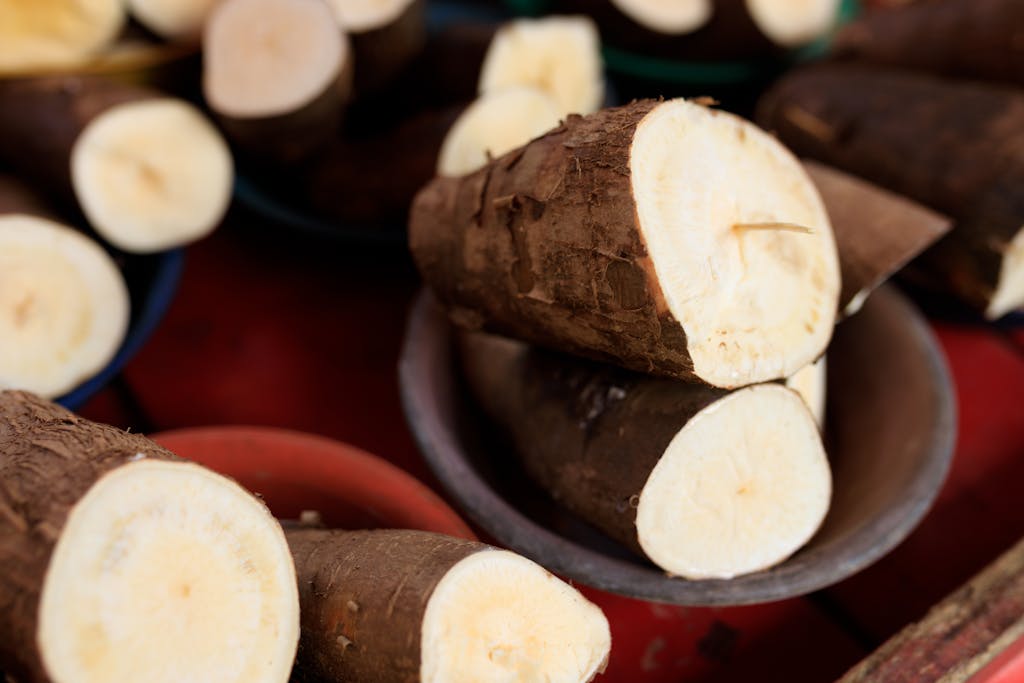
Cassava, a popular root vegetable in many multicultural diets, contains cyanogenic glycosides, which release cyanide when consumed. It’s crucial to properly peel, soak, and cook cassava to remove these toxins. While the sweet varieties of cassava contain lower amounts of cyanogenic compounds, the bitter ones can be extremely dangerous. Ensure you’re aware of the correct preparation methods to enjoy cassava safely.
Nutmeg
Nutmeg is a common spice used in holiday baking, but in large amounts, it contains myristicin, a compound that can cause hallucinations, dizziness, and even psychotic episodes. Though typically used in small amounts, it’s easy to overdo it if you’re using whole nutmegs or experimenting with recipes that call for excessive quantities. Stick to moderate amounts to avoid adverse effects.
Tuna
While tuna is a common and convenient protein choice, large tuna species like albacore can accumulate mercury from polluted oceans. Regular consumption of these types of tuna may lead to mercury poisoning over time. Pregnant women, in particular, should limit their intake to once a week to avoid potential developmental issues for their babies. For others, it’s important to balance tuna intake to prevent mercury buildup in the body.
Wild Mushrooms
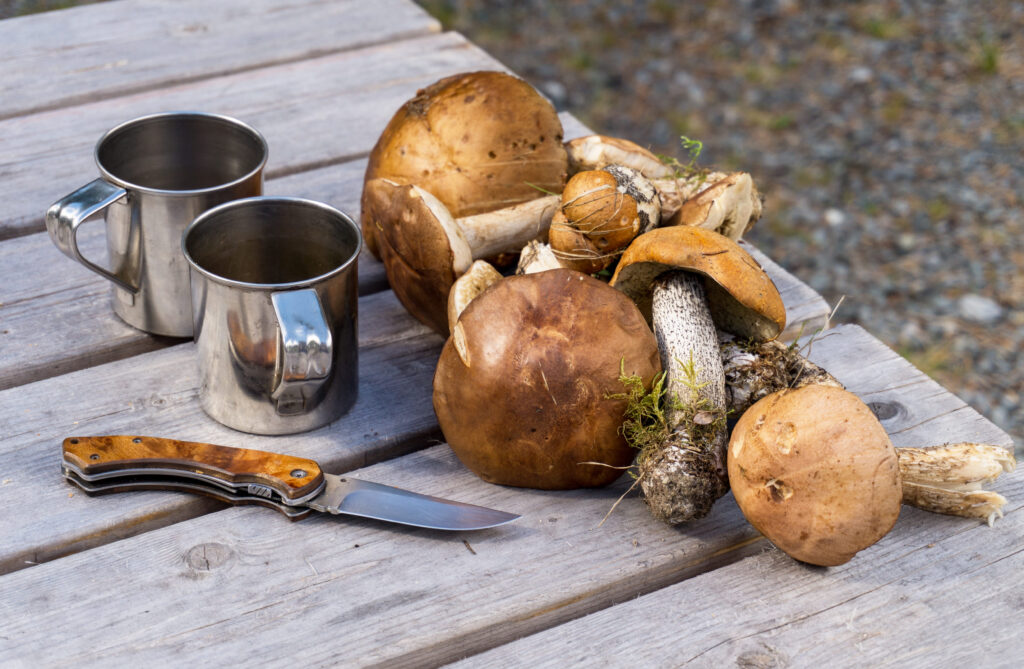
Foraging for wild mushrooms has gained popularity, but some mushrooms are highly toxic and resemble edible varieties. The “death cap” and “destroying angel” mushrooms contain amatoxins that can cause liver failure and even death. Misidentifying wild mushrooms is a serious risk, and even experienced foragers sometimes mistake toxic species for safe ones. Always use caution and consult experts before consuming wild mushrooms.
Hot Dogs
Hot dogs, a popular party food, are processed with nitrates, which, when cooked, can form carcinogenic compounds. In addition to this chemical risk, hot dogs are one of the leading causes of choking in young children. British parents often slice hot dogs for toddlers, unaware that cutting them into rounds actually increases the risk of choking. Regular consumption of nitrates has also been linked to an increased risk of bowel cancer.
Spinach
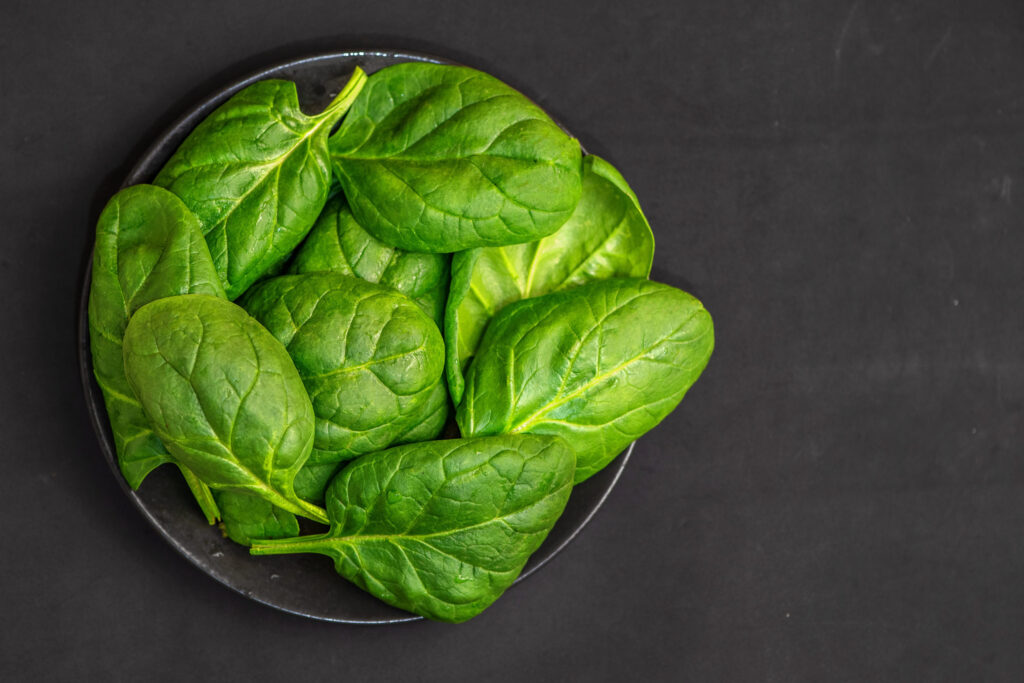
Spinach is a nutritious green that packs a punch in terms of vitamins and minerals. However, it contains high levels of oxalates, which can contribute to the formation of kidney stones in susceptible individuals. While cooking spinach reduces its oxalate content, consuming large quantities of raw spinach, especially in smoothies, can pose a risk to people prone to kidney stones. Moderation is key when enjoying this superfood.
Starfruit
Starfruit, or carambola, has a sweet, tangy flavor and is often used as a garnish. However, it contains neurotoxins that can cause neurological symptoms in individuals with kidney disease. Healthy individuals can typically consume starfruit without issue, but those with chronic kidney conditions should avoid it, as it can lead to potentially fatal complications.
Unpasteurized Cheese
Artisanal cheeses made from raw milk are delicious but carry a higher risk of contamination by bacteria such as Listeria, E. coli, and Salmonella. Pregnant women, elderly individuals, and those with compromised immune systems are particularly vulnerable to these infections. While pasteurized cheeses are safe for most, at-risk groups need to choose pasteurized varieties to avoid serious health risks.
Green Tomatoes
Green, unripe tomatoes contain solanine, the same toxic compound found in green potatoes. While a few green tomatoes in your salad likely won’t cause harm, consuming large amounts, especially when raw, can result in digestive upset and neurological symptoms. Traditional recipes like green tomato chutney often cook the fruit, reducing toxin levels. Still, it’s best to consume these tomatoes in moderation to avoid potential issues.
Conclusion
These common foods contain hidden dangers that most people aren’t aware of, but with the right knowledge and proper preparation, you can avoid any health risks. From green potatoes to cherry pits, many everyday foods can be toxic if consumed incorrectly or in excessive amounts. Be mindful of how you prepare your food and always follow safety guidelines to ensure that your meals are not only delicious but also safe. Stay informed to protect yourself.