Vitamin C is one of those nutrients people talk about when cold season arrives, then quietly forget about once they feel fine again. That is a mistake. Your body does not make or store vitamin C, so you need to get it regularly from food. If your meals are missing enough fruits and vegetables, your skin, energy, immune system, and overall wellness may feel the difference faster than you expect.
The good news is that vitamin C foods are not limited to oranges. Some of the best sources are colorful, flavorful, and easy to add to meals you already eat. From juicy fruits to crunchy vegetables, these foods can help you build a stronger, fresher, more nutrient-rich diet without depending only on supplements. Here are the vitamin C foods you should stop pushing aside.
Guava
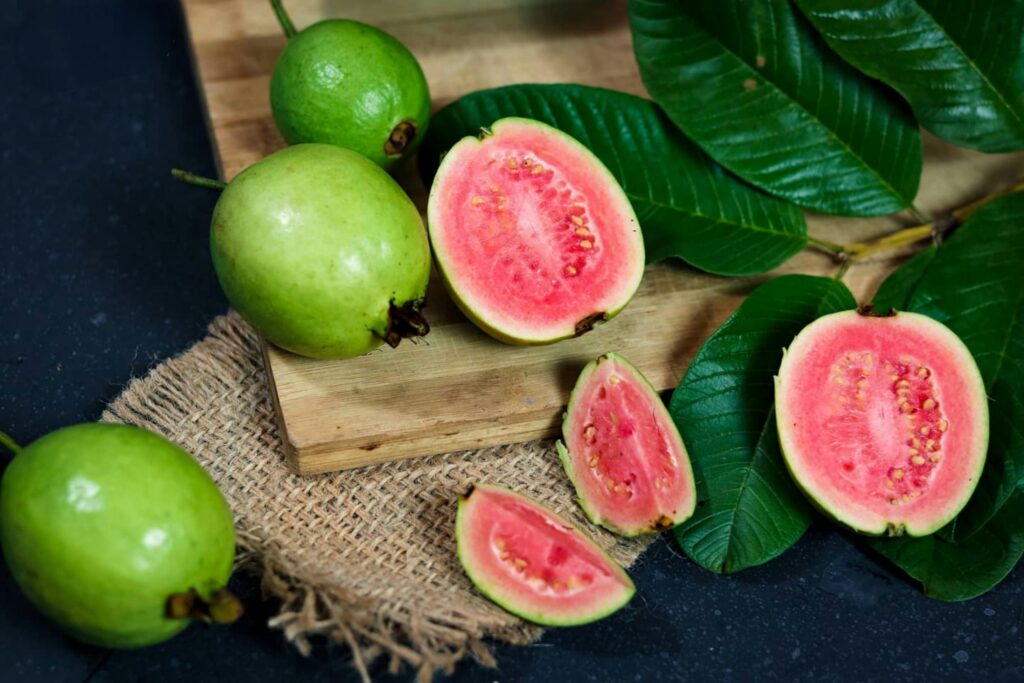
Guava deserves more attention than it gets. This tropical fruit is one of the richest sources of vitamin C you can eat, and its sweet, slightly floral flavor makes it easy to enjoy fresh, blended, or sliced into fruit bowls. A ripe guava has a soft texture and a fragrant aroma, making it perfect for breakfast or a light snack. It also brings fiber and antioxidants, giving your body more than a simple vitamin boost.
Bell Peppers
Bell peppers, especially red bell peppers, are a smart choice if you want more vitamin C without adding more sugar to your diet. They are crisp, colorful, and easy to use in salads, stir-fries, wraps, omelets, and stuffed pepper recipes. Many people forget that vegetables can be just as powerful as fruits for vitamin C intake. Red peppers add sweetness, crunch, and brightness to meals, making healthy eating feel less boring.
Kiwi

Kiwi may be small, but it brings a serious nutrient punch. Its tangy green flesh is packed with vitamin C, and it also adds fiber and freshness to your plate. You can slice kiwi over yogurt, blend it into smoothies, or pair it with cucumber for a refreshing side dish. It is also a great choice when you want something sweet but do not want a heavy dessert. For a simple upgrade, add kiwi to your morning bowl.
Strawberries
Strawberries are not just a pretty fruit for desserts. They are among the easiest vitamin C foods to enjoy because they work well in smoothies, oatmeal, salads, yogurt, and homemade frozen treats. Their natural sweetness makes them a better option than sugary snacks, especially when you want something refreshing. Fresh strawberries also pair well with nuts, dark chocolate, or cottage cheese, making them a balanced snack.
Papaya

Papaya is soft, juicy, and naturally sweet, but its real value is in its nutrient profile. It is rich in vitamin C and works beautifully as a breakfast fruit, smoothie base, or chilled snack. The orange flesh feels light yet satisfying, making it a good option when you want something fresh rather than heavy. Papaya also blends well with lime, ginger, and pineapple, giving your meals a tropical flavor without much effort.
Pineapple
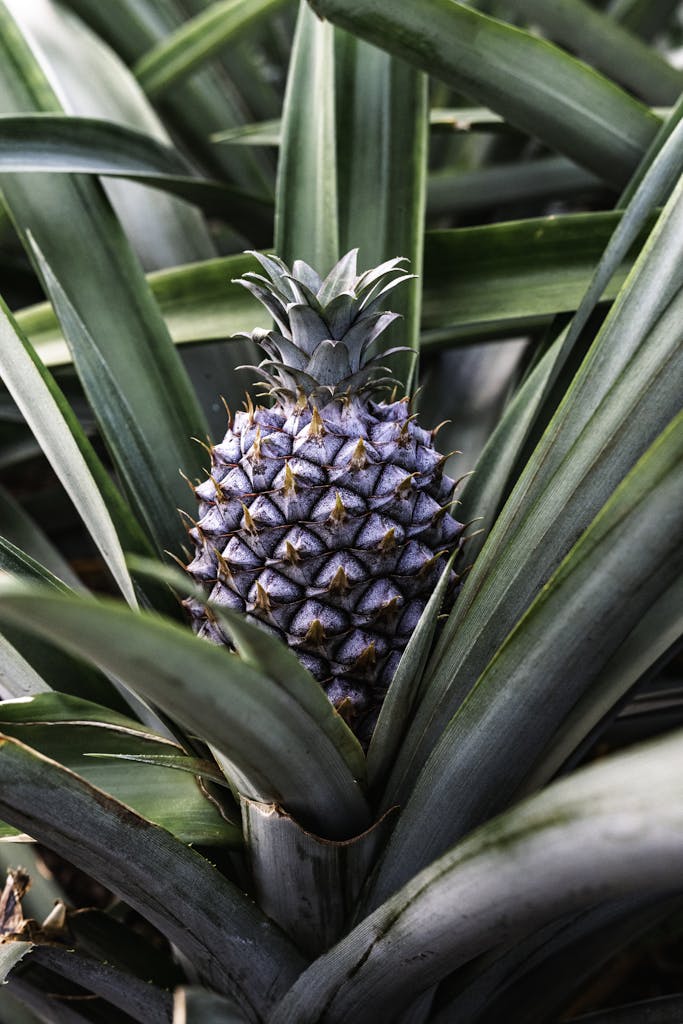
Pineapple is often treated like a vacation fruit, but it deserves a regular spot in your kitchen. It provides vitamin C, natural sweetness, and a bright flavor that works in both sweet and savory dishes. Add pineapple to smoothies, fruit salads, grilled chicken, salsa, or roasted vegetables for a sharp, juicy kick. It can help satisfy sugar cravings in a smarter way, especially when you choose fresh pineapple over syrup-packed canned varieties.
Cantaloupe
Cantaloupe is refreshing, hydrating, and surprisingly useful for boosting your vitamin C intake. Its soft orange flesh works well in fruit bowls, breakfast plates, smoothies, and summer salads. Many people overlook melons because they seem too simple, but that simplicity is the point. Cantaloupe is easy to prep, easy to digest, and easy to pair with other foods. Keep cut melon in the fridge for a quick, light snack that feels nourishing.
Pomegranate Seeds
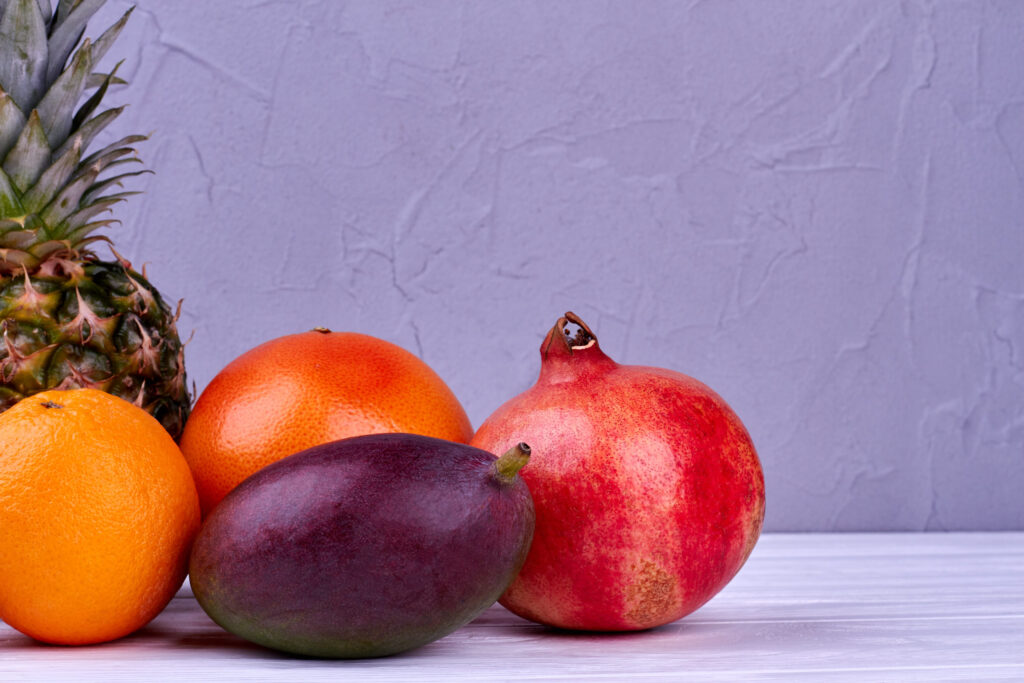
Pomegranate seeds bring color, crunch, and a tart-sweet flavor that can wake up dull meals. They contain vitamin C, fiber, and other useful nutrients, making them a smart topping for salads, yogurt, oatmeal, smoothie bowls, and grain bowls. Their jewel-like appearance also makes food look more exciting, which matters when you are trying to eat healthier without feeling punished. A small sprinkle can turn a plain dish into something fresh and vibrant.
Kale
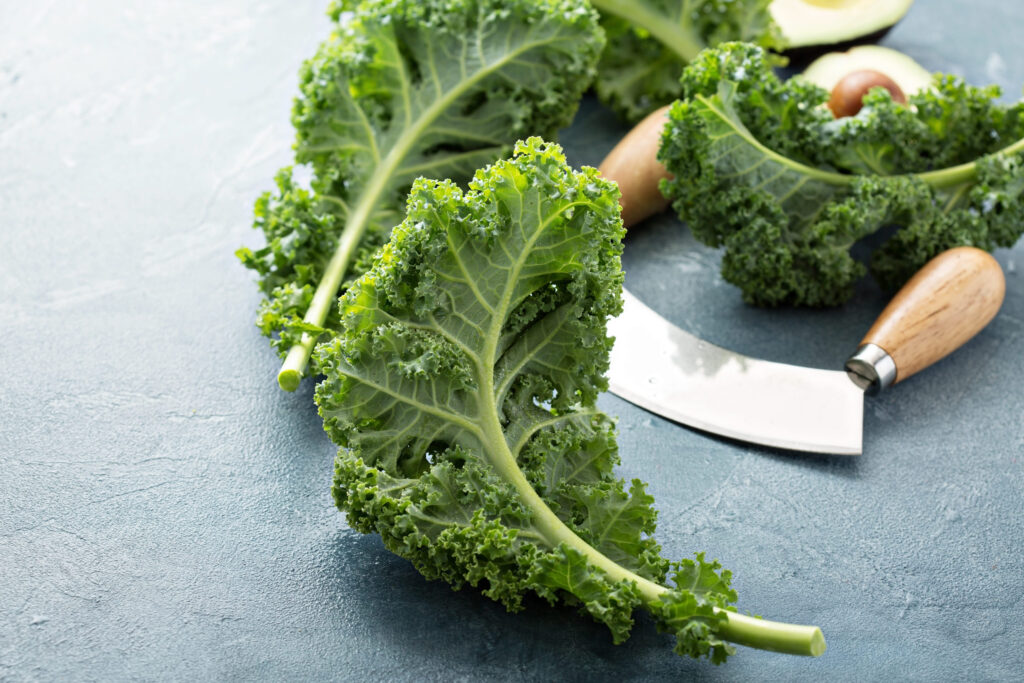
Kale has earned its reputation for a reason. It is a leafy green that delivers vitamin C along with other vitamins, minerals, and plant compounds. The trick is to prepare it well. Massage raw kale with a little olive oil and lemon juice to soften the leaves, or roast it into crispy kale chips. You can also add kale to soups, smoothies, stir-fries, and egg dishes. It is a strong option for people who want more nutrients in fewer bites.
Bok Choy
Bok choy is a crisp, mild green that fits easily into quick meals. It works in stir-fries, soups, noodle bowls, and simple sautéed side dishes. Because vitamin C can be lost during long cooking, bok choy is best cooked quickly until tender but still bright green. Its gentle flavor makes it less bitter than many leafy greens, which is helpful for picky eaters. Add garlic, ginger, or a splash of soy sauce, and it becomes a simple, nutrient-rich side.
Conclusion
Vitamin C foods should not be treated like emergency foods you reach for only when you feel a cold coming on. They belong in your everyday meals because they support immunity, skin health, iron absorption, and general wellness. The smartest move is to build variety into your plate with fruits like guava, kiwi, papaya, strawberries, pineapple, and cantaloupe, then balance them with vegetables like bell peppers, kale, and bok choy. Your diet does not need to be complicated to be powerful. It just needs more color, more freshness, and fewer missed chances to feed your body well.